REVIEW · MUMBAI
Mumbai: Local Markets & Temples Tour
Book on GetYourGuide →Operated by Reality Tours and Travel Private Limited · Bookable on GetYourGuide
Markets and temples in one tight walk. I love the wholesale scale at Crawford and Mangaldas, and I love how the walk connects shopping streets to sacred places like Mumbadevi Temple. The one drawback to plan for: this is market-and-lanes focused, so if you’re hunting only the biggest postcard monuments, you may want a longer itinerary with more famous sights.
You’ll spend the afternoon with an English-speaking guide who knows how to translate daily life into something you can actually feel. On the guide side, I’ve seen names like Rakesh and Javid pop up with the same theme: kind, steady explanations that make the markets and temples easier to understand.
It’s also practical. The tour runs rain or shine, lasts about 2.5–3 hours, and uses a short black cab ride early on to get you positioned quickly. By the end, you’ll have a clearer sense of why Mumbai works the way it does—money, food, religion, and animal welfare all woven into the same streets.
In This Review
- Key highlights you’ll care about
- How This 2.5–3 Hour Walk Shows Real Mumbai
- Getting Started at Regal Cinema and Rolling by Black Cab
- Crawford Market: Where Wholesale Food Looks Like Daily Life
- Mangaldas Market: Indoor Textiles and the Logic of Local Shopping
- Flower Alley and the Quick Stop That Changes Your Nose
- Zaveri Bazaar: Street Sightseeing Between Food and Worship
- Mumbadevi Temple: The Namesake Moment for Mumbai
- Shri Mumbai Panjrapole: Why 350+ Cows Change the Mood
- Food, Water, and the Real-Life Comfort Stuff
- Price and Value: Is $27 a Good Deal for This Route?
- Rain or Shine: How to Prepare for a Market-Day Tour
- Getting the Most Out of Your English Guide
- Who Should Book This Mumbai Tour (and Who Might Not)
- Should You Book This Mumbai Markets & Temples Tour?
- FAQ
- How long is the Mumbai Local Markets & Temples Tour?
- What does the tour cost?
- What’s included in the price?
- Is food included?
- Where do I meet the tour?
- What are the starting location options?
- How do you travel between the start and the first main stop?
- Which temples and other special stops are included?
- Is the tour affected by rain?
- Where do you get dropped off at the end?
- Can I cancel or pay later?
Key highlights you’ll care about
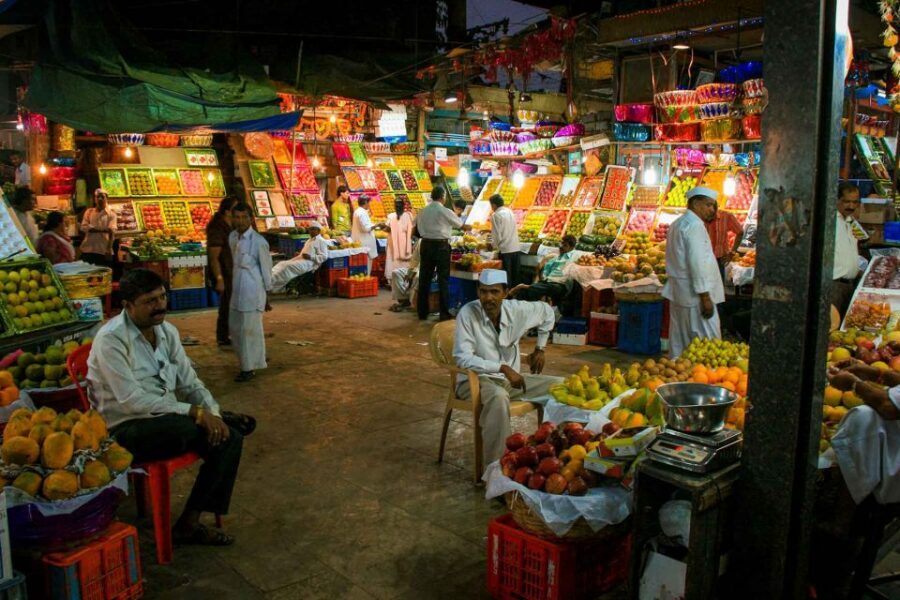
- Crawford Market’s wholesale energy in a single guided stop, including fruit/vegetable and meat areas
- Mangaldas Market, indoor textiles for locals buying clothing in bulk, day after day
- Mumbadevi Temple’s Mumbai origin connection, plus the lane-level feel around it
- Shri Mumbai Panjrapole cow shelter, a sanctuary for the welfare of 350+ cows
- Short-market route, not a long slog, sized to fit a half-afternoon
- Rain-ready planning, with water/cold drinks included
How This 2.5–3 Hour Walk Shows Real Mumbai
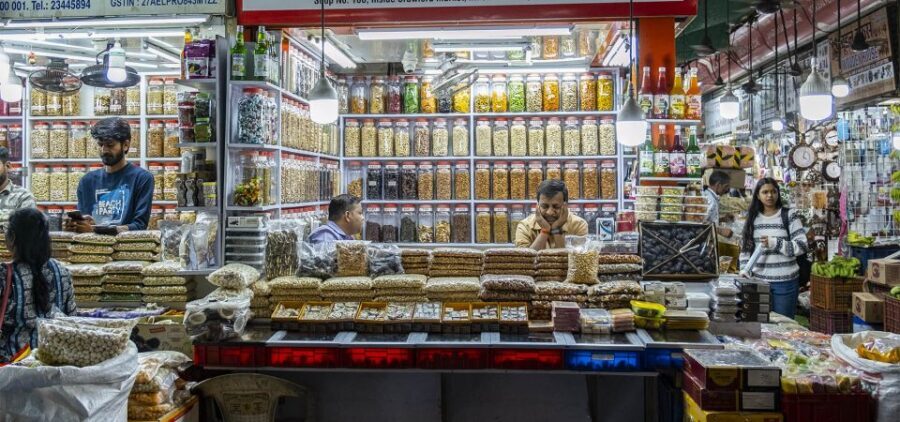
Mumbai can feel like two cities at once: the shiny, planned skyline view, and the older street life where people buy, pray, and negotiate the day. This tour leans hard into the second one. You get a tight slice of how Mumbai moves—through markets, lanes, and temples—without needing half a day of guesswork.
I like that the focus stays coherent. You’re not hopping randomly between sights. Instead, you start in the commercial world, then you fold into the sacred world, and you end with a place that centers animal welfare. That arc helps you remember what you saw, not just where you stood.
The group size can be private, which matters here. Market spaces are loud and visually busy, so having a guide who can keep you moving (and answer questions fast) makes the whole experience feel smoother.
You can also read our reviews of more tours and experiences in Mumbai.



Getting Started at Regal Cinema and Rolling by Black Cab
You’ll meet at Regal Cinema (there are two starting-location options, and yours determines the exact pickup point). Then you take a short black cab ride for about 15 minutes to get to the market zone.
That early cab transfer is smart. It saves time and keeps you from starting the “walk through chaos” part with zero context. Once you’re dropped into the street scene, you’ll be better at noticing patterns: who’s selling what, how people move through corridors, and where to slow down for photos versus where you should just watch.
Wear comfortable shoes. Even though the tour is only a few hours, the rhythm is walk, stop, look, and walk again. You’ll do a lot more standing than you expect.
Crawford Market: Where Wholesale Food Looks Like Daily Life
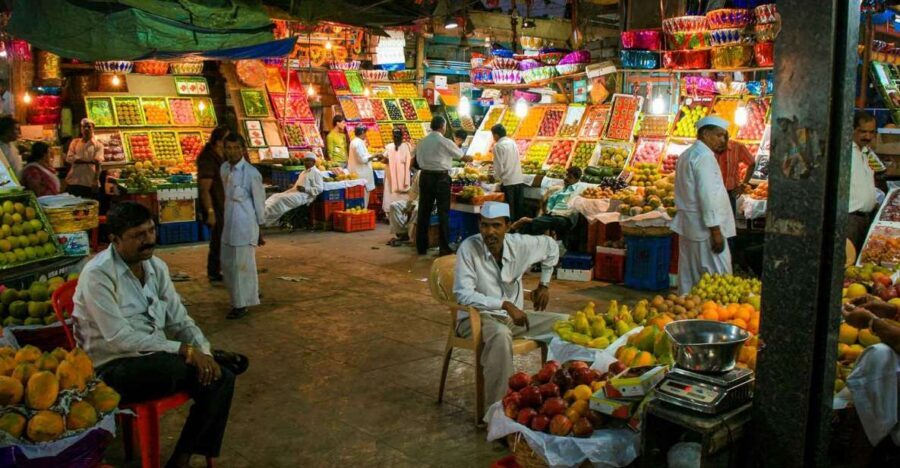
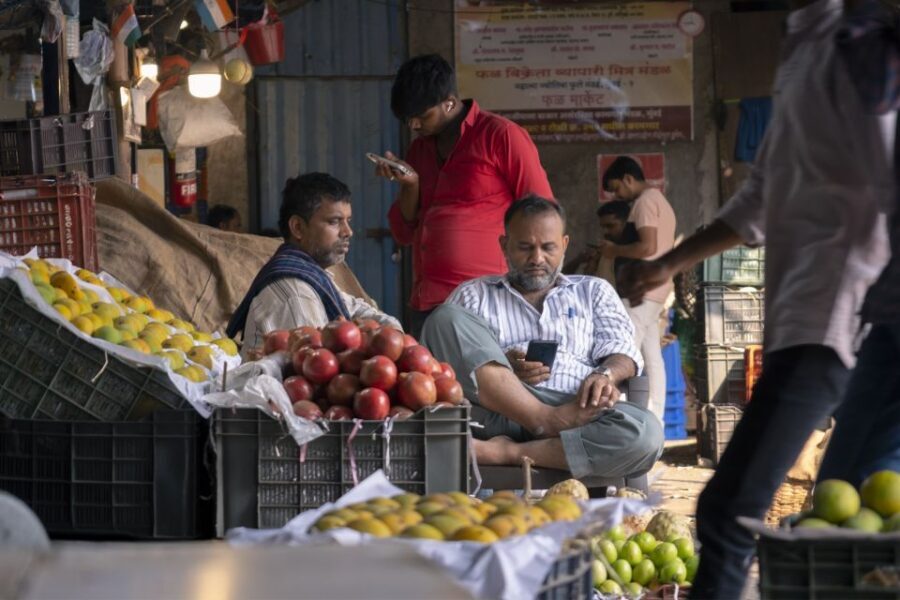
Crawford Market is one of those places where you can feel scale immediately. The stop is focused and guided, but the vibe is still very real—people shopping, traders working, and vendors calling out to move the next batch of produce and supplies.
What I like about the Crawford Market experience is that it isn’t just “see a building.” You’re in the thick of wholesale trading. The tour is designed to show you why the market matters beyond tourism: it’s a work engine for food supply, not a decorative attraction.
You’ll also get a walk-through approach, which helps you interpret what you’re seeing. For example, when you understand the wholesale layout—fruit/vegetables and meat are part of the same overall food economy—you stop thinking of it as “random stalls” and start thinking of it as a system.
Practical note: this area can get crowded and noisy. If you’re sensitive to sound or close quarters, keep your expectations grounded. You’re here for sensory reality, not quiet museum viewing.
Mangaldas Market: Indoor Textiles and the Logic of Local Shopping

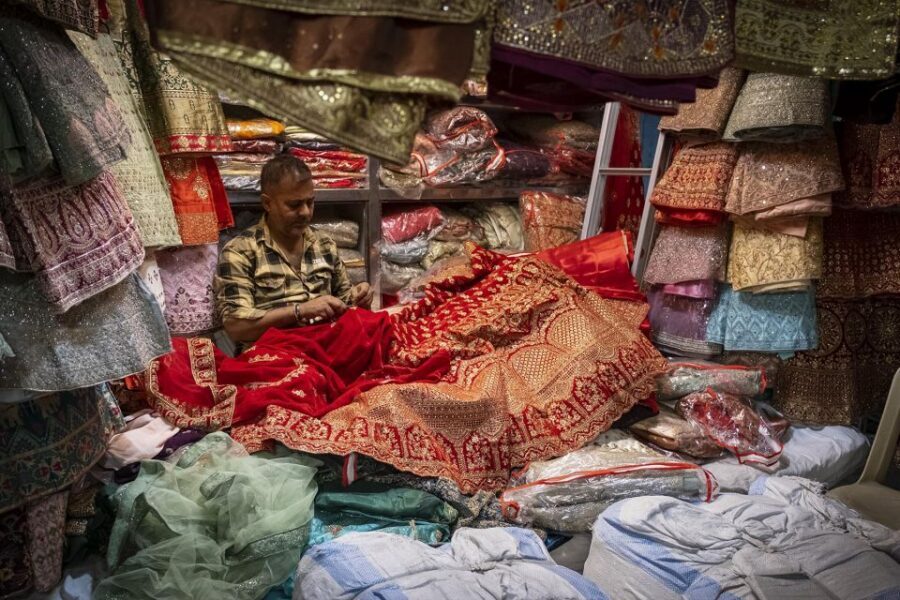
Next comes Mangaldas Market, described as the largest indoor wholesale textile market in Mumbai, where locals buy clothing. This is a huge deal for understanding the city’s economy because textiles touch everything—workwear, everyday style, and supply chains that support other businesses too.
Here’s what makes this stop valuable for you: textiles are easier to “read” than you might think. Fabric choices, packaging styles, and how shoppers move through the indoor aisles can tell you the difference between a tourist market and a true wholesale workplace.
The tour keeps it guided, with time to look and pass through key areas. You’ll be able to connect Mangaldas to the street-level commerce you already saw at Crawford, so the city starts to feel less like separate chapters and more like one story.
If you love shopping for fabrics or learning how goods move, this is the stop that scratches that itch. If you’re less interested in textiles, just treat it as a lesson in how Mumbai buys clothes—indoors, efficiently, and at scale.
Flower Alley and the Quick Stop That Changes Your Nose
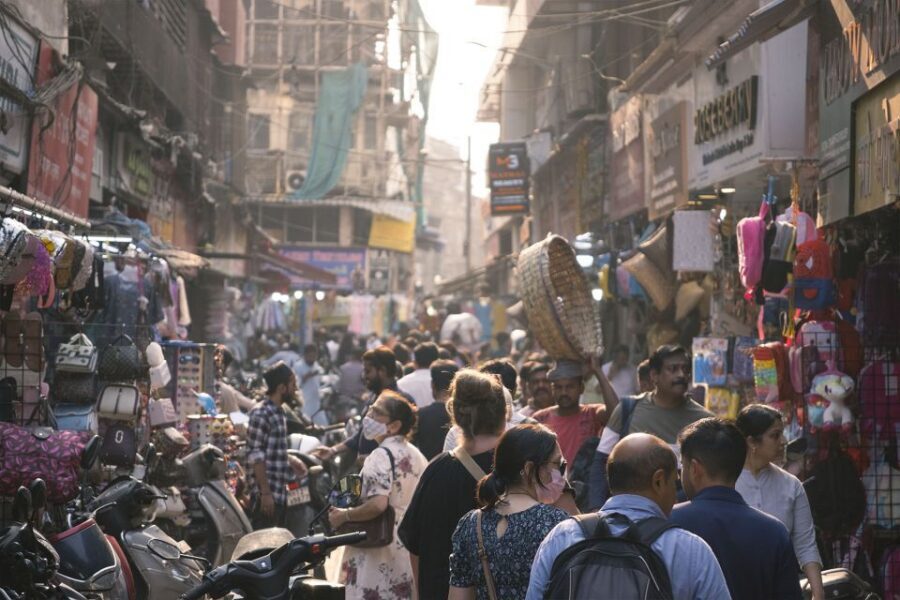
In Mumbai, you learn fast that food, flowers, and offerings don’t live in separate worlds. The tour includes a chance to experience smaller lanes and a lesser-known market area like Flower Alley, which is included as part of how your guide introduces markets beyond the two biggest names.
Why this matters: markets can blur together if you only see one type of storefront. A floral corridor gives you a different sensory cue. You notice colors and smells in a way you don’t get from wholesale shopping alone.
It’s a short stop, but it breaks the pattern. That makes it easier to remember the overall route later, especially when you’re comparing the commercial areas to the temple areas that come right after.


Zaveri Bazaar: Street Sightseeing Between Food and Worship
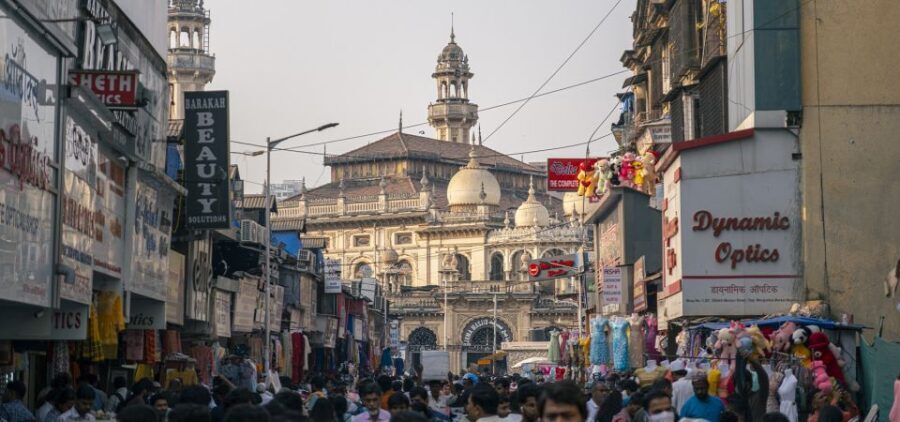
You’ll also pass through Zaveri Bazaar for a guided look and sightseeing on foot. The strength of this segment isn’t that it’s one single headline attraction. It’s that it connects the dots between what you saw in the big wholesale markets and what you’ll see at the temples.
Think of it as the “in-between” that most tours skip. A quick guided walkthrough here helps you understand the texture of Mumbai’s lanes—how people navigate, where foot traffic concentrates, and how everyday commerce keeps moving even when a temple stop is nearby.
If you’re the type who likes to understand city layout, this is where you get your bearings fast. The route helps you learn what “old lane” travel feels like: narrow, practical, and built for continuous use.
Mumbadevi Temple: The Namesake Moment for Mumbai
Now you shift from trade to devotion at Mumbadevi Temple. This is the historic Hindu temple tied directly to the name Mumba, so it’s not just another stop on a list. It’s a turning point in the tour’s story.
What I like here is how the guide connects the site to the broader city identity. When you understand the namesake link, the temple stops feeling like an isolated monument. It becomes part of why people call the city what they call it.
You’ll have time for a guided visit and walk by, so you’re not just staring from outside. The lane-level approach matters: you see the temple as part of a living neighborhood space, not a fenced-off landmark.
One small consideration: the tour is still running through an active street area. If you want a totally quiet or slow-paced spiritual stop, this may feel more “in the flow” than you expect. That’s not a problem—just set your expectations.
Shri Mumbai Panjrapole: Why 350+ Cows Change the Mood
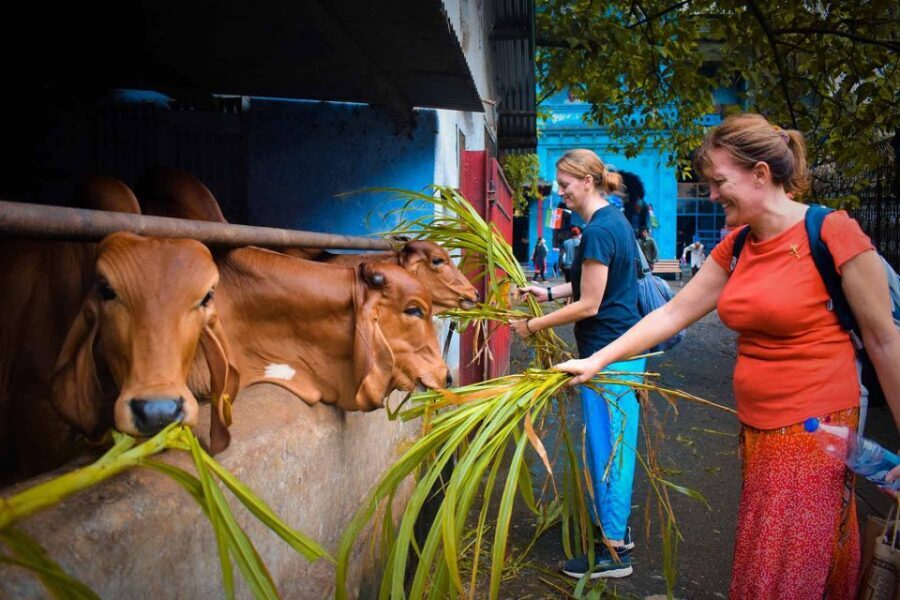
The tour ends with a completely different kind of attention: Shri Mumbai Panjrapole, a sanctuary for the welfare of more than 350 cows. This is where the trip’s energy shifts from shopping and sightseeing into compassion and care.
You’ll get a guided visit and sightseeing for around 15 minutes. Even with that short window, it’s powerful because it reframes what “animal presence” looks like in India. You’re not seeing cows as background animals. You’re seeing them as a welfare focus, with a clear sanctuary purpose.
For a lot of people, this stop is the emotional highlight. It’s also a good moment to ask questions. A good guide can explain how such sanctuaries fit into the wider cultural landscape of how animals are treated.
If you’re worried about animal-related ethics or sensitivities, just know the tone here is welfare-focused. This isn’t about spectacle.
Food, Water, and the Real-Life Comfort Stuff
Food isn’t included, and that’s common for short city tours. You’ll visit a local restaurant area and pass by, but you’ll need to plan your meal separately.
The good news: water and cold drinks are included. That matters in Mumbai, especially when you’re walking through market areas where you’ll be exposed to sun, exhaust, and crowds. I always treat included drinks as part of the true value.
If you’re the type who gets hungry fast, schedule a meal after the tour. Keep a small snack idea in mind too, just in case you want something between market stops and temple time.
Price and Value: Is $27 a Good Deal for This Route?
At $27 per person for roughly 2.5–3 hours, this tour is priced like a practical city experience rather than a full-day “big sights” package. You’re paying for three things: an English-speaking local guide, focused market access, and a structured route through multiple neighborhoods.
Here’s the value logic I see:
- Markets and temples need context. Without a guide, Crawford and Mangaldas can blur into visual noise.
- The route is short enough that you’re not burning time on transit, but varied enough that you get a real feel for the city.
- Water/cold drinks are included, which quietly lowers the hidden cost of the day.
What might make it feel like less value for some people: if you already know the market scene well or you only want famous landmark sightseeing. This tour aims at texture and meaning, not just marquee buildings.
Rain or Shine: How to Prepare for a Market-Day Tour
This tour runs rain or shine, so you’re not getting an easy-weather escape. That’s normal in Mumbai street travel, but you should plan accordingly.
Bring:
- Closed-toe shoes you trust on uneven surfaces
- A light rain layer or poncho you can pull out quickly
- A small bag you can keep close in crowded market corridors
Also, keep your camera ready, but don’t block walkways. Market spaces move fast. You’ll get better shots by timing your pauses with your guide’s pacing.
Getting the Most Out of Your English Guide
The guide is the glue here. You’re seeing markets that are active workplaces, and temples that are active spiritual spaces. A good guide helps you avoid two common mistakes: treating holy places like photo sets, and treating wholesale markets like theme parks.
Based on what I’ve seen mentioned by visitors—names like Rakesh and Javid show up—guides tend to be gentle, personable, and passionate about explaining why each stop exists in the local world. When that happens, the tour feels like a guided conversation, not a checklist.
If you want to learn more, ask specific questions while you’re walking:
- What makes this market wholesale versus retail?
- How do textiles and food supply influence daily life?
- What does the Mumbadevi namesake mean in the city story?
- What role does a cow sanctuary like Panjrapole play?
Your guide will usually have an answer that connects culture to the street in front of you.
Who Should Book This Mumbai Tour (and Who Might Not)
You’ll love this tour if you want:
- A market-focused introduction to Mumbai with real guidance
- A temple stop that connects to the city’s name and identity
- A meaningful inclusion of animal welfare at Panjrapole
- A half-afternoon plan that doesn’t feel rushed or endless
You might want a different option if:
- You only want the most famous landmark temples and monuments
- You dislike crowded street environments
- You’re looking for a more food-focused experience with a full meal included
This one is for people who enjoy seeing how cities work—at the level of daily buying, lane life, and sacred routines.
Should You Book This Mumbai Markets & Temples Tour?
Yes, I’d book it if you want an honest, compact introduction to Mumbai that goes beyond “stand here and look.” The combination is the selling point: large wholesale markets, a namesake temple, and a welfare sanctuary for 350+ cows.
At $27, the value is solid because you’re not just paying for entry. You’re paying for interpretation and route design—exactly what you need when the sights are crowded and sensory-heavy. Add the included water/cold drinks and the rain-or-shine reliability, and it becomes an easy decision for a first (or second) time in the city.
If you know you want more major temple icons and less market energy, compare options before booking. But if you want the streets to explain Mumbai to you, this tour makes that happen.
FAQ
How long is the Mumbai Local Markets & Temples Tour?
It runs about 2.5 to 3 hours.
What does the tour cost?
The price is $27 per person.
What’s included in the price?
A local English-speaking guide and water/cold drinks are included.
Is food included?
No. Food is not included.
Where do I meet the tour?
The meeting point may vary depending on the option booked.
What are the starting location options?
Regal Cinema is one of the starting options mentioned.
How do you travel between the start and the first main stop?
After meeting, you take a black cab for about 15 minutes.
Which temples and other special stops are included?
The tour includes Mumbadevi Temple and Shri Mumbai Panjrapole (a cow sanctuary).
Is the tour affected by rain?
No. The tour runs rain or shine.
Where do you get dropped off at the end?
Drop-off locations include Chhatrapati Shivaji Terminus and Charni Road Railway Station, plus Girgaon (Mumbai 400004).
Can I cancel or pay later?
Free cancellation is available up to 24 hours in advance for a full refund, and you may be able to reserve now and pay later.