REVIEW · MUMBAI
Mumbai Full-Day Sightseeing & Dharavi Slum Tour
Book on Viator →Operated by Cityscape Mumbai Tours · Bookable on Viator
Mumbai can feel like a moving target. This private full-day plan helps you hit the big landmarks and still make the Dharavi visit feel human and explained.
I like the private-guide setup that keeps you from guessing what you’re looking at, and I like the air-conditioned roundtrip transport that turns a long day into something manageable. One thing to consider: it’s a tight highlights route, so you’ll want to be ready for some quick stops and rely on your guide to decide where to linger.
In This Review
- Key highlights worth your attention
- Getting Started at Colaba: Pickup and how this tour stays easy
- CSMT to Dhobi Ghat: the classic Mumbai day-opening combo
- From high courts to Marine Drive: seeing power, then the sea
- Malabar Hill views and Jain Temple Hill calm
- Crawford Market and the Boot House at Kamala Nehru Park
- Mani Bhavan Gandhi Museum: reflection without extra time
- Dharavi in context: how to make the 2-hour visit respectful and useful
- Guides and drivers: why the human touch shows up in the reviews
- Price and value: why this $35.23 full-day feels like a deal
- Who this tour is best for (and who should think twice)
- Tips to get the most out of your day
- Should you book this Mumbai + Dharavi tour?
- FAQ
- How long is the Mumbai full-day sightseeing and Dharavi tour?
- Is pickup available?
- What’s the meeting point?
- What does the tour price include?
- Are any attractions free or ticket-free on the schedule?
- Is dinner included?
- Is the tour private?
- Is there free cancellation?
Key highlights worth your attention
- Private group only, so you’re not squeezed between strangers
- Air-conditioned car pickup and drop-off from Colaba area
- A smart, fixed order of iconic sights across South Mumbai
- Dharavi for about 2 hours with a local guide and Q&A time
- Mani Bhavan Gandhi Museum included, while other stops are ticket-free
Getting Started at Colaba: Pickup and how this tour stays easy
This tour meets at PizzaExpress, Dhanraj Mahal, Apollo Bandar, in Colaba. That matters because Colaba is a convenient starting point for a day packed with classic Mumbai sights—so you spend less time fighting traffic right at the beginning.
You’ll also have the benefit of being on a private tour. In practice, that means the schedule works for your group, not for a giant bus of people. You can ask questions without waiting for a pause in a group slideshow, and your guide can adjust pacing if you’re slower (or faster) than expected.
Finally, you’ll be in an air-conditioned car with roundtrip transport. Mumbai can be intense—heat, crowds, and chaotic streets—so having reliable transport is more than comfort. It’s how you actually keep the day from turning into exhaustion before you even reach Dharavi.
You can also read our reviews of more tours and experiences in Mumbai



CSMT to Dhobi Ghat: the classic Mumbai day-opening combo
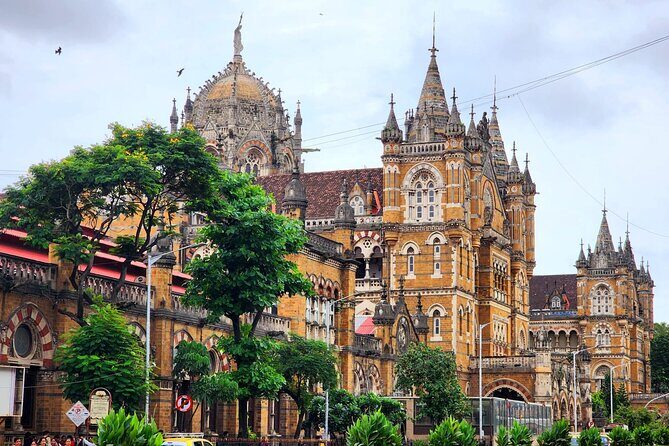
Your first stop is Chhatrapati Shivaji Maharaj Terminus (CSMT), the historic railway station. It’s free to enter, and it’s one of those places where your guide can point out details fast: Frederick William Stevens designed it, and the station’s stature is part of why it’s such a strong first “wow” moment.
Next comes the Gateway of India, built in 1911. This is the postcard moment—arches, sea views, and a clear sense of Mumbai’s colonial-era architecture meeting modern-day life. The stop is short (about 30 minutes), so I’d treat it like orientation: good photos, quick context, then move on.
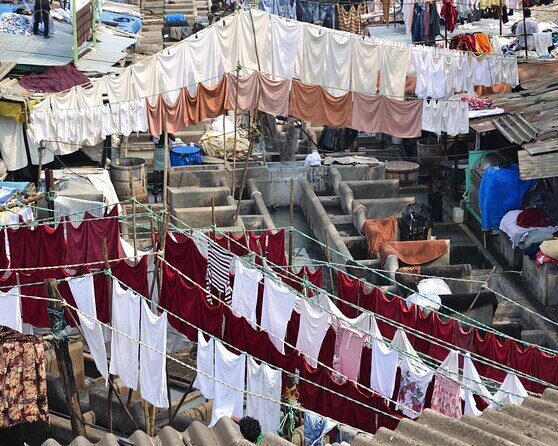
Then you hit Dhobi Ghat, a working laundry area. This is where the tour shifts from landmark mode to daily-life mode. Dhobi Ghat is presented less like a staged attraction and more like a living example of how people solve problems at street level—without turning it into a lecture.
You’ll also stop at Oval Maidan (the cricket ground). Cricket in Mumbai isn’t a small side topic—it’s a major part of the city’s identity. The stop is brief, but it gives you a useful lens for understanding why certain public spaces matter so much here.
Practical note: because these are free-entry stops, the tour doesn’t bog down in ticket lines. Your time is spent on seeing and understanding, not waiting.
From high courts to Marine Drive: seeing power, then the sea
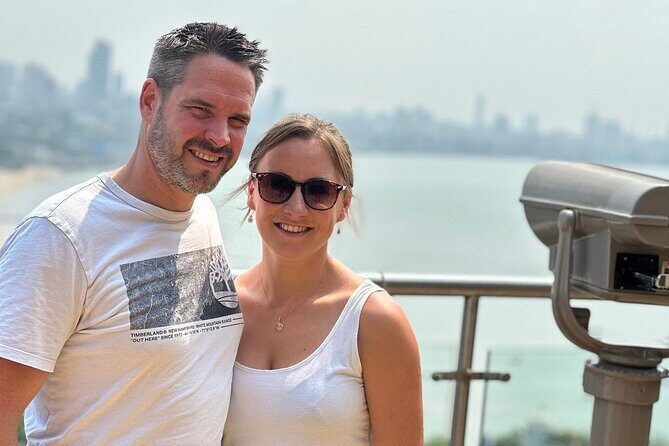
After the early cluster of monuments, you’ll move through more institutional and civic landmarks—starting with the High Court of Mumbai and then the University of Mumbai Fort Campus. These stops are the “what keeps the city running” part of the day. Even if you’re not a law or education person, it helps you read Mumbai’s layout: big buildings, big authority, and how power shows up in stone and scale.
Then you get to Marine Drive, nicknamed the Queen’s Necklace. Expect an easy, scenic break along the Arabian Sea promenade. This stop is about 15 minutes, but it’s a good reset—photos, ocean air, and a chance to breathe between heavier cultural stops.
From there, you’ll head toward higher ground with Malabar Hill. It’s described as a prestigious residential area with panoramic sea views. In other words: it’s the opposite of the chaos below, and it gives you a cleaner visual of how the city opens up.
Malabar Hill views and Jain Temple Hill calm
One of the best things about this itinerary is how it mixes viewpoints with spiritual quiet.
You’ll visit Jain Temple Hill, described as a spiritual pause in the middle of city motion. The idea here isn’t to speed through it like a photo stop. A good guide can help you notice the architecture and the purpose—why people come, what the space feels like, and how religion shapes everyday routines.
Then comes Hanging Gardens, perched above the area with well-manicured lawns and panoramic views. This is a great stop for people who want a little green without leaving the city. Even if you’re not staying long, it’s a visual payoff: Mumbai from above, with breathing room.
If your group likes photo angles, this is where you’ll likely slow down naturally. If your group prefers motion, your guide can keep it efficient and move you on.
Crawford Market and the Boot House at Kamala Nehru Park

Next up: Crawford Market. It’s a historic market with Victorian architecture, and it’s known for everyday commerce—everything from fruits to textiles. This is the part of the day where you shift from viewing Mumbai to standing inside Mumbai’s trade.
Markets can be a challenge on tours if they’re treated like a museum gift shop. Here, it’s framed as a cultural experience, so it’s more about watching how people browse and negotiate than hunting for souvenirs.
Then you’ll stop at Kamala Nehru Park for the Boot House, a quirky building shaped like a giant boot. It’s short, but it’s fun, and it gives the day that “only Mumbai could do this” feeling.



Mani Bhavan Gandhi Museum: reflection without extra time
This stop is Mani Bhavan Gandhi Museum, and unlike many other sights on the route, it includes admission. It’s tied to Mahatma Gandhi’s life and work and described as his former residence. The practical value is that the museum fits cleanly into the schedule without turning into a long detour.
I like museum stops like this on short itineraries: they add meaning and context. After a day of architecture, street life, and viewpoints, you get a calmer, story-driven place where you can reflect—then continue on to Dharavi without feeling like the day fell apart into separate tours.
Dharavi in context: how to make the 2-hour visit respectful and useful
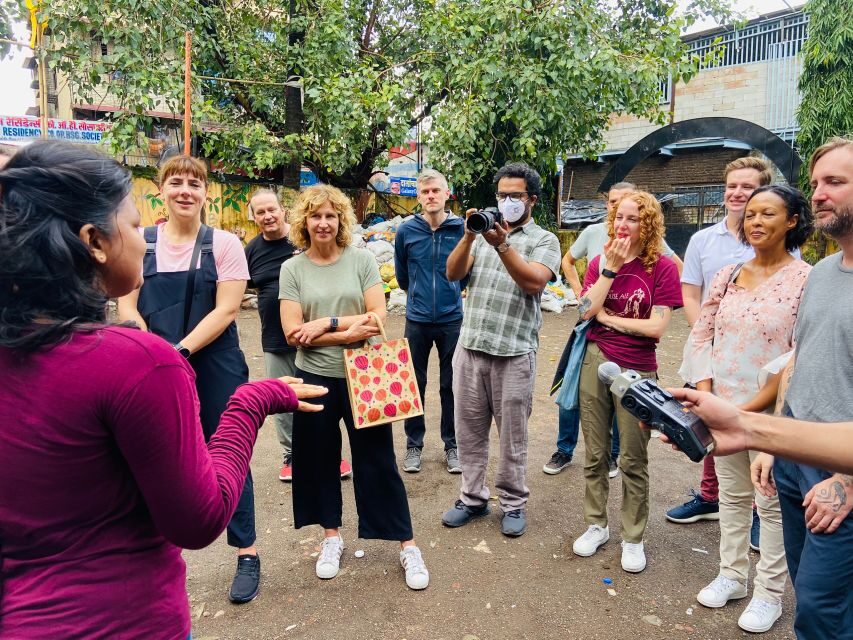
Dharavi is the heart of this tour. You’ll spend about 2 hours there, and the admission is free. The tour description frames Dharavi as a place people often misunderstand, and instead describes it as a vibrant community known for small-scale industries and creativity—a reminder that “slum” is not the full story.
What makes this stop work best is the guide. Several guides are highlighted in the tour’s feedback as patient, engaged, and skilled at English explanations. Names that came up include Javed, Jawwad, Preti, Subhan, and others like Jay, with at least one guide described as having grown up in Dharavi. That local perspective is exactly what you want here: it helps you move past stereotypes and ask better questions.
Here’s how I’d approach Dharavi on a guided visit:
- Ask for context first, not just photos.
- Keep questions respectful and specific to daily life and work.
- Let your guide decide where to linger—don’t turn it into a “look fast” exercise.
The biggest payoff isn’t shock. It’s understanding how a dense area functions, how skills travel through neighborhoods, and how resilience shows up in practical ways.
Guides and drivers: why the human touch shows up in the reviews
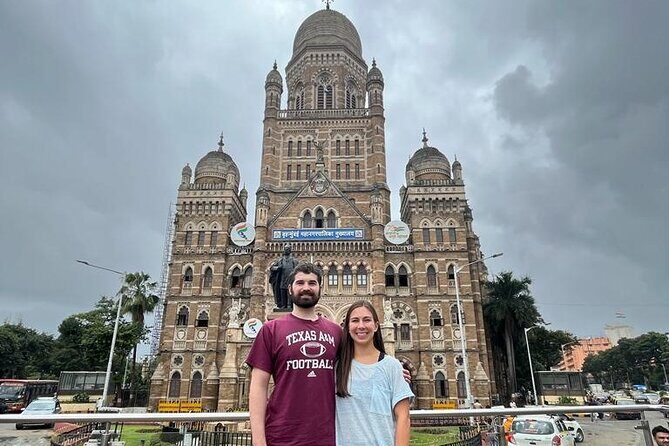
The consistently praised part isn’t just the stops. It’s the way the day is guided.
Across the feedback, guides like Jawwad, Preti, Javed, and Subhan are described as friendly, informative, and willing to answer questions. One reviewer credited the tour with making a first visit to India feel organized and safer—exactly what you’re trying to buy when you choose a guided route in a city as complex as Mumbai.
Drivers also got attention, including Saedam, Dipak, Saddam, Pravan, and others for comfortable riding and careful driving. That’s not small stuff. If you’re trying to cover multiple zones in a single day, good driving can be the difference between a fun day and a stressful one.
Price and value: why this $35.23 full-day feels like a deal
At $35.23 per person, this tour sits in the category of “cheap enough to be worth it,” especially when you compare what you get: private-group format, air-conditioned roundtrip transportation, and a long list of major stops.
The value is even clearer once you look at what’s included:
- All fees and taxes
- Admission/entry
- Mani Bhavan Gandhi Museum entry included
- Most other listed stops are ticket-free
So you’re not paying extra every time you turn a corner. For a first-time visitor, that predictability reduces stress. You can spend your energy on questions and photos instead of ticket math.
What’s not included is also straightforward: dinner and alcoholic beverages. If you want food, plan to grab it during breaks or after the tour.
Who this tour is best for (and who should think twice)
This tour fits you well if:
- You want a first-timer-friendly overview of Mumbai without building an itinerary from scratch.
- You care about the meaning behind landmarks, not just pictures.
- You want a guided Dharavi visit with explanation and room for questions.
- You prefer comfort in traffic with an air-conditioned car.
It may be less ideal if:
- You’re the type who hates a schedule and wants to wander freely all day.
- You’re hoping for lots of long stays at each stop. Most stops here are short, by design.
Tips to get the most out of your day
To make this day feel smooth, I’d plan around its pace:
- Bring a camera that’s easy to handle quickly. You’ll have multiple outdoor photo moments.
- Come ready with questions. This kind of tour works best when you ask about daily life, not just monuments.
- If there’s a stop you care about, tell your guide early. One of the practical strengths mentioned in feedback is the ability to choose how long to spend at stops.
Also, since it includes Dharavi, wear respectful, comfortable clothing. The tour is designed to keep you safe and informed, but your attitude still matters.
Should you book this Mumbai + Dharavi tour?
If you want a single day that covers CSMT, Gateway of India, Dhobi Ghat, Marine Drive, Malabar Hill, Hanging Gardens, Crawford Market, Mani Bhavan, and Dharavi, then yes—this is an easy yes. For the price, you’re buying structure, comfort, and context, not just sightseeing.
Book it especially if you like your tours guided by people who can explain what you’re seeing—many of the praised guides named Jawwad, Preti, Javed, and Subhan are described as attentive, patient, and strong in English. And if you’re curious about Dharavi but worried about misunderstanding it, having a local explanation beats reading alone.
If you prefer a slow, do-it-yourself day with minimal stops, you might feel rushed. But if you want clarity fast, this route is designed for exactly that.
FAQ
How long is the Mumbai full-day sightseeing and Dharavi tour?
The tour lasts about 5 to 7 hours, and that total includes transportation time.
Is pickup available?
Yes, pickup is offered, and you’ll also return to the meeting point at the end.
What’s the meeting point?
The tour starts at PizzaExpress, Dhanraj Mahal, Chhatrapati Shivaji Maharaj Marg, Apollo Bandar, Colaba, Mumbai, Maharashtra 400001, India.
What does the tour price include?
The price includes all fees and taxes, plus admission/entry.
Are any attractions free or ticket-free on the schedule?
Many stops are listed as free admission, while Mani Bhavan Gandhi Museum has admission included.
Is dinner included?
No, dinner is not included (as well as alcoholic beverages).
Is the tour private?
Yes. It’s a private tour/activity, meaning only your group participates.
Is there free cancellation?
Free cancellation is available. You can cancel up to 24 hours in advance for a full refund.