REVIEW · MUMBAI
Bombay Fort Heritage Walking Tour
Book on Viator →Operated by Reality Tours & Travel Pvt Ltd · Bookable on Viator
Mumbai turns into a walking lesson, and this Bombay Fort Heritage Walking Tour stitches together South Mumbai landmarks with a local guide. You’ll start in Colaba and move on foot through architecture, street life, and religious sites, with frequent stops so the story sticks, not just the photos.
I love two things most: the free water or soft drink that keeps you comfortable during the walk, and the way the guide connects what you’re seeing to how Mumbai works day to day. In one review, the guide Chetan stood out for friendly, detailed explanations that made the buildings feel personal, not just old.
One consideration: while the tour includes time for snacks and a laid-back brunch-style pause, food isn’t included, so you’ll want a little extra cash for what you choose to eat along the way.
In This Review
- Key highlights worth your attention
- First step in Colaba: where the tour starts and why that matters
- The price and what you actually get for $29.21
- How the walking route feels in real life
- Stop by stop: what you’ll see and what to watch for
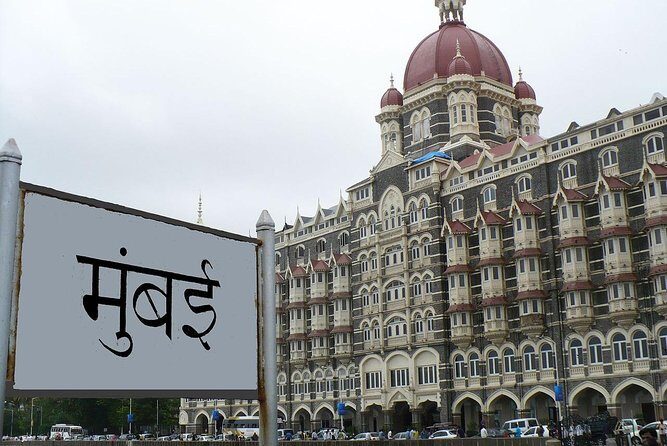
- Gateway of India: your waterfront orientation and first big story
- Fort / Kala Ghoda: older buildings with a street-level pulse
- Oval Maidan: cricket culture and serious city views
- St. Thomas Cathedral: a long-used church and a lassi break
- Chhatrapati Shivaji Terminus: film fame and hard history in the same place
- Markets, temples, and the “side streets” you’ll be glad you saw
- Snacks and brunch time: plan your budget, not your expectations
- Who this tour is best for (and who should skip it)
- The guide factor: what I’d bet makes the difference
- Practical notes before you go
- Should you book the Bombay Fort Heritage Walking Tour?
- FAQ
- How long is the Bombay Fort Heritage Walking Tour?
- Where does the tour start and when?
- What is included in the price?
- Is food included?
- Which stops are part of the itinerary?
- Do I need to pay admission tickets at the stops?
- Is it a small group tour?
Key highlights worth your attention
- Colaba start, 9:00 am departure, and you finish near Regal Cinema so you’re not planning your whole day around a far-off drop
- Gateway of India first for fast orientation on the waterfront and major maritime history
- St. Thomas Cathedral stop tied to a church in use since 1718, with a refreshment break nearby (lassi)
- Oval Maidan for real local rhythm, including the cricket culture and big views toward the University and courts
- Chhatrapati Shivaji Terminus context you can’t get from a postcard, including film connections and the 2008 attack history
- Maximum 25 people, with options for private or group formats depending on what you book
First step in Colaba: where the tour starts and why that matters
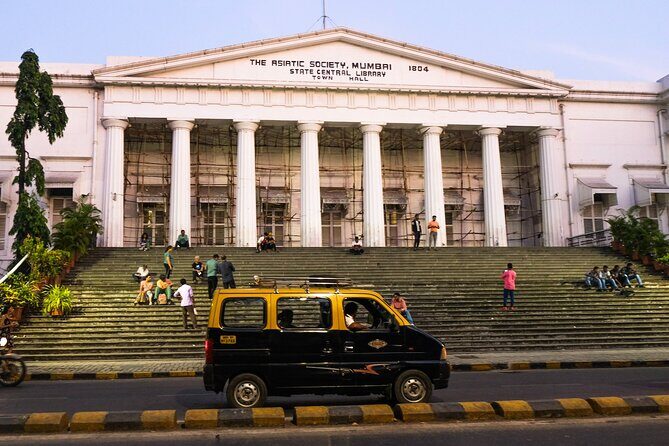
The tour meets at Regal Cinema, Colaba Causeway, right by the Chhatrapati Shivaji Maharaj Vastu Sangrahalaya (Apollo Bandar side). Departure is 9:00 am, and the walk runs about 3 hours, ending back near the start. That “back to the start” finish is a small detail that pays off. You stay in the same neighborhood cluster, so you can keep exploring without a complicated transit plan.
Also, no hotel pickup is listed. So you’re building your own path to the meeting point, which is usually a plus in a city like Mumbai where traffic can scramble timing. If you’re using public transportation, you’re in good shape because the meeting point is described as near public transportation.
Finally, check your footwear and clothing before you go. You’ll be on foot for most of the morning, so comfortable shoes matter. And when temples are part of the route, modest dress is required. It’s a simple rule, but it saves you from last-minute outfit problems.
You can also read our reviews of more walking tours in Mumbai



The price and what you actually get for $29.21
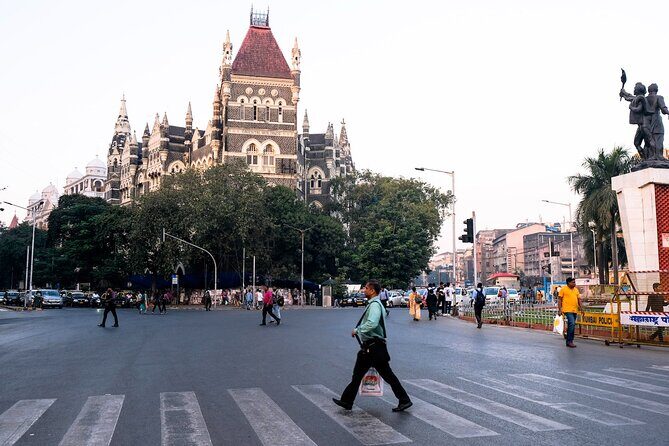
At $29.21 per person (with an average booking window of about 9 days ahead), this tour is priced like a value-focused walking experience rather than a premium museum day. The real reason it feels like good value is that it includes a local guide for the entire tour plus a water or cold drink.
That guide piece matters in South Mumbai. Without context, you can walk past famous-looking buildings and still miss how they connect to politics, religion, and daily life. With the guide, the stops become ordered, meaning you come away with a map in your head, not just a set of names.
One more value angle: the itinerary lists admission ticket: free for the highlighted stops. That won’t cover every possible site you pass on your own, but it does suggest you’re not paying surprise entrance fees for the core landmarks in the route.
How the walking route feels in real life
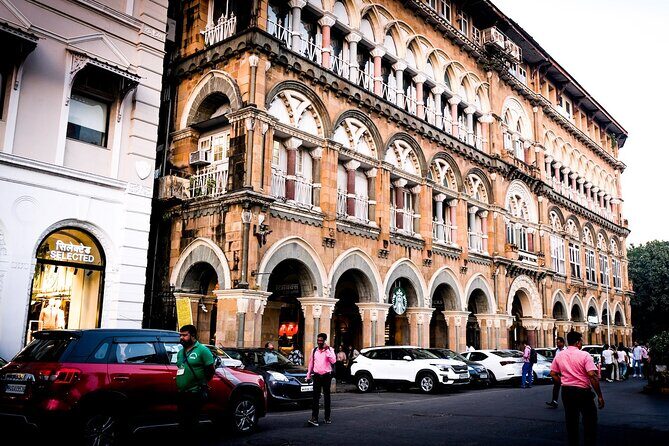
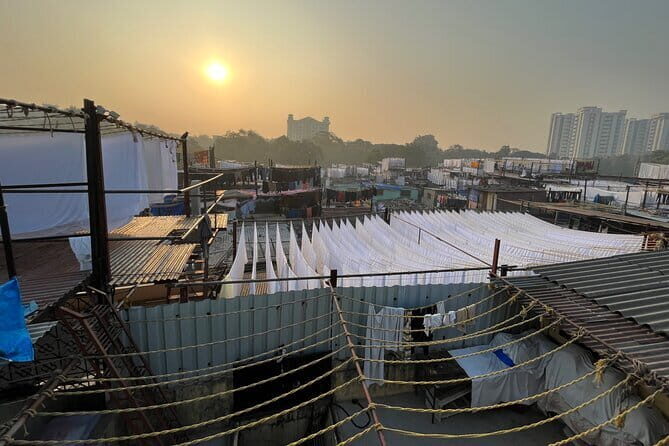
This tour is built around a pattern: pause frequently, look closely, then get back on your feet. You’re not just watching from the sidewalk. You’ll stroll down back alleys, pass neighborhood temples, and move through market areas in Colaba and South Mumbai.
The description also points to local rhythm beyond monuments. You might see residents, including people relaxing at the cricket maidan and hanging out in nearby restaurants. That’s the stuff that makes South Mumbai feel lived-in, not staged for visitors.
There’s also a notable “you might get lucky” element: the route may include a possible visit to a family home. That’s not guaranteed, but the fact it’s on the plan is a sign the tour isn’t only about big landmarks. If you care about the real India you can’t pick up from a guidebook alone, this is the kind of addition that can make your morning feel more human.
Stop by stop: what you’ll see and what to watch for
Gateway of India: your waterfront orientation and first big story
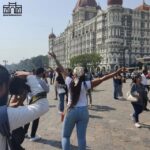
Your first major stop is the Gateway of India, positioned on the waterfront of Southern Mumbai. The architecture blends Hindu and Islamic styles, and since 1924 it’s been a first sight for visitors arriving by boat.
When I look at a landmark like this, I try to notice how a city wants to be seen. The Gateway works like a visual handshake between Mumbai’s public face and its global connections. If you’ve ever seen photos of ships, arrivals, or the romantic idea of coastal travel, this is where that story gets grounded.
You’ll spend about 20 minutes here, and the itinerary lists free admission ticket for the stop. Use that time to orient yourself before the rest of the walk starts pulling you inland.
You can also read our reviews of more historical tours in Mumbai




Fort / Kala Ghoda: older buildings with a street-level pulse
Next you explore Fort / Kala Ghoda, a historic area where you’ll see some of Mumbai’s oldest and finest buildings. This is a good contrast to the Gateway stop: instead of a single monument moment, you get architecture you can read as you move.
Kala Ghoda is known for its character and streetscape, and a good walking guide is what turns “pretty buildings” into “now I get why these streets matter.” Look for design details, but also pay attention to how the streets feel in motion. That’s where heritage becomes practical.
Again, the planned time is about 20 minutes, and the stop notes free admission ticket.
Oval Maidan: cricket culture and serious city views
Then it’s Oval Maidan, a large park that’s popular for cricket at all times of day. This stop is more than a breather. It’s where you see Mumbai as a working city with daily rituals, not just a sightseeing schedule.
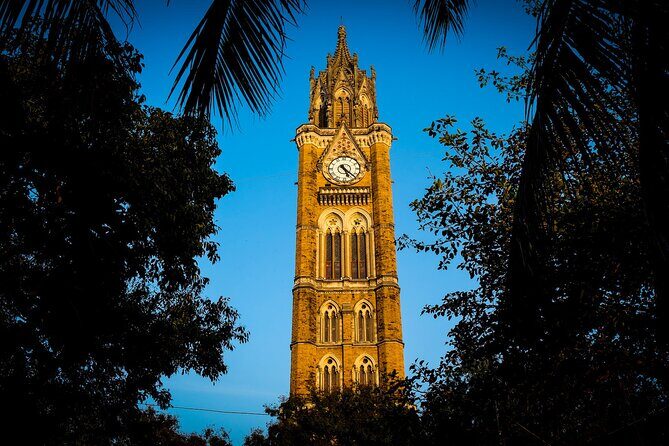
From here, you can also get views toward Mumbai University and its clock tower Rajabhai, plus Mumbai High Court. That matters because it shows how education, law, and civic life stack up in one area.
The itinerary gives another 20 minutes here and indicates free admission ticket. I’d use at least part of your time just to scan the skyline in both directions, because it helps you understand why Mumbai’s major institutions look the way they do in relation to street life.
St. Thomas Cathedral: a long-used church and a lassi break
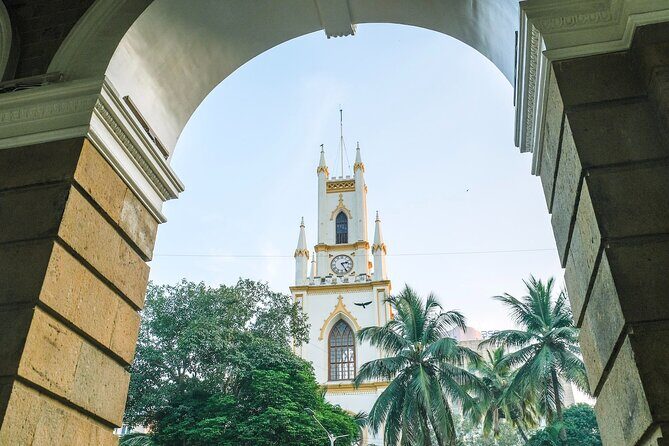
You’ll stop at St. Thomas Cathedral Mumbai, described as an Anglican church that’s UNESCO Heritage Award Winning and in use since 1718. It’s also one of Mumbai’s oldest churches.
This is a great stop if you like history that’s still actively used. A building that has been in service for centuries isn’t just architecture; it’s a living piece of religious continuity.
The plan also includes a refreshment break nearby: a lassi. That’s not “tourist dessert time.” It’s a practical reset while you keep walking through the morning heat and crowds.
You’ll get about 20 minutes at the cathedral, with free admission ticket listed for this stop.
Chhatrapati Shivaji Terminus: film fame and hard history in the same place
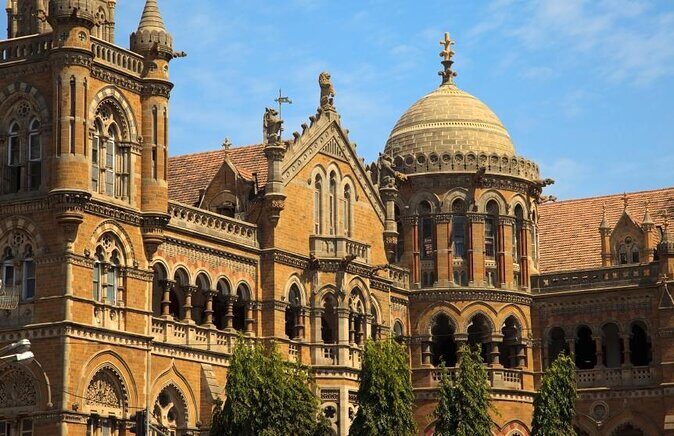
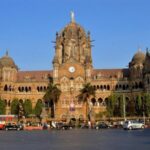
The tour’s final major landmark is Chhatrapati Shivaji Terminus (CST), a station famous in pop culture, including the movie Slumdog Millionaire. It’s also tied to the 2008 Mumbai attacks, when terrorists opened fire at the station.
This is the most emotionally weighty stop on the list. A good guide’s job here is not to sensationalize, but to explain why the station is important historically and architecturally, and why that 2008 event changed how people understand safety and public life in Mumbai.
The itinerary also notes that the structure is often compared to St Pancras. That’s helpful if you’re familiar with British architecture, because it gives you a mental framework for what to notice in the building’s style and scale.
You’ll have about 20 minutes here, with free admission ticket listed.
Markets, temples, and the “side streets” you’ll be glad you saw
Between the big landmark stops, the route is where the tour earns its name. You’ll walk through Colaba and South Mumbai with stops that can include local markets and neighborhood temples, plus the chance of a family home visit.
Here’s the practical value: the route helps you see what your phone camera can’t easily capture. Markets are not just colorful for photos; they’re where daily life happens. Temples show you how faith shapes public space. And back alleys often reveal how a heritage city functions day to day, not just how it looks from the main road.
Also, you’ll get time to ask questions about Mumbai history and daily life. That interactive part is often what turns a short tour into something you remember weeks later.
Snacks and brunch time: plan your budget, not your expectations
The tour description includes pauses for snacks and a laid-back brunch-style chat time afterward. But the listed inclusions do not mention food. So the practical takeaway is this: treat food as something you’ll handle yourself at the pauses, not something covered.
That’s not a deal-breaker. It can actually be a nice way to stay flexible. You can choose what looks good in the moment, and you can tell your guide if you have preferences. Just make sure you carry enough cash or payment options for your own meal or drink.
In at least one review, a guide helped make the refreshment moment memorable, including fresh sugar cane juice at the top (as part of the stop experience). Even if you don’t pick the same thing, those kinds of locally common drinks and snacks are often the highlight for people who like food that feels tied to place.
Who this tour is best for (and who should skip it)
This is a strong fit if you want:
- Architecture and history without a full museum day
- A walking pace that still includes time to talk
- South Mumbai sights plus neighborhood texture through markets and temples
- A guide who gives context, with at least one standout guide named Chetan for being both friendly and detailed
It may be less ideal if you:
- Want a fully seated, slow-paced experience with long stops
- Expect food to be included (it isn’t listed as included)
- Have trouble with 3 hours of walking and standing, plus occasional temple area etiquette like modest dress
The guide factor: what I’d bet makes the difference
A big reason this tour performs well is the guide emphasis. You’re getting a local guide for the entire tour, which means you’re not just moving between landmarks—you’re connecting them.
One review praised a guide named Chetan for being knowledgeable and friendly and for taking time to discuss history and buildings in a way that felt personal. Even if your guide isn’t the same person, the structure suggests you’re selecting a tour that centers story and explanation, not just route management.
If you’re the kind of traveler who enjoys asking questions, this tour is built for you. It’s also capped at 25 travelers max, which usually makes it easier to hear and interact.
Practical notes before you go
- Bring comfortable shoes.
- Dress modestly when temples are part of the route.
- Expect about 3 hours of walking with multiple landmark pauses.
- Bring a little money for snacks or brunch, since food isn’t included.
- This is a mobile ticket experience, and you’ll receive confirmation at booking.
If you want to be extra prepared, arrive a bit early at Regal Cinema. In Colaba, that little buffer helps you find your group without stress.
Should you book the Bombay Fort Heritage Walking Tour?
If your goal is to get your bearings in South Mumbai and understand what you’re looking at, I think this is an easy yes. The combination of major landmarks (Gateway of India, Oval Maidan, St. Thomas Cathedral, Chhatrapati Shivaji Terminus) with neighborhood markets, temples, and side streets gives you more than a checklist. And the simple comfort add-on of a water or cold drink makes a short morning walk feel more pleasant.
I’d skip it only if you want food included, or if 3 hours of walking doesn’t sound good for you. Otherwise, it’s a smart way to spend a morning in a part of Mumbai where history isn’t only in buildings. It’s in how people move, pray, play cricket, and live alongside the monuments.
FAQ
How long is the Bombay Fort Heritage Walking Tour?
The tour lasts about 3 hours.
Where does the tour start and when?
It starts at Regal Cinema, Colaba Causeway (opposite Chhatrapati Shivaji Maharaj Vastu Sangrahalaya), Apollo Bandar, Colaba, Mumbai, with a 9:00 am departure. It ends back near the meeting point.
What is included in the price?
Included items are a local guide for the entire tour and water/cold drink.
Is food included?
No. Food is not included.
Which stops are part of the itinerary?
The main listed stops are Gateway of India, Fort/Kala Ghoda, Oval Maidan, St. Thomas Cathedral Mumbai, and Chhatrapati Shivaji Terminus.
Do I need to pay admission tickets at the stops?
The itinerary notes admission ticket free for the listed stops.
Is it a small group tour?
Yes. The tour has a maximum of 25 travelers, and there are options for private or group formats.