REVIEW · MUMBAI
Private Mumbai 25 sights in one tour as recommended by Gigi Hadid
Book on Viator →Operated by No Footprints · Bookable on Viator
Mumbai can feel like a whirlwind. This private 25-sight half-day tour helps you get your bearings fast with a professional local guide, hotel pickup, and comfortable private-vehicle transport—so you’re not trying to win a navigation battle while seeing the big landmarks. I especially like the way the route stitches together major colonial-era highlights with everyday city life, and I like that it’s paced for a short window (about 3 to 4 hours) without feeling like you’re sprinting every minute. One drawback to plan around: the stops are mostly brief, so you’ll see plenty, but you won’t have long, slow time inside every building.
In the middle of all those landmarks, you get the human scale stuff: the lunch delivery system connected to Churchgate, and the open-air laundry at Dhobi Ghat. There’s also a real storytelling focus that shows up in the guide-led experience—one review I read highlighted a guide named Krupesh and praised the car as comfortable and clean, plus the stories that made the city click. Still, if you’re the type who wants to linger for photos and quiet moments at each spot, you may feel slightly rushed on a day structured around 25 stops.
In This Review
- The 25-sight highlights to expect (in plain terms)
- Why this private 25-sight half-day tour makes sense for first-timers
- Comfort and routing: private vehicle with hotel pickup, plus short walks
- The day’s story arc: from British-era grandeur to daily Mumbai work
- Stop 1: Gateway of India (the iconic start point)
- Stop 2: Statue of Chhatrapati Shivaji Maharaj (a powerful contrast)
- Celebrity hotel drive-by (old landmark with modern fame)
- Royal Mumbai Yacht Club (history in street geometry)
- Stop 3: Maharashtra Police Headquarters (John Lockwood Kipling thread)
- Stop 4: Wellington Fountain (water + empire memory)
- Stop 5: National Gallery of Modern Art (contemporary Mumbai chapter)
- Stop 6: Kala Ghoda Art Precinct (where stories stack up)
- Stop 7: David Sassoon Library and Reading Room (mechanical institute to library)
- Stop 8: University of Mumbai Library (arches that make you pause)
- Stop 9: Rajabai Clock Tower (Mumbai’s Big Ben)
- Stop 10: Bombay High Court Principal Bench (German-castle style and legal history)
- Stop 11: Oval Maidan (cricket practice ground)
- Stop 12: Churchgate Railway Station (the lunch delivery reality check)
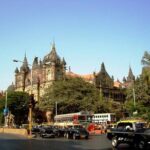
- Stop 13: Chhatrapati Shivaji Terminus / CST (Victoria Terminus in a new identity)
- Stop 14: Marine Drive (sea views and an instant mood shift)
- Stop 15: Mani Bhavan Gandhi Museum (ticket included)
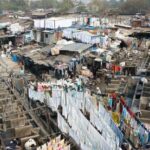
- Stop 16: Dhobi Ghat (the open-air laundry “human washing machines”)
- The extra film, food, and Independence stops (all quick, but specific)
- Price and value: $83.25 for 25 sights, and what you’re really paying for
- Who this tour is best for (and who might not love it)
- A quick, realistic plan for your half day
- Should you book this private Mumbai 25-sight tour?
- FAQ
- What’s the tour duration?
- What time does the tour start?
- Is hotel pickup and drop-off included?
- Is this tour private?
- How much does it cost?
- What’s included besides the guided sightseeing?
- Is food included?
- Which admission fees are included?
- Are there extra costs for pick-up from suburban hotels?
- Does the tour run during the Mumbai Marathon?
The 25-sight highlights to expect (in plain terms)
- Hotel pickup and drop-off keeps the day easy, even if you’re staying a bit outside the center
- A pro local guide turns landmark hopping into a coherent story of old Mumbai and how people live now
- Colonial Mumbai focus hits Gateway of India, the Rajabai Clock Tower zone, and the Victorian-era rail culture
- Hands-on city life stops include Dhobi Ghat (laundry work you can watch) and lunch delivery logistics tied to Churchgate
- Landmark-to-landmark pacing means lots of variety, but usually shorter time at each stop
- Mani Bhavan Gandhi Museum included so you get at least one meaningful museum block without extra ticket hunting
Why this private 25-sight half-day tour makes sense for first-timers
If you’re visiting Mumbai for the first time with limited time, this kind of “big-picture” tour is a smart move. You’re not just checking boxes—you’re moving through neighborhoods and landmarks that explain why the city developed the way it did.
What makes it work is the balance: you get the famous symbols (Gateway of India, Chhatrapati Shivaji Terminus, Marine Drive) and you also get the working-city details (Dhobi Ghat and the lunch delivery system). That mix matters because Mumbai isn’t only monuments. It’s people, routines, and commerce running alongside heritage buildings.
Also, the private-vehicle setup is a practical win. You’re not weaving through traffic by yourself with an uncertain route, and you’re not stuck waiting on other groups. One review called out that the car was comfortable and clean, and that’s exactly what you want when you’re doing a half-day sprint of sights.
You can also read our reviews of more private tours in Mumbai


Comfort and routing: private vehicle with hotel pickup, plus short walks

This is a private tour/activity, so only your group participates. You’ll use a private vehicle for transport between stops, and you’ll have hotel pickup and drop-off as part of the package.
The itinerary runs on a half-day rhythm: quick stops for photos and context, then back into the vehicle for the next cluster. Expect a lot of “5 minutes here, 10 minutes there” moments. That’s not a flaw—it’s the whole design. The goal is to give you a guided overview so later, if something grabs you, you’ll know where to return on your own.
One practical consideration: if you’re in a more suburban hotel, the tour notes that there may be additional transport cost for pick-up from suburban Mumbai hotels. It’s worth confirming early, because that’s the only cost-related surprise hinted at in the data.
The day’s story arc: from British-era grandeur to daily Mumbai work
The sequence you’ll follow can shift based on traffic, but the spine is consistent: you start with the tourism emblem, then move into other major colonial-era landmarks, then toward seafront views, Gandhi, and the working-laundry reality of Dhobi Ghat.
Here’s what each stop adds—and what to watch for.
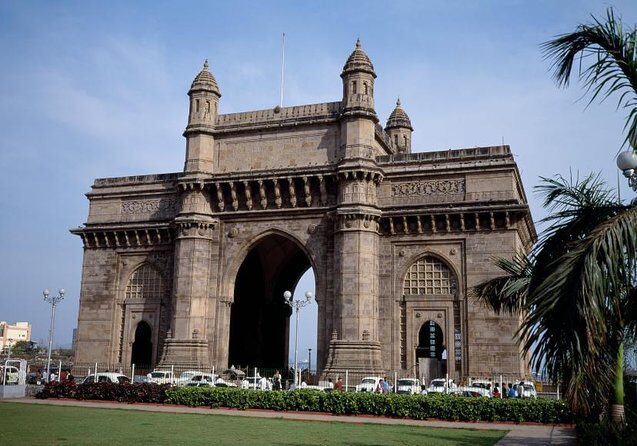
Stop 1: Gateway of India (the iconic start point)
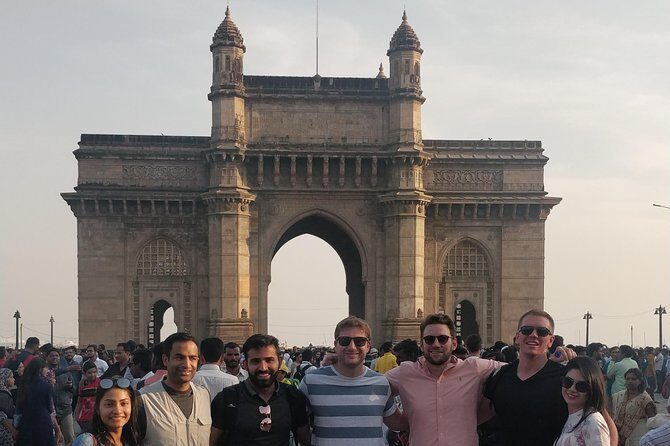
You begin at the Gateway of India, the victory arch built to welcome the British Queen to the city. Even if you’ve only seen photos, the size and symbolism hit differently in person.
Time on this stop is brief (about 5 minutes), but you’ll be set up for the rest of the tour because the Gateway area is your visual cue for how “official” Mumbai looked during the colonial period.
Value tip: If it’s bright out, plan a quick photo, then look around at how the area connects to the rest of the waterfront world.
Stop 2: Statue of Chhatrapati Shivaji Maharaj (a powerful contrast)
Next is the Statue of Chhatrapati Shivaji Maharaj, honoring Shivaji—a brave Maratha king who fought against the Mughals.
This stop works well right after the Gateway because it shifts the tone from colonial arrival symbolism to Indian historical pride. It’s short (around 10 minutes), but it gives the tour a “who owned this story” balance.



Celebrity hotel drive-by (old landmark with modern fame)
The itinerary includes a drive past a historic hotel that has hosted figures like Barack Obama and the Beatles, and it’s described as century-old. The key point here isn’t luxury gossip—it’s that Mumbai’s heritage spaces have remained important through changing eras.
Because this is a pass-by, don’t expect time to go inside.
Royal Mumbai Yacht Club (history in street geometry)
You’ll also pass the Royal Mumbai Yacht Club, noted as a club built by John Adams and Charles Stevens. The itinerary even notes it sits between Charles and Adams Street—a neat reminder that in cities like Mumbai, history is often written into the map itself.
Again, time is likely more about seeing it from outside than touring.
Stop 3: Maharashtra Police Headquarters (John Lockwood Kipling thread)
At the Maharashtra Police Headquarters, you get an architectural and institutional story. The notes say it was earlier associated with Mendham’s Point graveyard and the Alfred Sailors club. It also credits dexterous work by John Lockwood Kipling.
This stop can surprise you if you expected only scenic sights. It adds a layer of “Mumbai’s power buildings” and how civic institutions evolved.
Stop 4: Wellington Fountain (water + empire memory)
The Wellington Fountain at Wellington Circle commemorates Duke of Wellington, Sir Arthur Wellesley, tied to the Battle of Waterloo.
Fountain stops are quick in most itineraries, but they’re useful for two reasons: you see the colonial-era naming system, and you start spotting the street-corner geometry that recurs across the city.
Stop 5: National Gallery of Modern Art (contemporary Mumbai chapter)
The National Gallery of Modern Art is listed as a stop with admission free. This is your pivot from older colonial showpieces toward cultural institutions that still shape the city.
Expect this to feel less like a monument and more like a museum-quality pause—though the tour’s overall pace means it won’t be an all-day art crawl.
Stop 6: Kala Ghoda Art Precinct (where stories stack up)
Kala Ghoda Art Precinct is one of those places where you can’t “fake” the value. It’s described as the art area of Mumbai, with stories connected to Sassoon and Jewish history, plus the Watson Hotel, credited as the first iron-cast building in the city and a site that hosted Mark Twain.
Time here is longer than some stops (about 25 minutes), which helps. It’s a good zone for your brain to start organizing Mumbai by neighborhood identity.
What to watch for: architecture details and the way the precinct blends art history with immigrant-era narratives.
Stop 7: David Sassoon Library and Reading Room (mechanical institute to library)
Next is the David Sassoon Library and Reading Room. It’s described as an erstwhile mechanical institute that’s now a library overlooking Kala Ghoda.
Libraries are underrated tour stops because they teach you how a city reads itself. Even if you don’t go inside, the idea—industry turning into learning space—adds depth to the heritage theme.
This is a short stop (about 10 minutes), so keep expectations realistic.
Stop 8: University of Mumbai Library (arches that make you pause)
The University of Mumbai Library gets called out for its beautiful architecture and arches. The description even hints that the building makes you want to stay longer, which is exactly what you should look for: the “come closer” kind of architecture.
Time is around 15 minutes, with admission listed as free. This is a good place to slow your pace for a minute, even in a fast tour.
Stop 9: Rajabai Clock Tower (Mumbai’s Big Ben)
The Rajabai Clock Tower is described as the Big Ben of Mumbai, built with generous donation from Premchand Roychand. It also notes that it chimes old British tunes every 15 minutes.
This is one of those stops where you might catch the clock rhythm. Even if you don’t hear the chimes, the visual reference helps you understand why people make comparisons to London.
Stop 10: Bombay High Court Principal Bench (German-castle style and legal history)
The Bombay High Court Principal Bench is described as built in the form of a German castle. The notes also mention an important legal shift: it was in this court that the jury system was abolished.
If you like “how systems work” history, this is a memorable stop. If you don’t, it can still be worth it because the architecture makes it stand out.
Stop 11: Oval Maidan (cricket practice ground)
You walk through Oval Maidan, a cricket-practice space for aspiring players. It’s a quick stop (about 10 minutes), but it adds a key Mumbai ingredient: sport as daily training culture.
Practical note: This is an easy photo moment, especially if there’s any practice happening.
Stop 12: Churchgate Railway Station (the lunch delivery reality check)
This stop connects to the city’s famous lunch delivery system: the dabbawalas (noted as shut on weekends) sending over 500,000 lunch boxes daily with precision.
The tour also links this to consultants and business schools studying the process, which tells you why this isn’t just a quirky tradition—it’s treated like a logistics model.
Time is about 15 minutes. You’re not here to watch every operation start to finish, but you’ll understand the scale and the choreography.
Stop 13: Chhatrapati Shivaji Terminus / CST (Victoria Terminus in a new identity)
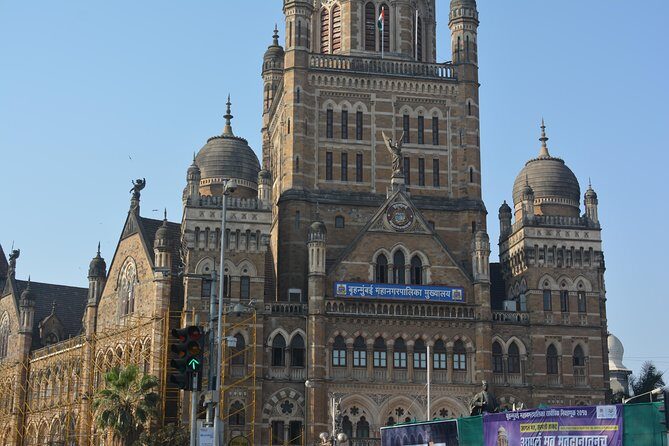
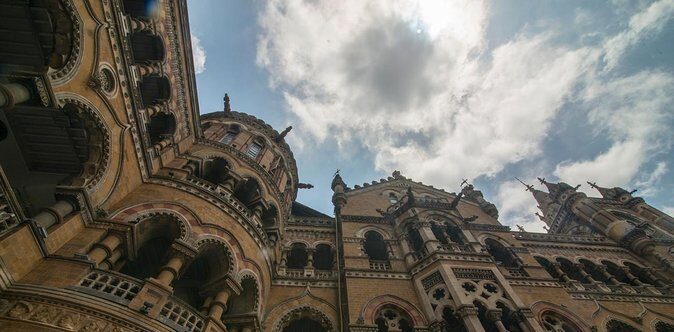
The Chhatrapati Shivaji Terminus (CST) stop is framed as possibly the most architecturally stunning building in India, with a daily footfall noted around 660,000. It’s listed as the busiest station in Mumbai.
This stop is about 15 minutes, so think of it as “see the drama, learn why it matters, take a clean photo.” The best value here is how the guide connects architecture to how the city moves.
Stop 14: Marine Drive (sea views and an instant mood shift)
You’ll relish the view from Marine Drive. This stop is only about 10 minutes, but it’s still worth it because it changes the temperature of the day. After dense heritage and institutions, you get air and horizon.
If the weather is good, it’s one of your most relaxing moments.
Stop 15: Mani Bhavan Gandhi Museum (ticket included)
Here’s the one museum stop that’s explicitly included: Mani Bhavan Gandhi Museum, with about 20 minutes allocated.
The focus is Gandhi’s life, and the key value is that this isn’t just a statue-and-pose stop. It gives you a personal story, and it breaks up the architecture-heavy stretch.
If you only have a half day, having this ticket included saves you time and hassle.
Stop 16: Dhobi Ghat (the open-air laundry “human washing machines”)
You finish the core cultural arc at Dhobi Ghat—described as open-air laundry where you can watch laundry work at close range.
This is a short stop (about 5 minutes), but it tends to be one of those places people remember because it’s real work, not a staged performance.
Bring your expectations in check: this isn’t a quiet museum corner. It’s a working space, and the focus is observing the process, not expecting a polished visitor experience.
The extra film, food, and Independence stops (all quick, but specific)
After Dhobi Ghat, the itinerary includes several other stops described by theme rather than by long explanations in the data:
- An Art Deco structure linked to Bollywood queen Zubeida
- A stop at the most iconic cinema in the city (name not provided in the info, but the theme is clear)
- A Wayside Inn that became Punjab Grill, tied to the habit of a prominent person in India’s history (the specific person isn’t named in the data)
- A place where Mumbai raised India’s flag for the first time after Independence
These are short “context hits.” They work best if you enjoy quick cultural snapshots—especially if you’re using this tour to decide what you want to go deeper on later.
Price and value: $83.25 for 25 sights, and what you’re really paying for
At $83.25 per person, this is priced like a smart add-on for people who value time. You’re paying for:
- Private transport via a comfortable vehicle
- Hotel pickup/drop-off (a big deal in a city with sprawling distances)
- A professional guide who can connect the dots between stops
- All fees and taxes included, plus free admission for the listed attractions
- One included ticket (Mani Bhavan Gandhi Museum)
A lot of tours sell “sightseeing.” This one sells ordering. The city becomes easier to understand because the route puts connected landmarks next to each other: fort-era and colonial symbols, civic buildings, rail architecture, then everyday work, then Gandhi, then the sea.
You should compare value based on your own style:
- If you like structure and want a curated orientation day, this feels like a good deal.
- If you don’t care about guided context and just want wandering time, you might find cheaper DIY options.
Who this tour is best for (and who might not love it)
This is a strong fit if you’re:
- visiting Mumbai for the first time
- short on time but want a broad, practical orientation
- interested in colonial-era architecture plus everyday city life
- the kind of traveler who benefits from a guide doing the storytelling work
It may be less ideal if you:
- want long museum time at multiple stops
- get annoyed when you’re in-and-out quickly
- plan to do intense photography at every location without time pressure
The “good weather” note matters too. The experience is described as requiring good weather, so you’ll likely want to schedule this with flexibility.
A quick, realistic plan for your half day
To make the most of the route:
- Wear comfortable shoes. A lot of stops involve short walking segments.
- Bring water and basic sun protection. The tour is compact, so you’ll still be exposed between vehicle rides.
- Keep one flexible mindset: you’ll see a lot, but you’ll return later if something genuinely interests you.
Also, since the start time is 9:30 am, you’ll feel the tour energy early. That’s not bad. It’s often the easiest way to beat crowds and get better light.
Should you book this private Mumbai 25-sight tour?
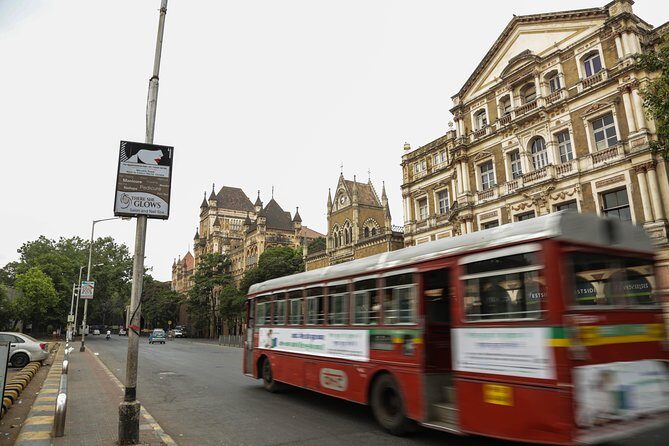
Yes—if you want a confident first-day overview. This tour is built for efficient orientation: landmark variety, guide-led storytelling, and the practical advantage of hotel pickup with a private vehicle. The value is strongest when you treat it as your “map with context,” not as a one-time deep museum day.
Skip it or rethink if your travel style is slower and you prefer long stays in fewer places. In a route that hits 25 sights, you’ll be sightseeing at the pace of a half day, not a full travel week.
If you’re deciding today, this is an especially solid choice because it’s rated 4.9 with a very high recommended rate (99%), and the standout feedback I saw centered on the guide and a clean, comfortable car—exactly the two things that turn a busy route into a good day.
FAQ
What’s the tour duration?
The tour runs for about 3 to 4 hours.
What time does the tour start?
The start time is 9:30 am.
Is hotel pickup and drop-off included?
Yes, hotel pickup and drop-off are included.
Is this tour private?
Yes. It’s described as a private tour/activity, and only your group participates.
How much does it cost?
The price is $83.25 per person.
What’s included besides the guided sightseeing?
It includes transport by private vehicle, a professional guide, all fees and taxes, and a mobile ticket.
Is food included?
Food and drinks are not included unless specified.
Which admission fees are included?
Admission tickets are listed as free for many stops, and the Mani Bhavan Gandhi Museum ticket is included.
Are there extra costs for pick-up from suburban hotels?
The information notes additional transport cost may apply for pick-up from suburban Mumbai hotels.
Does the tour run during the Mumbai Marathon?
No. It isn’t conducted on the day of the Mumbai Marathon.