REVIEW · MUMBAI
Mumbai: Buddhist Kanheri Caves & optional Pagoda Temple trip
Book on GetYourGuide →Operated by Amaze Tours · Bookable on GetYourGuide
Buddhist stonework meets Mumbai nature. A trip like this pairs the Kanheri Caves with the Global Vipassana Pagoda, set inside Sanjay Gandhi National Park, so you get both archaeology and a modern meditation space. I especially like the guided storytelling that turns carvings and inscriptions into something you can understand, and I like how the day keeps moving without feeling rushed. The main thing to plan for is the climb: you’ll tackle more than 50 steps to reach the top area at Kanheri, and the tour isn’t suitable for mobility impairments.
What makes it work well in real life is the simple logistics: you’re picked up, driven in an air-conditioned car, and brought to the park entrance to start. Then you swap between caves, guided insights, and (if you choose it) a short ferry ride to the pagoda, with drop-offs back around Mumbai like Andheri or near the park area.
In This Review
- Key highlights at a glance
- Sanjay Gandhi National Park: a city park you can actually use
- Kanheri Caves guided walkthrough: basalt rock-cut Buddhism over 2,100 years
- The steps, shoes, and dress rules that affect your comfort
- Global Vipassana Pagoda: a modern meditation hall with ancient-scale presence
- How the guide and driver keep the day running (and why it matters)
- Time and flow: what the 3–7 hour window really feels like
- Price and value: $30 can make sense if you use what’s included
- Who this tour suits best (and who should pass)
- Should you book this Kanheri Caves and Pagoda trip?
Key highlights at a glance
- Sanjay Gandhi National Park in the middle of Mumbai: one of the most visited parks in the world, just inside the city’s reach.
- Kanheri Caves guided walk (about 2.5 hours): basalt rock-cut monuments connected to Buddhism over many centuries.
- Art and writing from long ago: sculptures, relief carvings, paintings, and inscriptions dated from the 1st century BC to the 10th century AD.
- Global Vipassana Pagoda (about 1 hour): a massive stone dome built without supporting pillars.
- Optional ferry ride to reach the pagoda: a quick water crossing included with the pagoda option.
- Local guide energy: guides like Ganesh and Alam are praised for clear explanations and keeping the day smooth, including in monsoon weather.
Sanjay Gandhi National Park: a city park you can actually use
Sanjay Gandhi National Park is one of those places that sounds like it should be a hassle, but it’s surprisingly practical from Mumbai. The key is that it sits inside the metropolis, yet it feels like a real nature stop once you’re inside. You’re not just visiting a monument on a street; you’re heading into a larger protected area.
This matters because the Kanheri Caves are tied to place. The caves are cut into a massive basalt outcrop and historically connected to the Black Mountain (Krishnagiri) area on Salsette. When you’re surrounded by the park setting, the sites feel less like random ruins and more like human stories that grew out of the landscape.
You can also read our reviews of more tours and experiences in Mumbai.



Kanheri Caves guided walkthrough: basalt rock-cut Buddhism over 2,100 years
Kanheri is the main event, and it’s well designed for a guided visit. You’ll spend about 2.5 hours with an English-speaking guide, which is a sweet spot for a site this dense. Without a guide, it’s easy to see rock-cut forms and move on; with guidance, you start noticing patterns—what’s carved, what’s written, and how different elements connect.
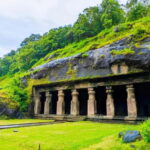
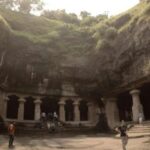
The caves are a group of rock-cut monuments carved into basalt. They were used for worship and learning tied to Buddhism on the Sanskrit Krishnagiri, meaning Black Mountain, on the island of Salsette. That description sounds poetic, but it translates into something concrete: a place where stone sculpture and religious practice lived side by side.
Look for the full range of visual material your guide points out. You can expect Buddhist sculptures and relief carvings, plus paintings and inscriptions. The dates span a huge timeline, from the 1st century BC to the 10th century AD—meaning you’re not just staring at one era. You’re looking at evidence of continued use and change over centuries.
A couple of practical benefits come from the guided format here. First, your guide helps you connect the objects you see to the bigger religious and cultural story, so the site clicks instead of staying abstract. Second, guides like Ganesh and Alam are specifically praised for making the explanation engaging—Ganesh in particular is noted as hilarious and highly informative, which is exactly what you want when you’re standing in the same stone face for a long time.
The steps, shoes, and dress rules that affect your comfort
Kanheri involves movement that you should treat seriously. You’ll need to climb more than 50 steps to reach the top of the caves, so comfortable shoes are non-negotiable. Even if you’re an active traveler, stone steps and uneven surfaces can be tiring in a park setting, so plan for slow, steady pacing.
You also need to know the small rules before you show up. Shorts are not allowed, so dress with covered legs in mind. You’ll also want sunglasses, especially because you’ll likely spend time outside before and after the cave areas.
One more note that affects your decision: the tour is not suitable for people with mobility impairments. If stairs are a problem for you or someone you’re traveling with, skip this one and look for an alternative that’s flatter and easier to access.
Global Vipassana Pagoda: a modern meditation hall with ancient-scale presence
If you select the pagoda option, you’ll head to the Global Vipassana Pagoda after Kanheri. The transfer uses a short ferry ride, and the ferry ticket is included with the pagoda add-on. That’s a nice change of scenery during the day and helps break up the time spent on land and inside stone spaces.
The pagoda itself is the kind of structure that makes you slow down without trying. It’s described as the world’s largest stone dome built without supporting pillars, and it’s also the largest meditation hall in the world. Those two facts matter because they explain what you’re seeing: the architecture is designed to create a huge, uninterrupted interior space for meditation, not just a big exterior monument.
You’ll spend around an hour here, which is enough time to understand the main features and experience the atmosphere. You won’t be racing through it, but it also won’t steal the whole day from the caves. For many visitors, this balanced pairing is the point: you get the historical depth of Kanheri and then the contemporary focus of a meditation hall.
One reason this stop stands out in a good way is the way some guides connect it to practice, not just sightseeing. In one experience, the group was able to meditate in the caves and learn how people used to meditate thousands of years ago. That kind of practical connection is what turns a monument visit into a lived experience.
How the guide and driver keep the day running (and why it matters)
The difference between a decent trip and a memorable one often comes down to the guide. In this case, guides like Ganesh and Alam are repeatedly praised for both knowledge and delivery. Ganesh is highlighted as super knowledgeable with lots of details for both Kanheri and the pagoda, while Alam is described as a true professional: on time, accommodating, and packed with insights.
There’s also a real-world factor that people underestimate: weather. One guide is described as an avid cloud reader who made a monsoon-season visit smoother. You can’t control storms, but a guide who reads the sky can help you time movement, keep you comfortable, and reduce unnecessary waiting.
Then there’s the driving side. A safe, punctual transfer makes the day feel easy, especially when you’re moving between park areas, ferry points, and drop-offs. Drivers like Muktar and Ranjit are specifically called out for safe driving, which is exactly the kind of detail that keeps the day from turning into a stress test.
Not every experience is perfect in content depth. One note says a guide could have shared a bit more about history and culture tied to the site. That doesn’t ruin the tour, but it’s a good reminder: if you’re the type who wants lots of background context, ask your guide questions early. The structure is built for explanation, so lean into it.


Time and flow: what the 3–7 hour window really feels like
This tour is offered in a broad 3–7 hours range because the pagoda option can change the pacing. Even at the shorter end, you still get a meaningful caves visit, since Kanheri is the main guided block.
The overall flow is designed so you’re not bouncing around Mumbai with zero support. You start at your pickup point (if you select it), then head to the Sanjay Gandhi National Park entrance gate to begin. After Kanheri, you either finish or continue to the pagoda with the ferry transfer. You’ll also have drop-offs back in Mumbai areas such as Andheri or the park area (Borivali National Park).
In plain terms: you’ll spend a lot of the day standing on stone steps and walking inside historic spaces, then shift to a calmer architectural stop at the pagoda. If you’re hoping for a low-activity “sit and watch” day, this isn’t that. If you like walking and learning, it’s a strong fit.
Price and value: $30 can make sense if you use what’s included
At about $30 per person, this isn’t a budget “just transport” option. It includes several key items that add up quickly in India: an air-conditioned vehicle, an English language guide, entrance fees to Kanheri and the national park, and a ferry ticket if you choose the pagoda.
That’s why the price can feel fair. You’re paying for more than the attractions; you’re paying for time that would otherwise be spent figuring out access, ticketing, and how to interpret what you’re seeing. The tour also skips ticket lines, which matters on popular days in a major park.
Value also depends on your priorities. If you want the pagoda, the added architecture and hour-long meditation hall visit make the package feel more complete. If you only want Kanheri, you still get the guided 2.5-hour experience that’s long enough to notice details, not just snap photos and leave.
Who this tour suits best (and who should pass)
This is a strong match if you’re:
- Interested in Buddhist art, inscriptions, and rock-cut architecture
- Happy to do some stairs and comfortable walking inside historic areas
- Traveling with a “show me what I’m looking at” mindset, not just a checklist mindset
- Short on time in Mumbai but still want a day that feels grounded in both nature and heritage
It’s not a great match if:
- Mobility limitations make stairs difficult (this tour isn’t suitable for mobility impairments)
- You prefer fully flat or low-walking itineraries
- You’re sensitive to outdoor sun and want minimal time outside (you’ll be outside around park access points)
Should you book this Kanheri Caves and Pagoda trip?
I’d book it if you want one well-paced day that connects ancient Buddhist stonework to a modern meditation space—without forcing you to manage transportation, tickets, or interpretation. The combination of Kanheri’s multi-century carvings and the pagoda’s huge pillar-free dome gives your brain two different ways to understand Buddhism: through art and through practice.
I’d think twice if stairs are a deal-breaker for you, or if you’re expecting a purely relaxed, minimal-walking tour. Also, if you want a heavier dose of cultural background, bring a few questions so your guide can tailor the story to your interests.
If you’re the kind of traveler who enjoys learning while walking—and you don’t mind a short climb—this is one of those Mumbai experiences that feels both meaningful and practical.