REVIEW · MUMBAI
Mumbai Private Full-Day Sightseeing Tour
Book on Viator →Operated by Mystical Mumbai · Bookable on Viator
Mumbai rewards the organized—then the curious. This full-day private tour strings together Gandhi’s story, major sea views, and UNESCO-listed architecture with a private air-conditioned vehicle and hotel pickup/drop-off. You get a guide to connect the dots as you move through Colaba and South Mumbai.
One watch-out: the tour is sold as private, but the vehicle and stops can get crowded if your departure has a lot of people, which can make boarding and hearing commentary harder. If that matters to you, it’s smart to ask how many guests will be in the car on your date.
With a tight 6-hour schedule and lunch left for you to handle, this works best when you’re ready to walk a bit and grab great photos fast.
In This Review
- Key things to know before you go
- What You Really Get in This 6-Hour Mumbai Loop
- Banganga Tank (1127 AD) and Flora Fountain: The City’s Earlier Layer
- Gateway of India and Colaba Sea Views: Big Arches, Real Place
- Mani Bhavan Gandhi Museum: A Stop With a Focus
- Jain Temple (Zodiac Dome) and CSMVS: Faith and Formal Museums Side by Side
- Chhatrapati Shivaji Terminus: UNESCO, Not Just a Station
- Marine Drive (Queen’s Necklace) and the Art of a Good Photo Stop
- Dhobi Ghat: See a Working Laundry, Not a Theme Park
- Hanging Gardens and Taj Mahal Palace Area: Green Space and Glamour Nearby
- Rajabai Clock Tower, David Sassoon Library, and Kala Ghoda: Mumbai’s Nerdy-Perfect Details
- Lunch Isn’t Included: How to Keep Energy Without Wasting Time
- Price and Value: Is $96.16 a Good Deal for This Much City Coverage?
- Should You Book This Mumbai Private Full-Day Sightseeing Tour?
- FAQ
- How long is the Mumbai Private Full-Day Sightseeing Tour?
- Is hotel pickup and drop-off included?
- What transportation is used during the tour?
- Are entrance fees included?
- Is lunch included in the price?
- What stops will I visit during the tour?
- Is there a group size limit?
- Can I cancel for a full refund?
Key things to know before you go
- Mani Bhavan’s Gandhi link (1917–1934): This is a focused, meaningful stop, not just a quick photo stop.
- UNESCO rail architecture at Chhatrapati Shivaji Terminus: You’ll see why this station is famous beyond train spotting.
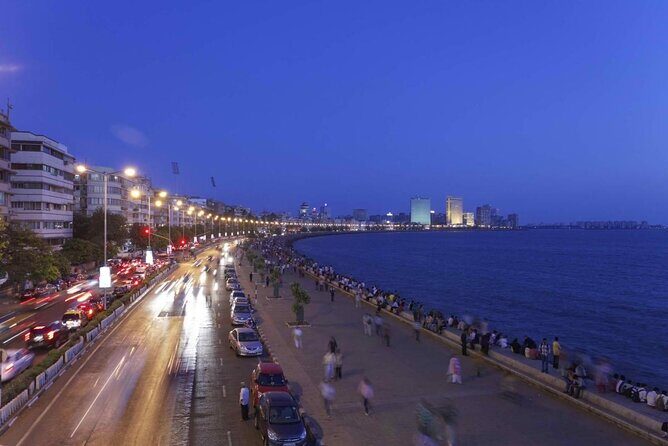
- Marine Drive and the Arabian Sea views: A classic promenade stretch called Queen’s Necklace.
- Dhobi Ghat, still operating after 140 years: It’s a working place, so you’ll want to watch respectfully.
- Mix of grand landmarks and smaller city details: Banganga Tank, Flora Fountain, and even Rajabai Clock Tower show Mumbai in layers.
What You Really Get in This 6-Hour Mumbai Loop
Think of this as a structured “greatest hits” day that still leaves room for interpretation. You’re traveling by private air-conditioned transport with a dedicated English-speaking guide, and you’re picked up and dropped back at your hotel.
At about 6 hours, the pacing is fast but not frantic—because the guide helps you prioritize what’s worth your time. The itinerary leans toward iconic landmarks, but it also includes the smaller, story-driven stops that make the city feel real instead of postcard-only.
The best part is that you’re not stuck figuring out routes, ticket lines, and crossing busy roads. When Mumbai traffic and crowds get intense, having someone who already knows the sequence can save your whole day.
You can also read our reviews of more private tours in Mumbai


Banganga Tank (1127 AD) and Flora Fountain: The City’s Earlier Layer
You start with Banganga, a Tank built in 1127 AD by Lakshman Prabhu, connected to the Silhara dynasty kings of Thane. What’s interesting is the detail that it’s spring fed, so the water stays sweet even though it’s not out in the countryside anymore.
Right after that comes Flora Fountain, built in 1864 and designed as a mix of water, architecture, and sculpture. It depicts the Roman goddess Flora, which is a reminder of how Mumbai’s colonial-era landmarks often borrow from European symbolism while sitting in an Indian urban context.
Practical note: these are typically shorter stops. Use the time to orient yourself—especially around Colaba and South Mumbai—so later landmarks feel connected, not random.
Gateway of India and Colaba Sea Views: Big Arches, Real Place

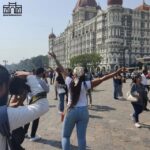
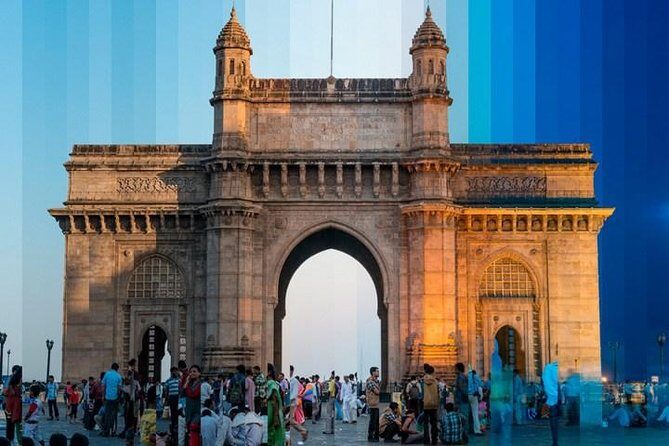
Then you hit Gateway of India, facing the Arabian Sea from Apollo Bunder in the Colaba area. It’s arguably Mumbai’s most recognizable exterior landmark, built around regal arches that look even more dramatic once you’re standing close enough to feel the scale.
This stop works because it’s not just about the structure. The surrounding area helps you understand why this spot became a magnet for ships, visitors, and ceremonial energy over time.
If you want photos, plan for quick positioning and a few tries—sea breeze is real and crowds form fast. Also, it’s one of the places where the guide’s context makes the view click faster.
Mani Bhavan Gandhi Museum: A Stop With a Focus
Mani Bhavan Gandhi Museum is the emotional center of the day. It’s dedicated to Gandhi and was the focal point of his political activities in Mumbai between 1917 and 1934. That specific time period matters: it’s a reminder this wasn’t vague inspiration; it was active organizing.
This is included as a museum visit, and it’s one of those stops where you’ll get more out of it by listening closely. A good guide helps you connect the building to Gandhi’s day-to-day work in the city, not just his famous speeches.
If you’re even mildly interested in India’s freedom movement, this is the kind of stop that makes the rest of Mumbai’s landmarks feel less like monuments and more like a lived story.
Jain Temple (Zodiac Dome) and CSMVS: Faith and Formal Museums Side by Side
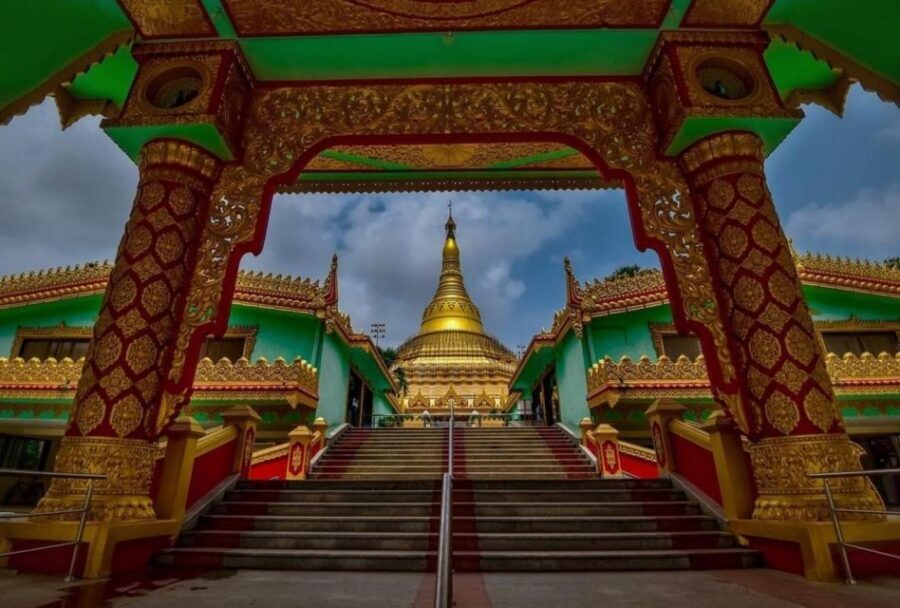
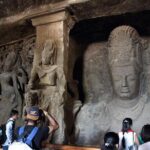
After Gandhi, the tour shifts to spirituality with a visit to a Jain temple in Mumbai. You’ll see intricate stone carvings and a dome painted with the zodiac, which is a striking combo of artistry and symbolic design.
Then you move toward museums tied to empire-era collections and later re-framing. One major museum stop is Chhatrapati Shivaji Maharaj Vastu Sangrahalaya (CSMVS), formerly known as the Prince of Wales Museum of Western India. Even if you skip some galleries, simply being in a major museum building in Mumbai can help you understand the city’s identity as a place that collects, displays, and re-reads cultures.
Tip: museums can be hit-or-miss if you’re tired. If you’re starting to flag, pick one thing you truly want to see and let that be your win.
You can also read our reviews of more tours and experiences in Mumbai




Chhatrapati Shivaji Terminus: UNESCO, Not Just a Station
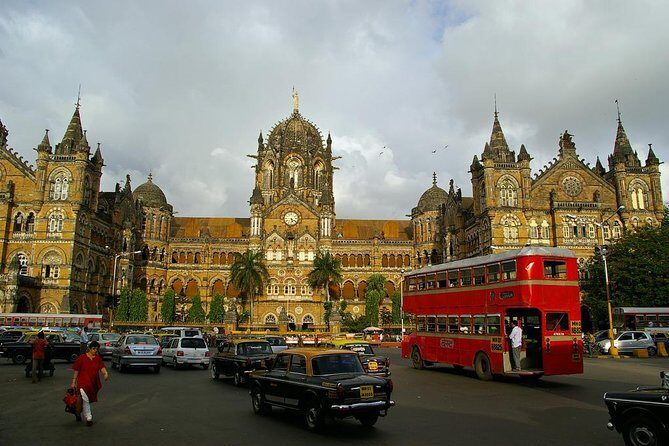
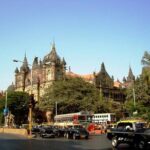
Next up is the UNESCO World Heritage site: Chhatrapati Shivaji Maharaj Terminus (formerly Victoria Terminus). Even people who don’t care about trains usually pause here—because the architecture has energy. It’s a working station, but it’s also a major historical landmark you can’t fully appreciate from a distance.
You’ll get around 30 minutes here. That’s enough time to look up, notice the details, and understand why UNESCO put it on the list.
If you’ve ever wanted to see how cities express power through infrastructure, this is one of the best places to do it. The building says a lot about ambition, design, and how the movement of people shapes a place.
Marine Drive (Queen’s Necklace) and the Art of a Good Photo Stop
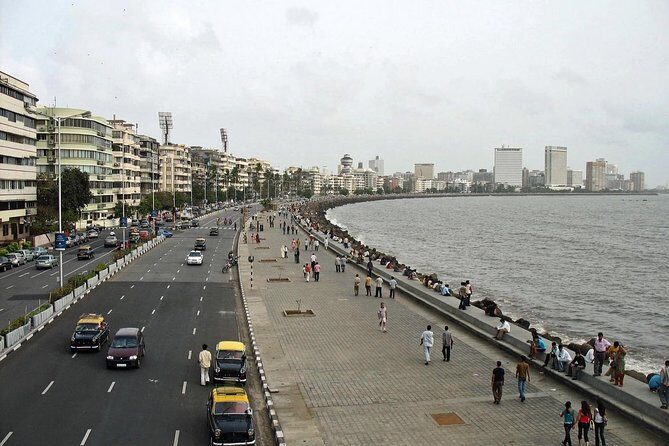
You’ll then cruise through Marine Drive, the sea-facing promenade often nicknamed the Queen’s Necklace. It runs about 3 kilometers, starting at Nariman Point and going on toward Babulnath, giving you a long stretch of ocean views.
This is one of those stops where the timing can dramatically change the feel—bright day versus softer light makes a different atmosphere. The tour doesn’t promise a specific time of day for this segment in the details provided, so I’d treat it as a “get your best view while you’re there” stop rather than a strict sunset guarantee.
Bring patience: this is a popular sightseeing strip, so you’ll need to step aside for better angles. The guide’s local context can also help you understand what you’re seeing beyond the nickname.
Dhobi Ghat: See a Working Laundry, Not a Theme Park
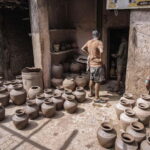
Dhobi Ghat is where the day becomes more grounded. This 140-year-old dhobi ghat is described as Mumbai’s biggest human-powered washing operation, where hundreds of people wash thousands of kilograms of soiled clothes every day.
The key thing for you: treat this as a real workplace. You’re not there for a show; you’re there to observe with respect.
You’ll have around 25 minutes. That’s plenty to notice the scale, understand the process, and take one or two photos—then move on before the area gets too overwhelming.
Hanging Gardens and Taj Mahal Palace Area: Green Space and Glamour Nearby
Next is Hanging Gardens, a well-maintained garden area with pathways, a flower clock in the center, and animal-shaped hedges. It’s one of those “pause and breathe” stops that breaks up the heavier sights.
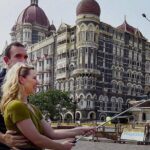
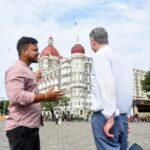
From there, you’ll pass by the Taj Mahal Palace Hotel area. The hotel is a heritage five-star property in Saracenic Revival style in Colaba, built with distinctive architectural flair that makes the surrounding streets feel more cinematic.
This stretch is also useful for a mental reset. After temples, stations, and laundry life, a garden and a grand hotel façade give you emotional variety without adding too much travel time.
Rajabai Clock Tower, David Sassoon Library, and Kala Ghoda: Mumbai’s Nerdy-Perfect Details
In the final stretch, you’ll get smaller but memorable landmarks. Rajabai Clock Tower was built by Sir Gilbert Scott and modeled on Big Ben in London. It’s a quick stop, about 10 minutes, but clocks and tower details have a way of making you notice the city’s design influences.
You’ll also see the David Sassoon Library, a heritage structure conceived by Albert Sassoon. And then you’ll move toward Kala Ghoda, a creative area known for designer cafes, indie galleries, and sidewalk art stalls.
These stops are great if you enjoy street-level culture. They’re not as “must-see” as the Gateway or Taj, but they help you picture what Mumbai feels like when you’re not just looking at the most famous postcard.
Lunch Isn’t Included: How to Keep Energy Without Wasting Time
Lunch isn’t part of the tour cost. That’s not a deal-breaker, but it does affect your day plan.
At about 6 hours total, you’ll likely either grab something close to a stop or eat after you’re back. If you’re sensitive to long gaps between meals, carry a small snack and water. Also, keep in mind Mumbai can be warm; dehydration sneaks up fast.
The guide and route planning help, but you still want to avoid turning one missed lunch into a whole-day slowdown.
Price and Value: Is $96.16 a Good Deal for This Much City Coverage?
At $96.16 per person for roughly 6 hours, the value depends on what you’d otherwise spend to do the same day on your own.
You’re paying for:
- Hotel pickup and drop-off
- A private air-conditioned vehicle
- A private English-speaking guide
- Entrance fees being handled for key stops
If you tried to reproduce this independently, you’d spend time on sorting transport, figuring out ticketing, and managing the sequencing across busy areas. Mumbai traffic and road crossings can also make a DIY plan feel longer and more tiring than the clock suggests.
The honest drawback is that “private” can be misunderstood. One caution from past departures is that your group size on the ground can be larger than the word private implies, which can make the vehicle feel cramped and commentary harder to hear. If that’s a concern, ask the operator before you go how many people are typically in the car and whether audio is clear for everyone.
Still, when you want a guided day that hits major anchors—Gandhi, UNESCO rail, sea views—and includes entrance fees, this price generally feels fair for the workload.
Should You Book This Mumbai Private Full-Day Sightseeing Tour?
Book it if you want:
- A structured day that covers major highlights without the stress of planning
- A guide to explain what you’re seeing, especially at Mani Bhavan
- A mix of iconic sights and working-life stops like Dhobi Ghat
Skip it or choose another option if:
- You strongly need a quiet, low-crowd experience. The tour can become logistically tough if your departure is larger and boarding at stops becomes harder.
- You don’t want any sensory intensity. Dhobi Ghat is a working site, and it can feel busy and unfamiliar in a hurry.
My best advice: message the provider after booking and ask one direct question—how many people will be in your vehicle on your date. It’s a small step that helps you get the comfort you’re paying for. If the answer looks good, you’ll get an efficient day that captures a lot of what makes Mumbai feel like Mumbai.
FAQ
How long is the Mumbai Private Full-Day Sightseeing Tour?
The tour runs for approximately 6 hours.
Is hotel pickup and drop-off included?
Yes. Hotel pickup and drop-off are included.
What transportation is used during the tour?
You travel by private air-conditioned vehicle.
Are entrance fees included?
Yes. Entrance fees are included, and the Mani Bhavan Gandhi Museum admission is specifically listed as included.
Is lunch included in the price?
No. Lunch is not included.
What stops will I visit during the tour?
The itinerary includes Banganga, Flora Fountain, Gateway of India, Mani Bhavan Gandhi Museum, a Jain temple, Chhatrapati Shivaji Terminus, Marine Drive, Dhobi Ghat, Hanging Gardens, Taj Mahal Palace area, David Sassoon Library, Kala Ghoda, Rajabai Clock Tower, and CSMVS (Chhatrapati Shivaji Maharaj Vastu Sangrahalaya).
Is there a group size limit?
The tour has a maximum of 50 people.
Can I cancel for a full refund?
Yes. Free cancellation is available up to 24 hours before the experience starts for a full refund.