Mumba’s temples make one nonstop learning day. This private, full-day circuit gives you five major temples plus a local guide, so you’re not just looking at carvings—you understand what you’re seeing. I especially liked the hotel/airport pickup in a private air-conditioned vehicle and the way the guide connects each stop to a specific Hindu deity and temple style. The main consideration is time and attire: temples are strict about covered clothing and you’ll remove shoes, so plan for that.
You start around 9:30am and you’re back late afternoon, with a steady rhythm that still leaves breathing room for photos. You also get bottled water, and since admission tickets are listed as free for these stops, most of your spending is simply your own lunch. If you’re short on time in Mumbai, this is one of the most efficient ways to see a lot of sacred architecture without doing it hopscotch-style on your own.
In This Review
- Key points you’ll care about
- Why this private temple tour works so well for your day
- Balbulnath Temple: Shiva on a hill with Arabian Sea views
- Mahalakshmi Temple: 1831 devotion and Adi Shakti forms
- Shree Siddhivinayak: Ganesh with a gold roof and carved doors
- Lunch on your own: how to eat well without losing the day
- Mumba Devi Temple: the deity behind Mumbai’s name
- ISKCON Temple in Juhu: a different style with Krishna devotion
- Price and logistics: what $116 buys you in real terms
- Dress code, shoes, and your comfort plan for temple visits
- Who should book this Mumbai temple tour
- Should you book? My honest take
- FAQ
- What does the tour include?
- How long is the Mumbai temple tour?
- What time does the tour start?
- Which temples are visited?
- Are temple admission tickets included?
- Is lunch included?
- What is the dress code?
- Do I need to remove my shoes?
- Is the tour private?
Key points you’ll care about
- Five temples, one smooth route: private transport keeps the day from turning into a logistics puzzle
- Views included: Balbulnath gives you Arabian Sea and Mumbai panoramas
- Clear deity themes: Shiva, Adi Shakti forms, Ganesh, Mumba Devi, and ISKCON’s Krishna-focused devotion
- Photo-friendly architecture: you’ll see different styles back-to-back instead of one single site
- Culture rules are real: shoulder/upper-arm coverage and shoe rules matter at every stop
Why this private temple tour works so well for your day
Mumbai temples can feel overwhelming if you land with only a map and no context. This tour solves that with a professional local private guide and a private vehicle, so you’re moving efficiently and asking questions as you go. You’re also not stuck in a rush crowd; it’s set up as a private experience, meaning only your group participates.
What I like most is the way the itinerary clusters spirituality with visuals. Each temple has its own identity—different deities, different periods, different design choices—so your brain can actually follow the thread. And because you’re doing it in one day, you get a satisfying “complete picture” of how Hindu devotion and temple art show up across Mumbai.
One practical upside for solo visitors: organization feels intentional. In one standout detail from the experience record, a solo young woman traveler noted that extra precautions were taken and that the guide was also a young woman, which made the day feel more comfortable. I can’t promise that specific pairing for everyone, but it’s a good sign that the tour provider thinks about comfort, not just schedules.
You can also read our reviews of more private tours in Mumbai


Balbulnath Temple: Shiva on a hill with Arabian Sea views
Your day starts with a pickup from your hotel (or airport/cruise port), then you head to Balbulnath Temple first. This is Mumbai’s oldest Shiva temple, located on a small hillock, which is exactly why it’s such a great opener. You get temple architecture, plus you look out over Mumbai and the Arabian Sea—an easy win if you love skyline photos.
Balbulnath is dedicated to Shiva, and the guide’s job is to help you see more than just stone and statues. You’ll learn what the site represents and how Shiva devotion shows up in the temple setting. If you’re the type who likes to understand symbols before snapping pictures, this first stop sets you up nicely for the rest of the day.
Timing-wise, you’re scheduled for about an hour here, including time to walk around and take photos. The main consideration is simple: plan for sun, heat, and stairs/hillock walking depending on what the area allows on the day you visit. Wear comfortable shoes you can easily remove, and bring socks if you don’t like the idea of standing around barefoot.
Mahalakshmi Temple: 1831 devotion and Adi Shakti forms
Next up is Mahalakshmi Temple, one of the most famous stops on the city temple route. This temple centers on Mahalakshmi, described as the central deity connected to Devi Mahatmyam. It was built in 1831 by Dhakji Dadaji, a Hindu merchant—so you’re not just seeing a functioning place of worship, you’re seeing a specific era of Mumbai’s religious and commercial life.
Here’s what makes this stop particularly interesting for your understanding: you’ll see three different incarnations tied to Adi Shakti, with a focus on the goddess of knowledge. In other words, the guide isn’t treating Mahalakshmi as a single-label stop. You’ll get a more layered view of how devotion can be expressed through forms and stories.
The scheduled time is about 30 minutes, which is short, but that can be perfect. It keeps the afternoon from dragging while still letting you absorb the details. If you’re very detail-focused—longing to photograph every corner—go at a slower pace in the areas you like most, and don’t try to do everything. Short stops like this reward smart pacing, not frantic sprinting.
Shree Siddhivinayak: Ganesh with a gold roof and carved doors
Then comes the big one for many people: Shree Siddhivinayak Temple, dedicated to Ganesh (the elephant god). It’s noted as one of the richer temples in Mumbai and dates back to the 18th century. This is also where the architecture tends to hit you first—especially if you like seeing how wealth and devotion get expressed through materials and design.
What you’ll want to look for here:
- The carved wooden doors
- The towering gold roof
- The Ganesh shrine and the central statue of Lord Ganesh
The tour time here is about an hour, which gives you enough room to see the main sights without feeling you’re constantly being rushed by the clock. If you’re planning photos, try to angle yourself so you catch both the exterior temple presence and the inner focal points the guide directs you toward.
One caution: temples can have areas with crowd flow, and even though your tour is private, you still share space with other worshippers. Be respectful with movement and keep your focus on what you’re photographing rather than blocking foot traffic. A small adjustment in your stance can make the difference between a great photo and a stressful moment.
Lunch on your own: how to eat well without losing the day
Between temples, you get a lunch break. Lunch is own expense at a local restaurant, and the schedule gives you time to refuel so you can enjoy the afternoon rather than just survive it.
For value, think about what matters to you: convenience, comfort with local food, and quick service. The tour includes bottled water, but it doesn’t include a meal, so plan for that in your budget. If you’re picky with spice or you’re sensitive to heat, this is the point to choose a simple meal you’ll actually enjoy.
A practical tip: if you’re wearing the required temple outfit (covered shoulders and upper arms, no shorts, and clothing that goes below the knee), you’ll want lunch somewhere you can move comfortably. If the restaurant is informal, make sure you don’t end up needing to adjust your clothing while you’re seated. Basic, but it saves stress.
You can also read our reviews of more tours and experiences in Mumbai



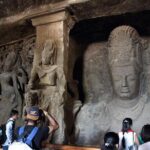

Mumba Devi Temple: the deity behind Mumbai’s name
After lunch, you’ll visit two more temples, and Mumba Devi Temple is a great “meaning stop” to add to your day. This is an ancient temple dedicated to Goddess Mumbadevi, and the information provided emphasizes a key point: Mumbai is named after Goddess Mumba. That’s the kind of connection a guide makes real. It turns a sightseeing stop into a story.
This temple is described as being built in the 18th century, so it complements the other time periods you’ve already seen. You’ll also get a sense of how local identity and sacred places overlap in Mumbai—this isn’t just a tourist circuit; it’s a religious anchor.
Your time here is about 30 minutes, so keep your eyes open for the main areas the guide points out. If you’re someone who likes asking questions, this is a good stop to do it, because the Mumbai-name connection is a ready-made curiosity trigger.
In terms of considerations: dress code rules still apply, and shoe removal is part of the temple routine. Socks may be worn, which is a small detail that can make a big difference if you have sensitive feet or don’t love the idea of bare floors.
ISKCON Temple in Juhu: a different style with Krishna devotion
The final temple stop is ISKCON Temple in Juhu. This is part of the Hare Krishna movement, and it was built in the 1970s under the guidance of Swami Prabhupada, the founder of ISKCON. Even if you’re not familiar with ISKCON, you’ll likely notice the difference in feel and design from the older Hindu temples earlier in the day.
The tour includes about an hour here, which is enough to take in the main temple areas and slow down for photos. If you like variety, this stop is the payoff: you started with Shiva, moved through Shakti and Ganesh, then ended with a Krishna-focused tradition connected to the wider ISKCON community. It’s a thoughtful contrast that keeps the day from feeling repetitive.
One thing to remember: if you’re sensitive to big crowds, ISKCON temples sometimes draw many visitors. Since your tour is private, your guide can help you navigate what to see first and where to stand, but you should still expect normal visitor movement. Keep your pace steady and let the guide set your priorities.
When you wrap up, your day ends with drop-off at your hotel in the late afternoon—so you don’t have to figure out transit after a day of walking, photographing, and listening.
Price and logistics: what $116 buys you in real terms
At $116 per person, you’re paying for a lot more than entry fees. This price includes hotel/airport/cruise port pickup and drop-off, transport by a private air-conditioned vehicle, a professional local private guide, and bottled water. Admission for all five temples is listed as free, so you’re not paying separately just to get inside.
The value is in the combination:
- You don’t waste time finding temples and paying for separate rides
- You get explanations that turn sights into understanding
- You cover five sites in 7 to 8 hours without feeling like you’re constantly hustling
Your main extra cost is lunch (own expense). If you already planned to hire a taxi and pay a guide for just a couple of temples, this package starts looking more rational.
Logistics-wise, the schedule is built around approximate travel times, and Mumbai traffic can change the timing. Pick-up time can also shift depending on your location, with the specific time shared one day before pickup. Also, cruise ship passengers should be ready to provide ship name and docking/disembark/re-boarding times so the day can fit the ship schedule. That’s not glamorous, but it’s what keeps the tour from becoming a stressful coordination problem.
Dress code, shoes, and your comfort plan for temple visits
This tour has a clear dress code, and it’s worth treating it as non-negotiable. Clothing must cover the shoulders, chest, navel, and upper arms. Pants or skirts must be below knee-length. If you’re trying to pack lightly, plan one outfit that fits the rule and works for warm weather.
Footwear is another practical issue. You remove footwear outside the temple, and socks may be worn. That means you’ll want socks you’re comfortable wearing for a stretch of the day. If you hate the sock-removal cycle, pack a second pair you can swap out after lunch.
Because your day includes both indoor and outdoor walking, wear breathable clothes and keep a small bag for essentials. You’re likely to be taking photos at multiple stops, so you’ll want your hands free and your attention on the guide’s directions instead of digging for items.
Who should book this Mumbai temple tour
This is a strong fit if you want structure. I’d book it if you:
- Prefer a private guide who can explain temple meaning as you go
- Want to see five major sites without juggling transit
- Enjoy photography but also want context, not just pictures
- Are traveling solo and value comfort-focused organization
It may not be the best fit if you dislike following dress rules or if you want a super long stop at just one site. The timing across five temples is designed to cover ground, not to let you linger for hours in one place.
Also, since the tour includes hotel/airport/cruise pickup and drop-off, it’s especially convenient if you don’t want to deal with Mumbai transit right when you arrive.
Should you book? My honest take
If you’re in Mumbai for a limited window and you want a meaningful temple day, I think this tour is an efficient choice. The mix of private guide + private vehicle + five temples is where the value lives, especially because admission is listed as free and lunch is the only clear extra cost.
One booking decision comes down to your tolerance for temple logistics: covered clothing, shoe removal, and steady pacing. If you’re okay with that, you’ll come away with a clearer understanding of Shiva, Adi Shakti forms, Ganesh, Mumba Devi, and ISKCON’s Krishna devotion—plus photos that actually make sense when you look back later.
If you want a Mumbai day that feels organized and story-driven, this is a good way to do it.
FAQ
What does the tour include?
The tour includes hotel/airport/cruise port pickup and drop-off, transport by a private air-conditioned vehicle, a professional local private tour guide, and bottled water.
How long is the Mumbai temple tour?
The duration is about 7 to 8 hours.
What time does the tour start?
The start time is 9:30am.
Which temples are visited?
The tour visits Balbulnath Temple, Mahalakshmi Temple, Shree Siddhivinayak Temple, Mumba Devi Temple, and ISKCON Temple in Juhu.
Are temple admission tickets included?
Admission tickets are listed as free for the stops included in the tour.
Is lunch included?
Meals and food and drinks are not included. Lunch is at a local restaurant for your own expense.
What is the dress code?
Clothing must cover the shoulders, chest, navel, and upper arms. Pants or skirts must be below knee-length.
Do I need to remove my shoes?
Yes. Footwear must be removed outside the temple, and socks may be worn.
Is the tour private?
Yes. It’s a private tour/activity, and only your group will participate.