REVIEW · MUMBAI
Mumbai: Private Dhobi Ghat Laundry & Slum Tour with Pickup
Book on GetYourGuide →Operated by Inside Mumbai Tours · Bookable on GetYourGuide
Dhobi Ghat turns laundry into a city-scale ritual, and Dharavi shows how people build whole economies where you might expect only struggle. I like that this tour is private and guide-led with real context, not a drive-by. Two of the best parts are the chance to see the world’s largest open-air laundry in action, then walk Dharavi with local guidance that focuses on daily life, work, and community. One thing to consider: this is an emotional visit. Even when the experience is handled respectfully (and it is), you’ll still see hard realities up close.
What I found most valuable is how the guide frames Dharavi with a mix of honesty and pride. Guides like Alkama and Mohammad (from the people you may meet on this tour) are described as calm, friendly, and able to explain both the tough sides and the everyday routines without turning it into a spectacle. Still, come with the right mindset: you’re visiting people’s living and working spaces, so expect to be thoughtful and keep your distance when asked.
In This Review
- Key highlights you’ll actually care about
- Dhobi Ghat and the rhythm of Mumbai’s laundry world
- Entering Dharavi as a resident-level visitor, not a tourist spectator
- The Slumdog Millionaire filming stop: seeing what the movie left out
- Plastic recycling, leather work, garments, and metal: industries you can walk through
- Guide-led safety and respect: how to make the visit go well
- Getting around: pickup, private comfort, and train options
- Price and value: what $19 includes (and what you’re paying for)
- Who should book this tour, and who should skip it
- Should you book? My take on the decision
- FAQ
- What’s included in the private tour?
- Do I need to speak an Indian language?
- Is there hotel pickup and drop-off?
- What will I see in Dhobi Ghat and Dharavi?
- Is the tour safe to visit around Dharavi?
- Can I pay later and cancel if plans change?
Key highlights you’ll actually care about
- Dhobi Ghat open-air laundry: watch clothes move through shifts from hotels, hospitals, and hostels
- Local-only access in Dharavi: the tour is arranged through residents, not random onlookers
- Film connection: you’ll visit where Slumdog Millionaire was filmed inside Dharavi
- Real industries on foot: plastic recycling, leather, garment/textile, and metal work you can see
- A stereotype-buster approach: the goal is to show daily life beyond film and media myths
Dhobi Ghat and the rhythm of Mumbai’s laundry world
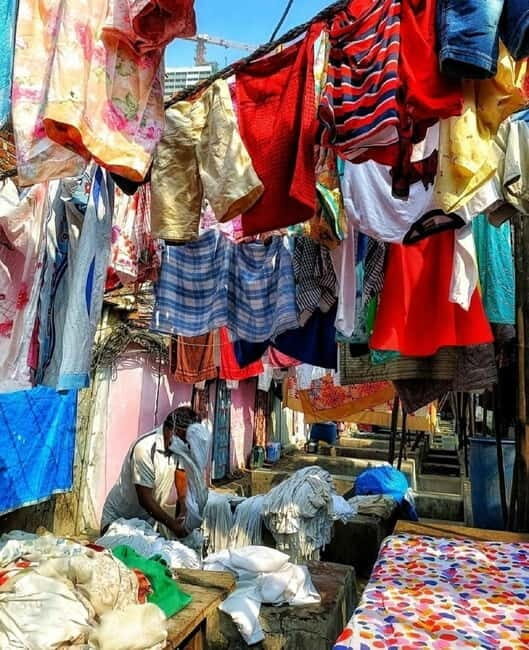
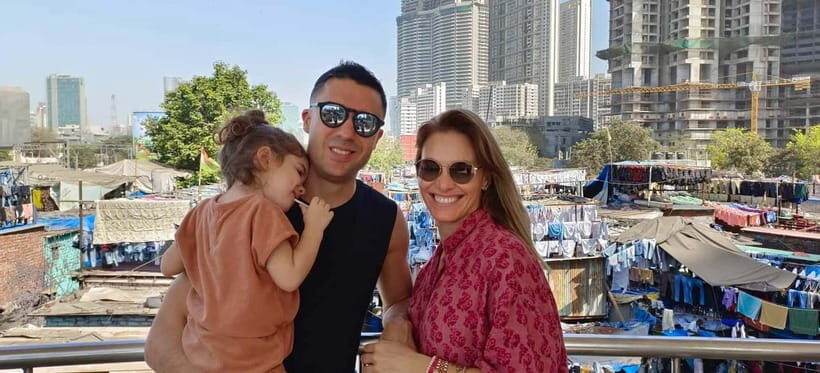
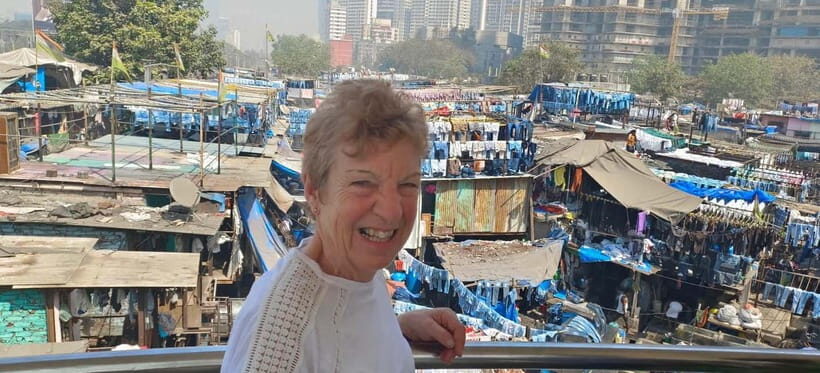
Dhobi Ghat is one of those places where the name sounds simple, but the scale hits you fast. This is an open-air laundry system that’s been running for over a century, and it still functions like a working neighborhood machine. People bring dirty clothes from across Mumbai—some from hotels, hospitals, hostels—so you get the sense that this isn’t a “thing to look at.” It’s part of the city’s daily plumbing.
As you watch, you start to understand why this stop matters. Laundry here isn’t just about washing. It’s about logistics, schedules, and labor that happens in public view. The washermen and washerwomen—often called dhobis—work through the day to return clothes clean, crisp, and spotless. You’ll likely notice how much coordination is built into the flow: where items come from, how they move, and how the same routines repeat with steady momentum.
What I like for travelers is that Dhobi Ghat gives you a grounding contrast before Dharavi. You’re not jumping straight into “poverty imagery.” You’re first seeing work, systems, and people doing their jobs with skill. That makes the next part easier to understand, because the visit becomes about how communities function, not just how they look.
A practical consideration: Dhobi Ghat is outdoors and active. Plan to dress comfortably for walking and expect the day’s heat and busy atmosphere. If you’re the type who gets overwhelmed in crowded spaces, this stop may feel intense—but in a manageable, watch-and-learn way.
You can also read our reviews of more private tours in Mumbai



Entering Dharavi as a resident-level visitor, not a tourist spectator
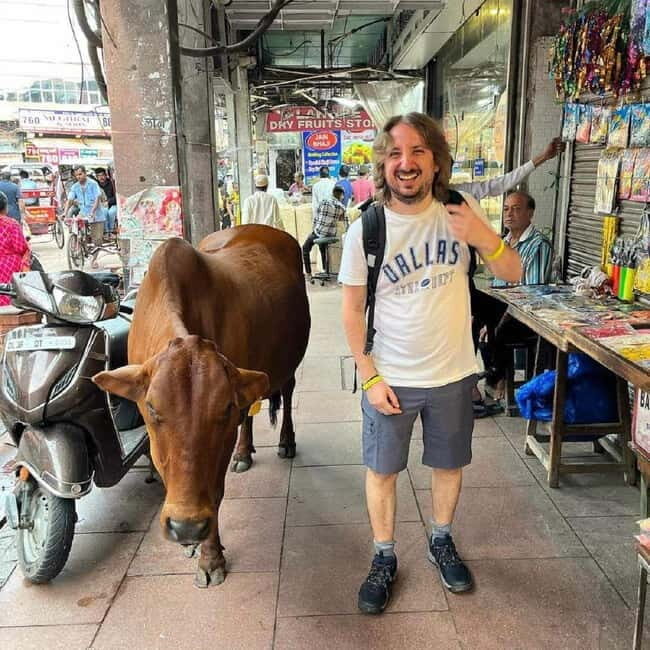
Dharavi is famous, mostly in big-story ways—films, headlines, stereotypes. This tour is built specifically to reduce the gap between that “idea of Dharavi” and the actual daily reality.
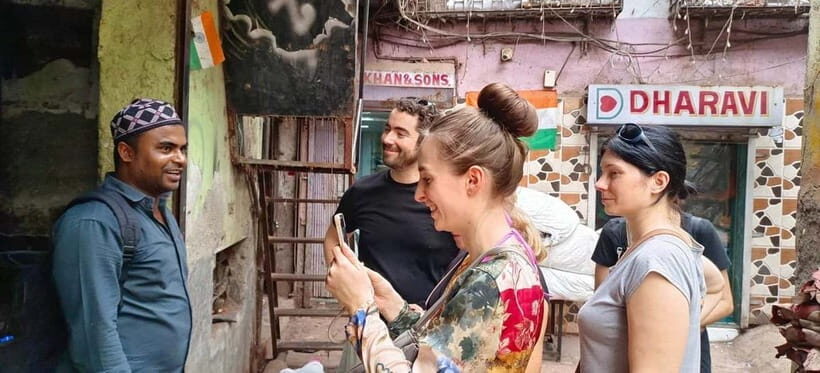
The core value here is that you go through the neighborhood with a local English-speaking guide who works from lived context. That’s why reviews keep mentioning communication and explanation. People describe guides such as Alkama as attentive, fun, and able to talk about both the bad and the good sides with maturity—meaning you don’t get a sugarcoated sales pitch, and you don’t get a one-note pity performance either.
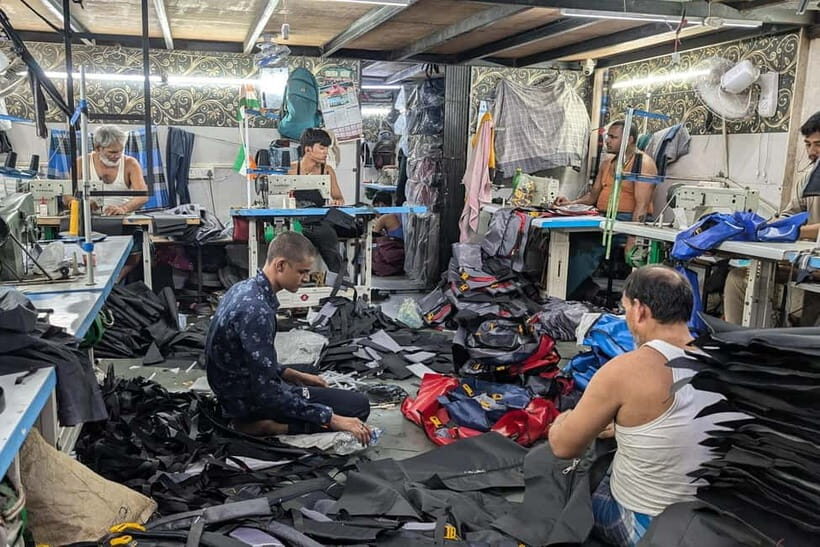
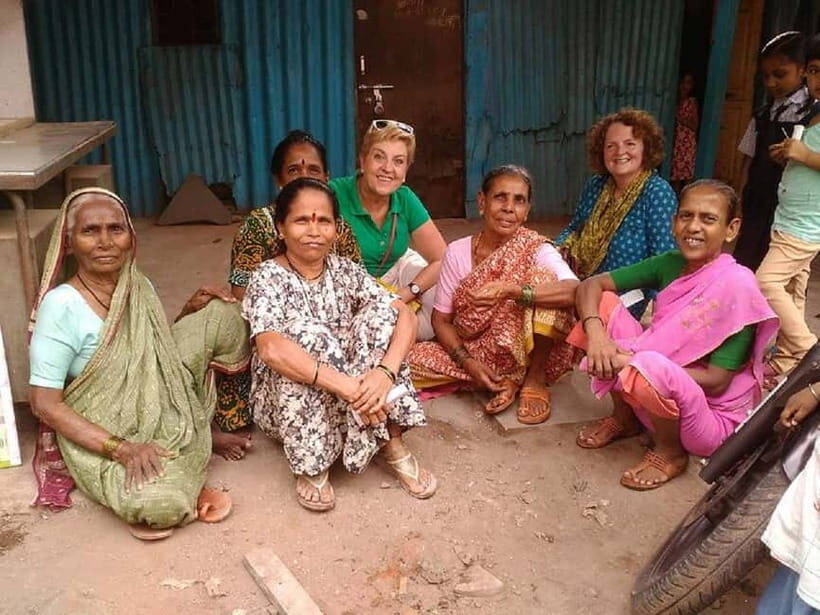
You’ll see where people live, where family members stay close by, where children play, and where residents take breaks. You’ll also see businesses that run right alongside daily life: plastic recycling, leather work, garment/textile activity, and metal industry. That’s the point. Dharavi isn’t presented as one single problem. It’s presented as a patchwork of homes, workspaces, and community routines.
And yes, the tour explicitly aims to dispel assumptions. The operator’s focus is that the visit is arranged as safe and that you travel inside and around Dharavi by way of residence access rather than wandering in like you’re “testing the neighborhood.” Reviews also highlight the humbling nature of the visit—work is hard and conditions can be difficult—while also emphasizing that people are friendly and open when approached with respect.
One emotional heads-up: this stop can feel heartbreaking, especially if you’re used to comfortable living. The upside is that you come away with a clearer mental model for what survival, skill, and community organization actually look like.
The Slumdog Millionaire filming stop: seeing what the movie left out
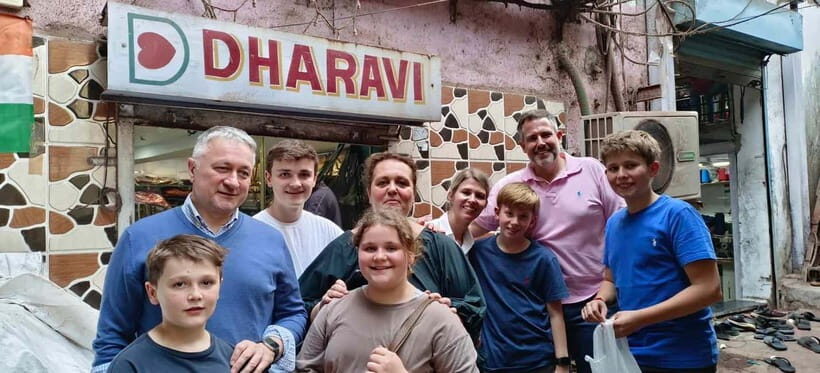
If you’ve seen Slumdog Millionaire, you might expect a place to feel like a set. This tour includes a visit to a spot inside Dharavi connected to the film, but the bigger value isn’t the factoid—it’s the comparison.
When you stand in a real neighborhood that played a role in a movie, you start noticing what film language compresses. The movie can flatten time, simplify choices, and turn daily routines into dramatic beats. On this tour, the guide helps you connect the filming association to real life: how people work, how families move through space, and how community energy carries day-to-day.
That’s why guides who can explain history and modern routines are so important here. People mention guides holding pride in what they show. When the guide frames what you’re seeing, the film location becomes a starting point, not the whole story.
If you’re sensitive to disappointment—like if you secretly want the neighborhood to match your expectations—go in with curiosity instead. This tour works better when you accept that real life doesn’t look like cinematic storytelling. The reward is stronger understanding.
Plastic recycling, leather work, garments, and metal: industries you can walk through
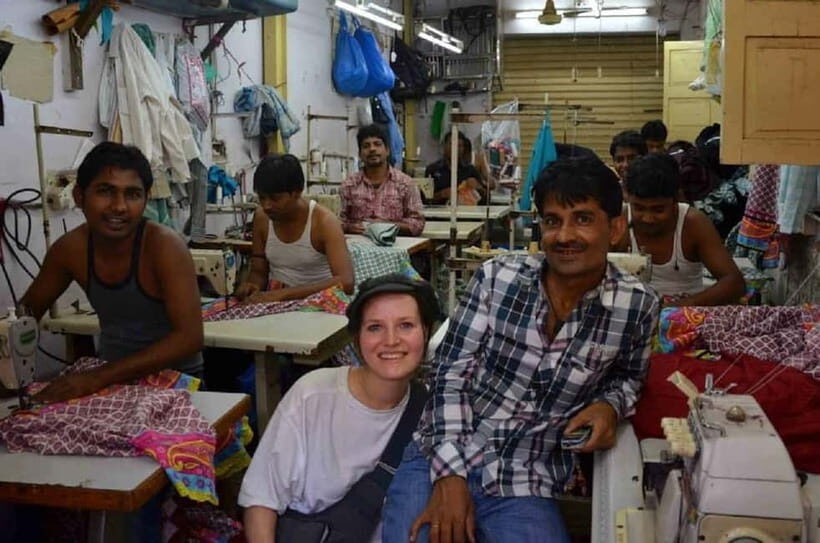
One of the most compelling things about this experience is the way it shows how money, labor, and craftsmanship combine in tight spaces. Dharavi is presented here as a place with multiple industries operating side-by-side, and you’ll likely see examples of:
- plastic recycling work
- leather industry activity
- garment/textile and garment-related processes
- metal work and related activity
What that means for you, as a visitor, is that you get more than “a place with limited resources.” You get a living economy. You’ll hear, through the guide’s explanations, how income can be significant in aggregate—and how that activity relies on hard work, specialized steps, and repeatable processes.
Also, the tour doesn’t treat industry like a single headline. It treats it as daily life. That’s why it’s so different from a typical photo stop. You’re not only seeing products or workshops; you’re seeing the human layer around them: where families are nearby, where kids play, where people rest, and where work continues.
A useful mindset tip: focus on the system. Instead of asking only how things look, ask how things move—inputs to outputs, schedules, and how skills get passed along. Guides can help you see those connections without turning the neighborhood into a classroom exhibit.
Guide-led safety and respect: how to make the visit go well
This tour is designed to feel safe, and that matters for quality. The information provided emphasizes that the visit is completely safe and that you only go inside and around Dharavi by way of residence access with locals. Reviews reinforce a calm, guided rhythm: you’re never just dropped off, and you’re not rushed.
That said, “safe” doesn’t mean “permission to behave any way you want.” If you want the best experience—and the best interactions—use a respectful tone.
Here’s what tends to help, based on the way the tour is described:
- Keep your voice low in living areas
- Ask before taking photos if you’re unsure
- Stick with your guide’s instructions and boundaries
- Treat the tour like visiting a neighborhood, not shooting content
Also, the guide’s communication style seems to be a major driver of satisfaction. Multiple reviews mention excellent English and a friendly, attentive approach. One review specifically notes the tour isn’t rushed and that there’s time to look at each part. That pacing matters because it lets you actually process what you’re seeing rather than sprinting past it.
In short: you’re there to understand. The neighborhood is there to live.



Getting around: pickup, private comfort, and train options
You get hotel pickup and drop-off, which makes the day smoother, especially in a city where traffic can change your mood quickly. Since this is a private tour, you’re not stuck waiting on a big group to get everyone moving.
One review also mentions the guide and group opting for a local train experience rather than car travel. That’s a great hint for you: if your comfort level allows it, ask your guide what transportation option makes the most sense for timing and experience. Train travel can add a local perspective—how people actually commute—without turning the day into a theme park.
Timing-wise, the tour includes visits to both Dhobi Ghat and Dharavi, so plan for a full, active day. Wear comfortable shoes and bring water. The tour includes a water bottle, but you’ll still want to sip regularly in the heat.
If you’re worried about logistics, the private pickup helps a lot. If you’re worried about emotions, the pacing and the guide’s explanations help even more.
Price and value: what $19 includes (and what you’re paying for)
At $19 per person, this tour is priced like a budget activity, but the value comes from what’s bundled in. You’re paying for more than access—you’re paying for a local guide, structured safety, and time in two very different but connected working spaces.
Included elements are straightforward:
- private tour
- local English-speaking guide
- hotel pickup and drop-off
- all entrance fees
- water bottle
To me, the biggest value isn’t the money saved. It’s the reduction in friction. You’re not trying to figure out how to reach Dhobi Ghat and then navigate Dharavi safely and respectfully on your own. You’re also not paying for a guide just to translate words—you’re paying for someone to translate context: what you’re seeing, why it exists, and how daily routines connect.
Also, the pricing makes it accessible for travelers who want an honest cultural experience without blowing the daily budget. When a tour is this low-cost, it’s especially important that the experience doesn’t feel rushed or sketchy. Reviews here are consistent about communication and care—guides like Alkama and Mohammad are repeatedly praised for attention, clarity, and staying engaged.
One more value note: this is the kind of day that can change how you think about Mumbai afterward. That’s hard to quantify, but it’s part of the return on investment.
Who should book this tour, and who should skip it
This tour fits best if you want Mumbai from the ground up. You’ll probably love it if you:
- enjoy real-world neighborhoods and working life
- like guide-led explanations with context, not just sightseeing
- can handle emotional moments with maturity
- want to see the relationship between labor, community, and everyday survival
You might want to skip (or choose a softer alternative) if:
- you get deeply distressed by difficult living conditions
- you hate walking in active outdoor environments
- you’re uncomfortable visiting places that operate as homes and workplaces
If you’re on the fence because of the word slum: the tour’s purpose is to break stereotypes and show people’s daily life in a way that goes beyond film depictions. Just go in with respect and curiosity, and you’ll get far more than a story you can tell.
Should you book? My take on the decision
If you’re spending a day in Mumbai and you want one experience that turns media images into lived reality, I’d book this. The strongest reasons are the combination of Dhobi Ghat’s working scale and Dharavi’s resident-led, guide-explained daily life—plus the sense (from how the experience is described) that you’re treated as a respectful visitor.
The only real downside is the emotional weight. If that sounds exhausting, plan your day carefully: don’t schedule something intense right after, and give yourself quiet time afterward to process.
Given what’s included for $19—private guide, pickup/drop-off, entrance fees, and water—this is good value. And if the name on your guide includes Alkama or Mohammad, you can feel confident you’ll be in capable hands.
FAQ
What’s included in the private tour?
The tour includes a private experience, a local English-speaking guide, hotel pickup and drop-off, all entrance fees, and a water bottle.
Do I need to speak an Indian language?
No. The tour is listed as being in English.
Is there hotel pickup and drop-off?
Yes. The tour includes hotel pickup and drop-off.
What will I see in Dhobi Ghat and Dharavi?
You’ll visit Dhobi Ghat, described as an iconic open-air laundry system, and you’ll tour Dharavi to see daily life and work. The Dharavi part includes viewing industries such as plastic recycling, leather, garment/textile, and metal work, and it also includes a location connected to Slumdog Millionaire.
Is the tour safe to visit around Dharavi?
The information provided states that it is completely safe to visit inside and around Dharavi, and that you visit through residents as locals.
Can I pay later and cancel if plans change?
Yes. You can reserve & pay later, and you can cancel up to 24 hours in advance for a full refund.