REVIEW · MUMBAI
Private Dharavi Slum Tour
Book on GetYourGuide →Operated by Mystical Mumbai · Bookable on GetYourGuide
Every step here tells a story. This 2-hour private walk through Dharavi’s narrow alleys mixes real neighborhood life with big-screen connections, all guided by students who live there. You’ll come away with a clearer sense of how community, work, and survival overlap in one small city.
I particularly like two things: the student-run perspective (guides like Abishek and Aarti are often praised for being kind, professional, and good English), and the focus on everyday trades—from recycling and dye work to leather manufacturing and poppadom baking.
One drawback to weigh: there are strict rules, including no cameras, and the tour covers tough topics like sanitation and flood risk. Go in with respectful expectations and comfortable shoes.
In This Review
- Key things to know before you go
- First Impressions: Leaving Mumbai and Starting the Walk
- Meeting Your Student Guide in a Purple Shirt
- Walking the Narrow Alleys: Community, Not a Theme Park
- Finding the Slumdog Millionaire Shooting Locations
- Learning the Trades: Recycling, Leather, Dye, Poppadoms, Soap
- Sanitation, Water Access, and Why Monsoons Hurt So Much
- The Design Museum Mention: A Modern Note to Balance the Story
- Practicalities: Shoes, Water, and What You Don’t Bring
- Price and Value: Is $65 Reasonable for Two Hours?
- Who Should Book This Tour (and Who Might Want to Skip It)
- Safety and Comfort: What the Best Feedback Emphasizes
- Should You Book This Private Dharavi Slum Tour?
- FAQ
- How long is the Private Dharavi Slum Tour?
- What does the tour cost?
- Is this tour private?
- Is pickup and drop-off included?
- Are cameras allowed during the tour?
- What should I bring?
- What’s included in the price?
- Is food included?
- What language will the guide speak?
- Is free cancellation available?
Key things to know before you go
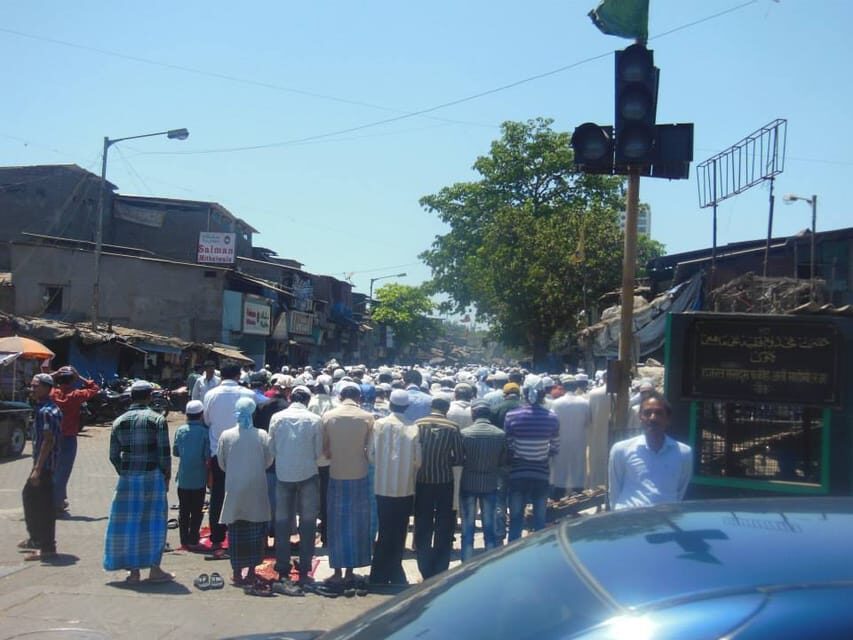
- Student guides with lived-in context: You’ll learn from people who see this neighborhood every day.
- Slumdog Millionaire filming spots: The tour includes where the movie was shot, adding a familiar frame.
- Hands-on neighborhood work: Expect explanations of trades like recycling, dye production, leather work, and soap-making.
- Community first: The route emphasizes how people support one another in tight spaces.
- Reality checks on sanitation: You’ll hear about water access, limited toilets, and monsoon-related vulnerability.
- Practical rules matter: No cameras, plus a walking pace that stays manageable for a 2-hour visit.
First Impressions: Leaving Mumbai and Starting the Walk
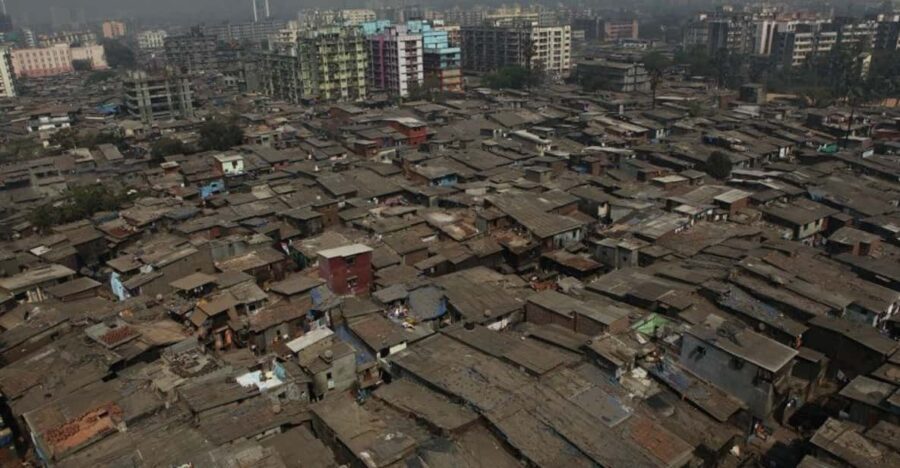
Your day starts with hotel pickup and drop-off in Mumbai, using private air-conditioned transportation. That matters more than it sounds: Dharavi is busy, and you don’t want the beginning of your visit hijacked by getting lost in traffic or figuring out meeting points.
Once you arrive, you’ll switch from car time to foot time fast. The whole experience is designed for a tight window—2 hours—so the walk isn’t “linger and look around.” It’s guided, paced, and focused on what helps you understand the neighborhood without wasting time.
One small caution: one past review noted the transfer was only okay and could use improvement. So if your schedule is tight, plan for normal Mumbai traffic variability and keep buffer time.
You can also read our reviews of more private tours in Mumbai



Meeting Your Student Guide in a Purple Shirt
This is a private group tour, and your guide meets you in the lobby, identified by a purple shirt with a footprint logo. That’s more useful than it looks. In a city like Mumbai, being able to find your guide quickly helps the tour feel calm from minute one.
The guides are students living in Dharavi. That resident connection shapes how the explanations land. You’re not getting a distant lecture—you’re getting a tour that’s rooted in everyday routines and local knowledge.
English is supported, and you may hear about how different parts of Dharavi function. Reviews highlight guides like Abishek and Aarti, along with drivers such as Mukesh and Miukesh, being courteous and professional. When people feel respected, the conversation flows better—and the neighborhood becomes easier to understand.
Walking the Narrow Alleys: Community, Not a Theme Park
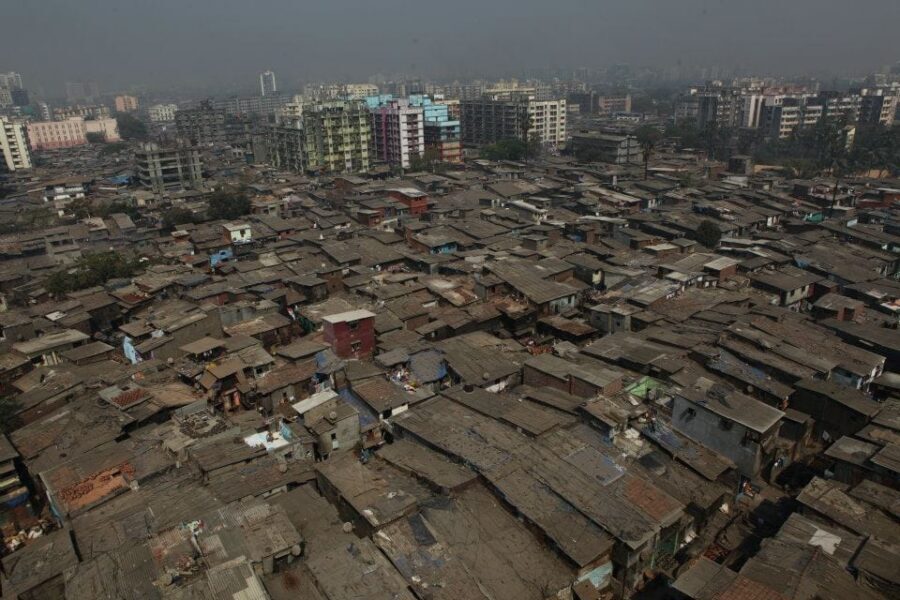
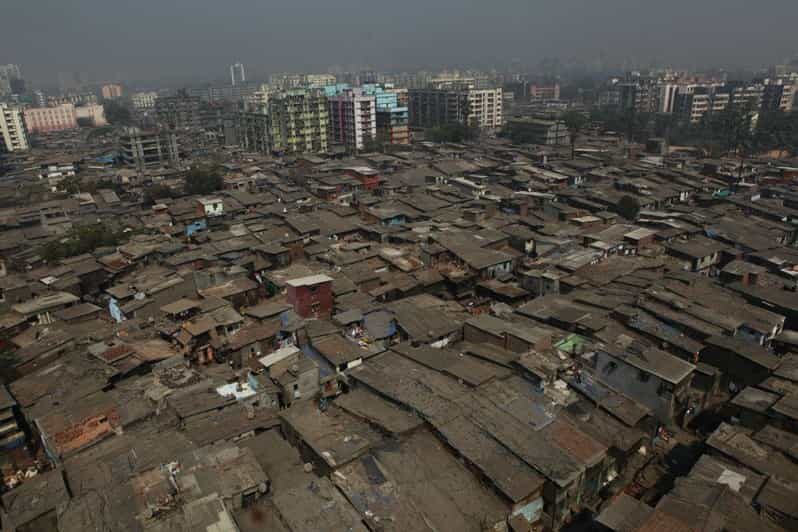
The core of the tour is the walk through Dharavi’s narrow alleys. This is where you feel the neighborhood’s density of life: small pathways, close-to-home businesses, and people moving between home, work, and community spaces.
Dharavi is often described in big-number terms, and this tour gives that grounding so it stops being abstract. Dharavi is described as the second biggest slum in Asia and the third biggest in the world. It’s spread over 200 hectares (about 500 acres), with population estimates ranging widely—from roughly 300,000 to about a million. That range also connects to the idea of huge density pressures (estimates can land between 1,500 and 5,000 people per square kilometer, or roughly 600 to 2,000 people per acre).
Why that matters to you in practice: when you walk these alleys, you’re seeing not just a place to visit, but an environment where space is scarce and cooperation is essential.
Also, the tour’s community spirit is repeatedly emphasized. You’ll come away noticing how people solve problems together, even when systems are stretched.
Finding the Slumdog Millionaire Shooting Locations
Dharavi became globally famous after Slumdog Millionaire in 2008. This tour includes discovering where the movie was shot—one of the highlights for first-time visitors because it offers a recognizable entry point.
But I’d treat this as a guide to context, not a trivia hunt. The useful payoff is that your brain links a film set to the real neighborhood conditions that shaped daily life there: work patterns, crowd density, and the look of streets and entrances.
If you’re a movie watcher, this part can feel like walking through a reference image. If you’re not, it still helps because it turns the visit from unfamiliar to explainable: your guide can say why particular streets or spaces made sense for filming, and what those places look like when the cameras are gone.
Learning the Trades: Recycling, Leather, Dye, Poppadoms, Soap
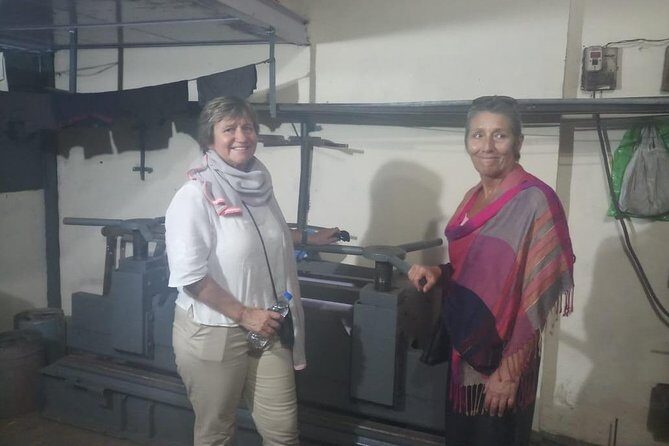
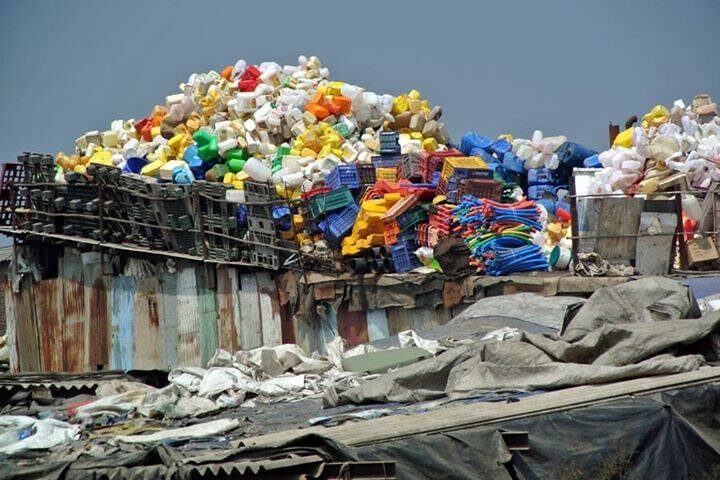
One of the most practical parts of this tour is the way it breaks down jobs. Dharavi is described as a mini-city with a wide range of activity, and the tour highlights how people earn a living through specialized trades.
Here are some of the trades the tour focuses on:
- Recycling, including plastic recycling
- Recycling of vegetable oil cans
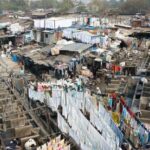
- Dye production
- Leather manufacturing
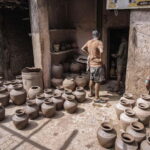
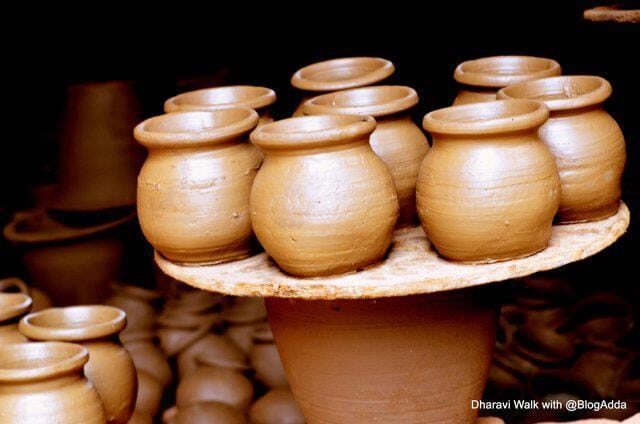
- Pottery
- Poppadom baking
- Soap production
What you should take from this: the tour isn’t only saying people work hard. It shows how skills develop and circulate. Small-scale industries can create a local economy even when larger systems don’t provide much support.
It also helps you understand the neighborhood beyond poverty stereotypes. Yes, there are major hardships. But there’s also production, craftsmanship, and real economic networks—often built from necessity and repeated know-how.

Sanitation, Water Access, and Why Monsoons Hurt So Much
This is the part you need to approach with maturity. Dharavi’s geography and infrastructure challenges are central to how daily life works, and the tour includes discussion of those realities.
You’ll learn that due to its location and poor sewage and drainage systems, Dharavi is especially vulnerable to floods during the monsoon season. The tour also talks about ongoing public health problems tied to sanitation.
Water access is described as coming from public standpipes placed throughout the area, while toilets are limited, filthy, and often broken. The local river, Mahim Creek, is described as being used by residents for urination and defecation, which raises concerns about the spread of contagious diseases.
How this affects your experience: it changes the way you interpret what you see and what you hear. A “quick look” won’t be enough. Listen, take it in, and let the guide’s framing guide your understanding.
Good etiquette helps here. Keep your voice calm, ask respectful questions if your guide invites it, and don’t treat painful topics like entertainment.
The Design Museum Mention: A Modern Note to Balance the Story
There’s also a forward-looking element. The information provided notes that Dharavi’s first Design Museum opened in February 2016.
This doesn’t mean the neighborhood is only about fashion exhibits or design thinking. It means the area is changing and being talked about beyond a single poverty label. A mention like this can help you hold two ideas at once: serious need and real creativity, pressure, and innovation.
Even if you don’t spend time inside a museum, the idea that a design museum opened there gives you a useful mental anchor. It nudges you to see Dharavi as a living place with institutions, not just a film location or a headline.
Practicalities: Shoes, Water, and What You Don’t Bring
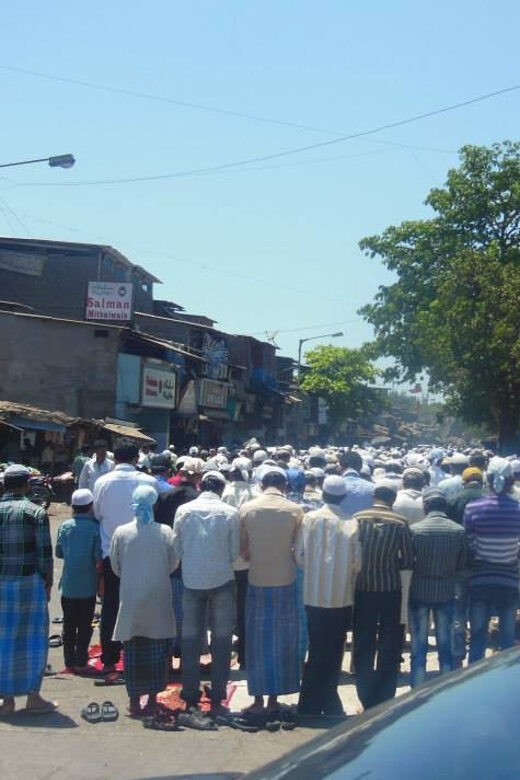
This tour is 2 hours, and it’s walking through tight spaces. So bring comfortable shoes. Don’t count on the ground being even, and don’t count on the route being stroller-friendly. You’ll want footwear that can handle uneven pavement and frequent turns.
Water is included. That’s a quiet but important detail in a dense neighborhood where you may not find easy, comfortable stops during a short tour.
There’s also a strict rule: no photography. That’s not a small point. It changes how you experience the day. You’ll need to rely on your guide’s explanations and your own memory instead of phones and cameras. If you love taking pictures, treat this as a chance to experience without collecting.
Food and shopping are not included. If you’re hungry, plan to eat before or after the tour. If you’re tempted to buy something, don’t assume it’s part of the package.
Price and Value: Is $65 Reasonable for Two Hours?
At $65 per person, the value comes down to what’s included:
- Hotel pickup and drop-off
- Private air-conditioned transportation
- English professional guide fees
- Water
- Toll, parking, and tax
For a private, student-led, English-guided walk that includes transport from hotels, this price often works out fairly when you compare it to the cost of simply getting there and paying for a qualified guide.
Why this matters: Dharavi is not a “wander on your own” destination if you want clear context. You’re paying for interpretation—what the neighborhoods’ trades mean, why certain spaces matter, and how to understand community life responsibly.
Also, the tour is structured as a private group, which can be worth it if you want a more tailored pace and fewer crowd interruptions.
Who Should Book This Tour (and Who Might Want to Skip It)
This tour is a great fit if you:
- Want a guided, explanation-heavy experience rather than a self-directed photo walk
- Care about local work and how economies function at street level
- Appreciate honest conversations about sanitation and the real pressures of monsoon vulnerability
- Like the Slumdog Millionaire connection but want it grounded in place
It may be less ideal if you:
- Need photography as a core part of travel enjoyment (cameras are not allowed)
- Prefer a purely light, entertainment-first outing
- Have limited tolerance for the kinds of realities discussed (water access, sanitation, disease risk, and flood vulnerability)
For the best match, bring empathy and patience. This is a place with complicated needs and strong community life. A calm attitude helps everyone.
Safety and Comfort: What the Best Feedback Emphasizes
Safety shows up in the feedback style. One review specifically highlighted feeling safe and comfortable due to a professional approach. Another praised a guide’s politeness and assistance in going exactly where the person wanted within the tour structure.
English quality also matters because it shapes how much you can understand in 2 hours. Reviews mention good English, and guides like Abishek and Aarti are named in positive feedback.
Transportation gets a mixed note: one review said the ride was okay but could be improved. The overall tone is still positive, just not perfect. So if comfort during transit is a priority, keep your expectations realistic and remember that Mumbai traffic is its own character.
Should You Book This Private Dharavi Slum Tour?
Book it if you want a short, well-framed walk that treats Dharavi as a real place with real work, real community bonds, and real infrastructure challenges. The student-guided model adds credibility, and the trade-focused route gives you something you can actually understand after the tour ends.
Skip it if you need cameras, prefer a “lighter” storyline, or aren’t comfortable with sanitation and monsoon-related realities being part of the conversation. Also, if you’re looking for shopping or food stops, you’ll need to plan those separately.
If you book, do yourself a favor: go in respectful, keep your questions thoughtful, and wear shoes you’ll be happy in for a 2-hour walk.
FAQ
How long is the Private Dharavi Slum Tour?
The tour lasts 2 hours.
What does the tour cost?
It’s listed at $65 per person.
Is this tour private?
Yes, it’s a private group tour.
Is pickup and drop-off included?
Yes. Pickup and drop-off from your hotel in Mumbai is included.
Are cameras allowed during the tour?
No. Cameras are not allowed.
What should I bring?
Bring comfortable shoes.
What’s included in the price?
The price includes hotel pickup/drop-off, private air-conditioned transportation, an English professional guide, water, and toll/parking/taxes.
Is food included?
No. Food and shopping are not included.
What language will the guide speak?
The tour guide speaks English.
Is free cancellation available?
Yes. You can cancel up to 24 hours in advance for a full refund.