REVIEW · MUMBAI
Mumbai: Private 2-Day City and Elephanta Island Tour
Book on GetYourGuide →Operated by BOMBAY TO MUMBAI TOURS · Bookable on GetYourGuide
Mumbai runs on motion, not monuments. This two-day plan layers professional local guidance with real, working Mumbai, from the Dabbawallas sorting lunchboxes to UNESCO sites that bookend the day. You’ll move by air-conditioned car around the city’s big sights, then switch gears to a ferry day that ends with stone carvings you’ll want your camera ready for.
What I like most is how the tour doesn’t treat daily life as a side quest. You get a guided look at the systems people rely on every day—dabbawallas and the clothes-washing crews at Dhobi Ghat—then you also see the bigger historic landmarks like Chhatrapati Shivaji Terminus (CST), a UNESCO World Heritage Site. One thing to consider: the Elephanta Island day depends on weather and the ferry schedule, so plan for the possibility of a change.
In This Review
- Key things to know before you go
- Two UNESCO stops, one city that refuses to stand still
- Day 1: Churchgate station, CST, and a guided loop of big sights
- Dhobi Ghat and Dharavi: how to get the most without turning it into a spectacle
- Day 2: Ferry to Elephanta, plus the toy train halfway up
- Elephanta Caves: what you should look for when the stone carvings start
- Price and logistics: why $25 can still feel like real value
- Guides on the ground: why the named experts matter
- Who should book this tour, and who might skip it
- Should you book this Mumbai and Elephanta two-day tour?
- FAQ
- What’s included in the price?
- Is lunch included?
- What UNESCO sites will I see?
- How do pickup and meeting work?
- What fees cost extra for Elephanta?
- Do I need to buy tickets for the caves?
- Is the tour guided in English?
- Is the tour suitable for pregnant women?
- What’s the cancellation deadline?
Key things to know before you go
- City + Elephanta in two days: a structured Mumbai day, then an island day with ferry transport
- Dabbawallas on the clock: you’ll watch lunch-box carriers at Churchgate Railway Station
- Dhobi Ghat (human-powered laundry): see the dhobis hard at work in Mumbai’s big wash zone
- UNESCO double feature: Chhatrapati Shivaji Terminus (CST) and the UNESCO Elephanta Caves
- Elephanta monuments fee is extra: plan for $7 per person not included
- Toy train on the island: you’ll ride partway toward the caves before exploring
Two UNESCO stops, one city that refuses to stand still
This is a smart way to see Mumbai if you want more than a highlights reel. The route is built around contrasts: imperial-era railway grandeur on one side, then the real logistics of everyday life on the other. And then comes Elephanta Island, where the mood shifts from crowds and traffic to rock-cut carvings and quiet stone.
You’ll get a professional local guide for both days, plus an air-conditioned vehicle for the main Mumbai circuit on day one. There’s also bottled water, taxes/fees handling, and ferry transport for the Elephanta leg, so you’re not constantly juggling small logistics mid-trip.
You can also read our reviews of more city tours in Mumbai


Day 1: Churchgate station, CST, and a guided loop of big sights
Day one starts with a stop at Churchgate Railway Station, and that’s where the tour shows you Mumbai’s systems in action. You’ll watch the dabbawallas—traditional lunch-box carriers—work the flow of meals that keep offices fed across the city. Even if you know the story of the dabbawallas, seeing them in the station setting helps it click. It’s not theory; it’s coordination on the ground.
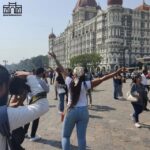
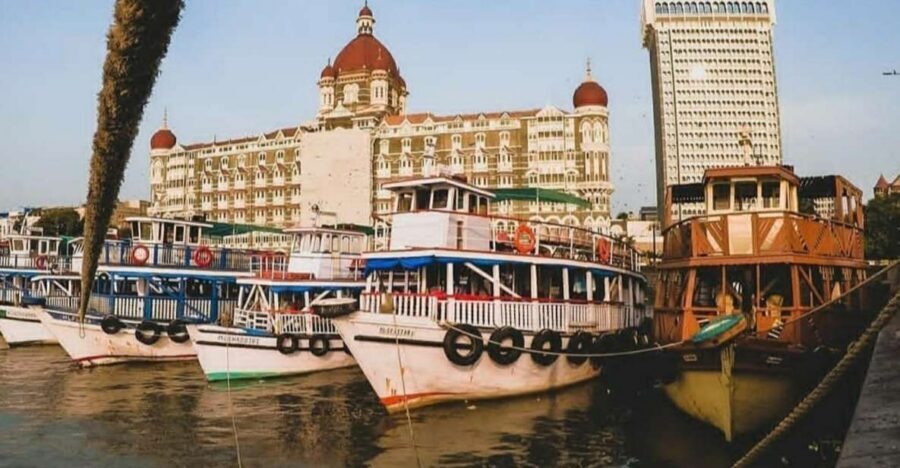
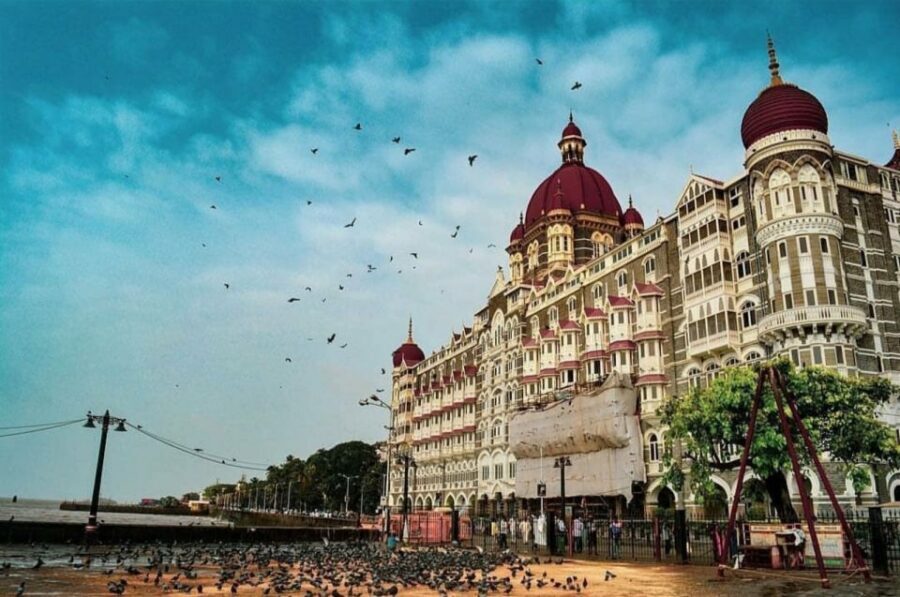
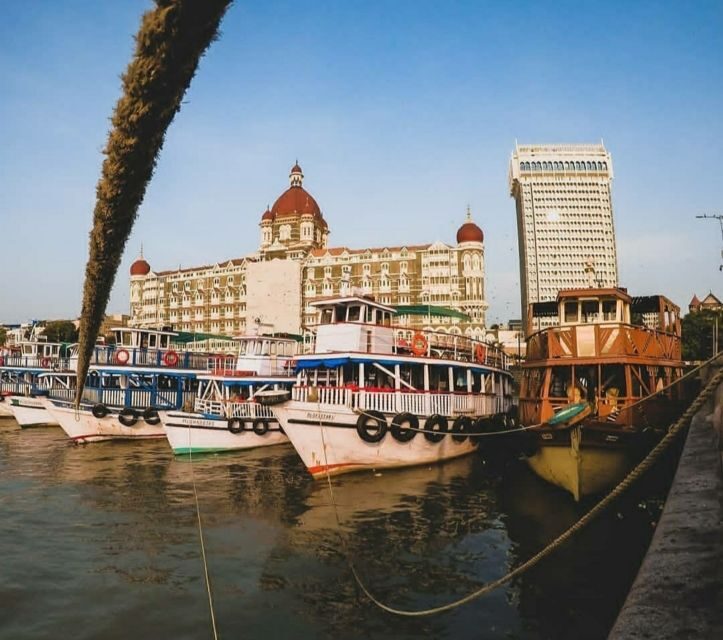
From there, you roll around in an air-conditioned vehicle to the city’s most recognized landmarks. You’ll see the Gateway of India and the Taj Mahal Palace Hotel, then head to Chhatrapati Shivaji Terminus (CST). CST is also known as Victoria Terminus, and it’s a UNESCO World Heritage Site. The stop is timed so you can actually look and absorb the scale, not just point and move on.
The afternoon includes a classic photo-and-stops circuit with:
- Municipal Building
- Marine Drive
- Nariman Point
- Chowpatty Beach
- Hanging Gardens
- Mani Bhavan
You don’t need to treat every stop like a museum ticket. Think of it as guided pacing. Your guide helps connect what you’re seeing to how the city grew, why these places matter, and how they fit into Mumbai’s identity.
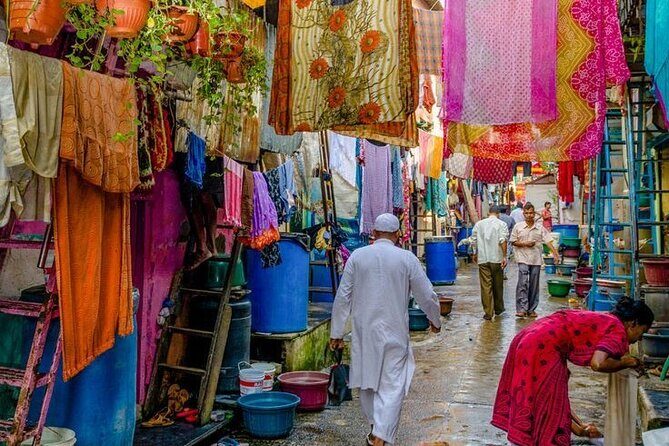
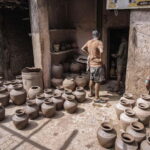
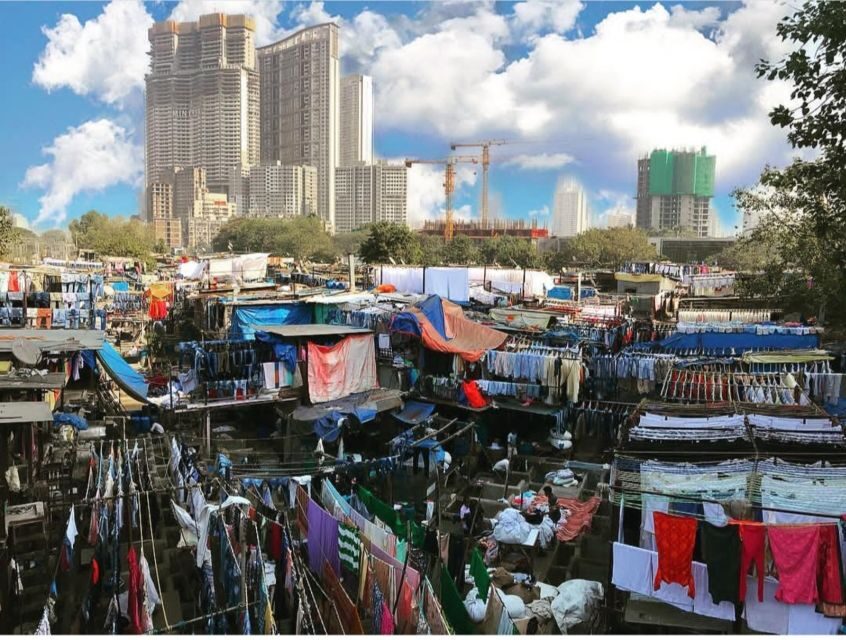
Then the tour shifts from landmark Mumbai to working Mumbai with a key stop at Dhobi Ghat. This is described as Mumbai’s largest human-powered washing machine, and that phrase is hard to shake once you’re there. You can watch the dhobis (clothes washers) carrying out their famous laundry service. The best part is the sense of routine. This isn’t staged. It’s labor on display, done with practiced efficiency.
Day one ends with a trip into Dharavi, Mumbai’s slums area. Go in with an open mind. The tour frames it as a less glamorous side of the city, but also one with energy and strong daily life. The value here is perspective. Mumbai is all about layers, and Dharavi is one of the most important ones.
Dhobi Ghat and Dharavi: how to get the most without turning it into a spectacle
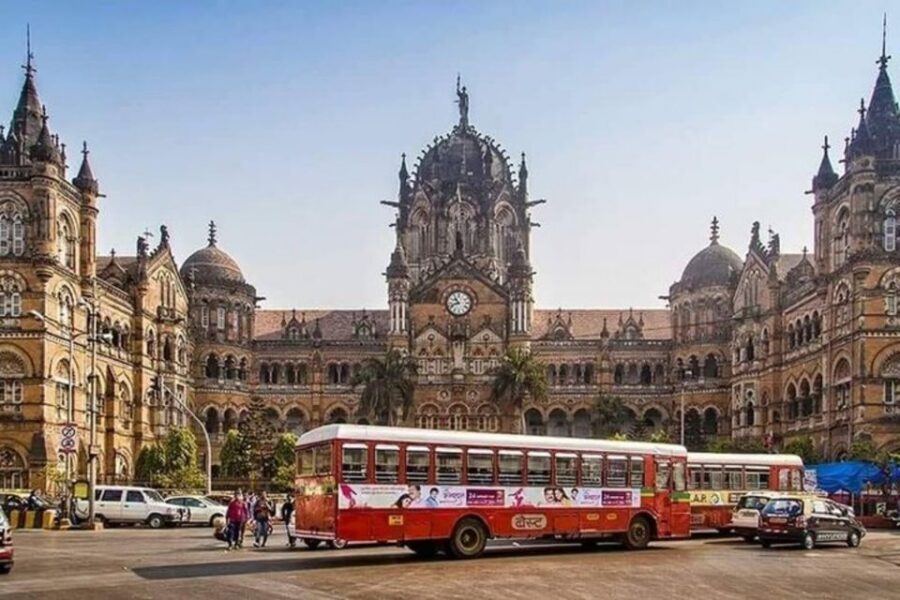
Two parts of day one carry extra weight: Dhobi Ghat and Dharavi. Here’s how I’d approach them for the best experience.
At Dhobi Ghat, look for the details that explain the system. It’s not just washing clothes. It’s an operating rhythm—people moving, sorting, carrying out tasks that keep Mumbai functioning. I’d treat it like a live workplace. If you’re the type who likes to understand how things work, this stop will feel like the tour’s secret highlight.
With Dharavi, the biggest key is respect and listening. The tour includes a guided visit, and that matters. You’ll get context from the guide rather than relying on rumors or quick assumptions. If you’re uncomfortable with tight quarters or the overall mood of the area, you can still keep it simple: watch, listen, ask questions when appropriate, and don’t rush photos.
This is also a good time to remember why this tour is priced as a bundle. Without an organized guide, it’s easy to see only the city’s postcards. With a guided day that includes Dhobi Ghat and Dharavi, you get the city’s working side with less confusion.
Day 2: Ferry to Elephanta, plus the toy train halfway up
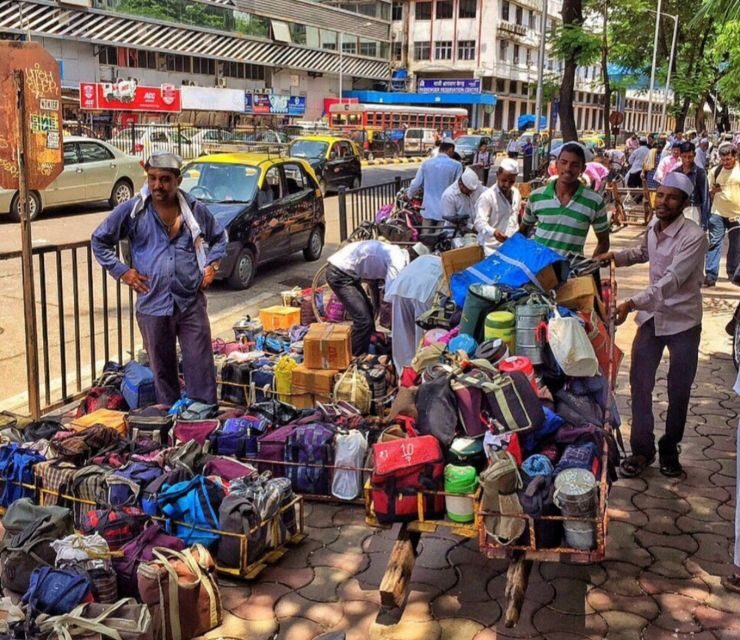
Day two runs on a different rhythm. Your guide picks you up, then you head to the ferry. The ferry ride is about one hour to Elephanta Island. This is where you’ll feel the change: you go from Mumbai streets to island air and a slower pace.
Once you land, you’ll take a toy train ride halfway toward the Elephanta Caves. It’s described as fun and quirky, and I’d treat it as part of the experience. It’s also useful practically, since it reduces how much climbing you have to do before you reach the caves area.
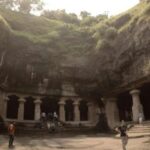
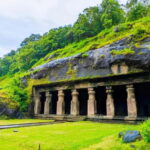
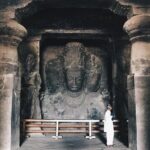
After the ride, it’s time for the UNESCO portion of the tour: exploring the Elephanta Caves. Your guide helps you focus on what to notice in the rock art and sculpted figures.
Then you’ll spend time in Elephanta Island village with your guide. That village time is a nice counterweight to the caves. The carvings are major, but it’s also good to see how the island feels beyond the monuments before you head back.
Finally, you return to Mumbai by ferry and end the tour back at your hotel. There’s also an optional alternative: if you choose it, you can head to an Indian cookery class instead.
Elephanta Caves: what you should look for when the stone carvings start
The Elephanta Caves are the main draw on day two, and the tour gives you specific names to anchor your attention. Bring your camera—this is absolutely the kind of place where you’ll want to frame the carvings as you move.
Your guide focuses on rock art and sculpted images including:
- Kalyansundara
- Gangadhara
- Ardhanriswara
Those names matter because they help you move from generic “cool carvings” to a more guided way of looking. Instead of trying to memorize everything, you’ll know what you’re aiming at visually and why the figures are significant.
A practical note: the tour includes skip-the-ticket-line, so you spend less time stuck at entrances and more time on the caves themselves. That time savings adds up on a site like this.
You can also read our reviews of more private tours in Mumbai



Price and logistics: why $25 can still feel like real value
At $25 per person, this tour is aiming to do a lot. You’re not just paying for sightseeing. You’re paying for:
- a professional local guide
- an air-conditioned vehicle on day one
- ferry transport to Elephanta
- bottled water
- pickup/drop-off options
- taxes, fees, and handling charges
- ticket-line skipping
That’s why the price can make sense even with two days. The biggest budget items not included are also clearly stated: lunch (and alcoholic drinks) aren’t included, and Elephanta monuments fees are $7 per person.
So what’s the real value equation? If you would otherwise rent your own car for day one, figure out ferry timing to Elephanta, and negotiate guided context for the sites, this package saves effort. It also reduces “lost in translation” moments—especially on the daily-life stops like Dhobi Ghat and Dharavi, where having a guide shapes what you understand.
One more logistics point: the tour language is English, and it’s listed as private or small groups available. Private arrangements can be especially helpful if you want slower pacing at the Dhobi Ghat and more time focusing on the cave carvings.
Guides on the ground: why the named experts matter
This tour’s reputation leans heavily on the guide experience. Names that come up include Nitin and Nisar coordinating two-day tours, and other guides such as Sahil, Chirag, Ashwara, Sunny, and Yash Kadam. Across the board, the common thread is that the guides don’t treat the route like a checklist. They’re tied into the history and culture behind the stops, plus they help you connect contrasting realities of Mumbai in a way that feels practical, not academic.
If you end up with a guide like Nitin or Nisar for city day coordination, you can expect a smooth flow between stops and a lot of explanation on what you’re seeing. If you get Yash Kadam, the emphasis is on friendly pacing plus historical and religious context tied to the sites.
The Elephanta side also has guided support. Even if you’re tempted to go completely independent on day two, the cave viewing benefits from a guide who can point you to the right figures and keep the visit from turning into a self-guided scavenger hunt.
Who should book this tour, and who might skip it
Book this tour if you want:
- a structured two-day introduction to Mumbai’s top sites and UNESCO landmarks
- guided context for dabbawallas, Dhobi Ghat, and Dharavi
- a day trip to Elephanta Caves with focus on specific sculpted figures
- a plan that includes ferry transport and a guided schedule, not just “go figure it out”
Consider skipping or choosing a different format if:
- you want zero weather dependency. Elephanta is tied to ferry conditions, and the day can be canceled if conditions aren’t workable.
- you’re pregnant. The activity is listed as not suitable for pregnant women.
Should you book this Mumbai and Elephanta two-day tour?
I’d book it if you like travel that mixes big landmarks with how people actually live. The Dabbawallas stop and the Dhobi Ghat visit are the kind of experiences you can’t recreate on your own without a lot of time and local knowledge. Then you cap the trip with two UNESCO moments: CST on day one and the Elephanta Caves on day two.
If you’re deciding between this tour and DIY Elephanta, I’d lean toward guided here. The skip-ticket-line plus a guide who calls out figures like Kalyansundara, Gangadhara, and Ardhanriswara makes the caves feel more legible. Add the village time and it becomes a full island day, not just a cave quick stop.
One final tip: set aside money for the $7 Elephanta monuments fee and your lunch, and bring patience for Mumbai timing. When you roll with the plan, this tour gives you a real slice of Mumbai—both the postcard side and the working side.
FAQ
What’s included in the price?
The tour includes taxes/fees/handling charges, bottled water, a professional local guide, an air-conditioned vehicle (day one), pickup and drop-off, and ferry transport to Elephanta. It also includes skip-the-ticket-line service.
Is lunch included?
No. Lunch is not included.
What UNESCO sites will I see?
You’ll visit Chhatrapati Shivaji Terminus (CST), also known as Victoria Terminus, and the Elephanta Caves. Both are UNESCO World Heritage Sites.
How do pickup and meeting work?
The guide meets you at your chosen meeting point. Pickup is listed as optional, and you can indicate your hotel or another address in advance to arrange it.
What fees cost extra for Elephanta?
Elephanta Monuments Fees are not included and are listed as $7 per person.
Do I need to buy tickets for the caves?
The tour includes skip the ticket line, so you won’t be waiting in a standard ticket queue for the cave entry process.
Is the tour guided in English?
Yes. The tour guide is listed as English-language.
Is the tour suitable for pregnant women?
No. The tour is listed as not suitable for pregnant women.
What’s the cancellation deadline?
You can cancel up to 24 hours in advance for a full refund.