REVIEW · MUMBAI
Mumbai Night Lights & Iconic Sights Tour
Book on GetYourGuide →Operated by Explore Mumbai Tours · Bookable on GetYourGuide
Mumbai turns luminous after dark. This is one of the easiest ways to get your bearings fast, with night-lit landmarks strung along the Arabian Sea and around colonial-era Mumbai. I like the focus on big, recognizable stops, especially the UNESCO Victoria Terminus-style grandeur, without feeling rushed or lost in traffic.
Second, I really enjoy how the tour stitches together sea views, rail-and-finance landmarks, and religious architecture into one smooth evening plan. Guides such as Javed, Sharon, Subhan, Chirag, and drivers like Pranev and Palkad are praised for staying attentive and making you feel at ease. One thing to consider: it’s a short, mostly exterior-focused night circuit, so the stops are brief and you’ll do a fair bit of walking between photo points.
In This Review
- Key highlights you’ll feel right away
- Why Mumbai’s night lights are worth your time
- From Gateway of India to the Bombay Stock Exchange: the city’s two faces
- High Court of Bombay and Rajabai Clock Tower: quick lessons in colonial design
- Chhatrapati Shivaji Maharaj Terminus (Victoria Terminus) at night
- Marine Drive and the Queen’s Necklace: a coastal stroll with real atmosphere
- Malabar Hill: passing the elite skyline—and a sacred-water sight
- Pramod Navalkar Viewing Gallery: sunset-to-city-lights photo timing
- How the driving and walking really feel (and why it matters)
- Price and value: why $16 can work surprisingly well
- Safety and comfort: the camera gear factor
- Who should book this night lights tour
- Quick notes on where you’ll end up
- Should you book?
- FAQ
- How long is the Mumbai Night Lights & Iconic Sights Tour?
- Where does the tour start?
- Is there an English-speaking guide?
- What major sights are included?
- What’s included in the price?
- What’s the cancellation policy?
- Can I pay later and keep flexibility?
Key highlights you’ll feel right away
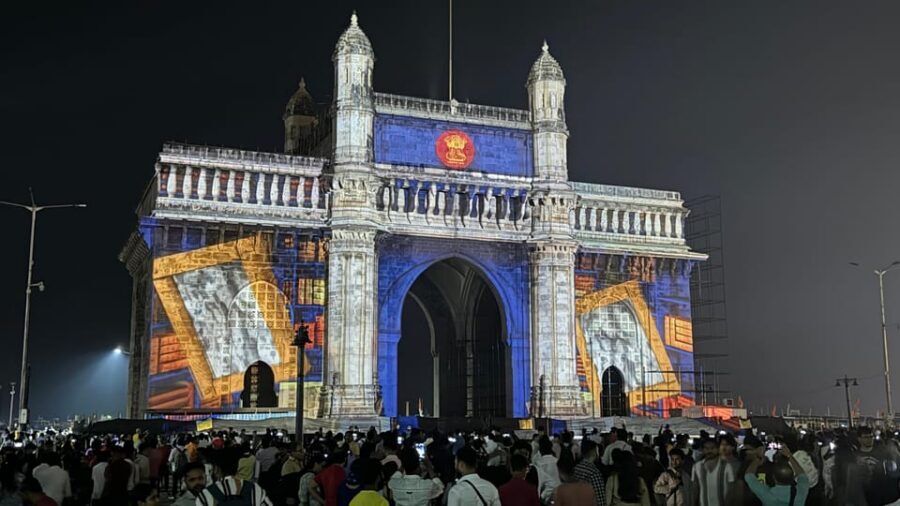
- Gateway of India by the water: start at one of Mumbai’s most photogenic silhouettes, lit against the Arabian Sea
- Bombay Stock Exchange and colonial facades: quick lessons on finance and imperial-era architecture
- Chhatrapati Shivaji Maharaj Terminus at night: a UNESCO-grade building that looks even sharper after dark
- Marine Drive’s Queen’s Necklace effect: streetlights + sea breeze = instant atmosphere
- Malabar Hill viewpoints: panoramic city-skyline views, often timed for sunset
- Safety-first guidance: guides and drivers are noted for caring about your belongings, including cameras
Why Mumbai’s night lights are worth your time
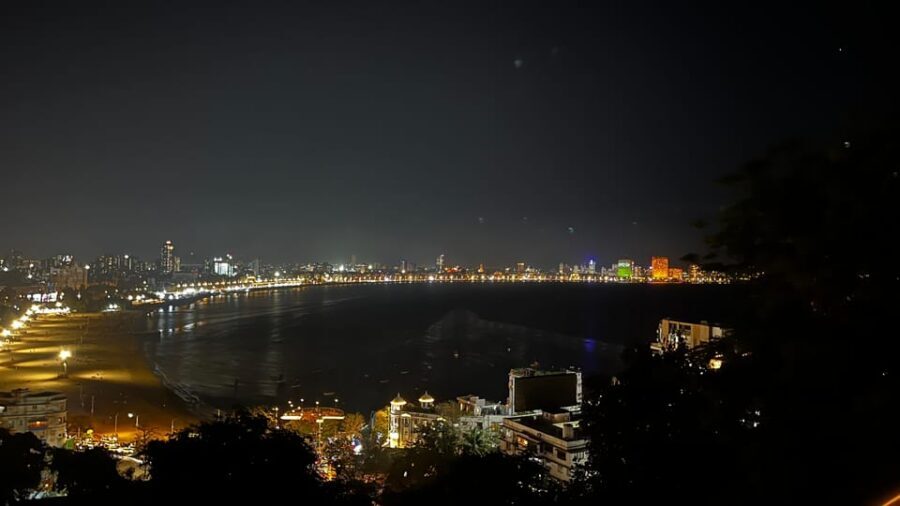
Mumbai at night has a different rhythm. During the day, it can feel like the city is always moving—crowds, heat, and constant motion. At night, the pace loosens just enough that you can actually see the architecture and notice how the sea and streetlights change the mood.
This tour is built for that exact feeling. You get a guided route that strings together major sights and the “wow” framing you’d otherwise hunt for on your own. The upside is clarity: you spend time at places that look good under lighting, with someone pointing out what matters and why it’s there.
If your visit is short, this is also a smart way to avoid the classic Mumbai problem: you can’t possibly cover everything, so you need a focused path. Here, the route stays tight around central Mumbai sights, coastal views, and one elevated skyline viewpoint.
You can also read our reviews of more evening experiences in Mumbai
From Gateway of India to the Bombay Stock Exchange: the city’s two faces
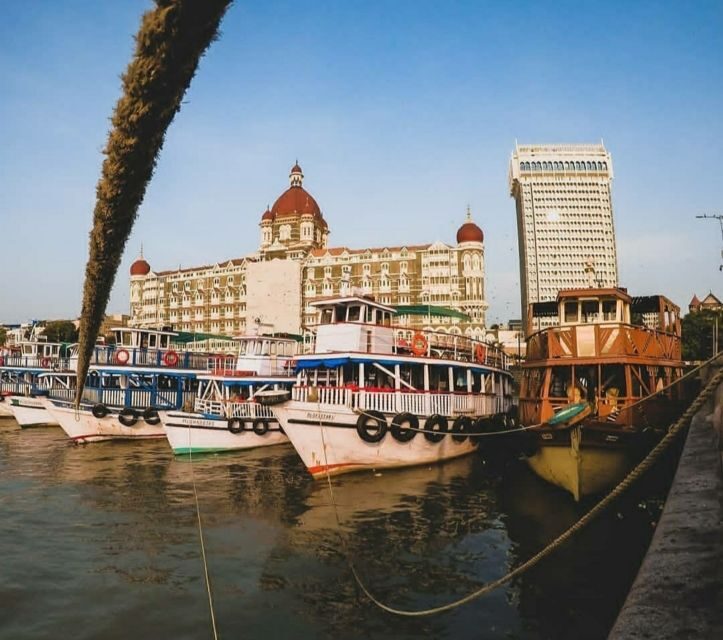
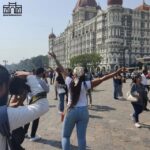
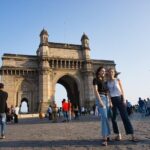
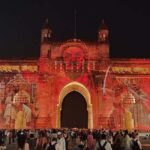
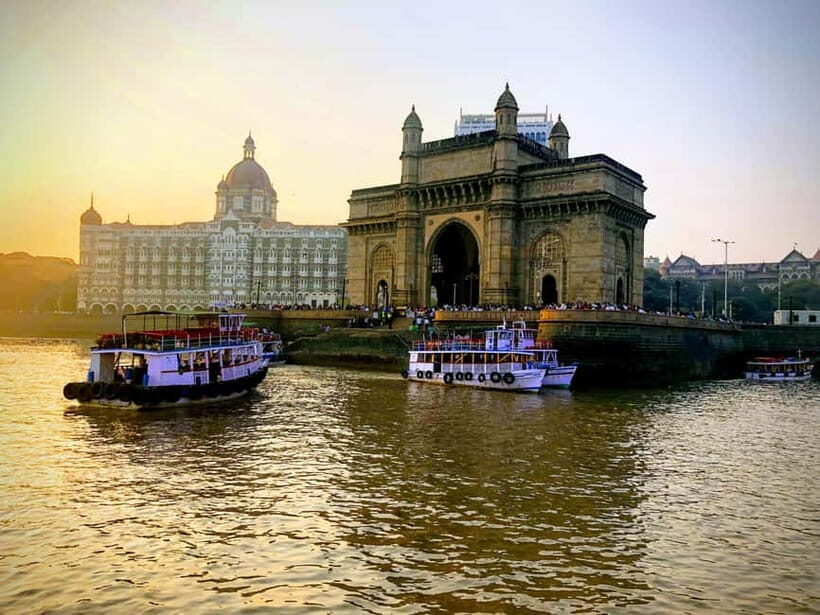
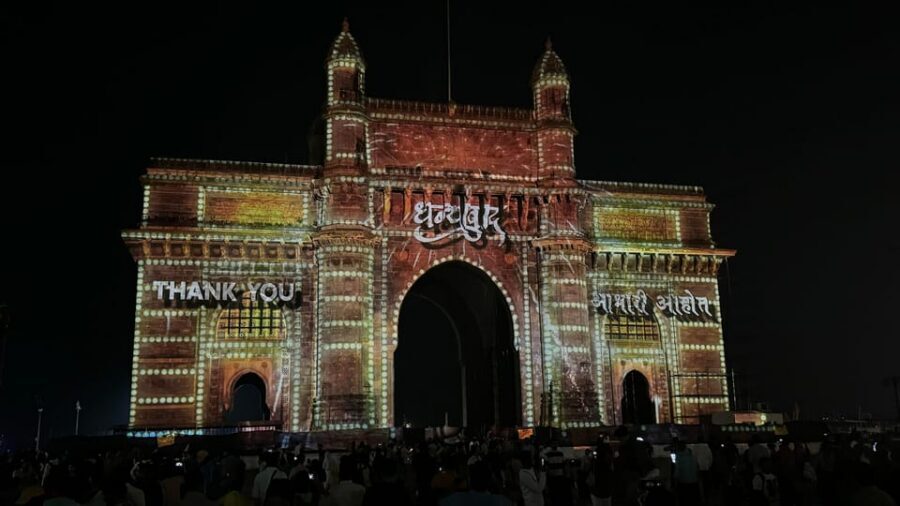
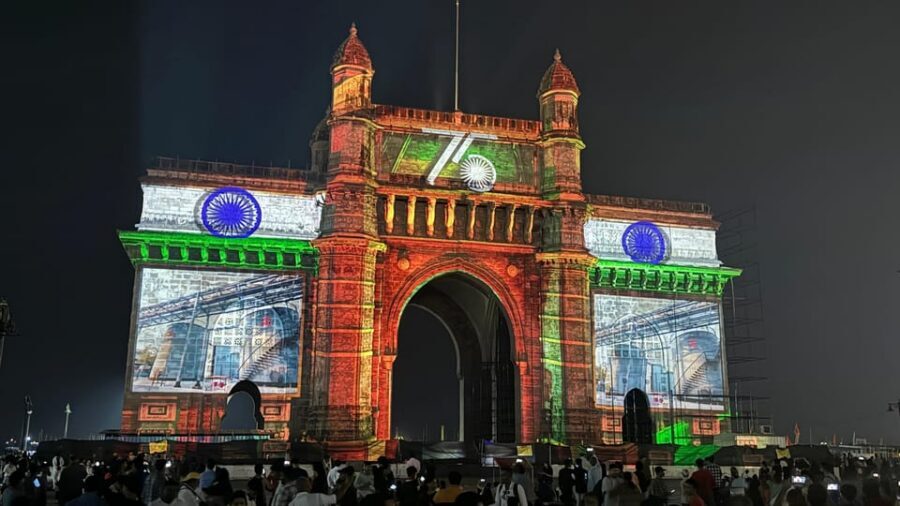
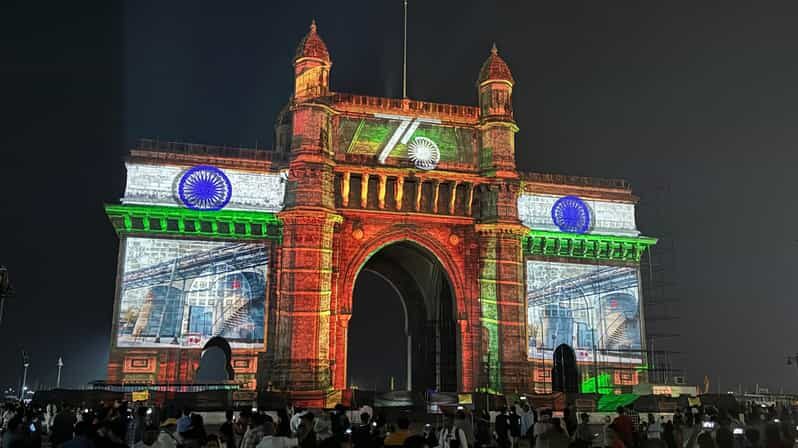
Most good nights start with a strong first image, and Gateway of India is it. You’ll begin at this iconic monument along the Arabian Sea, where the lights reflect off the water and make the area feel calmer than you might expect. Even if you’ve seen photos, seeing the scale in person helps. It’s one of those places that instantly tells you you’re in a real port city, not just a place with landmarks.
From there, you’ll move toward the Bombay Stock Exchange area, with a quick, guided look at Mumbai’s financial heartbeat. This part matters because it puts Mumbai’s modern identity next to its colonial-era styling. You’re not just sightseeing buildings—you’re understanding how the city functions. Even a short stop at the BSE area can be a useful anchor point if you’re trying to wrap your head around Mumbai’s role in India’s economy.
This is also a good segment for your “night eyes” moment. After the initial sea-facing start, your guide helps you shift your attention from the scenery to the details: lighting lines on facades, the way the buildings sit along the street, and how the area’s purpose shapes the look.
High Court of Bombay and Rajabai Clock Tower: quick lessons in colonial design
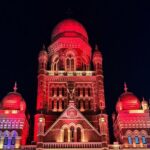
Next come two standout pieces of colonial-era architecture: the High Court of Bombay and the Rajabai Clock Tower. At night, these buildings feel extra formal. The lighting doesn’t just make them visible—it makes the details easier to read from the street.
Here’s what I’d pay attention to with your camera (if you use one): the tower’s silhouette and the contrast between stone surfaces and the darker sky. The guide’s role is key because they’ll connect what you’re seeing to the why—how these institutions were built to project authority, order, and permanence.
This portion is short by design, but it’s practical. You get a guided “pattern recognition” moment: once you understand what to look for in one colonial facade, you’ll start noticing similar styling as you pass other buildings later in your trip.
Chhatrapati Shivaji Maharaj Terminus (Victoria Terminus) at night
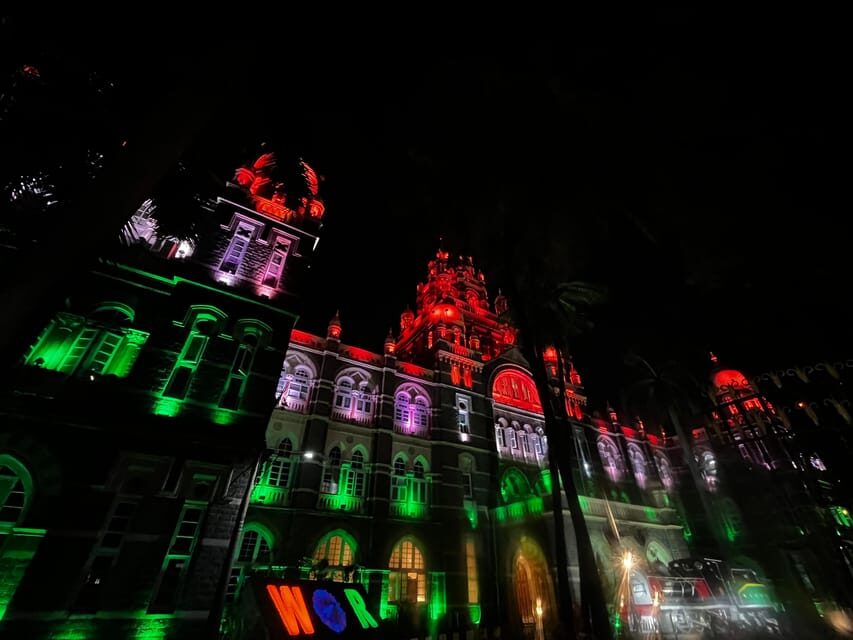
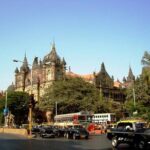
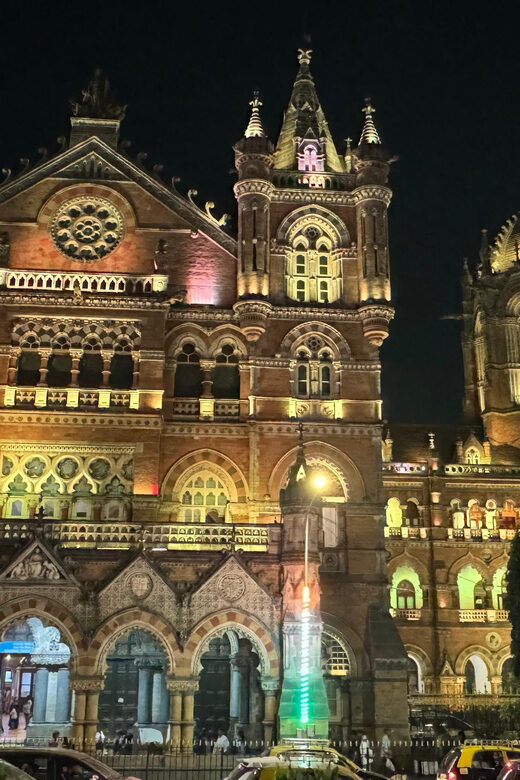
If you only remember one structure from the tour, make it this one. Chhatrapati Shivaji Maharaj Terminus (historically known as Victoria Terminus) is a UNESCO World Heritage Site and looks dramatic after dark.
The tour approaches it at a good moment—when the station is lit enough for details to show, but the streets still feel like evening. It’s set in that Victorian Gothic style, with shapes and ornamentation that don’t fully register in daylight chaos. At night, the lines are cleaner, and your photos have a better chance of capturing the building rather than just a blur of movement.
Even if you’re not a rail fan, treat this stop as a lesson in architecture as power. A grand station wasn’t just a place to travel—it was a statement about ambition, engineering, and how cities wanted to be seen. You’ll get a guided explanation that brings the station’s grand past into focus, which is exactly what you want from a night tour: context that turns a photo opportunity into something you remember.
Marine Drive and the Queen’s Necklace: a coastal stroll with real atmosphere
Then you hit Marine Drive, the famous curved boulevard along the coastline. In the evening, this is where Mumbai’s mood clicks into place. Streetlights line the road and create the effect people describe as the Queen’s Necklace—small glowing points stretching along the curve, with the sea nearby to soften everything.
This stop is not about ticking a box. It’s about spending a short time in the best kind of city setting: public, iconic, and easy to enjoy without stress. The cool evening breeze off the Arabian Sea makes it a pleasant break from driving and formal architecture.
A good tip: keep your camera handy, but also take a moment to look up and walk the curve, not only shoot from one spot. The look changes as you shift position because the boulevard bends. If you do both—one quick photo burst and one slower walk—you’ll leave with images and memories.
Also, if you’re someone who gets overwhelmed by big cities, this section helps. It’s a calm stretch where your brain can reset while still feeling like you’re in the center of the action.



Malabar Hill: passing the elite skyline—and a sacred-water sight
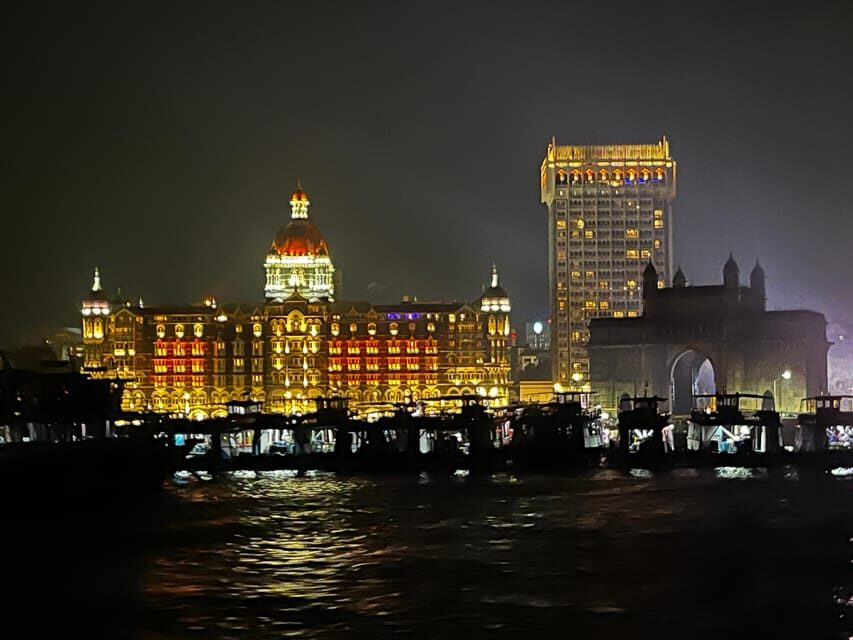
As the tour continues, you’ll pass through Malabar Hill, one of Mumbai’s more upscale residential areas. Even if you’re not shopping or living there, it’s a useful contrast to the sea-front and central institutions you saw earlier. The city changes character as the elevation and neighborhoods shift.
This is also where the tour’s highlight about sacred waters comes in. You’ll get to witness sacred waters flowing in a tank in the Malabar Hill area. It’s one of those moments that reminds you Mumbai isn’t only about monuments—it’s also about daily spiritual practice.
How to think about this stop: it’s not a lengthy temple visit with a lot of ceremony time. Instead, it’s a chance to see faith and ritual made visible in a public space, connected to a neighborhood and a landscape. At night, religious sites can feel especially intimate because the lighting and quiet pull your focus in.
Pramod Navalkar Viewing Gallery: sunset-to-city-lights photo timing
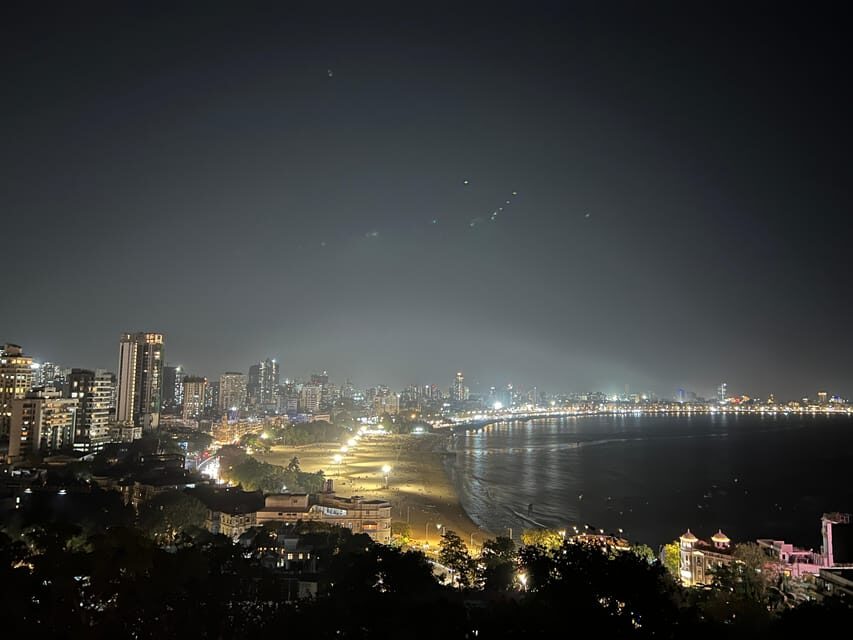
The tour ends on a strong visual note: Pramod Navalkar Viewing Gallery. This is a panoramic photo stop and a guided moment at an elevated viewpoint.
What makes it valuable is timing. The tour description notes that if it’s scheduled well, you may catch the sun dipping below the horizon. Watching that shift—orange and pink sky fading into darker blues—gives you a natural transition from “day color” to “city lights.” After that, Mumbai’s lights start doing their work, and the skyline becomes a pattern rather than a mass.
Even if you don’t catch perfect sunset, the viewpoint is still useful because it gives context. You stop seeing individual landmarks and start seeing the city as a whole. That’s exactly what you want after a night tour built from separate iconic spots: the gallery helps you connect them into one mental map.
How the driving and walking really feel (and why it matters)
This tour runs about 2.5 to 3.5 hours, so it’s designed to be doable without eating up your whole evening. You’re in an air-conditioned car for the longer moves, which matters in Mumbai where the heat and congestion can drain your energy.
The walking segments are short. You’ll move between places, pause for guided explanations, and take photos. That structure is good for a night tour because it balances attention and comfort. You’re not constantly on your feet, but you also aren’t stuck staring from inside the vehicle.
Your guide is English-speaking, and that can make a real difference at these sites. When someone can explain what you’re looking at—why the buildings were built, how the streets relate, what the key details are—your time feels more complete.
Price and value: why $16 can work surprisingly well
At about $16 per person for a 2.5 to 3.5 hour guided night route, the value is strong—especially if you’re not staying long in the city.
You’re getting:
- A live English guide
- Bottled water
- Air-conditioned transport
- All fees and taxes included
What that means in practical terms: you’re not paying extra for basic comfort and guidance, and the tour covers multiple major landmarks in one session. If you tried to do this on your own, you’d still spend money on transport and time figuring out a sensible order. Here, the planning is already done for you.
The one trade-off is depth versus speed. The stops are brief, so it’s not for people who want long museum-style time at every site. But for an orientation sweep—especially at night—it’s a cost-effective way to see the highlights and get the why behind them.
Safety and comfort: the camera gear factor
One of the strongest themes in the experience is personal safety and feeling cared for. There’s feedback praising guides for being professional and attentive, even helping protect camera gear from people trying to grab it. That kind of awareness matters in a city like Mumbai, where crowds and street activity can change quickly.
A friendly, careful driver also makes a difference. Safe driving isn’t just about smooth rides—it’s about staying relaxed enough to enjoy the stops and photo moments instead of feeling tense the whole time.
So if you’re bringing a phone on a selfie grip or a bigger camera, I’d treat this as a real perk: you’ll likely feel more comfortable handling equipment because the tour staff is watching the bigger picture while you focus on the view.
Who should book this night lights tour
This tour fits best if you:
- Are in Mumbai for a short time and want a focused set of sights
- Love night photography, especially city skylines and lit architecture
- Want a guided explanation rather than wandering around on your own
- Prefer an evening walk-and-view style with a car connecting stops
It’s also a good option for first-timers who find Mumbai overwhelming. The route helps you build a mental map without having to master local transport schedules.
Quick notes on where you’ll end up
At the end, you’ll be dropped at one of three locations: Mumbai, PizzaExpress, or around Chatrapati Shivaji Terminal (CST) Victoria Terminus (VT). That’s helpful because it gives you choices depending on where you want to be next—either back toward central areas or closer to transit zones.
Should you book?
Yes, if your goal is to see Mumbai’s iconic sights in a way that feels organized and calm. For the price, you get a strong mix: Gateway of India, Bombay’s financial landmarks, two colonial-era facades, UNESCO-level architecture at Chhatrapati Shivaji Maharaj Terminus, the coastal glow of Marine Drive, and a viewpoint that can include sunset colors.
Book it especially if you want a night route that makes sense in a short window and you value a guide who keeps you comfortable and mindful of your things. Skip it if you’re chasing deep time at a single site or want an off-the-beaten-path walking marathon with lots of long stops.
FAQ
How long is the Mumbai Night Lights & Iconic Sights Tour?
It typically runs 2.5 to 3.5 hours.
Where does the tour start?
The starting point/pickup location depends on the selected option. The route begins at the Gateway of India.
Is there an English-speaking guide?
Yes, there is a live tour guide in English.
What major sights are included?
You’ll see the Gateway of India, Bombay Stock Exchange area, High Court of Bombay, Rajabai Clock Tower, Chhatrapati Shivaji Maharaj Terminus (Victoria Terminus), Marine Drive, Malabar Hill, and you’ll have a photo stop at Pramod Navalkar Viewing Gallery.
What’s included in the price?
Bottled water, an air-conditioned car, and all fees and taxes are included.
What’s the cancellation policy?
Free cancellation is available up to 24 hours in advance for a full refund.
Can I pay later and keep flexibility?
Yes. You can reserve now & pay later, so you can book without paying immediately.