REVIEW · MUMBAI
Mumbai Spice Markets and Bazaars Tour with Guide and Transport
Book on Viator →Operated by No Footprints · Bookable on Viator
Spices in Mumbai hit fast, then stick. This private tour walks you through tight lanes and fragrant stalls with a local guide, so you don’t just see markets—you understand what you’re smelling and buying.
I like the hotel pickup and drop-off because it removes the biggest friction in Mumbai planning. I also like that the tour has clear anchor stops, including Chor Bazaar and Lalbaug Spice Market, each around an hour, so you get time to look, ask questions, and breathe between crowds.
One thing to consider: market streets can feel noisy, crowded, and chaotic, even with a guide. If you’re sensitive to heavy smells and busy foot traffic, plan to keep your expectations flexible and let your guide set the pace.
In This Review
- Key Things You’ll Notice on This Tour
- Price and Value: What $91 Buys You in Mumbai
- How the Private Guide Makes the Markets Make Sense
- Your Morning Game Plan: Pickup, Timing, and Comfort
- Chor Bazaar: The Thieves Market with a Repair-Garage Past
- Lalbaug Spice Market: Chilies, Mixes, and the Language of Flavor
- Beyond the Two Main Stops: Other Bazaars on the Route
- What You Can Expect to Buy (and How to Shop Wisely)
- The Pace: Relaxed Time in Noisy Places
- Who This Tour Is Best For (and Who Might Prefer Another Plan)
- Price and Logistics Details That Actually Matter
- My Booking Advice: Should You Do This Tour?
- FAQ
- FAQ
- How long is the Mumbai Spice Markets and Bazaars Tour?
- What are the main stops on the tour?
- Is hotel pickup and drop-off included?
- Is this tour private?
- What is included in the price?
- What is not included?
- Are tickets required for the market stops?
- Can children join for free?
- Can I cancel for a full refund?
- Is the tour available on Mumbai Marathon day?
Key Things You’ll Notice on This Tour
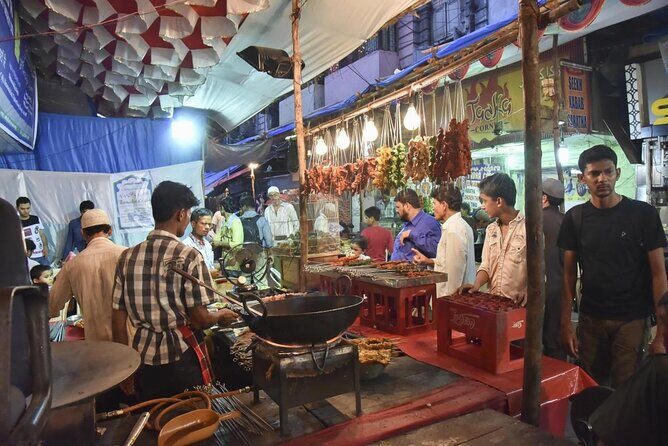
- Fragrance-first spice shopping: you get hands-on time looking at chili varieties and spice mixes
- Chor Bazaar’s real identity: it’s known as the Thieves Market, but it ties back to a noisy market origin and repair garages
- Local guide momentum: names you may get include Batul, Heer, and others who keep the pace friendly and relaxed
- Round-trip convenience: transport and driver are included, with pickup and drop-off built in
- Timeboxed stops: Chor Bazaar and the Lalbaug spice stalls are each about an hour
- Free market entry: the tour lists free admission for those main stops, so you’re not nickel-and-dimed at the door
Price and Value: What $91 Buys You in Mumbai
At about $91.02 per person for a 3 to 4 hour private-style market tour, the value comes from three places: guidance, transport, and less stress. You’re not trying to read the city on your own, and you’re not bargaining your way through every turn while figuring out where the “good stuff” is.
The price also feels more reasonable because the package includes GST and local taxes, plus a professional guide and a driver, not just a quick walking route. You’re effectively paying to compress a few separate market missions into one guided, timed loop.
One small watch-out: pickup from some Mumbai Suburban hotels may cost extra since it’s listed as not included. If your hotel is outside the easiest pickup zone, ask ahead what will happen so you don’t get a surprise on the morning.
You can also read our reviews of more guided tours in Mumbai


How the Private Guide Makes the Markets Make Sense
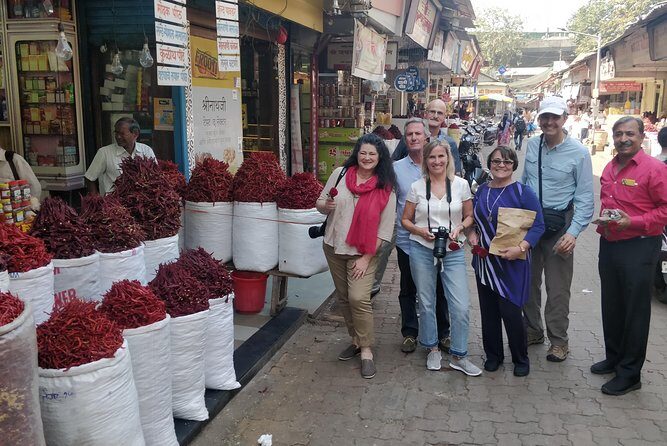
A spice market can be sensory overload if you arrive with no context. That’s where the guide work matters. People who’ve done this tour highlight guides like Batul and Heer for making the experience fun, engaging, and easy to follow, with history and practical shopping help.
In one group outing, the lead guide was Aman Wallia, supported by Kinjal, with Abhijeet as the driver. The point isn’t the cast—it’s the structure: you get a guide to interpret the stalls, not just a person walking ahead.
Expect a mix of explanation and real-world advice: what different spice blends are used for, how chili varieties show up in the market, and how to shop without feeling lost. If you love food, this is where you’ll connect the dots between what’s in an Indian kitchen and what’s laid out on the tables.
Your Morning Game Plan: Pickup, Timing, and Comfort
The tour is designed around hotel pickup and drop-off, with transport by private vehicle and a driver handling the route. For Mumbai, that’s a big deal. You avoid the guesswork of transit, and you keep the tour focused on the markets instead of commuting.
The tour is listed as private, meaning it’s just your group. That usually translates into a calmer pace than a fixed group bus loop, and you can ask questions without feeling rushed.
Timing is also fairly tight: plan on about 3 to 4 hours total. Chor Bazaar and the Lalbaug spice market are each set at roughly one hour, which means you’ll spend enough time to browse and ask, but not so long that you burn out.
Bring a basic sense of humor too. Markets here have their own rhythm—noise, narrow lanes, lots of people—and your best move is to go with the flow rather than trying to control every detail.
Chor Bazaar: The Thieves Market with a Repair-Garage Past
You start at Chor Bazaar, which literally gets translated as the Thieves Market. The name has an extra layer though: it was born from the idea of Shor Bazaar, a noisy market, and the area was used to house mechanics and their repair garages.
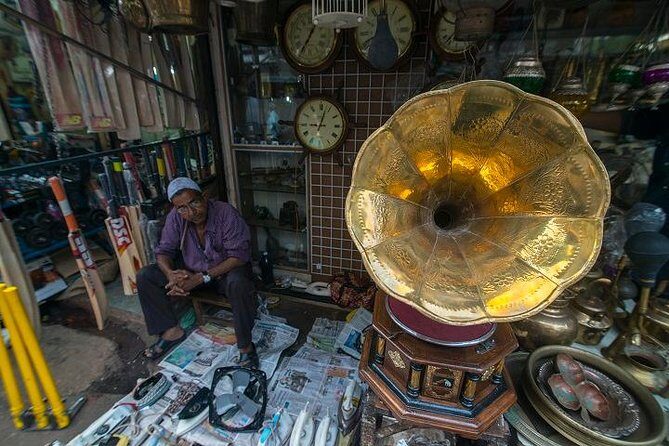
This stop is where you’ll see why Chor Bazaar is a magnet for collectors. You might spot things like furniture tied to the Raj era, plus unusual items such as vintage electronics (including vintage gramophones), out-of-print LPs, and handmade film posters. It’s not just spices here—it’s the street’s second life as a market for objects with stories.
The practical upside: an experienced guide can help you look for what’s worth attention instead of getting swept up in random browsing. You’ll also have a chance to confirm what’s authentic-looking and what’s just clutter, because the market covers a wide range of items and eras.
Possible drawback: Chor Bazaar’s energy can tip into “hard to browse” if you hate close quarters and you’re easily overwhelmed by noise. Keep your hands free, protect small items, and stay mindful of your personal space in the narrow areas.
Lalbaug Spice Market: Chilies, Mixes, and the Language of Flavor
Next comes Lalbaug Spice Market, and this is the stop that turns the trip into a real food education. The market showcases chili varieties by name—examples you’ll hear include Guntur, Bedki, Reshampatti, and Kashmiri. Those names aren’t random; they point to different flavors and heat levels.
Beyond individual chilies, the market is also known for spice mixes. This is important because Indian cooking often relies on blends—so seeing whole spices is only half the story. A guide can help you connect mixes to what you’ll actually cook with later.
From a shopper’s perspective, this is where you’ll likely do the most. One reason is simple: Lalbaug is built for people who want ingredients that can travel home and still taste good in your pantry.
Sensory note: expect strong smells. If you’re planning to buy spices, think ahead about how you’ll transport them safely and without making your bag smell like a spice shop for the next week.



Beyond the Two Main Stops: Other Bazaars on the Route

After the spice market, you’ll head to several additional bazaars that many visitors tend to miss. The exact names aren’t listed as a detailed stop-by-stop plan here, but the intent is clear: you see more of the market culture than the two obvious highlights.
This matters if you want variety. Mumbai’s market life isn’t one theme. You might encounter stalls that feel more local, more niche, or just different in how they display goods compared to the main spice focus.
If you’re the type who likes collecting small memories—textures, packaging styles, unusual ingredients—these extra bazaars give you space to slow down a little and look around. The trade-off is that you won’t have the same level of “talking points” as the two named stops, so lean on your guide for context.
What You Can Expect to Buy (and How to Shop Wisely)
Spice shopping is a fun souvenir plan, but it can get expensive if you don’t know what you’re paying for. This is why having a guide helps. People who’ve done the tour note that the guide supports shopping and helps them purchase.
Here’s how I’d approach it if you want value:
- Buy a few small quantities first if you’re unsure about heat or flavor.
- Ask what each mix is commonly used for, so you’re not just buying something that looks good.
- If you see multiple versions of the same chili name, ask what changes—heat level, aroma, or grind size.
Also, keep your luggage plan simple. Spices do best when they’re sealed and packed carefully. If you’re flying soon, think about leak-proof packaging and protection for the rest of your items.
One more practical note: markets move fast. Your best tactic is to decide your budget and then shop with a purpose, not a full stroll mindset.
The Pace: Relaxed Time in Noisy Places
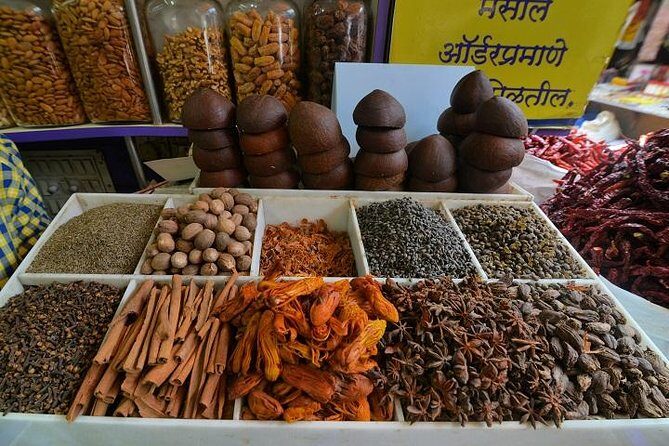
Mumbai markets can test your patience. That’s why I’m glad the tour is described as having a relaxed pace in at least one group experience, with guides known for being friendly and personable.
A relaxed pace doesn’t mean you move slow. It means you’re not being dragged from stall to stall. Instead, you get time to ask questions, smell spices, compare options, and take a breather when the lanes get tight.
If your group includes someone who’s less excited about shopping, the structure helps. You can focus on the storytelling and the food culture while your guide keeps the walk manageable.
Who This Tour Is Best For (and Who Might Prefer Another Plan)
This tour fits best if you want culinary context without turning your trip into homework. If you’re a foodie, cook, or just want to understand how Indian spices actually show up in daily cooking, you’ll get a lot from the chili names and mix explanations.
It’s also a strong pick if you hate navigating alone. The pickup/drop-off plus driver mean you can spend energy on the markets, not on figuring out transport and street routes.
If you’re traveling with kids: children 9 and below can do the tour free of cost, which can make it a better family value for a short, guided outing.
If you dislike crowds or strong smells, you’ll still be able to enjoy the big ideas with a guide. Just be honest with yourself about sensory tolerance, and keep expectations flexible.
Price and Logistics Details That Actually Matter
Here’s the practical stuff that affects real life:
- Duration: about 3 to 4 hours
- Stops: Chor Bazaar and Lalbaug Spice Market are each about one hour
- Admission: listed as free for the main stops
- Private: only your group participates
- Pickup issues: additional transport cost may apply for some Mumbai Suburban hotels
- Mobile ticket: provided
- Group discounts: listed as available
The included extras also reduce decision fatigue. You get professional guide + driver, plus hotel pickup and drop-off and private vehicle transport. That’s the kind of package setup that helps you avoid wasting half a day “working out logistics.”
There’s also a specific date limitation: the tour is not conducted on Mumbai Marathon day. If you’re traveling around that event, plan other market time instead.
My Booking Advice: Should You Do This Tour?
If your goal is to leave Mumbai with spice knowledge and a few usable purchases, I’d say yes. The combination of two focused market stops, a local guide, and hotel-based convenience makes it a smart use of a half day.
Book it if:
- You want to understand spice blends, not just photograph stalls.
- You prefer guided browsing in tight lanes.
- You’re buying chilies or spice mixes and want help shopping.
Skip it or choose a different style if:
- You’re very sensitive to noise and strong smells.
- You want a long, unstructured market wander (this is timeboxed to a few hours).
- Your hotel pickup area falls into the possible additional transport cost category and you don’t want any surprises.
FAQ
FAQ
How long is the Mumbai Spice Markets and Bazaars Tour?
The tour runs about 3 to 4 hours.
What are the main stops on the tour?
The named stops are Chor Bazaar and Lalbaug Spice Market.
Is hotel pickup and drop-off included?
Yes. Hotel pickup and drop-off are included in the package.
Is this tour private?
Yes. It’s a private tour/activity, and only your group participates.
What is included in the price?
The package includes GST and local taxes, a professional guide, driver, hotel pickup and drop-off, transport by private vehicle, and a hop-on hop-off tour component.
What is not included?
Additional transport cost may apply for pickup from Mumbai Suburban hotels.
Are tickets required for the market stops?
The information provided lists free admission for Chor Bazaar and the Lalbaug Spice Market stops.
Can children join for free?
Yes. Children age 9 and below can do the tour free of cost.
Can I cancel for a full refund?
Yes, you can cancel up to 24 hours in advance for a full refund.
Is the tour available on Mumbai Marathon day?
No. The tour is not conducted on the day of the Mumbai Marathon.