REVIEW · MUMBAI
Mumbai Walking Tour with Local Snacks
Book on GetYourGuide →Operated by Nine Tours · Bookable on GetYourGuide
Snacks and history walk together in Mumbai. This Mumbai heritage walking tour strings together 8–10 stops near Gateway of India, pairing architecture and street culture with a local snack break so you get more than photos. The included taste of Mumbai food and the way an expert guide frames what you’re seeing are the two big reasons it works.
One thing to watch: your experience can shift if your group gets mixed with a different walking style, so the exact route and end point may not match your expectations. If Marine Drive is part of your plan, confirm the finish location with your guide before you set off.
In This Review
- Key highlights at a glance
- Where this Mumbai heritage walk starts (and why that matters)
- The 2-hour plan: 8–10 stops you’ll walk through on purpose
- Colonial architecture and waterfront stories you can actually picture
- Religious sites on a walking route: why they’re more than scenery
- Markets and street life: where the guide helps you see patterns
- The snack and refreshment stop: the food you actually want to try
- The included tuk tuk ride: saving steps without losing the story
- Price check: is $18 good value for this Mumbai walking tour?
- Guide quality: what “good” looks like on this walk
- Potential downside: when the group doesn’t match the tour you booked
- Who should book this Mumbai heritage snack walk
- Should you book this Mumbai Walking Tour with Local Snacks?
- FAQ
- How long is the Mumbai walking tour?
- How many places will we visit?
- What’s included in the $18 price?
- Is hotel pickup and drop-off included?
- Are entry tickets included?
- What language is the tour conducted in?
- What should I wear for the walk?
Key highlights at a glance
- 8–10 heritage stops in about 2 hours near the Gateway of India area
- Tuk tuk ride included, so you’re not walking every single step
- Local snacks + refreshments plus 1 bottled water
- English-speaking guide, with real patience for questions (names like Matu, Kaushal, Meet, and Mahima come up often)
- A small-group feel that can make city walking feel calmer and safer
Where this Mumbai heritage walk starts (and why that matters)
Most heritage tours in Mumbai start with a landmark that’s hard to ignore, and this one is built around the Gateway of India area. That choice is smart for two reasons: you begin in a zone with concentrated history, and you can build a route that’s walkable in a short time.
There’s no hotel pickup or drop-off included, so you’ll need to make your own way to the meeting spot. That’s normal for city walking tours, but it does mean you should plan a little buffer time for Mumbai traffic and finding the group.
You’ll be on foot for a couple of hours, so comfortable walking shoes matter more than anything else. Also, the tour advises wearing comfortable long sleeves, which is a good idea even if you’re used to warmer weather—sun, shade gaps, and street-level wind can change fast.
You can also read our reviews of more walking tours in Mumbai



The 2-hour plan: 8–10 stops you’ll walk through on purpose
The core structure is simple: about 2 hours walking, covering 8–10 must-see places nearby. The stops are arranged to give you a usable overview of Mumbai—colonial-era buildings, religious sites, and busier street lanes that help explain daily life.
Even without a long itinerary, the format is designed to prevent the classic Mumbai problem: you see a few big sights, then spend the rest of the day feeling like you missed the story. A guided walk helps you connect what looks similar—facades, materials, street patterns—to what’s actually different across time.
Here’s how the tour tends to flow, based on what the experience offers:
- You start in the Gateway of India vicinity and begin moving through heritage streets.
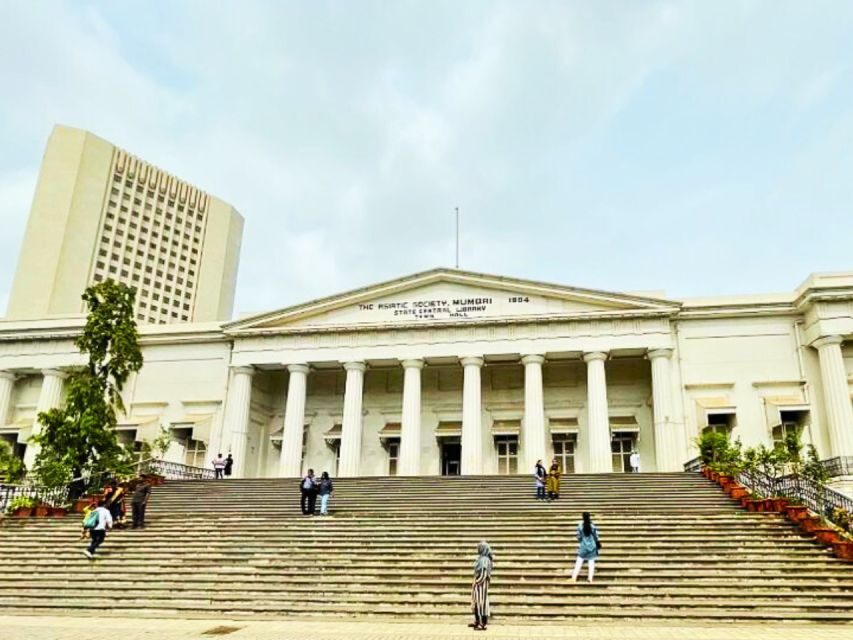
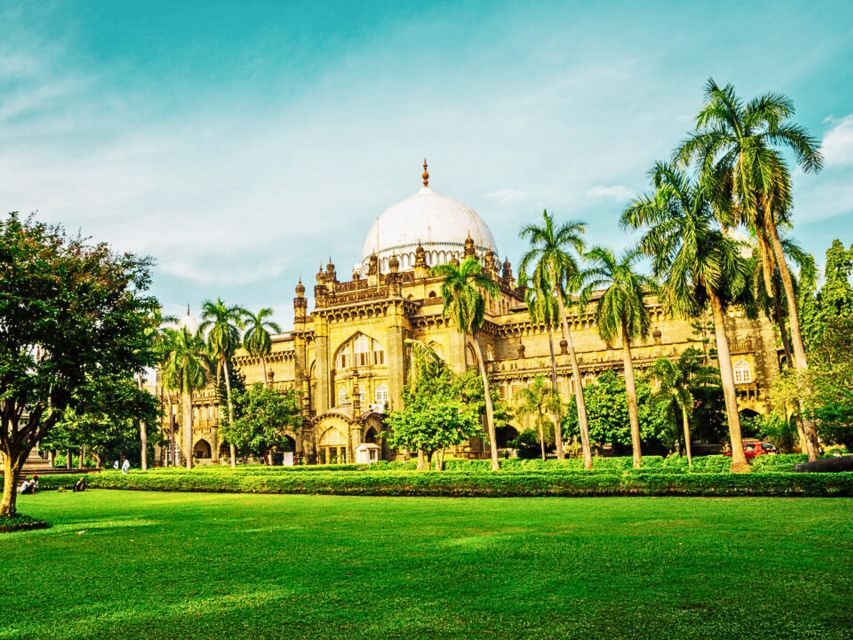
- You’ll pass and learn about colonial architecture and major landmarks in the area.
- You’ll include at least a couple religious sites, where the guide can explain how worship spaces shape the neighborhood.
- You’ll spend time in busy market-like streets, where everyday commerce shows up in the architecture and rhythms.
- You’ll get an included snack and refreshments during the walk, plus bottled water.
- You’ll finish after the final sight and transfer moments that wrap up the route.
A practical point: the tour includes a tuk tuk ride, which suggests the route is planned to reduce long detours. That can be helpful for energy, but it also means you’ll want to stay flexible on pacing—Mumbai doesn’t run on your schedule.
Colonial architecture and waterfront stories you can actually picture
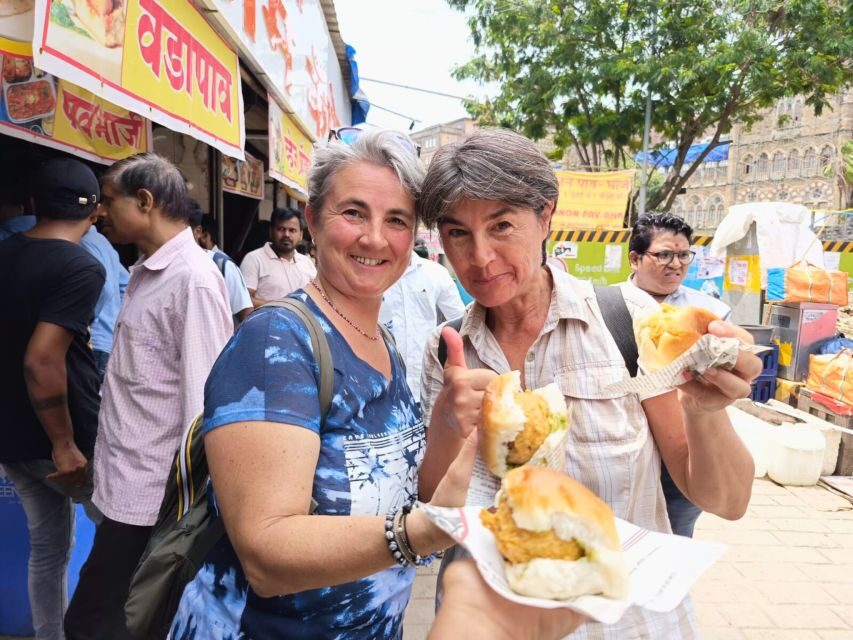
One of the biggest draws is the chance to see parts of Mumbai that feel designed for slow looking. The walk includes stunning architecture, and the guide’s job is to explain what you’re seeing—what came from colonial influence, what local communities adapted, and how the waterfront edge shaped development.
This is where a guided walk earns its keep. Buildings can look impressive in a quick glance, but without context you miss details like layout choices, materials, and how the street environment grew around the structures.
As you move through the Gateway of India area, you’ll likely notice how quickly the city shifts from public landmark space to smaller lanes. That contrast is the point. The tour’s value is turning those visual jumps into a timeline you can remember later.
Religious sites on a walking route: why they’re more than scenery
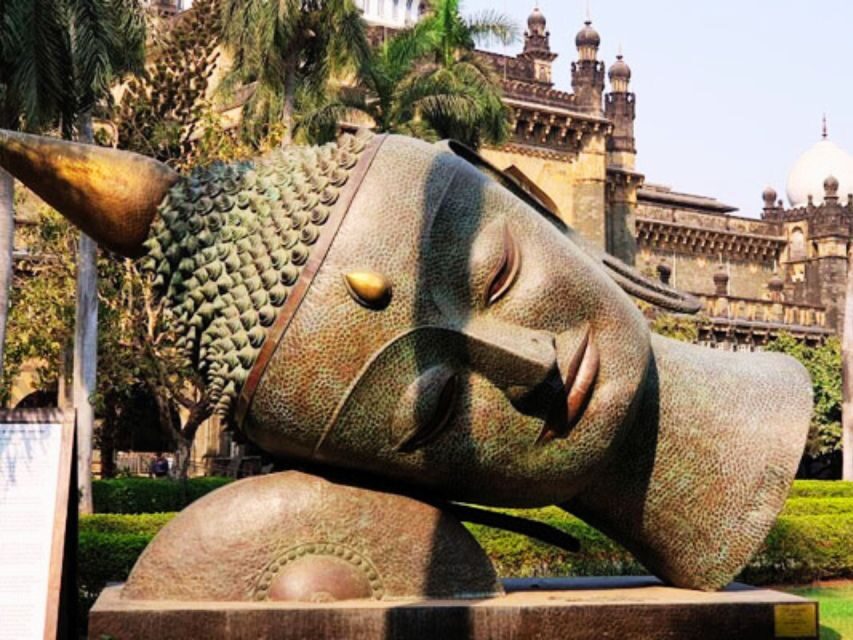
The tour specifically includes religious sites as part of the 8–10 stops. In a city this layered, places of worship aren’t just background—they’re anchors for neighborhood identity. A good guide will help you see how these spaces influence daily routines: where people gather, how communities organize, and why certain streets feel different near temples, churches, or other worship areas.
This kind of stop also changes the tone of the walk. Architecture-first routes can feel repetitive. When a guide adds religious sites, it gives you variety in what you’re paying attention to—symbols, entrances, community flow—so the walk doesn’t turn into a checklist.
One practical note: religious sites often come with rules on modesty and behavior. The tour’s recommendation for long sleeves is useful here, and you’ll also want to keep your shoulders covered and your phone use respectful.
Markets and street life: where the guide helps you see patterns
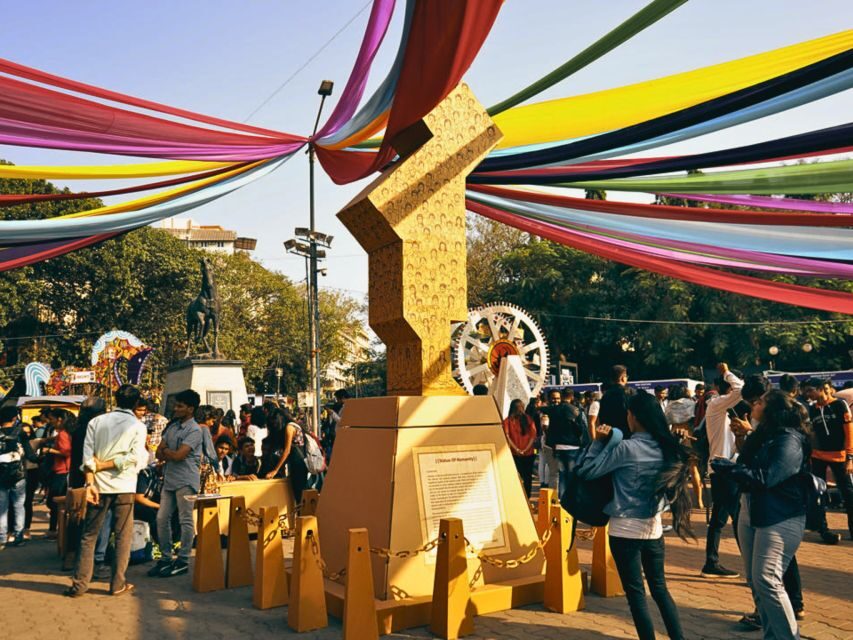
Mumbai’s markets and street lanes can overwhelm you if you wander without a map. This tour uses them strategically, adding bustling market sections as part of the heritage story instead of treating them like random wandering.
The value isn’t shopping. It’s observation. You’ll learn how commerce, street layout, and community life sit right next to major landmarks. That’s one reason the walk is only about 2 hours—enough time to notice patterns, not so much time that you get exhausted and stop paying attention.
If you’re the kind of traveler who likes to understand what people do day-to-day, this portion is often what makes the tour stick in your mind after you leave. Even if you only remember one or two street details, they’ll help you interpret what you see later on your own.





The snack and refreshment stop: the food you actually want to try
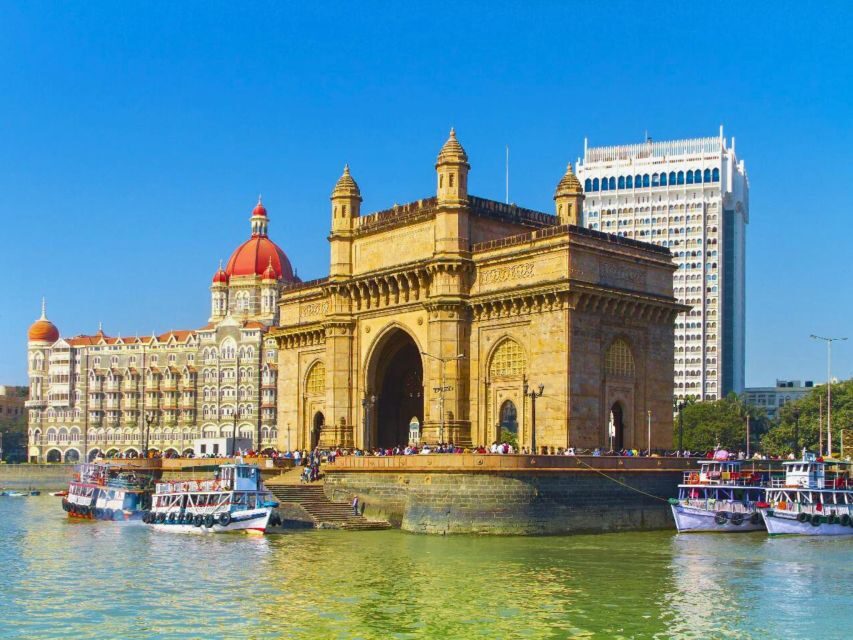
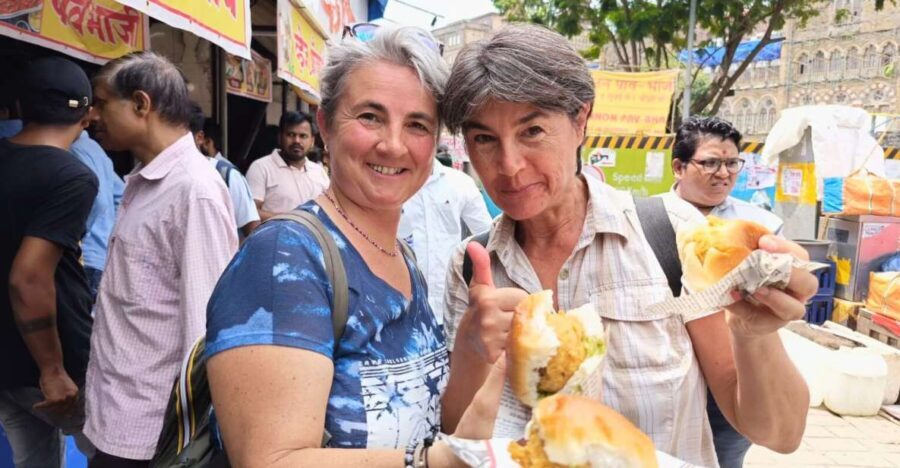
The tour includes local snacks and refreshments, and it’s paired with the walking rhythm so you’re not waiting forever to eat something. There’s also 1 bottled water included, which is helpful for a short, active walk.
From the experience descriptions, the snack emphasis is on tasting traditional street food styles rather than doing a formal sit-down meal. Meals are not included, so treat this as a snack break that keeps you going—not as a full lunch or dinner.
What should you do when you get the snack? Let the guide lead. Guides who are praised for being patient and accommodating (names like Meet, Kaushal, and Mahima come up) tend to do a good job of matching food choices to the group and handling questions in real time.
A good rule of thumb: start small, taste first, and then decide if you want more. You’ll get the point of the flavor without turning the snack stop into a stomach gamble.
The included tuk tuk ride: saving steps without losing the story

A tuk tuk ride is included, which changes the feel of a typical heritage walk. Instead of walking every stretch, the ride acts like a connector between denser areas and sight clusters.
This can be great for two traveler types:
- You want to see a lot in a short time.
- You’d rather spend your energy on the stops than on long transfers.
Still, plan for the reality of a city ride: it’s short, it’s urban, and you’ll want to stay aware of where the driver turns and where the group needs to get out. If you’re sensitive to motion or want long stretches on foot, you might prefer a walk-only option—but for most people, this included ride is a smart compromise.
Price check: is $18 good value for this Mumbai walking tour?
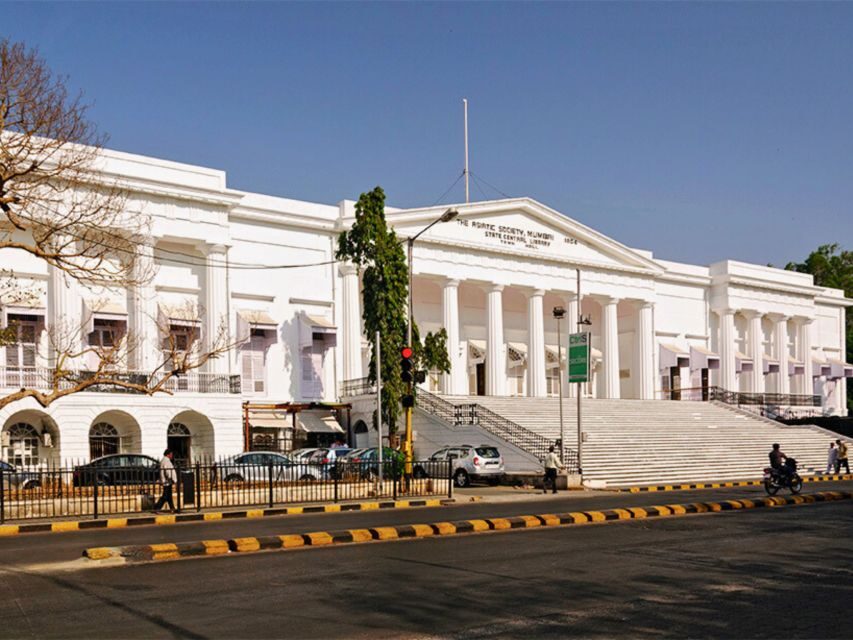
At $18 per person, the price feels competitive because the package combines several things you’d otherwise pay for separately: guided heritage orientation, a snack and refreshments, a tuk tuk ride, and bottled water.
For the value equation, here’s what matters most:
- Time: It’s about 2 hours, which fits a half-day plan.
- Stops: You get 8–10 sights, which is a solid density for walking.
- Included food: Snacks reduce the need to hunt for something halfway through.
- No entry tickets included: If any stop requires an entry fee, that cost is on you.
In other words, you’re paying for structure. If you’re the type who loves wandering, you could do parts of this on your own. But if you want the story behind architecture, religious sites, and street life, the $18 price is essentially buying interpretation and time efficiency.
There’s also a reserve & pay later option, which can help if your schedule is still a little loose. And cancellation is described as flexible up to 24 hours in advance for a full refund, which is useful when plans shift.
Guide quality: what “good” looks like on this walk
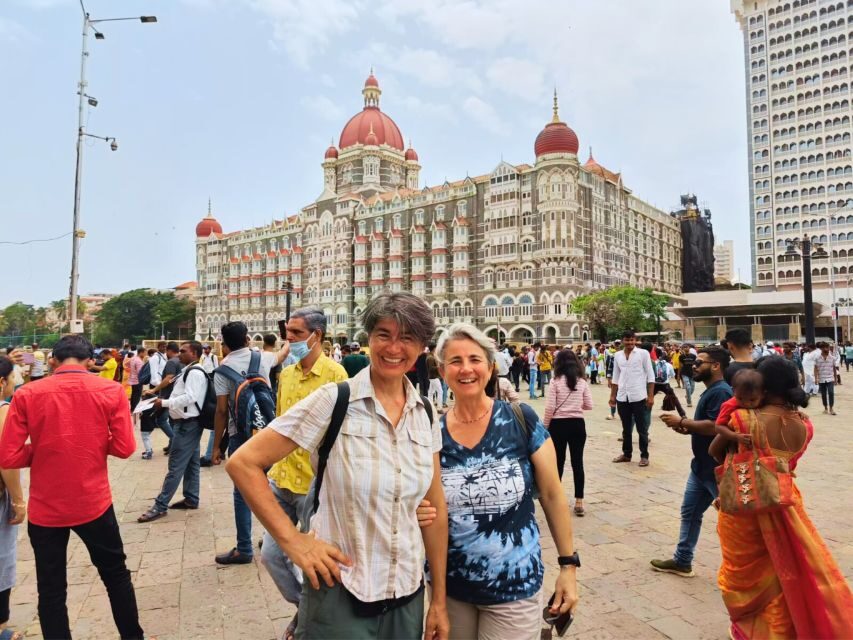
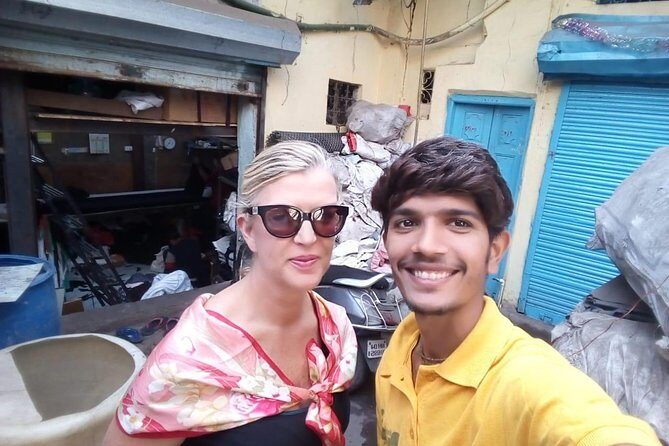
The guide is where this tour rises or falls. The praise tied to guides named Matu, Kaushal, Meet, and Mahima centers on a few repeat themes: they’re attentive, they answer questions patiently, and they make the walk feel safe and organized.
One detail I really like is the focus on learning the city, not just collecting landmarks. That’s an important difference in Mumbai, where the “big sights” are only part of the story. A strong guide helps you understand what you’re looking at in the moment, and you end up with a better mental map.
Another strong sign: at least one guide is described as adjusting the route based on group preferences and even extending the time to let people try more snack options. That kind of flexibility is exactly what you want in a walking format—because the best experience is the one that matches the group in front of you.
Potential downside: when the group doesn’t match the tour you booked
Here’s the fair warning. One experience described disappointment after the group was placed into a different walking tour style, meaning the paid itinerary didn’t play out as expected. The guide still provided snacks at the end, but the route and the planned end point felt off.
What does that mean for you? It means you should protect your expectations right at the start:
- Confirm the tour name and the promised heritage route plan with your guide.
- Ask where the walk ends and whether it’s near Marine Drive (some people book with that in mind).
- If your group seems headed in a very different direction, speak up early—don’t wait until the end when there’s no time to fix it.
Most likely, you’ll be fine. But this is the one risk point that can turn a great walk into a frustrating one. A quick check at the beginning saves a lot of regret.
Who should book this Mumbai heritage snack walk
This tour is a good fit if you want:
- A short, organized intro to Mumbai’s history through walking
- A guided mix of architecture, religious sites, and street life
- An easy snack break included in the route
- English guidance and a pace that suits typical visitors
It also makes sense if you’re staying near the Gateway of India area and want to connect that location to the wider story of the city.
You might want to choose something else if you’re extremely time-bound and need a specific sunset plan guaranteed, or if you dislike mixed-group formats in general. And if you’re hunting for very specific named landmarks only, remember this tour emphasizes a broader heritage overview with 8–10 stops rather than a single themed route.
Should you book this Mumbai Walking Tour with Local Snacks?
I’d book it if you want a practical, story-led walk that includes snacks, an included tuk tuk ride, and a guide who can explain what you’re seeing. The $18 price makes sense when you factor in guided time, food, and transportation inside the program.
I’d pause and confirm the endpoint if Marine Drive timing matters to you, since one disappointment came from a mismatch between the paid itinerary and what the group ended up doing. If you take 30 seconds to verify the plan at the start, you can avoid the only notable snag tied to this experience.
FAQ
How long is the Mumbai walking tour?
It runs for about 2 hours.
How many places will we visit?
The walk covers a total of 8 to 10 must-see places near the Gateway of India area.
What’s included in the $18 price?
The tour includes a tuk tuk ride, refreshments and local snacks, and 1 bottled water, along with guided sightseeing and stops.
Is hotel pickup and drop-off included?
No. Hotel pickup and drop-off are not available.
Are entry tickets included?
No. Entry tickets, if any, are not included.
What language is the tour conducted in?
The tour is offered in English.
What should I wear for the walk?
Wear comfortable long sleeves and comfortable walking shoes.