REVIEW · MUMBAI
Dharavi Tour Including Car Transfer
Book on Viator →Operated by Reality Tours & Travel Pvt Ltd · Bookable on Viator
Two stops, one reality check for Mumbai. This car-transfer tour links Dhobi Ghat and Dharavi so you see how Mumbai works and how people build daily life.
I like how the pacing respects your time: about 3 hours in Dharavi, after a quick 20-minute look at the open-air laundry. I also like the guidance factor, with a local guide and driver keeping the day focused and clear.
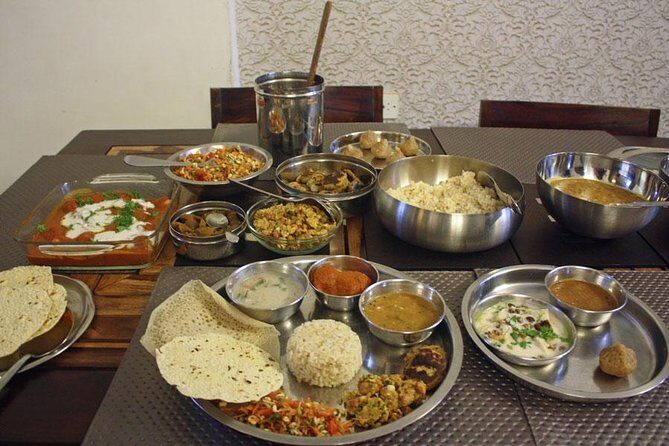
One thing to plan for: no food is included, and Dharavi’s lanes can feel tight and dusty, so comfortable shoes matter more than style—especially if you’re prone to foot fatigue.
In This Review
- Key things I’d circle on your plan
- Why Dhobi Ghat + Dharavi is a smart pairing
- Price and logistics: what you’re really paying for
- Pickup by car: saving your energy for the walking parts
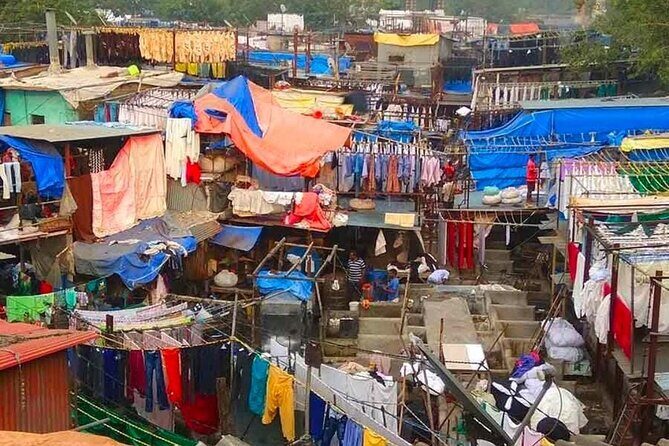
- Stop 1: Dhobi Ghat, the open-air laundry in 20 minutes
- Stop 2: Dharavi lanes and small industries up close
- Temples, mosques, and churches: seeing community geography
- Reality Gives and what your tour money supports
- Included extras: what you get and what you don’t
- Timing: how the day will likely feel
- Who this tour suits best (and who might not love it)
- Should you book Dharavi with car transfer?
- FAQ
- How long is the Dharavi tour with car transfer?
- What does the tour cost?
- Do I get hotel pickup and drop-off?
- Is there a stop at Dhobi Ghat?
- Are entrance tickets included for Dhobi Ghat and Dharavi?
- What will I see in Dharavi?
- Is food included?
- What’s included in the price?
- Is this a private tour?
- What is the cancellation policy?
Key things I’d circle on your plan
- Car transfer with pickup/drop-off from your hotel and return, handled by vehicle
- Dhobi Ghat in 20 minutes with admission ticket free
- Dharavi on real working streets with small-scale trades like embroidery, bakery, soap, leather tanning, and poppadom-making
- Religions side by side in residential areas, with temples, mosques, and churches you can actually see next to each other
- Reality Gives community centre visit tied to profits from the tours
- Guiding that connects to the place including examples of a strong guide named Javed
Why Dhobi Ghat + Dharavi is a smart pairing
Dhobi Ghat and Dharavi feel like opposites at first glance. One is a public stage for laundry work; the other is a full neighborhood built around dozens of businesses and services. Put together, they give you a fast, grounded look at how labor and community flow in Mumbai.
You also get a helpful context shift. Before you even reach Dharavi, the Dhobi Ghat stop shows you “work at scale” in an open-air setting. Then Dharavi takes that idea and shows it at street level: shopfronts, workshops, and homes interwoven so tightly you don’t experience it like a museum.
You can also read our reviews of more tours and experiences in Mumbai



Price and logistics: what you’re really paying for
At $36.29 per person for about 4 hours 30 minutes, you’re not paying for entrance tickets. Most admissions here are free, and the value sits in the combination of car transfer, a guide, and a structured route through neighborhoods that can be confusing on your own.
You also get practical extras that matter in a city like Mumbai. Air-conditioned vehicle, pickup/drop-off at your hotel or residence, and water/cold drink are included. The tour also offers a mobile ticket and group discounts, which is handy if you’re coordinating with friends.
And yes, it’s private. Only your group participates, so you can ask more questions without the usual flow of a larger group.
Pickup by car: saving your energy for the walking parts
This tour is designed around comfort from the start. If you’re staying in South Mumbai (like Colaba or Marine Drive), the route typically passes historical areas on the way toward Dhobi Ghat. Then you continue to Dharavi.
If you’re based in North Mumbai (like Bandra or Juhu), the plan is to go more directly to Dharavi. Either way, you’re looking at about 1 hour 10 minutes on the road in total, which is a big deal when you’re trying to see two places in one half-day.
The biggest benefit of the car transfer is not just convenience—it’s time. You spend energy where it counts: standing, walking, looking, and listening.
Stop 1: Dhobi Ghat, the open-air laundry in 20 minutes
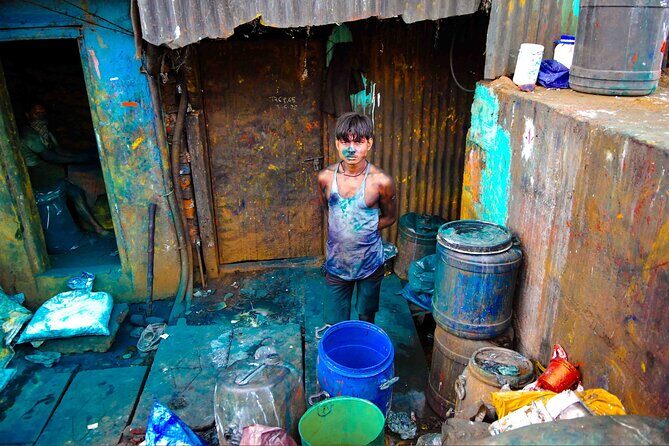
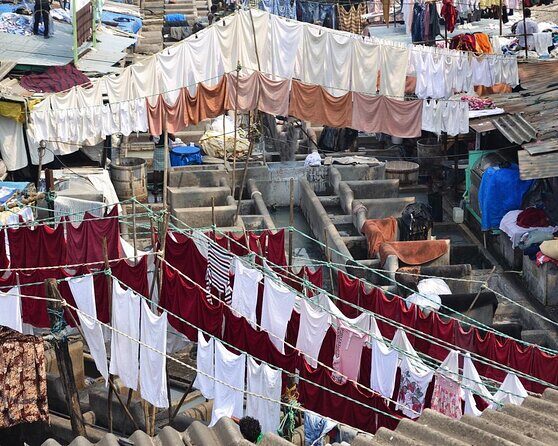
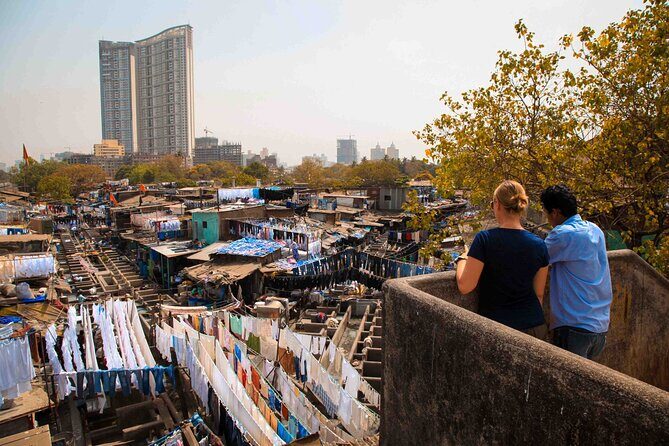
Dhobi Ghat is one of those places where the scale hits you even before you understand it. You’ll spend about 20 minutes here, and admission is ticket free.
What you’ll notice right away is the work rhythm. Dhobiwallahs—washermen—scrub and wash large items like sheets, including laundry coming from Mumbai’s hospitals and hotels. The setting is open-air, so you’re watching the whole process in daylight rather than through a gate or a back door.
This stop works well for a first-time Mumbai day because it gives you a clear theme: labor, routines, and systems. It’s not a performance set up for tourists. It’s a working place, so the atmosphere feels real and functional.
Practical consideration: because it’s outdoors, you’ll want light protection—especially on hot days—and you’ll still be moving at the end. If you’re sensitive to dust or heat, bring a light layer and plan to hydrate.
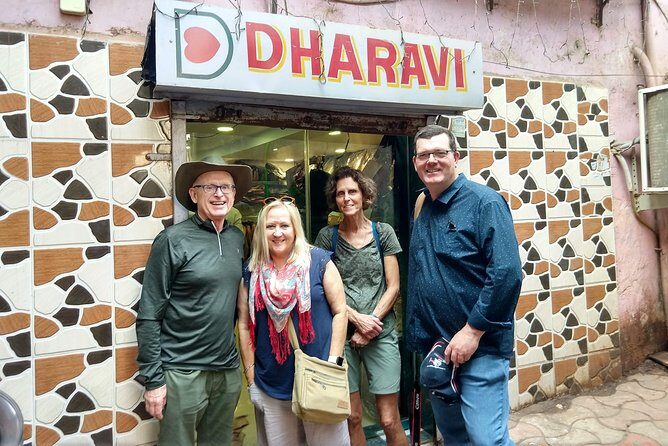
Stop 2: Dharavi lanes and small industries up close
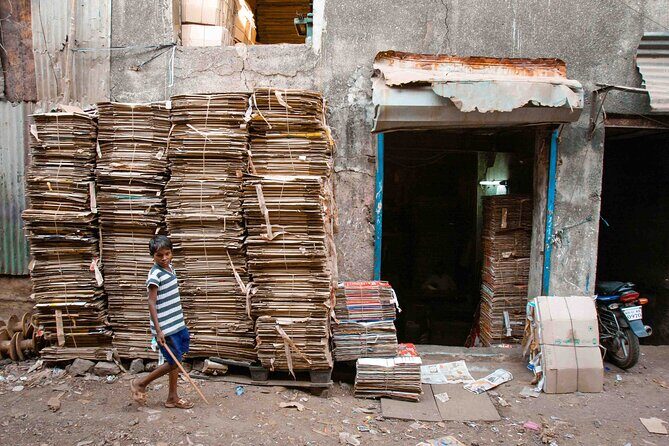
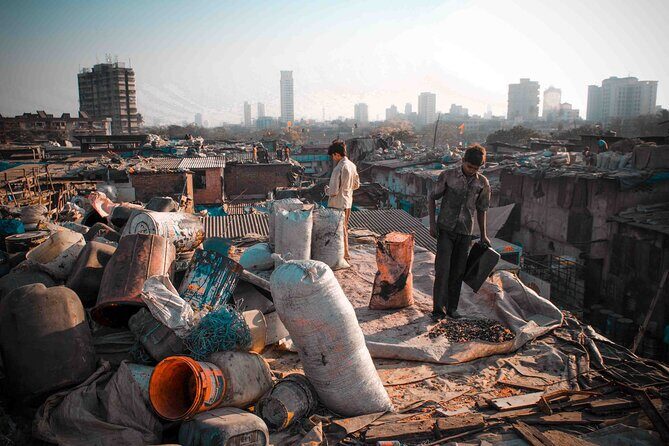
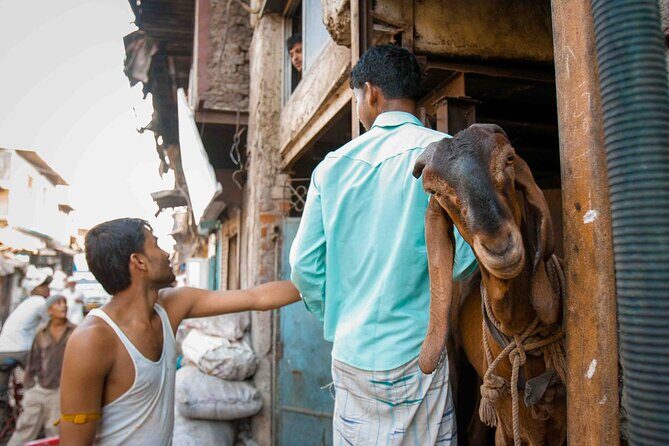
Then you shift gears into Dharavi. You’ll have about 3 hours here, with admission ticket free. Expect narrow lanes and alley-like streets where residential life and business activity share the same space.
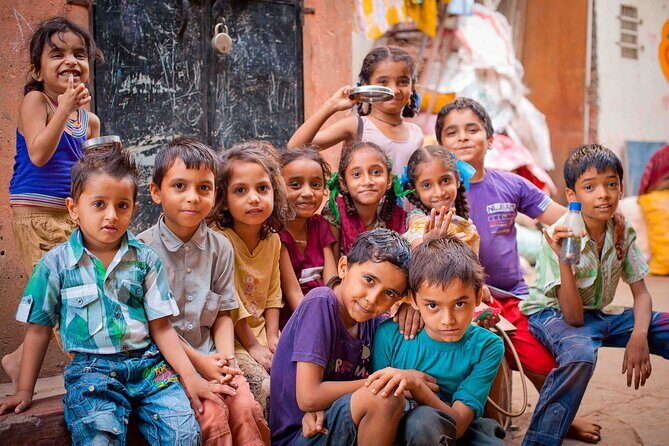
The most useful thing this visit does is challenge the usual shorthand people use for Dharavi. Instead of treating it as a single story, you’ll see it as a set of communities and trades. People come from different parts of India, and that diversity shows up in the religious buildings you pass through—temples, mosques, and churches standing close together in residential areas.
On the work side, you’ll see a wide range of small-scale industries, including:
- recycling-related activity
- pottery-making
- embroidery
- bakery
- soap factory work
- leather tanning
- poppadom-making
…and more smaller trades you’ll notice as you walk.
Here’s why I think this matters for your experience. Dharavi isn’t only about goods moving through workshops. It’s also about how people organize daily life around earning. When you see businesses woven into the neighborhood, the place stops feeling abstract.
A gentle caution: this is walking through active spaces. Keep your pace steady, give people room, and focus on observation. Some streets may feel cramped, and you’ll want to avoid anything that pulls attention away from the work happening around you.






Temples, mosques, and churches: seeing community geography
One of the strongest parts of the Dharavi experience is how easily religion becomes part of the street scene. You’re not only passing buildings; you’re watching how different faiths coexist in everyday space.
That detail isn’t just scenic. It helps you understand the neighborhood as something lived in by people with long-term routines, not only as a cluster of workshops. Once you notice the religious mix, the rest of the visit clicks into place: the temples, mosques, and churches aren’t separate “zones” for tourists to label. They’re part of how residents mark community and time.
If you enjoy places where you can read a neighborhood like a living map, you’ll like Dharavi more the more you slow down. Look up as you walk. You’ll catch more than you expect.
Reality Gives and what your tour money supports
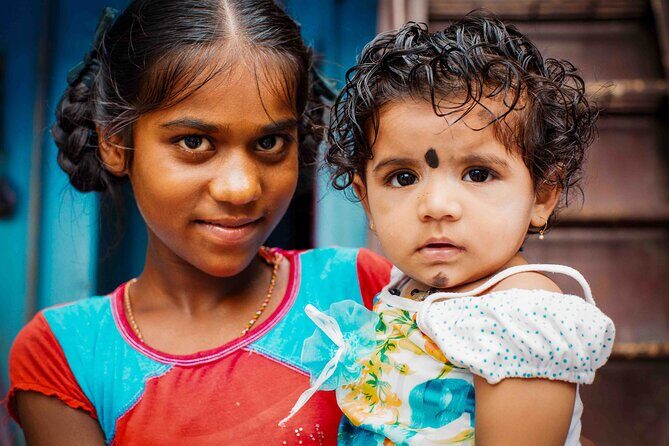
This tour includes a community centre visit connected to Reality Gives. The centre is funded through profits from the tours, so your payment is tied to local programming rather than disappearing into a generic service chain.
There’s also a broader connection to the tour operator’s work inside the area. In one of the strongest guide impressions connected to this experience, an office for Reality Tours & Travel is described as being inside the slums, with an educational program for young people run as part of their efforts.
In practical terms, this changes the feeling of the day. You’re not just collecting photos and notes. You’re seeing a place where a visitor can connect their curiosity to a specific support mechanism—something concrete like a community centre.
No matter your political views, it helps to know where your money is going and why the tour exists beyond sightseeing.
Included extras: what you get and what you don’t
You’ll get:
- an air-conditioned vehicle
- hotel/residence pickup and drop-off
- local guide and driver for the full tour
- water or a cold drink
You won’t get:
- food
That last point is important for comfort. Because the tour packs Dhobi Ghat and Dharavi into half a day, you don’t want to make your own meal decision mid-walk while everyone else is moving. If you can, eat before pickup, or plan to have something ready after the tour.
Also, because this is a walking-heavy neighborhood, you’ll likely want to carry a small water bottle if you’re heat-prone. Water/cold drink is included, but you may still prefer extra capacity depending on the day.
Timing: how the day will likely feel
The overall duration is about 4 hours 30 minutes. That includes your car time, the Dhobi Ghat stop, and the longer Dharavi segment.
A useful way to mentally plan it: you’ll start with driving and a short visual hit at Dhobi Ghat, then transition into a longer walking section in Dharavi. The breathing room is in that structure: you’re not stuck in one place for too long, and you get a clear rhythm—look, walk, listen, move on.
Bring a mindset of steady attention, not speed. The strongest moments in Dharavi come from watching how people work and live in the same space.
Who this tour suits best (and who might not love it)
This fits best if you want a guided look at real daily life, not just a checklist of landmarks. You’ll probably enjoy it most if you’re curious about how industries function at street level—recycling, pottery, embroidery, bakery work, soap production, leather tanning, and poppadom-making.
It’s also a good fit for people who like context. Dhobi Ghat gives you a “labor at scale” lens, and Dharavi gives you the neighborhood-scale version. Together they tell a coherent story in one day.
If you want a relaxed, sit-down sightseeing day, this may feel too hands-on. The walking and the working environment can take more focus than a standard city tour.
Should you book Dharavi with car transfer?
I’d book this tour if you:
- want easy logistics with hotel pickup and an air-conditioned vehicle
- like structured time in Dhobi Ghat and then a deeper walk in Dharavi
- care about seeing small-scale industries and how communities coexist
- appreciate a visit connected to Reality Gives and education support
I’d think twice if you:
- need a food-included outing
- dislike walking through crowded, working lanes
- want only quiet, low-interaction sightseeing
If your goal is to understand Dharavi as a real neighborhood with real work and real communities, this one has the ingredients: guidance, time, and two well-chosen stops that help you read Mumbai better by the end.
FAQ
How long is the Dharavi tour with car transfer?
It’s approximately 4 hours 30 minutes.
What does the tour cost?
The price is $36.29 per person.
Do I get hotel pickup and drop-off?
Yes. The tour includes hotel/residence car pickup and drop-off.
Is there a stop at Dhobi Ghat?
Yes. You visit Dhobi Ghat for about 20 minutes.
Are entrance tickets included for Dhobi Ghat and Dharavi?
Admission tickets are free for both Dhobi Ghat and Dharavi during the tour.
What will I see in Dharavi?
You’ll see narrow lanes and communities from different regions and religions, plus small-scale industries such as embroidery, bakery, soap factory work, leather tanning, and poppadom-making.
Is food included?
No. Food is not included.
What’s included in the price?
Included are an air-conditioned vehicle, hotel pickup/drop-off, a local guide and driver for the tour, and water/cold drink.
Is this a private tour?
Yes. Only your group participates.
What is the cancellation policy?
You can cancel for free up to 24 hours in advance for a full refund.