REVIEW · MUMBAI
Dharavi Slum Tour
Book on GetYourGuide →Operated by Linda Tour Mumbai · Bookable on GetYourGuide
Slum tours change how you see cities. This Dharavi Slum Tour is interesting because it reframes Dharavi as a working community tied to recycling and small manufacturing, not just a place to stare. I love the way the guides connect what you see to how products actually get made, especially around plastic recycling and metal work. I also love the clarity and warmth of guides like Ruqaiyya, who turns a short walk into real understanding, not vague facts. One consideration: it’s a walk through tight, busy lanes, so you’ll want comfortable shoes and a calm, respectful attitude.
The route is simple: you start near Mahim Railway Station, do a guided walk (about 2 hours), then end at Third Wave Coffee or near Dhobi Ghat. You get an air-conditioned vehicle and bottled water, which matters in Mumbai’s heat. The main trade-off is that meals and drinks aren’t included, so plan to eat afterward.
For a price like $8 per person, it’s the kind of Mumbai tours package where you can feel where the money goes: an English local guide, entry fees, and transport. If you want a tour run by a real local team (Linda Tour Mumbai), and you’re open to seeing the work side of Dharavi, this is a strong match.
In This Review
- Quick take: what matters most on a Dharavi Slum Tour
- Dharavi beyond the stereotypes: what this Mumbai slum tour is really about
- Meeting at Mahim Railway Station: your start point and the timing you should expect
- The 2-hour guided walk through Dharavi’s work zones
- Inside the thirteenth compound: plastic and metal recycling you can actually visualize
- Drop-offs near Third Wave Coffee and Dhobi Ghat: plan your next move
- Guides make the experience: Ruqaiyya, Neha, and why explanations matter
- Price and value in mumbai tours packages: is $8 a fair deal?
- What to bring and how to act respectfully in Dharavi
- Who should book this mumbai dharavi tour (and who should skip it)
- Should you book the Dharavi Slum Tour with Linda Tour Mumbai?
- FAQ
- How long is the Dharavi Slum Tour?
- Where is the meeting point?
- Is pickup available from my hotel or port?
- Where do you drop me off?
- What languages will the guide speak?
- What is included in the price?
- Are meals or drinks included?
- What rules should I follow, and can I cancel?
Quick take: what matters most on a Dharavi Slum Tour
- A 2-hour guided walk that focuses on daily work and how goods move through the recycling pipeline
- Mahim Railway Station start and drop-offs near Third Wave Coffee and Dhobi Ghat, so you can plan your next stop
- Hands-on industry examples, including plastic melting and molding tied to toy and button production
- Guides with strong local context, including Ruqaiyya and Neha, who explain with clarity and answer questions well
- Budget-friendly value for about $8, with entry fees, bottled water, and AC transport included
Dharavi beyond the stereotypes: what this Mumbai slum tour is really about
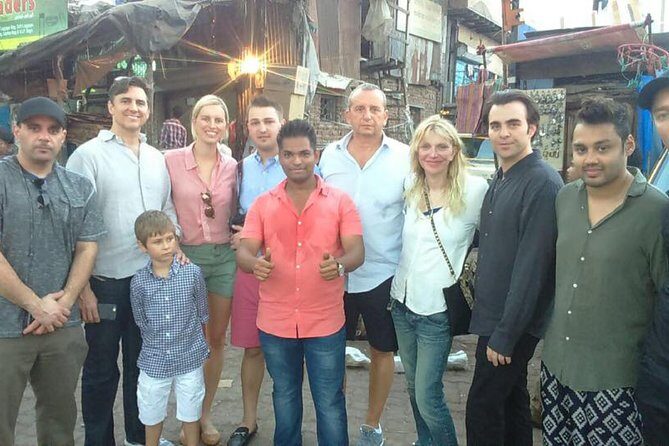
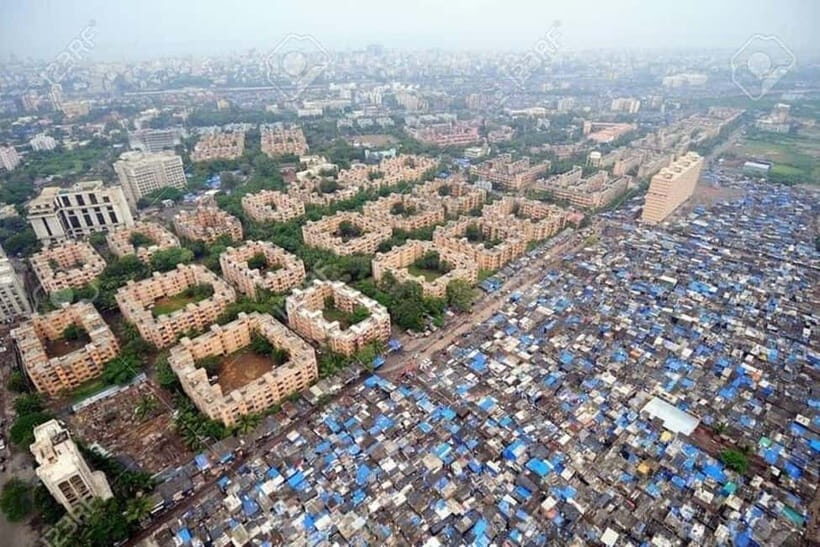
Let’s be honest: the word slum pulls your brain in one direction. This Mumbai dharavi tour tries to pull it back. The idea is to show you the day-to-day reality: people living and working in a place that’s grown into something like a city within a city. You’re given context on why Dharavi matters economically, especially through recycling, and you’re not asked to treat residents like a spectacle.
One thing I like about this approach is the focus on work you can actually understand. The tour highlights small-scale industries that turn waste into usable materials and finished products. Think plastic recycling, high-quality leather goods, ceramics, and embroidered garments. Even when you’re not standing in every type of workshop, the guide’s explanations help you connect the dots between “what you see” and “what it becomes.”
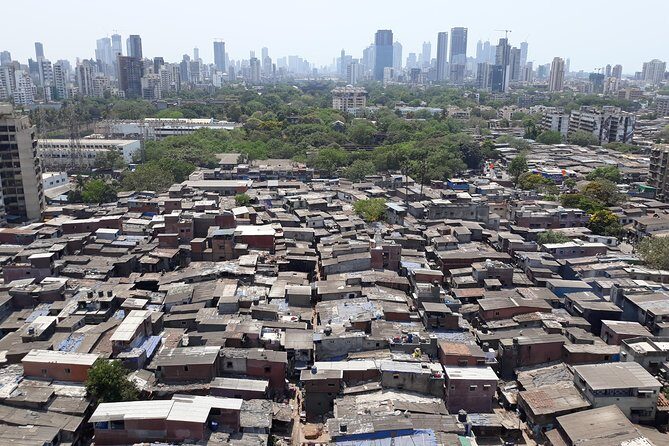
Another strong point is the way the tour challenges easy assumptions. Dharavi was founded in 1883 during the British colonial era, and over time it became a dense, interconnected community. The tour frames it as resilient and productive—an estimated 20 million people contributing to an estimated annual economic output of around $1 billion, largely tied to recycling. That doesn’t erase hardship, but it does balance the story.
The goal is not to pretend everything is perfect. It’s to help you see why Dharavi exists, how it functions, and how residents make a living in close quarters.
You can also read our reviews of more tours and experiences in Mumbai.



Meeting at Mahim Railway Station: your start point and the timing you should expect
Your tour has a transport setup built for Mumbai’s practical realities. Depending on the option you choose, you may have hotel or port pickup. If pickup is included, you’re asked to wait about 10 minutes before the scheduled start time in the hotel lobby.
Even with optional pickup, many departures start at Mahim Railway Station. That’s useful because it anchors the experience in a recognizable, workable part of the city. Once you’re there, you can focus on the walk rather than trying to figure out logistics on your own.
Duration is listed as 2–7 hours, which can feel confusing at first. The guided walking portion is about 2 hours, and the longer range usually comes from transport time and the exact pickup/drop-off option you selected. If you’re trying to stack plans later, don’t treat the full “2–7 hours” as pure walk time—expect some time in and out of the neighborhood.
The 2-hour guided walk through Dharavi’s work zones
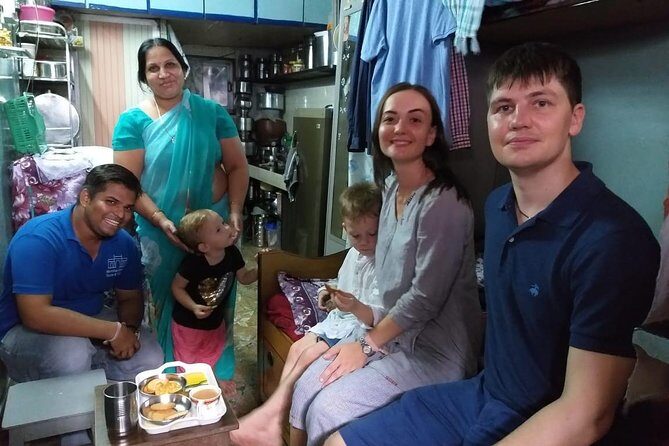
The heart of this Dharavi Slum Tour is the guided walk. You’re not touring in a bus. You’re walking through lanes where the industries are close to homes. The guide keeps things organized and helps you understand what you’re looking at as you go.
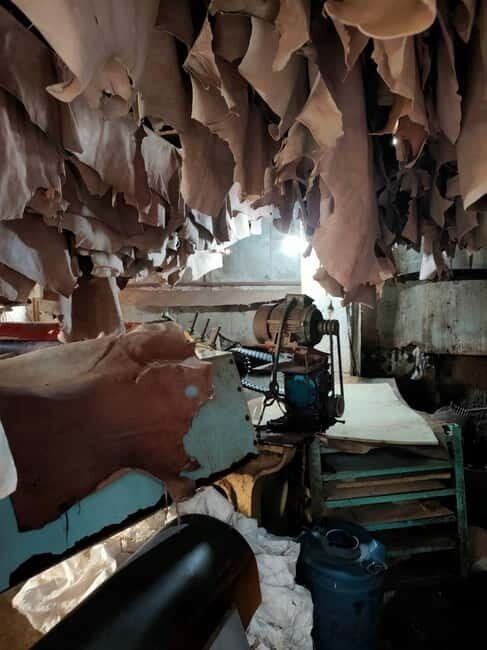
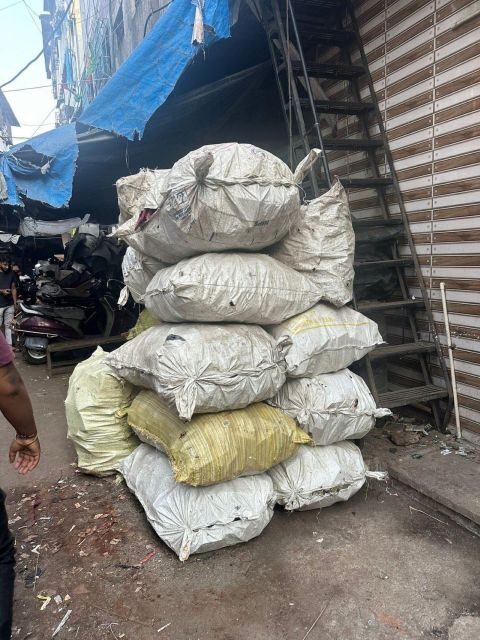
You’ll see evidence of the recycling-and-manufacturing cycle in motion. The tour is designed to help you notice details: how materials are handled, how spaces are used for production, and how the outputs are tied to local and international demand. In other words, you’re not just seeing poverty. You’re seeing supply chains at human scale.
What makes this part valuable for you is the way it changes your mental picture. People often assume slums are only about survival. Here, the explanations point to work systems: sorting, processing, molding, and finishing. You start to understand how density and proximity can also create opportunities—people can work close by, reuse materials quickly, and share knowledge informally.
The one drawback is also simple: it’s a walk in crowded conditions. That’s why comfortable shoes aren’t a suggestion. If you’re used to wide sidewalks and long sightseeing days, you’ll want to adjust your expectations and move at a steady, relaxed pace.
Also, rules are clear: alcohol and drugs aren’t allowed, and nudity isn’t allowed. That keeps the tour respectful and helps set the right tone.
Inside the thirteenth compound: plastic and metal recycling you can actually visualize
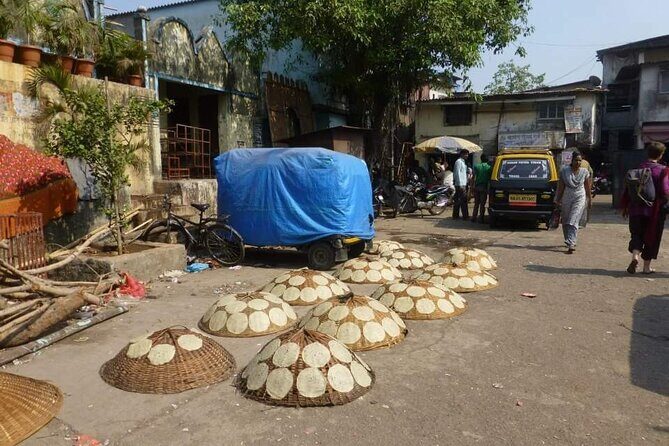
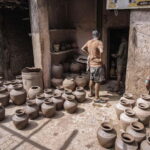
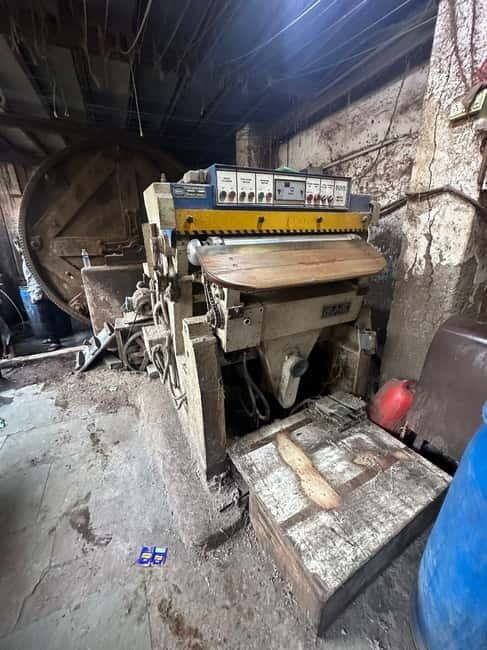
One of the most specific parts of the tour centers on the Plastic and Metal Recycling yard in the thirteenth compound. This is where the tour gets concrete.
You’re guided through what’s described as an intricate process of melting and molding plastic toys. You’ll also hear about making buttons for well-known brands in India. That’s a good example of how the tour connects local work to global products without pretending the entire system is glamorous.
Here’s why this section matters. You’ll likely arrive thinking “recycling” is just a sorting job. Seeing (and hearing about) melting, shaping, and finishing helps you understand that recycling can be manufacturing. It’s not just cleanup—it’s transformation.
You may also get references to other local outputs mentioned in the tour style, like leather work, ceramics, and embroidered garments. Even if you aren’t stopping in every single workshop type, the guide ties it back to the same idea: compact spaces that produce market-ready goods.
If you’re someone who likes to understand how things are made, this part lands well. If your expectation was only to photograph or to watch people living, you’ll still get a real sense of daily life—but the tour is structured around industry and function.
Drop-offs near Third Wave Coffee and Dhobi Ghat: plan your next move
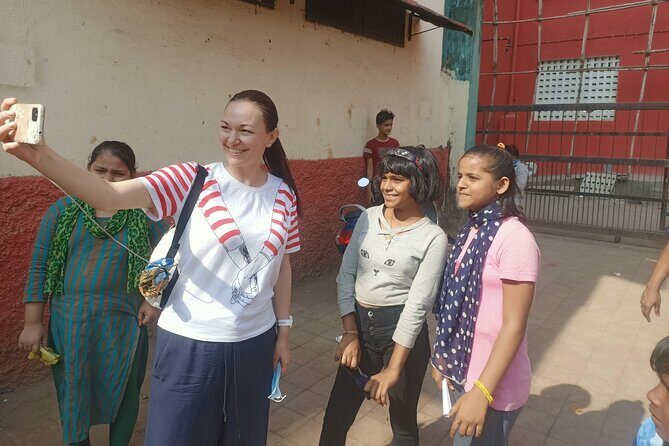
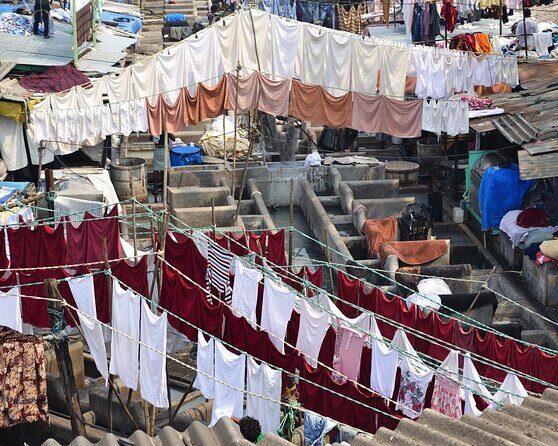
When the walk ends, you’ll have 3 drop-off locations, including Third Wave Coffee in Mumbai and Dhobi Ghat. That’s handy because it gives you a way to extend the day without scrambling across town at the last minute.
Why those drop-offs help: both areas are well-positioned for continuing your sightseeing. Dhobi Ghat is a notable place in Mumbai, and Third Wave Coffee is an easy reference point if you’re meeting someone or heading to another neighborhood. You don’t need to guess a meeting point back with the driver.
Practical tip: because the tour duration can expand based on pickup and transport, don’t schedule a strict dinner reservation immediately afterward unless you’ve allowed a buffer.


Guides make the experience: Ruqaiyya, Neha, and why explanations matter
This is one of those tours where the guide is the difference between “interesting” and “actually meaningful.”
The guides named in recent experiences include Ruqaiyya and Neha. Ruqaiyya stands out for the way she explains with clarity and charm, and for being able to answer questions in a way that feels natural. Neha is also praised for showing many interesting places and helping people see daily life directly.
If you’re wondering what you’ll learn beyond the visible sights, pay attention to how the guide talks. These tours are guided by English, Hindi, and Marathi, so you’re not stuck with one narrow explanation style. The experience is built around interpretation: what you’re seeing, why it exists, and how residents contribute to the local economy.
One more small reason guides matter here: Dharavi is dense. Without guidance, it’s easy to feel lost in the physical maze. With a good guide, you get your bearings fast and you understand what you’re looking at instead of just moving through scenes.
Price and value in mumbai tours packages: is $8 a fair deal?
At $8 per person, this Mumbai tours packages style option is clearly aiming for affordability. The real question is value: what’s included, what isn’t, and how you use your time.
Included items that make a difference:
- All place entry fees
- English language local guide
- Hotel/Port pick up and drop off (optional, depending on your selection)
- Bottled water
- Air-conditioned vehicle
- Private transportation
That package reduces the hidden costs that often hit you in cities like Mumbai. You’re not paying extra for entry, and you’re not stuck without water or AC transport when you need a break between the start and end.
What’s not included is also important:
- Meals
- Drinks
So think of this as a guided walk with transport support, not a food tour. If you’ll be walking for about 2 hours, you’ll likely want to plan lunch or snacks around the drop-off.
My take: for a structured guided experience that covers entry fees and keeps logistics simple, this is good value—especially if you’re traveling with a flexible schedule and you’re focused on learning how Dharavi works day to day.
What to bring and how to act respectfully in Dharavi
The “what to bring” list is short, which I appreciate. Bring comfortable shoes. That’s the big one.
Beyond that, follow the clear rules:
- No alcohol and drugs
- No nudity
Since the tour is centered on real working and living spaces, your best approach is simple: be respectful, keep your voice reasonable, and follow the guide’s directions. If you’re tempted to treat it like a photo safari, remind yourself the point is understanding. The guide is there to explain, and your questions can shape how the tour feels.
Also, remember you’ll be in a place where industries are close to homes. You may see busy activity and processing work. Keep movements gentle and don’t interrupt what’s happening.
Who should book this mumbai dharavi tour (and who should skip it)
This Dharavi Slum Tour fits best if you:
- Want a guided experience with clear explanations
- Are interested in recycling and small manufacturing as a real economy
- Prefer a structured 2-hour walk over a long day of transit
- Like tours where the guide helps you interpret what you see
It may not be the best fit if you:
- Want a luxury, long-comfort sightseeing day
- Get uncomfortable in dense, close-quarters walking conditions
- Expect meals or drinks to be part of the tour
If you’re traveling with kids or anyone with mobility limits, the tour’s walk-based nature is something to consider carefully. The plan doesn’t describe accessibility features beyond transport being available in an AC vehicle.
Should you book the Dharavi Slum Tour with Linda Tour Mumbai?
If your goal is to understand Dharavi as a working community—especially through recycling and small-scale industry—this tour is a solid choice. The $8 price becomes more believable when you look at what’s included: entry fees, bottled water, AC transport, and an English local guide.
I’d book it if you like practical context, good explanations, and a route that ends in places you can easily continue exploring like Third Wave Coffee or Dhobi Ghat. I’d think twice if walking in tight areas isn’t your thing, since the experience is centered on a guided walk of about 2 hours.
If you’re choosing between options, pick the one that matches your comfort with pickup timing and your plan for after the drop-off.
FAQ
How long is the Dharavi Slum Tour?
The tour duration is listed as 2 to 7 hours. The guided walking portion is around 2 hours, with extra time depending on your selected pickup and transport option.
Where is the meeting point?
The meeting point may vary depending on the option you booked. The tour begins at Mahim Railway Station in Mumbai.
Is pickup available from my hotel or port?
Pickup is optional. If you choose pickup, you’ll be asked to wait in the hotel lobby about 10 minutes before your scheduled tour start time.
Where do you drop me off?
There are 3 drop-off locations after the tour, including Third Wave Coffee in Mumbai and Dhobi Ghat.
What languages will the guide speak?
The live tour guide is available in English, Hindi, and Marathi.
What is included in the price?
Included are all place entry fees, an English language local guide, hotel/port pick up and drop off, bottled water, air-conditioned vehicle, and private transportation.
Are meals or drinks included?
No. Meals and drinks are not included.
What rules should I follow, and can I cancel?
Alcohol and drugs are not allowed, and nudity is not allowed. There is free cancellation up to 24 hours in advance for a full refund, and you can reserve now and pay later.