REVIEW · MUMBAI
Mumbai Dharavi Slum Tour With Local English Guide
Book on GetYourGuide →Operated by Cityscape Mumbai Tours · Bookable on GetYourGuide
Two hours, and your Mumbai assumptions change. This $7 Dharavi slum tour is led by a local English guide and focuses on how small industries run, from pottery and leather to recycling work.
I love the on-foot pace that connects workshops to daily life, so you actually understand how livelihoods get made. I also like the emphasis on respectful storytelling, with guides steering the conversation and keeping interactions thoughtful rather than intrusive.
One consideration: there’s no food or drinks included, and it’s a walking tour, so come ready to move and budget for your own purchases.
In This Review
- Key things to know before you go
- Dharavi in Two Hours: What This Walk Really Shows
- The tour’s “you’ll remember this” factor
- Price and Value: Why $7 Makes Sense (and When It Doesn’t)
- Where You Meet (and How to Avoid First-Minute Stress)
- The 2-Hour Flow: What Happens After You Start Walking
- Workshops: where the tour earns its keep
- The Small Industries You’ll See: Pottery, Leather, Recycling, and More
- A Guide-First Experience: Respect, Privacy, and Safety
- Who this suits best
- The Best Moments: Rooftop Views and Human Stories
- What to Bring, What to Leave Behind
- Who Should Book This Tour (and Who Might Not)
- Should You Book Cityscape Mumbai Tours for Dharavi?
- FAQ
- How long is the Mumbai Dharavi Slum Tour?
- Is the tour guide available in English?
- Where is the meeting point?
- Where do you get dropped off after the tour?
- What is included in the $7 price?
- What should I bring, and what is not allowed?
Key things to know before you go
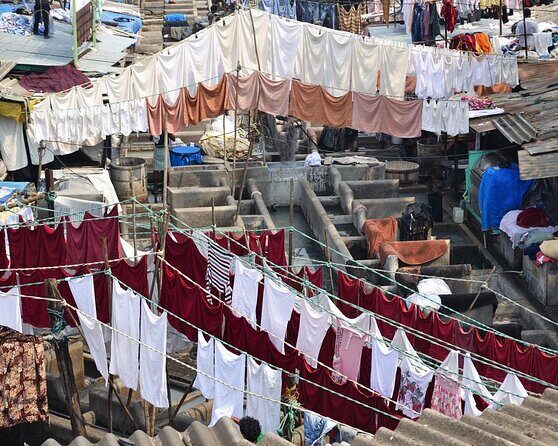
- Real work, not staged sightseeing: you’ll see small-scale production tied to family businesses.
- Hands-on workshops: guides bring you to places like pottery and leather craft areas.
- English-led with room for questions: guides answer in detail and explain how Dharavi works.
- Small, personal feeling tours: bookings can end up with very small groups depending on who signs up.
- A rooftop moment may be included: some routes include skyline views over tightly packed rooftops.
- Comfort matters: you’ll want comfortable clothes and no large bags.
Dharavi in Two Hours: What This Walk Really Shows
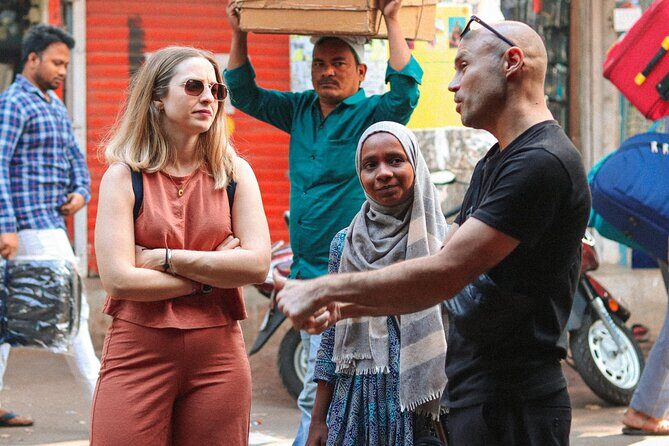
A 2-hour tour can’t turn Dharavi into a full textbook. But it can do something better: it gives you a human-scale understanding of how the area works day to day. This tour is designed around walking and talking, with a local English guide guiding what you notice and what questions to ask.
The big value is that you don’t just look at buildings. You look at production. You see the small industries that move materials, skills, and money through dense lanes. In the best moments, it feels less like a visit and more like watching a working system in motion.
What helps most is the way guides frame things. In the feedback I’m seeing, guides repeatedly focus on everyday life, challenges, and resilience, with a respectful tone. Names that stand out include Sharon, Ruba, Ruqaiyya, Jawwad (Jay), Ansh, Subhan, and Chirag. If you care about being treated thoughtfully, that matters.
You can also read our reviews of more guided tours in Mumbai

The tour’s “you’ll remember this” factor
People kept describing it as meaningful, eye-opening, and safe—often because guides explained both the economy and the personal stories behind it. One guide experience also included a rooftop view with the skyline in the background, which is exactly the kind of contrast that sticks with you: tightly packed rooftops in the foreground, Mumbai’s larger skyline in the distance.
Price and Value: Why $7 Makes Sense (and When It Doesn’t)
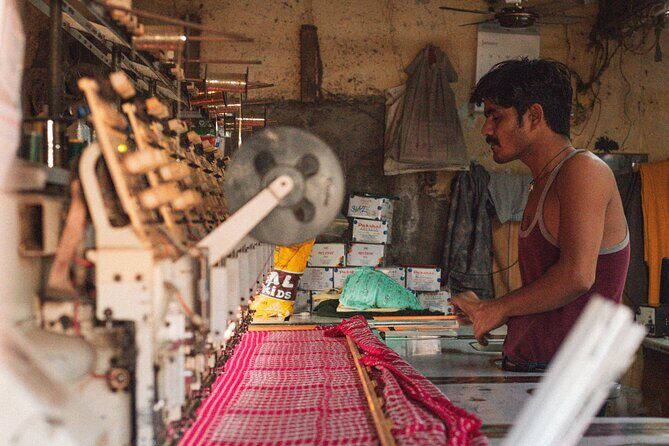
At about $7 per person for a 2-hour, guided, on-foot experience, this is priced like a serious value play. You’re paying for a guide who can interpret a place that’s easy to misunderstand if you arrive on your own. And the tour isn’t only “pass by” sightseeing. It includes interactive workshop stops, which is where the time starts to feel worth it.
You should still be realistic. This isn’t a cushy, sit-down experience. It’s a walk in a working neighborhood, with crowds and everyday motion. If you need long rests, quiet, and comfort on a schedule, you might feel underwhelmed by the format.
But if your travel style is curiosity plus respect, the price makes sense. The guide’s job is to help you notice the right details: how small workshops operate, how family businesses work, and how people make a living in a tightly packed urban space. That kind of context is hard to create on your own.
Where You Meet (and How to Avoid First-Minute Stress)
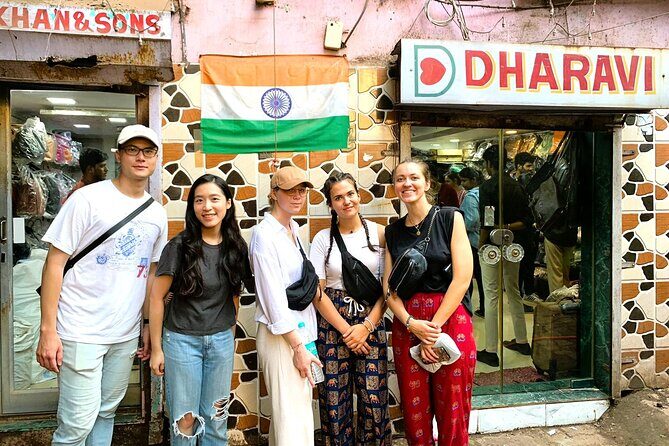
The tour uses two start options: Third Wave Coffee and Ram Mahal. Meeting point can vary by the option you book, and the experience also lists Mahim Station meetup as a convenient starting area.
So here’s your practical move: before you go, confirm which start point applies to your booking. Once you know the exact meeting location, you’ll arrive calmer. Dharavi is not the kind of place where “I’ll just find it” works well, especially if you’re trying to be on time for a 2-hour window.
The same idea applies at the end. Drop-off options are also listed as Ram Mahal and Third Wave Coffee. That means you’re not stuck trying to figure out how to exit after the walk. You’ll have a clear landing point.
The 2-Hour Flow: What Happens After You Start Walking
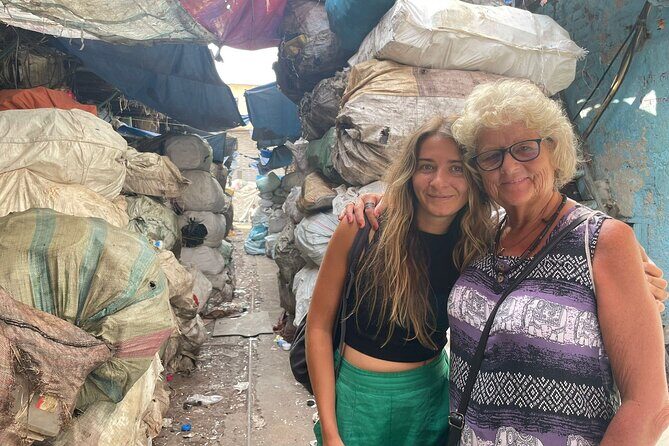
The core experience is straightforward: you start at your meeting location, you head into Dharavi on foot, and you stay in a guided loop through key areas for the full 2 hours. There’s no hotel pickup, so plan your arrival with enough buffer that you don’t rush your guide.
On the walk, the guide’s job is to turn “what am I looking at” into “I get it.” In the feedback, guides often explained:
- how industries connect to daily life
- what kinds of work happen in different areas
- what makes the community’s economy work on small and steady scales
Even when the tour is fast, the best guides slow you down mentally. You start seeing patterns: materials moving, skills applied, and processes repeated because they make sense for the local workforce.



Workshops: where the tour earns its keep
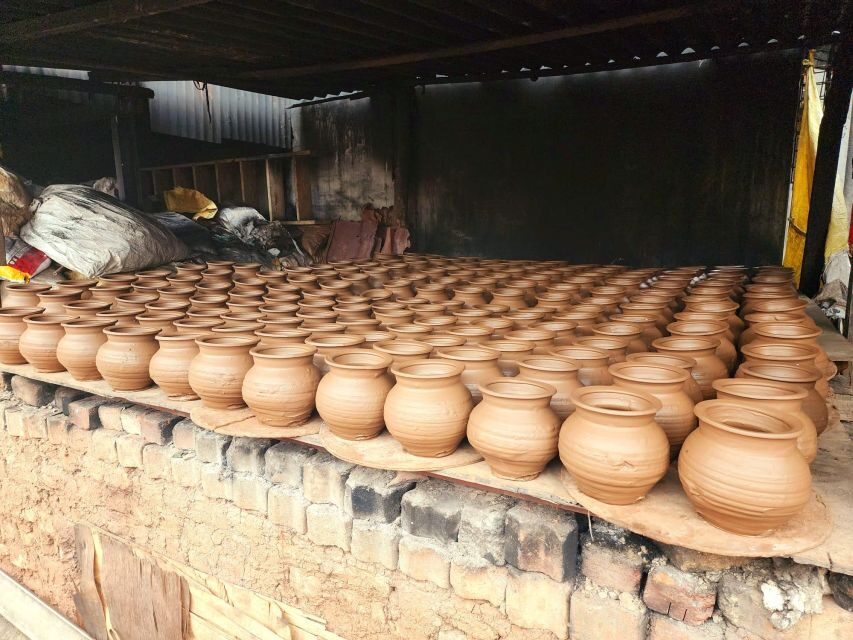
A major included piece is interactive workshops with local artisans and craftspeople. The tour description mentions workshops and hands-on sessions, and the experiences shared in feedback get specific. You may see or visit areas such as:
- pottery workshops using spinning wheels
- leather artisans crafting goods
- small bakeries
- recycling units
- thriving family businesses
Not every stop is guaranteed to be identical for every route or day, but the emphasis stays consistent: work first, explanation second, stories throughout. That’s what makes the tour feel more grounded than a quick drive-by.
The Small Industries You’ll See: Pottery, Leather, Recycling, and More
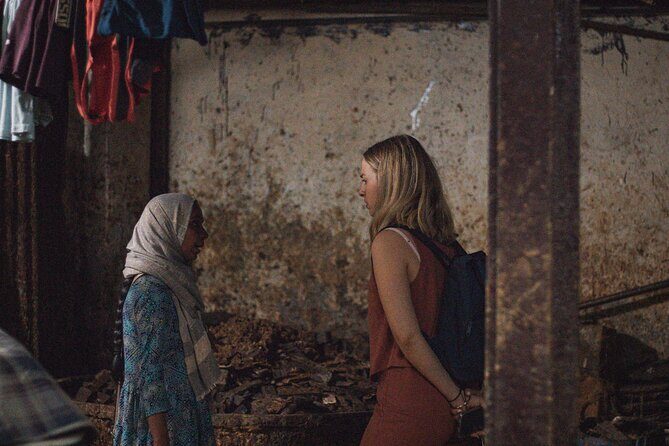
Dharavi’s reputation often comes from headlines. This tour reframes it around work. The repeated theme is entrepreneurship—people building businesses with real production, real customers, and real skill. That’s why the workshop stops matter: they show how the economy stays moving even in tough conditions.
Here’s what to look for as you walk. Don’t treat the tour like a photo mission. Treat it like a field visit:
- Watch how craftspeople set up their tools and workflow.
- Ask what raw inputs are and where they come from (your guide will often connect this to local supply chains).
- Notice who works together—family labor and small teams show up again and again in these kinds of environments.
From the experiences shared, guides often pointed out the pride people have in their craft and business. That pride isn’t just emotion—it’s motivation to keep quality high and keep production consistent.
And recycling work is a big part of the picture. One of the strongest memories described is the “valuable parts” of the economy: how waste materials get sorted, processed, and turned back into usable value. Even if you don’t know the technical process yet, the guide can help you understand the practical logic.
A Guide-First Experience: Respect, Privacy, and Safety
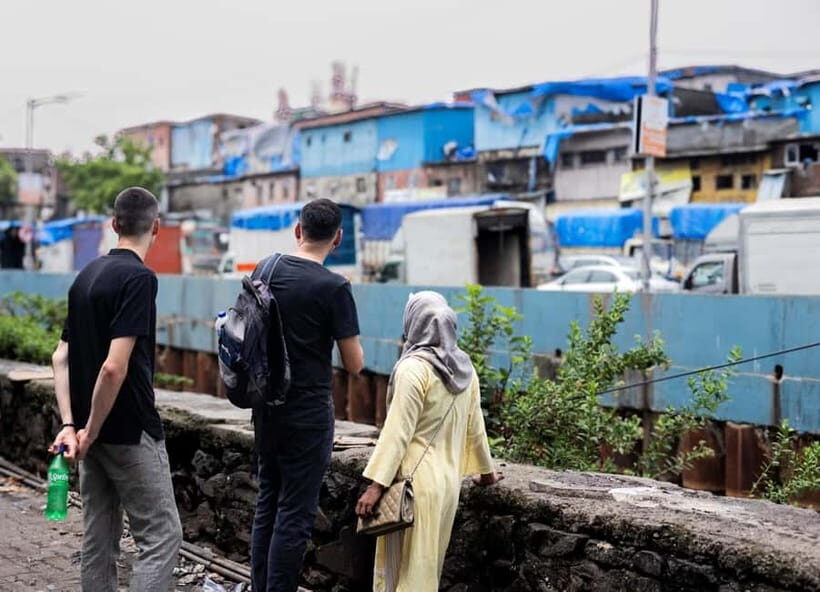
This is the part that can make or break a Dharavi tour. The good news: the feedback consistently highlights guides who handle the area with sensitivity, warmth, and professionalism.
In particular, descriptions of Sharon, Ruba, Ruqaiyya, Jawwad (Jay), and Subhan show a pattern: they explain clearly, answer questions patiently, and prioritize respect and privacy. That shows up in small ways during a walk—like knowing when to slow down, when to move on, and how to frame what you’re seeing so it doesn’t turn into staring.
The tours are described as feeling safe, and guides also helped with practical navigation in at least one case (for example, helping someone get train tickets). That’s not a promise you should assume on every tour, but it’s a strong signal that some guides actively support visitors beyond just talking.
Who this suits best
If you like learning from people, not just buildings, you’ll fit right in. This also suits travelers who want an ethical approach—where your attention goes toward understanding rather than taking.
The Best Moments: Rooftop Views and Human Stories
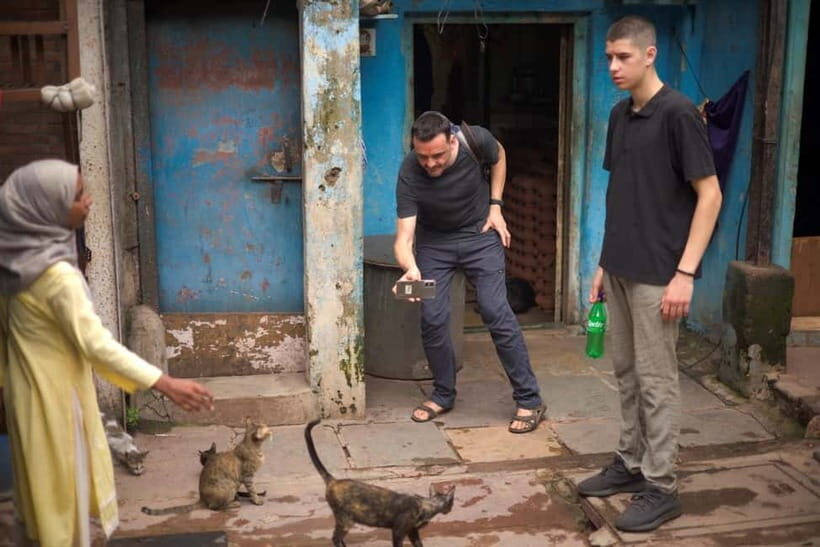
Sometimes the highlight isn’t a workshop. It’s a viewpoint. One guide-led experience included a rooftop view over dense rooftops with Mumbai’s skyline in the distance. That kind of shot can flip your mental map instantly. You stop thinking in terms of “a slum” and start seeing how dense urban life actually stacks and breathes.
But the most repeated “wow factor” in the feedback isn’t the view—it’s the human storytelling. Guides explained:
- daily life routines
- the human challenges people face
- the resilience behind the economy
- how communities support family-run businesses
When a guide is good, they don’t just list facts. They translate what you’re seeing into something you can hold onto after the tour ends.
What to Bring, What to Leave Behind
This tour is simple in logistics, but you’ll want to pack smart.
Bring:
- comfortable clothes
Don’t bring:
- luggage or large bags
That matters because this is a walking tour in close quarters. If you show up with a big bag, you’ll slow the group down and feel self-conscious. Keep it light.
Also, since food and beverages aren’t included, plan to handle your own needs during or after the 2 hours. Budget for small purchases if you want something to drink.
Who Should Book This Tour (and Who Might Not)

Book it if you want:
- a guided, English-led walk in a working neighborhood
- industry and workshop context, not just sightseeing
- a respectful approach with time for questions
- a short format (2 hours) that fits into a Mumbai itinerary
You might skip it if you:
- need a low-walking or low-crowd experience
- dislike walking through everyday urban chaos
- want food included as part of the experience
One more reality check: it’s a city neighborhood. Noise and crowd flow are part of the environment. If you’re the type who expects quiet commentary like a museum, you may find the experience more intense than expected.
Should You Book Cityscape Mumbai Tours for Dharavi?
If your goal is to understand Mumbai’s working side with a guide who treats people with care, this is an easy yes. The combination of English live guidance, walking exploration, and interactive workshops makes the $7 price feel earned, not gimmicky.
My call: book this tour if you like learning through human stories and practical examples of how small industries operate. It’s short, focused, and guided in a way that can leave you with real perspective instead of just a few photos.
If you’re unsure, choose the tour option that starts closer to where you already are (Third Wave Coffee versus Ram Mahal), and keep your expectations aligned: this is a 2-hour walk with workshops and conversation, not a long sit-down cultural show. If that fits your style, you’re going to leave with a sharper, kinder understanding of Dharavi.
FAQ
How long is the Mumbai Dharavi Slum Tour?
The duration is 2 hours.
Is the tour guide available in English?
Yes, the live tour guide language is English.
Where is the meeting point?
The meeting point may vary depending on the option booked. Start options listed are Third Wave Coffee and Ram Mahal, and the experience also notes Mahim Station meetup as a convenient meeting point.
Where do you get dropped off after the tour?
Drop-off locations are listed as Ram Mahal and Third Wave Coffee.
What is included in the $7 price?
Included are a guided experience with a local guide, a walking exploration of key areas, a meetup at Mahim Station, and interactive workshops with local artisans and craftspeople.
What should I bring, and what is not allowed?
Bring comfortable clothes. Luggage or large bags are not allowed. Food and beverages are not included, so any purchases would be on you.