REVIEW · MUMBAI
Mumbai: Dharavi Slum Tour with Dhobi Ghat (Open-Air Laundry)
Book on GetYourGuide →Operated by Beautiful Bombay Tours · Bookable on GetYourGuide
Dharavi and Dhobi Ghat teach you to look again. This 3-hour walk pairs Dharavi’s workshop-style economy with Dhobi Ghat’s hand-wash, iron, and sorting rhythm, all led by a local English-speaking guide. You’ll see how daily work, recycling, and craftsmanship keep Mumbai running.
What I like most is the way the tour keeps the focus practical: the recycling-to-products side of Dharavi, plus the real trades you’ll spot around you (pottery, leatherwork, bakery units, textiles, and more). I also love the guides’ approach and personality. In particular, Pooja and Varsha came through as sharp explainers who can answer questions and guide your photos with dignity in mind, while guides like Anushka made the stories feel personal and fast-moving.
One drawback to plan for: the route is mostly on foot through narrow lanes and busy streets, and the tour isn’t a good fit if you need wheelchair access. Also, restroom options may be limited, so time things smartly before you start.
In This Review
- Key takeaways before you go
- First stop: Third Wave Coffee and getting oriented fast
- Dharavi on foot: narrow lanes, real industries, and human-scale entrepreneurship
- What you’ll love in Dharavi
- The practical downside: walking pace and crowding
- Recycling that turns waste into valuables
- Markets, textiles, and handicrafts you can actually shop with context
- Dhobi Ghat: watching the world’s largest open-air laundry at work
- Photo and etiquette at Dhobi Ghat
- Timing in a 3-hour tour: what’s likely packed, and what you should adjust
- What to bring (and what to leave at the hotel)
- Guide quality is the real differentiator
- Value check: $4.94 for Dharavi entry plus a guide
- Who should book this tour, and who might want to skip it
- Should you book Dharavi and Dhobi Ghat?
- FAQ
- FAQ
- Where do I meet the guide for the Dharavi and Dhobi Ghat tour?
- How long is the tour, and how much time is spent in Dharavi?
- What’s included in the price?
- Do I need to bring anything, and what should I wear?
- Is photography allowed?
- Are restrooms available during the tour?
- Is the tour wheelchair-friendly?
Key takeaways before you go
- Dharavi’s work is organized like an economy, not just a backdrop: you’ll learn how recycling and small-scale industry create value.
- Dhobi Ghat is hand-work at full scale: clothes get washed, dried, ironed, and sorted by many washermen in one open-air operation.
- Your guide controls respectful photography, so you’ll know when it’s okay and when to hold back.
- The tour is short and concentrated (about 3 hours), so you’ll want comfortable shoes and a camera ready.
- The experience is guided by locals with a trade focus, which tends to feel less like poverty tourism and more like business-and-skill tourism.
- You finish at the Dhobi Ghat viewing deck, so you can watch the workflow without needing to climb into every work area.
First stop: Third Wave Coffee and getting oriented fast
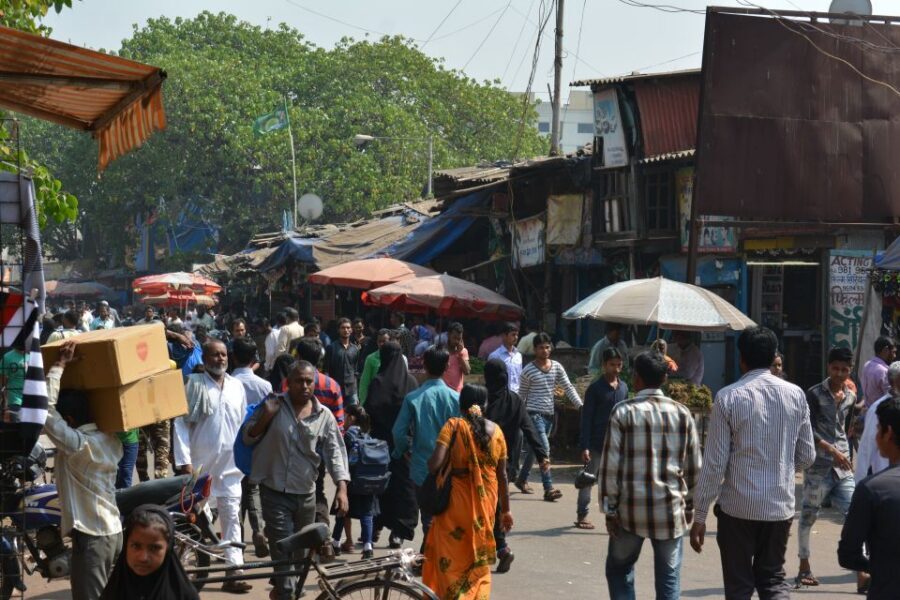
I like the simple start: meet your guide outside Third Wave Coffee, then you’re moving right away. That matters in Mumbai. By the time you get into Dharavi’s lanes, you’ll already be in “walking mode,” which makes the whole experience feel efficient instead of chaotic.
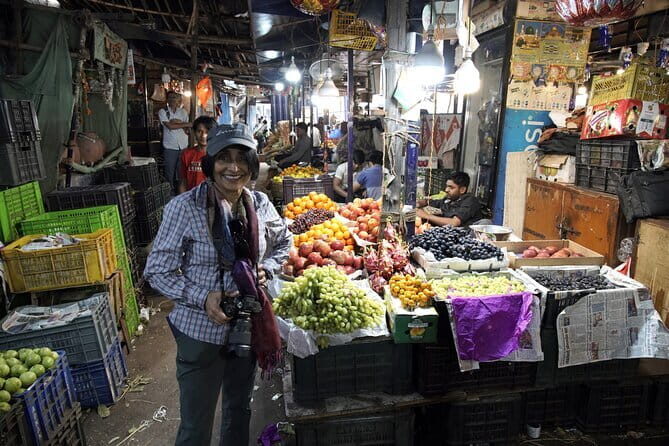
This is also a good moment to set your mindset. You’re not just touring a neighborhood. You’re going to see trades in motion. A quick reminder helps: keep your camera ready, but follow the guide’s photo instructions. Dharavi is also home, not a set.
And yes, you’ll want to arrive about 15 minutes early. It keeps the group from stretching the first walk, and you’ll start feeling comfortable instead of rushed.
You can also read our reviews of more tours and experiences in Mumbai.



Dharavi on foot: narrow lanes, real industries, and human-scale entrepreneurship
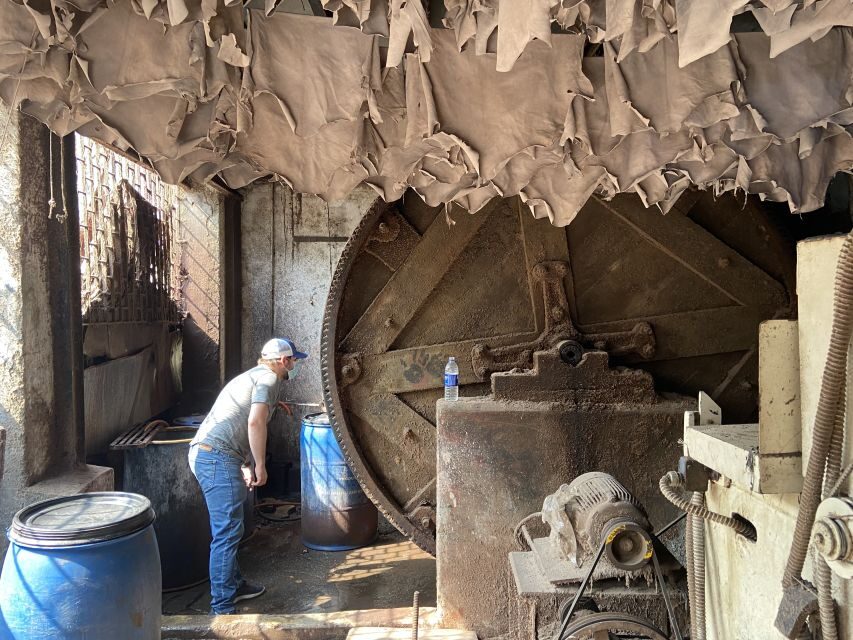
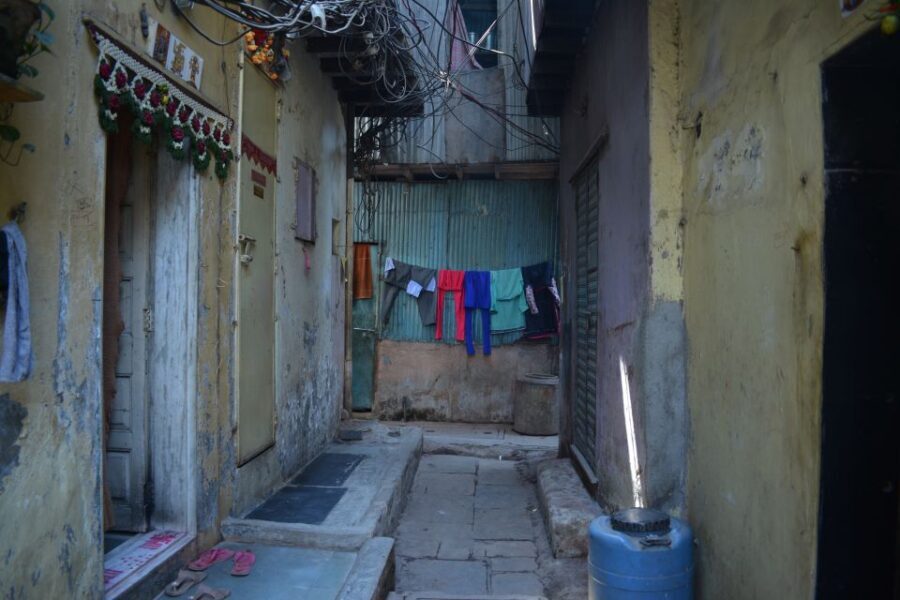
Your time in Dharavi is about 2.5 hours on a guided walk. The value here is the way your guide connects what you see to how people make a living. Dharavi gets described in extreme terms online, but on the ground it’s easier to understand as a working neighborhood full of small industries, skilled artisans, and community life.
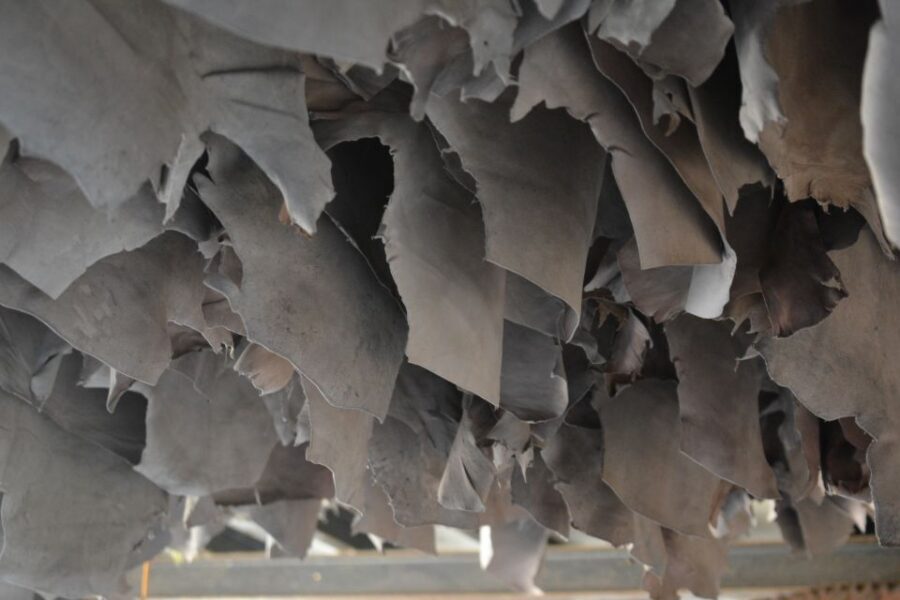
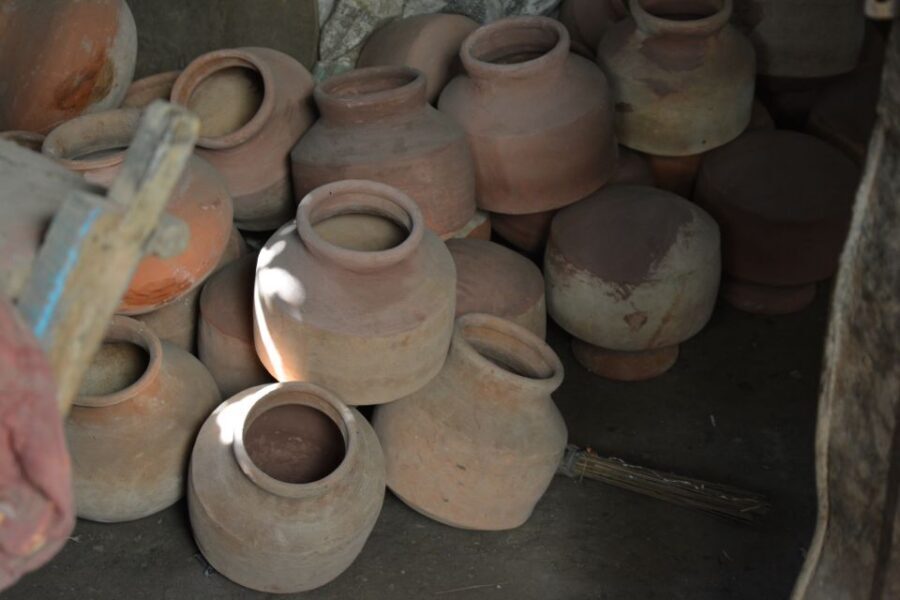
Expect to notice the patterns that drive an economy like this: waste becomes raw material, raw material becomes work, and work becomes product. The tour highlights exactly that chain. You’ll hear how Dharavi contributes to Mumbai’s economy through activities like pottery, leatherwork, recycling, and bakery units, plus handicrafts and textiles you can often spot in the surrounding market life.
I also like that the tour stays alert to dignity. In places like this, curiosity needs manners. The best guides make it clear that you’re there to learn, not to stare.
What you’ll love in Dharavi
- The trades feel close to the source. Instead of seeing a finished shop display only, you learn what’s behind it: materials, processes, and the way people organize to earn.
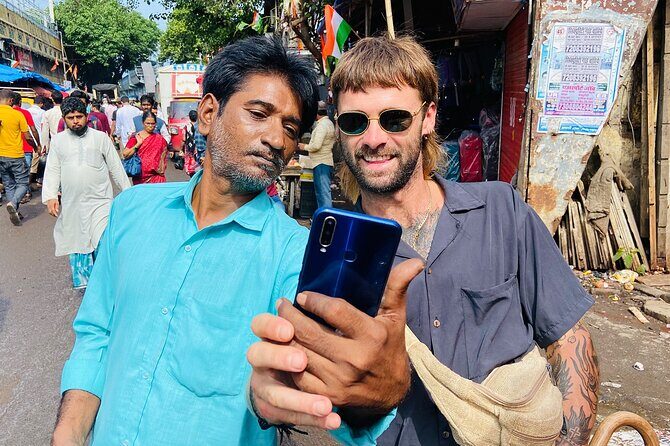
- The guides bring real context. People such as Pooja and Anushka stand out because they can explain what you’re seeing in plain English, and keep answering questions as you walk.
The practical downside: walking pace and crowding
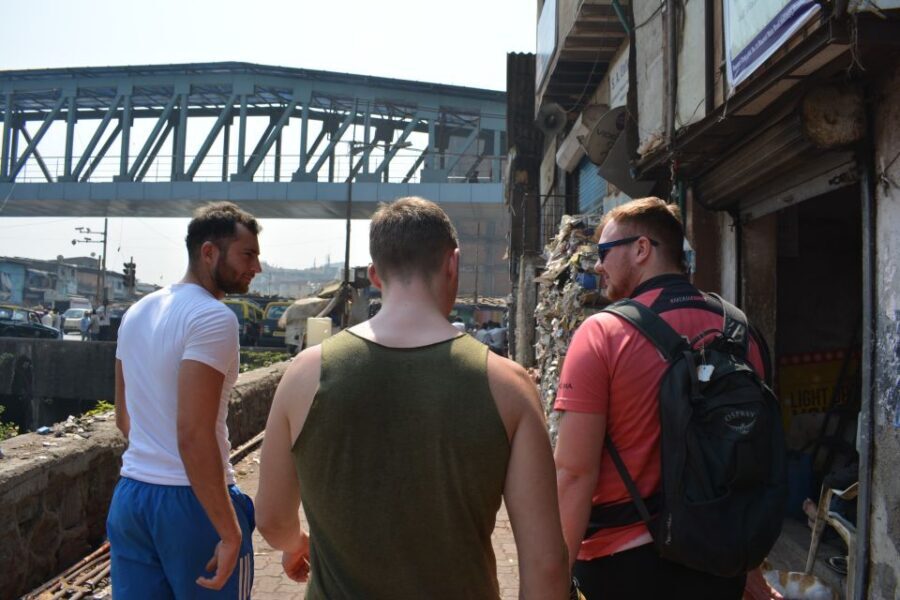
The lanes can be tight and busy. That’s why the tour asks for comfortable shoes and bans strollers and large bags. If you’re carrying a lot, you’ll lose time and energy. If you hate foot traffic, this might not be your style.
Recycling that turns waste into valuables

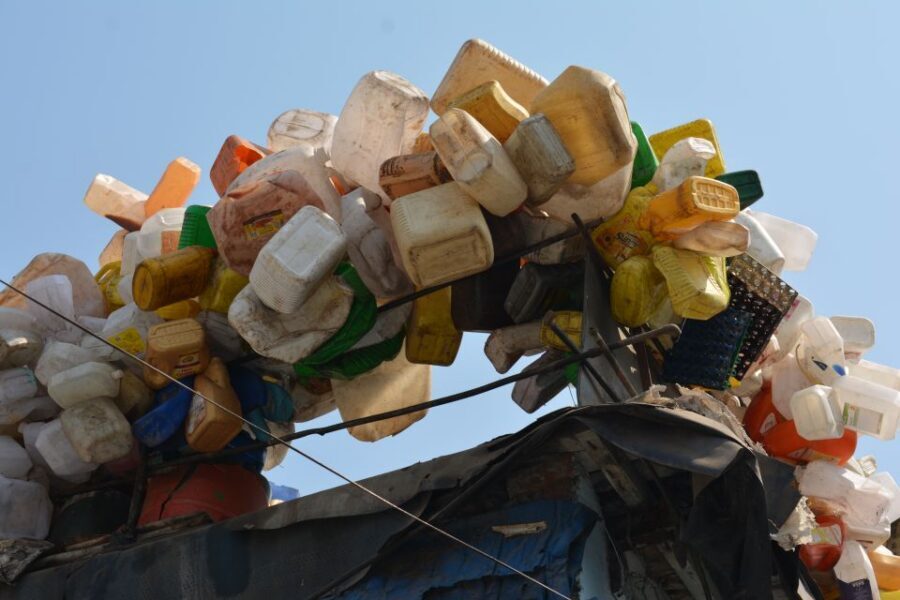
This is the heart of why this tour works. One of the most praised parts is the focus on how recycling practices create value. You’ll see that recycling here isn’t abstract. It’s a daily workflow tied to the rest of the neighborhood economy.
From what you’re told and what you can observe, the transformation looks like this: waste materials are processed and sorted, then turned into something usable again. The tour also frames this as entrepreneurship: people find a way to make a living from what others throw away.
There’s a reason this gets so much strong feedback from people who were unsure about doing a slum tour at all. When the emphasis is on productivity and how systems work, it feels more like learning about labor and innovation than “watching poverty.”



Markets, textiles, and handicrafts you can actually shop with context
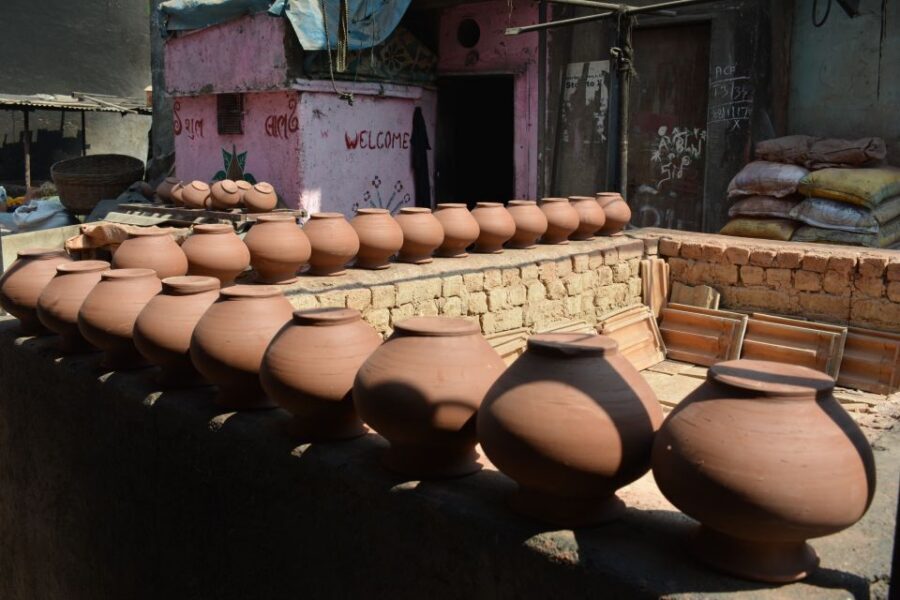
After you’ve got your bearings on industry, you move through the market-world side of Dharavi’s energy. You’ll come across handicrafts and textiles, and the point isn’t just to browse. It’s to understand how those categories connect back to the neighborhood’s skill base.
If you enjoy buying locally made items, this tour gives you better shopping instincts. You’ll be more likely to ask the right questions, because the guide has already explained how trades function and how materials become products.
Tip: if you do plan to buy something, don’t rush. The tour is scheduled tightly, so keep your shopping as an optional bonus, not a requirement. Save your energy for the Dhobi Ghat viewing portion later.
Dhobi Ghat: watching the world’s largest open-air laundry at work
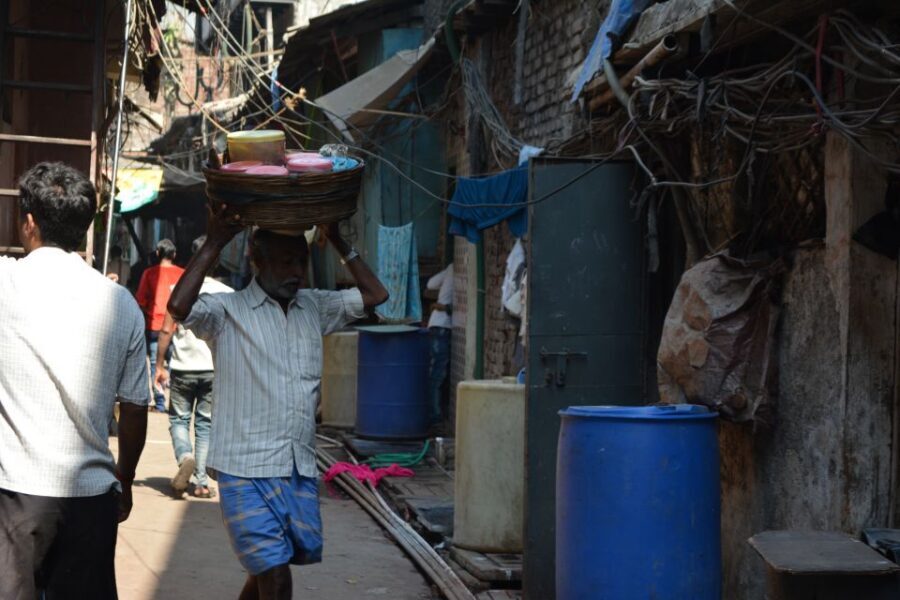
Then you shift from Dharavi’s economy to Dhobi Ghat’s daily spectacle. Dhobi Ghat is described as the world’s largest open-air laundry, and the key detail is what you’ll see: hundreds of washermen working in rhythm, handwashing and processing clothes.
You’ll watch clothes get washed, dried, ironed, and sorted. That sequence matters. Many people imagine laundry as a single step. Here, it’s a workflow—labor broken into stages, each stage handled at speed and scale.
Your tour ends at the Dhobi Ghat viewing deck, which is a smart compromise. You can observe without turning the place into a behind-the-scenes free-for-all. You get the visual payoff of the full operation while still keeping distance and respect.
Photo and etiquette at Dhobi Ghat
The tour clearly allows photography but pushes you to be respectful. At Dhobi Ghat, that usually means: keep your camera steady, avoid blocking work, and listen to the guide. If the guide tells you to wait, waiting is part of the experience.
Timing in a 3-hour tour: what’s likely packed, and what you should adjust
A big thing to understand: this is a 3-hour experience. That’s short. It means you’ll see a lot in limited time, but it also means the tour stays focused on industry and work, not a slow, intimate tour of every aspect of daily life.
So if you’re hoping for a very long look at housing conditions, you might feel the time spent on streets and workshops leaves less room than you imagine. One of the most helpful ways to frame this tour: think of it as a guided lesson on how Dharavi’s economy works plus a major Mumbai work-ritual at Dhobi Ghat.
This also explains why the tour encourages hydration and basic preparation: restrooms can be limited, and you’ll be walking. If you come dry-eyed and unprepared, the schedule will feel tougher than it has to.
What to bring (and what to leave at the hotel)
The essentials are straightforward:
- Comfortable shoes (non-negotiable for narrow lanes)
- Hat for sun and heat
- Camera if you want to document the work
- A reusable water bottle (hydration is strongly encouraged)
Leave behind:
- Baby strollers
- Luggage or large bags
This tour is built for moving through tight spaces, and bulky items will slow you down.
Weather: the tour operates rain or shine, so bring a rain layer or umbrella if you tend to get cold or annoyed by wet weather.
Guide quality is the real differentiator
At a price like this, the guide can make or break your day. In the feedback, guides such as Pooja, Varsha, and Anushka come up again and again for two reasons: they’re able to explain what you’re seeing clearly, and they handle questions without making you feel like you’re asking too much.
You’ll also notice a theme: guides focus on what you can learn from the neighborhood’s industries and organization, and they steer you toward respectful behavior, especially around photography. That combination is why people rate this tour so highly for value.
One practical note: the experience depends on how the day runs and how your specific guide manages pacing. If your tour moment includes any transfer time between Dharavi and Dhobi Ghat, just treat it as part of the schedule and keep your expectations aligned with a tight 3-hour window.
Value check: $4.94 for Dharavi entry plus a guide
Let’s talk money. At $4.94 per person for a 3-hour guided experience that includes entry tickets to Dharavi and an English-speaking tour guide, the value is unusually strong.
You’re not just paying for walking. You’re paying for:
- access through a neighborhood that benefits from local guidance
- interpretation of industries like recycling, textiles, pottery, leatherwork, and bakery units
- a guided visit ending at Dhobi Ghat, where you’re watching hand labor at scale
Since food and drinks are not included, plan to eat before or after. That’s the main thing that can change your day. Bring water, and treat snacks as optional outside the tour.
Who should book this tour, and who might want to skip it
This is a great fit if you:
- enjoy work-focused travel, where you learn how things function day to day
- want a guided look at Dharavi’s economy, not just the headlines
- like a strong visual ending at Dhobi Ghat, watching handwashing workflow from the viewing deck
- want a short, well-guided experience that still feels educational
You may want to think twice if you:
- can’t handle walking through narrow lanes and busy streets
- need wheelchair access (the tour is not suitable for wheelchair users)
- prefer long, slow tours rather than a 3-hour “see-and-learn” structure
- fall into the age limit noted by the operator (not suitable for people over 95)
Should you book Dharavi and Dhobi Ghat?
If you want a Mumbai experience that’s equal parts practical and eye-opening, I’d book it. The combination works because it pairs two different kinds of labor: Dharavi’s small-scale industry and recycling economy, and Dhobi Ghat’s huge open-air laundry workflow.
Book this tour if you like guided context, respectful photography, and learning how value is created where you might expect only hardship. Skip it if you want a leisurely look at everything or you need low-impact mobility. For the right person, this is strong value for time and a genuinely memorable way to see how Mumbai runs on human work.
FAQ
FAQ
Where do I meet the guide for the Dharavi and Dhobi Ghat tour?
Meet your guide outside Third Wave Coffee. Arrive about 15 minutes early to get started on time.
How long is the tour, and how much time is spent in Dharavi?
The tour runs for about 3 hours total, with about 2.5 hours in Dharavi.
What’s included in the price?
You get entry tickets to Dharavi plus an English-speaking tour guide.
Do I need to bring anything, and what should I wear?
Wear comfortable shoes for walking narrow lanes. Bring a hat and camera if you want photos. A reusable water bottle is encouraged.
Is photography allowed?
Photography is allowed, but you must respect residents’ privacy and dignity. Follow your guide’s photo instructions during the tour.
Are restrooms available during the tour?
Restroom facilities may be limited, so it’s smart to use facilities before the tour begins.
Is the tour wheelchair-friendly?
No. The tour is listed as not suitable for wheelchair users. It’s also not suitable for people over 95 years.