REVIEW · MUMBAI
Guided Mumbai Sightseeing Tour With Pickup
Book on Viator →Operated by Young Tours And Travel · Bookable on Viator
Eight hours, and Mumbai hits every mood. This guided day tour mixes landmark glamour with working city life, with private pickup and a customizable plan. I like that you get personal attention from a guide in a comfortable private vehicle.
The itinerary moves fast, including the 2-hour visit to Dharavi and quick photo breaks like Nariman Point, so you see more than you’d manage solo. I also like the balance: Gandhi context at Mani Bhavan, the daily grind at Dhobi Ghat, then parks and architecture around Marine Drive and UNESCO-listed stations. The only thing to plan for is an emotionally heavy stop at Dharavi plus a long day with plenty of city driving.
In This Review
- Key things I’d watch for on this Mumbai tour
- A private Mumbai day with port pickup and a plan you can adjust
- How the 8 hours flow in real life
- Gateway of India: the big landmark photo stop
- Mani Bhavan Gandhi Museum: turning a name into a place
- Dhobi Ghat: watching Mumbai’s open-air laundry engine
- Antilia and the Ambani contrast: wealth seen from the outside
- Kamala Nehru Park and Hanging Gardens: a breather with viewpoints
- Nariman Point: the sunset-ready photography stop
- Rajabai Clock Tower and the High Court: Victorian-era Mumbai details
- Chhatrapati Shivaji Terminus: UNESCO rail architecture in a tight window
- Dharavi: Asia’s largest slum, explained with care
- What you get for $59 and why it can beat DIY
- Your guide and driver matter more than you think
- Who should book this Mumbai sightseeing tour
- Should you book this guided Mumbai day tour?
- FAQ
- How long is the guided Mumbai sightseeing tour?
- What is the price per person?
- Does the tour include pickup and drop-off?
- Is the tour private?
- Are admission tickets included?
- Is WiFi included?
- Is food included?
Key things I’d watch for on this Mumbai tour

- Private car with port transfers saves you from juggling taxis and timing
- Customizable, person-to-person guiding means the day doesn’t feel like a scripted bus ride
- Dhobi Ghat and Dharavi on the same route gives you two very different kinds of Mumbai reality
- Photo-friendly viewpoints like Nariman Point and the Marine Drive area show up in the schedule
- UNESCO stop at Chhatrapati Shivaji Terminus adds a major architecture moment without extra hassle
- Mani Bhavan Gandhi Museum included means one admission that’s handled for you
A private Mumbai day with port pickup and a plan you can adjust
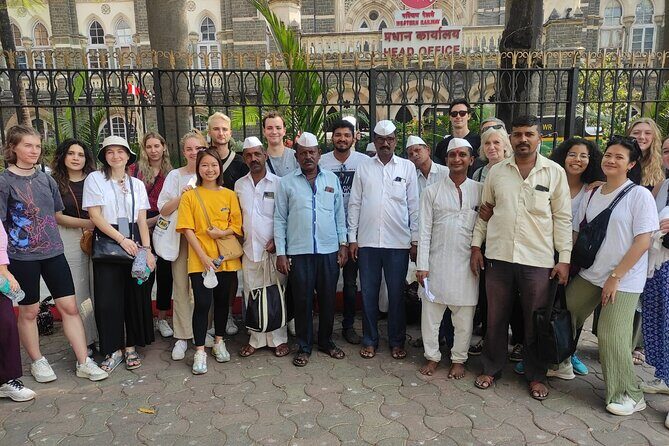
This is built for people who want help making decisions. You’re not stuck following a rigid script; the tour is set up as a private, customizable day with pickup and a dedicated guide in a private vehicle. If your priorities lean more toward landmarks, or more toward everyday life, your guide can steer how the stops feel.
The big practical win is the return port pickup and drop-off. If you’re doing Mumbai as a cruise port call, this kind of timing support matters. It reduces the stress of finding your way from the ship area to the main sights, especially when Mumbai traffic can be unpredictable.
You’ll also have WiFi on board, which sounds small, but it’s handy for checking opening times, refreshing maps, and keeping your group coordinated when you’re bouncing between neighborhoods.
You can also read our reviews of more guided tours in Mumbai


How the 8 hours flow in real life
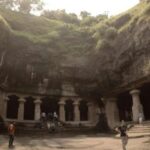
This day tour is about variety with structure. Most stops are quick hits—often around 10 to 20 minutes—so you can see a lot without feeling trapped at one location. The schedule’s centerpiece is Dharavi, which takes about 2 hours, giving it enough time to feel like more than a photo stop.
What that means for you: plan your energy for a long, moving day. Wear comfortable shoes, and expect that you’ll spend time traveling between areas of the city rather than resting. Also note that food and drinks aren’t included, so bring a plan for snacks or a proper meal before or after your tour window.
If your idea of a good day is fast, guided context—plus clear photo moments—this works well. If you prefer slow museum time and lots of long wandering, you may find the pacing a bit tight.
Gateway of India: the big landmark photo stop
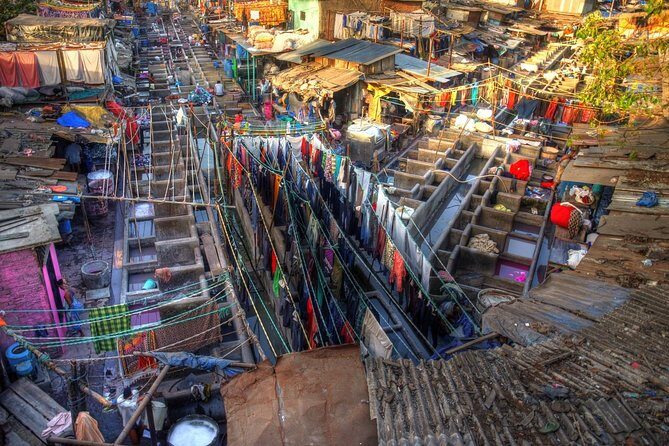
Your first anchor point is the Gateway of India, an early 20th-century arch monument. It’s scheduled for about 15 minutes, and the goal is simple: get the iconic exterior views right at the start so you’ve got your bearings and your camera ready.
This stop is also a mental warm-up. Seeing the Gateway early helps you understand the city’s coastal energy and the “arrival” feeling Mumbai has long been known for—especially if you’re coming from the harbor.
The tradeoff is time. At 15 minutes, you won’t go deep here. Think of it as a strong beginning rather than a full exploration.
Mani Bhavan Gandhi Museum: turning a name into a place
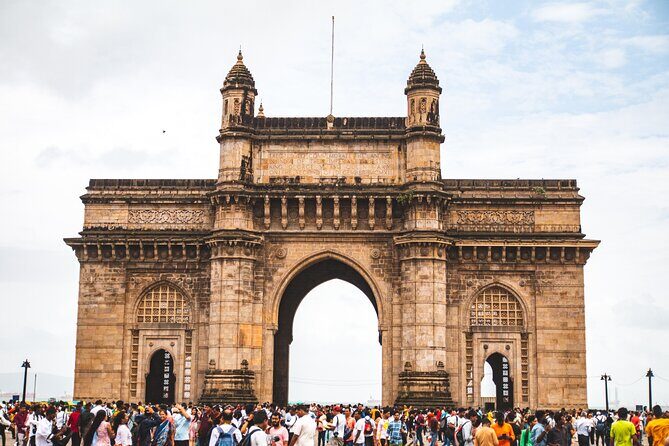
Next up is Mani Bhavan Gandhi Museum, about 20 minutes, with admission included. This is the house where Mohandas Karamchand Gandhi stayed from 1917 to 1934. That detail alone gives the museum weight: it’s not just about Gandhi as a headline; it’s about Gandhi as a resident, in a specific setting.
If you like museums that connect people to real locations, this stop lands well. Even with limited time, you should come away with clearer context for why Gandhi’s story matters in India’s modern history.
One practical note: it’s a museum stop, so it can feel quieter and more internal than the street-based sights later in the day.
Dhobi Ghat: watching Mumbai’s open-air laundry engine
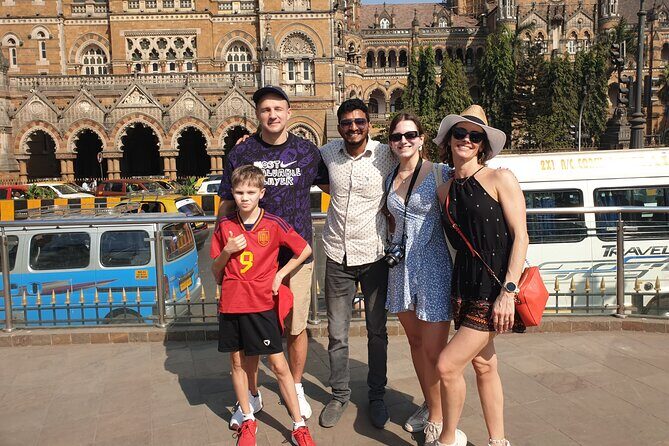
Then you’ll head to Dhobi Ghat, billed as the world’s largest open-air laundry. Your time here is about 15 minutes, with admission free.
The numbers are what make this stop memorable: around 1000 washermen wash about 200,000 clothes in a single day. The schedule you’ll experience is tied to that reality—hard work that runs for long hours, described as 16 to 18 hours a day.
This is one of those places where you don’t need to “understand everything” to get it. You’re there to witness how the city processes everyday life: linens, uniforms, and the constant motion of work.
The main consideration is respect. Dhobi Ghat is a working site, so keep your focus on observation, follow your guide’s directions, and avoid getting in anyone’s way.


Antilia and the Ambani contrast: wealth seen from the outside
One part of the day is a quick look at Antilia, described as the most expensive house in the world for a single family, with a cost listed at US $2.8 billion. It’s owned by Mukesh Dhirubhai Ambani, described as the richest person in India.
This stop works best as perspective-building. You’re not touring the property. You’re seeing an example of how extreme wealth sits in the same metropolitan system as everyday Mumbai.
If you’re the type who likes to compare city layers—old empire-era buildings, working-class labor, and corporate power—this quick contrast can be strangely effective.
Kamala Nehru Park and Hanging Gardens: a breather with viewpoints
The tour includes green space breaks, and they’re not random. Kamala Nehru Park is scheduled for about 10 minutes, with free admission. It was built in 1957 and is described as being designed to give kids smiles, including a big shoe house for children. It also offers a view point of Marine Drive, which helps you connect the park stop to the later coastal sights.
After that, you’ll visit the Hanging Gardens (also known as Pherozeshah Meheta gardens), about 15 minutes and free. These are terraced gardens perched at the top of Malabar Hill, and they’re also described as a popular hangout spot.
Why I like including both: it gives you a change of pace after Dhobi Ghat’s nonstop labor. You get a few minutes of scenery and sky, plus better photo angles over the neighborhood.
The tradeoff is short time again. These are best enjoyed by grabbing your photos and soaking up the view rather than planning a long sit-down.
Nariman Point: the sunset-ready photography stop
You’ll then reach Nariman Point, about 10 minutes and free admission. It’s described as one of the best Mumbai spots for photography, especially for sunset views.
The tour notes also connect the area to the sea: prior to 1940, this area was part of the Arabian Sea, and it’s bordered by Churchgate to the north and west side, and Colaba to the east. Even if you don’t memorize the borders, it helps you understand why the views feel open and coastal.
If your day schedule allows, this is the moment to slow down a little and frame photos properly. You’re likely to get a cleaner look at the city skyline and waterfront than during earlier, more crowded street moments.
Rajabai Clock Tower and the High Court: Victorian-era Mumbai details
The next stop is Rajabai Clock Tower, about 10 minutes, free. It sits in the Fort campus of the University of Mumbai and is about 85 meters tall. The tower is described as a Victorian and art deco ensemble.
This is paired in the same area with mention of the Bombay High Court, described as one of three high courts in India established in the presidency town by Letters Patent granted by Queen Victoria.
Even if you’re not a building-nerd, this section helps you see Mumbai as more than modern skyline. It’s also a city with strong colonial-era civic architecture—and the clock tower is one of the easiest places to notice that style in person.
Chhatrapati Shivaji Terminus: UNESCO rail architecture in a tight window
You’ll also visit Chhatrapati Shivaji Terminus, about 10 minutes, free admission, and a UNESCO World Heritage Site. Construction began in 1878 and was completed in 1887.
This is a quick stop, but it’s a high-impact one. A rail terminus is often just a transit building; here, it’s treated as major architecture, and it helps you understand how important transport has always been to Mumbai’s growth.
If you want to squeeze in one extra photo moment, this is a good place. The station is visually rich, and your guide can point out key features if you ask.
Dharavi: Asia’s largest slum, explained with care
The heart of the day is Dharavi, scheduled for about 2 hours and free. It’s described as Asia’s largest slum, sitting on prime property in the middle of Mumbai, and home to more than a million people.
One helpful detail: it’s described as including many second-generation residents, which matters because it challenges the idea that Dharavi is only about outsiders or temporary stays. This is a living community, not a single snapshot.
Your tour approach is part of the value here. A guided visit can help you understand how Dharavi functions in daily life and what you’re seeing beyond the label. Your guide can also help you stay respectful with how you photograph and how you move through tight areas.
What might feel intense: the visuals and the density. This isn’t a lighthearted stroll. Plan your mindset going in. If you keep your focus on learning and treat the area as real homes and real work, the experience tends to land as powerful rather than uncomfortable.
What you get for $59 and why it can beat DIY
At $59 per person, the price isn’t just paying for a driver. You’re paying for a professional guide, private transport, port pickup and drop-off, and WiFi on board—plus the fact that several admissions are handled for you, including Mani Bhavan Gandhi Museum.
Would DIY be cheaper? Maybe, depending on how you piece it together. But DIY usually costs you time: finding cars, managing traffic, and negotiating when you arrive at each location. This tour compresses decision-making into one plan and one team.
Also, this kind of itinerary is hard to assemble without already knowing the city. Mumbai is big, and distances can surprise you. A guided private loop helps you get through multiple neighborhoods in one day without sounding like you’re conducting logistics meetings all afternoon.
Your guide and driver matter more than you think
You’re not just buying sights; you’re buying the person holding the day together. The tour includes a driver/guide and a professional guide setup, and feedback highlights that the guiding style can be flexible and tailored.
Names that come up in past feedback include guides such as Vishal, Kamlesh, Kirtan, and Rahul, with drivers also getting praise, including Hilesh. That pattern usually means you’re likely to get a local feel for where to spend time, what to notice quickly, and how to keep the schedule moving.
One practical thing I’d take seriously: if anyone in your group has mobility needs, the tour setup is described as able to accommodate participation for most travelers, and one participant specifically noted support when they were on crutches. If you have accessibility concerns, it’s worth mentioning them when you book so the team can plan accordingly.
Who should book this Mumbai sightseeing tour
This tour is a strong fit if you:
- Want a first-time Mumbai day with both famous landmarks and working-city stops
- Are doing Mumbai from a cruise port and want return transfers handled
- Like photography and want specific viewpoint time, including Nariman Point
- Appreciate contrast: Gandhi’s legacy, Dhobi Ghat’s labor, elite wealth at Antilia (exterior), and Dharavi as a real community
It may be less ideal if you:
- Want long, slow museum time everywhere
- Prefer a day without emotionally heavy stops
- Are expecting a food-included outing (it’s not)
Should you book this guided Mumbai day tour?
Yes, I’d book it if you want a guided day that covers a lot of Mumbai without forcing you to plan the order of neighborhoods. The combination of Gateway of India, Mani Bhavan, Dhobi Ghat, viewpoint time around Marine Drive, major architecture at Rajabai Clock Tower and Chhatrapati Shivaji Terminus, and the anchor of Dharavi makes this feel like a real cross-section rather than a single-theme sightseeing loop.
I would also book it if your time is limited. The schedule is built for seeing big sights fast, and port transfers help reduce stress.
Skip it only if Dharavi feels like a hard stop for your group, or if the idea of an 8-hour day spent hopping between neighborhoods makes you uneasy. If you can handle the intensity with respect, this tour tends to deliver a memorable, grounded picture of Mumbai.
FAQ
How long is the guided Mumbai sightseeing tour?
The tour is scheduled for about 8 hours.
What is the price per person?
The price is $59.00 per person.
Does the tour include pickup and drop-off?
Yes. It includes port pickup and drop-off.
Is the tour private?
Yes. It’s a private tour, and only your group participates.
Are admission tickets included?
Mani Bhavan Gandhi Museum includes admission. Other listed stops in the itinerary are marked free.
Is WiFi included?
Yes. There is WiFi on board.
Is food included?
No. Food and drinks are not included.