REVIEW · MUMBAI
Mumbai: City & Slum Full-Day Exploration
Book on GetYourGuide →Operated by Explore Mumbai Tours · Bookable on GetYourGuide
Mumbai pulls you close. In six hours, this tour braids classic sights with working neighborhoods, so you see how the city actually runs. I really like the mix: big landmarks like Gateway of India and CSMT, plus everyday stops like Crawford Market and Dhobi Ghat. I also like that the Dharavi portion is handled thoughtfully, with guides who emphasize respect and real context. One thing to consider: you cover a lot in one day, so it’s not built for slow, lingering time at a single place.
You start with hotel pickup and end back at your hotel, using an air-conditioned vehicle with bottled water on board. The day is led by a live English-speaking guide, and it’s set up as a private group, which helps if you want to ask questions without feeling rushed or lost in a crowd. If you’re sensitive to what you might see in a slum community, go in with an open mind and ready for a more emotional experience than the skyline stops.
In This Review
- Key points before you go
- A 6-hour route that makes Mumbai workable
- Gateway of India and CSMT: start with the anchors
- Crawford Market and Dhobi Ghat: the city at work
- Dharavi slum walk: what you’ll see, and how to act
- The landmark belt: Oval Maidan, university clock, and the High Court
- Marine Drive and Hanging Gardens: where the day cools off
- Mani Bhavan: a quieter ending with Gandhi’s Mumbai
- Price and value: what $43 buys you
- Who this tour suits best (and who should rethink)
- Should you book? My take
- FAQ
- How long is the Mumbai City & Slum tour?
- What’s included in the price?
- Is there a guide, and do they speak English?
- Is hotel pickup and drop-off included?
- Is this tour private?
- What stops are part of the tour?
- Can I cancel if my plans change?
Key points before you go
- A guided Dharavi walk built around respect for residents and small-scale local work
- Victorian Gothic CSMT and other landmark photo stops packed into a tight route
- Dhobi Ghat: seeing how laundry runs in an open-air system you can actually observe
- Crawford Market: daily shopping energy and local products up close
- Marine Drive viewpoints with a quieter reset at Hanging Gardens and Kamala Nehru Park
- Mani Bhavan as a self-guided stop for a calmer, personal pace
A 6-hour route that makes Mumbai workable
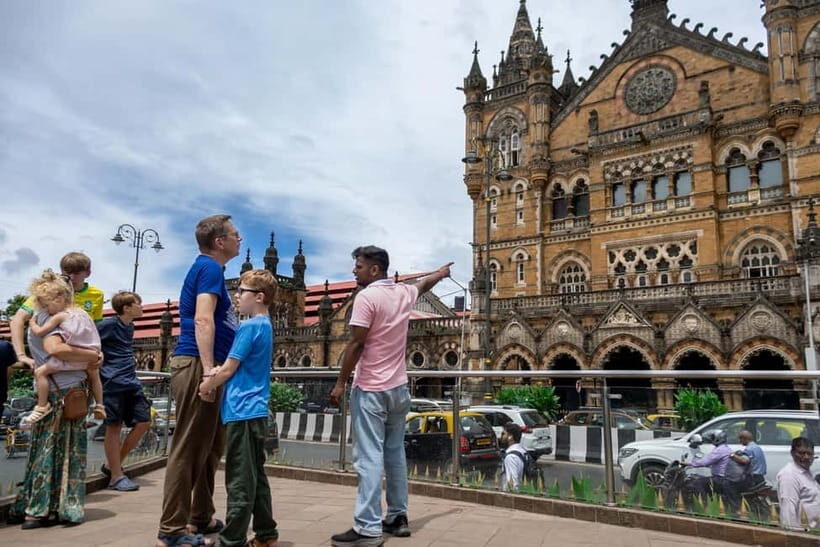
Mumbai sounds like it needs a week. This tour gives you one day that still feels like a real day, not a blur of bus windows. With hotel pickup and drop-off, plus an A/C vehicle, you skip the part where you’re figuring out transport while also trying not to melt in the heat.
The timing is built around what’s visible and teachable in a limited window: major landmarks, busy markets, one major working site (Dhobi Ghat), and a guided walk in Dharavi. You’ll also get breaks where the stops are short photo opportunities, like University of Mumbai and Rajabai Clock Tower, so you can catch the shape of the city even if you can’t spend hours at every point.
Private group matters here. Even without guessing numbers, a private format usually means the guide can manage the pace better and answer your questions as you go.
You can also read our reviews of more city tours in Mumbai


Gateway of India and CSMT: start with the anchors
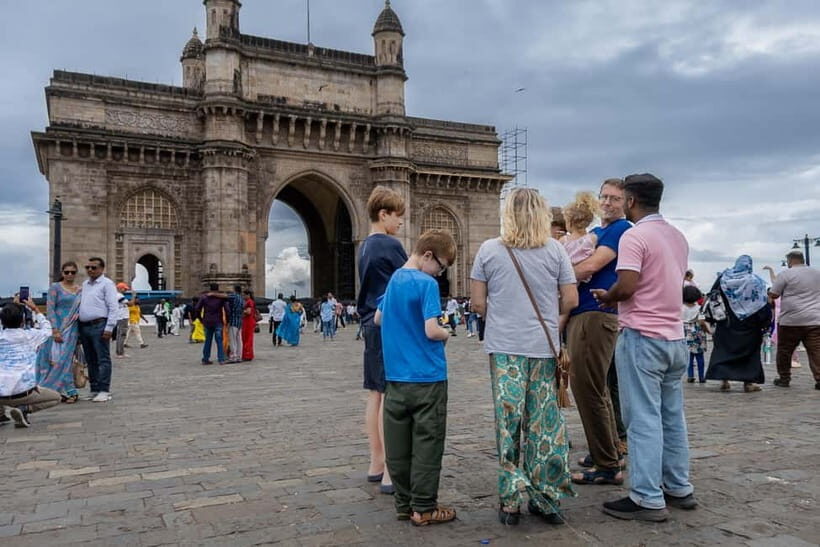
The day opens at Gateway of India, a natural first stop because it helps you get your bearings fast. The guide explains its historical significance, so you’re not just snapping a photo near the water. It’s the kind of site where a little context changes the whole experience.
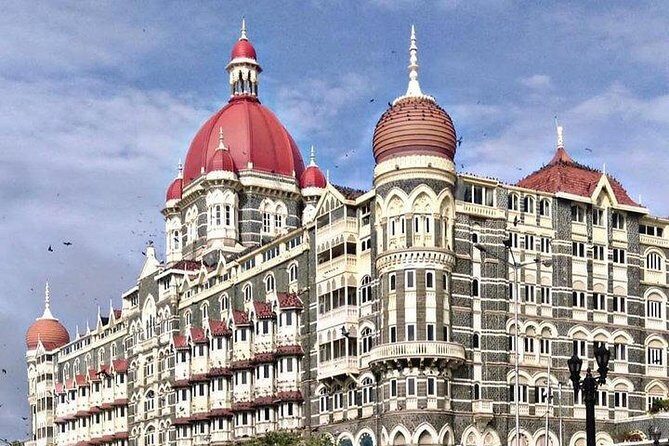
Right after that, you head to Chhatrapati Shivaji Maharaj Terminus (CSMT), a UNESCO World Heritage Site. This is where the tour leans into “see it, then understand it.” You’ll get a photo stop and a guided visit to appreciate the station’s Victorian Gothic architecture, which is hard to grasp from pictures alone.
Potential drawback: because these are popular icons, the experience can feel slightly more “photo-friendly” than “museum-slow.” If you like spending extra time in one place, you might want to add your own independent time later. But for a first Mumbai sampler, this opening sequence works.
Crawford Market and Dhobi Ghat: the city at work

Next comes Crawford Market, and this is one of the best places to understand Mumbai’s daily rhythm. You’ll walk through the market with a guide, seeing a range of goods and getting a real sense of the constant movement of shoppers and sellers. It’s not an “artsy” stop. It’s practical. That’s the point.
Crawford is especially useful because it teaches you how to look at the city. You start noticing patterns: what people buy, how stalls are organized, and how vendors talk with regular customers. If you’ve ever thought of India as one big idea, this kind of market stop keeps it grounded in daily needs and choices.
After that, you visit Dhobi Ghat, known as the world’s largest open-air laundry. Expect a photo stop and a visit where you can observe traditional laundry methods. Even if you’ve seen laundry scenes before, this one is different because it’s in full public view and tied to how the local economy works.
Photo tip: Dhobi Ghat can be active. If you’re photographing, be ready for people moving through your frame. Ask your guide when it’s best to shoot so you’re not blocking or intruding.
Dharavi slum walk: what you’ll see, and how to act
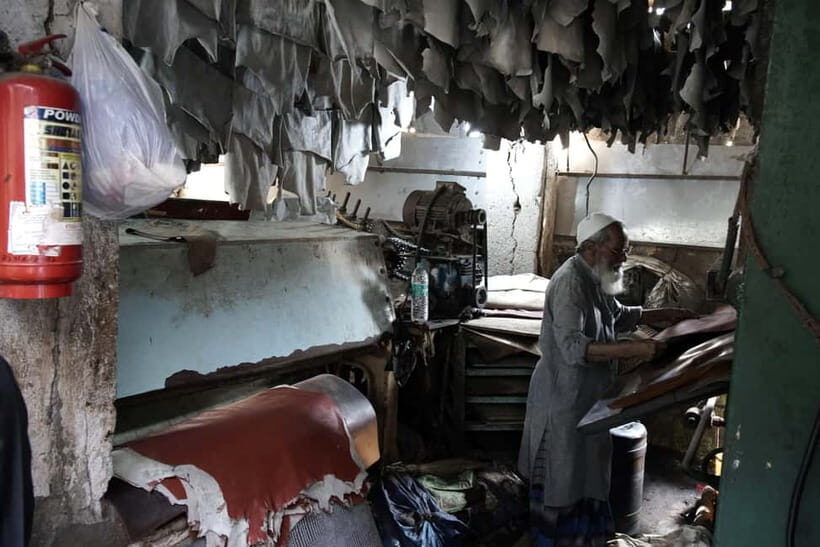
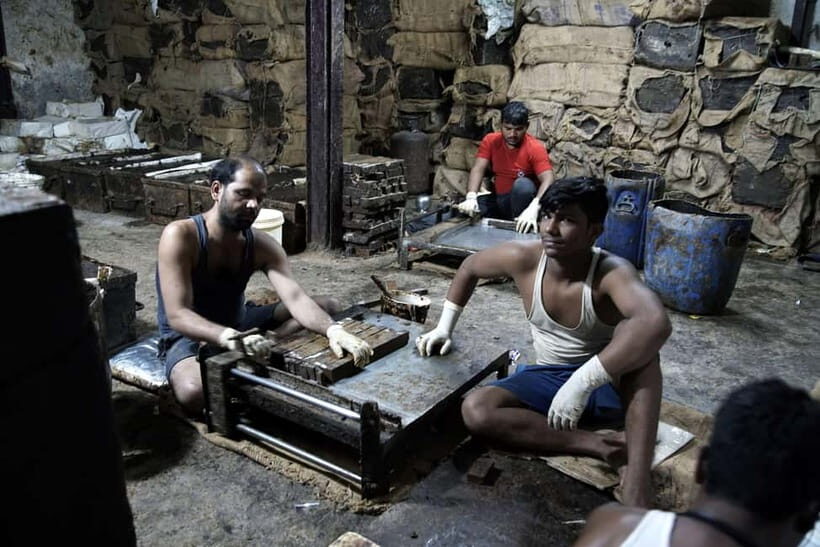
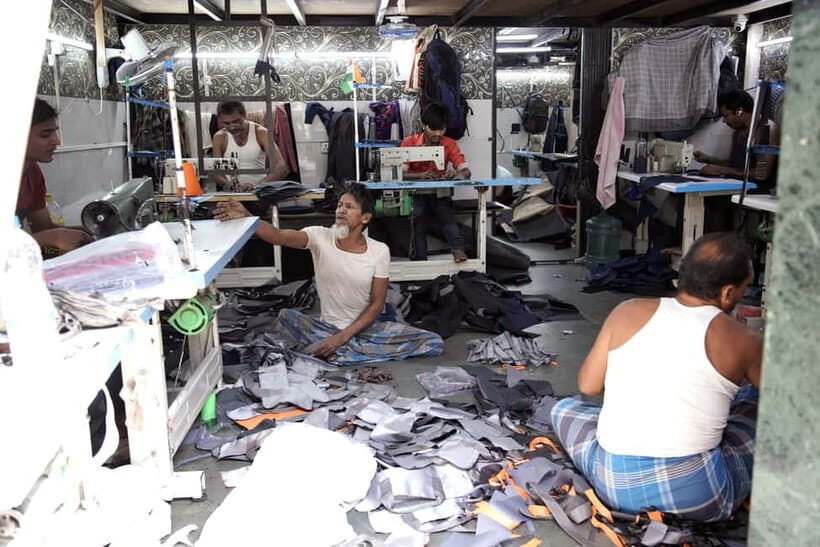
The major emotional centerpiece is Dharavi, with about two hours for a guided visit and walk. This part is handled as a structured experience, not a sightseeing sprint. Your guide shows both commercial and residential areas, explaining how people live, work, and build skills and businesses in tight spaces.
From what’s been shared by guides leading this route, the respectful tone is key. Names like Subhan, Ruqaiyya, and others come up for a reason: they tend to manage access carefully and explain what you’re looking at before you start wandering. The aim is simple. You learn, you don’t stare.
What you should expect in the walk:
- Small-scale industries that support the local economy
- A mix of home life and work life, close together
- Guides explaining challenges and the practical solutions people create
- Stops chosen for where visitors are welcome and where the experience stays considerate
How to behave (this matters more than you think):
- Keep your camera use respectful; don’t block walkways.
- Ask questions in your own words instead of waiting for a moment to film.
- Remember you’re seeing someone’s daily route, not a staged set.
One consideration: this can be humbling. If you’re the type who wants only postcard Mumbai, Dharavi might feel heavy. But if you want the real side of how a city functions, this is the part you’ll talk about afterward.
The landmark belt: Oval Maidan, university clock, and the High Court
After Dharavi and the working stops, the tour shifts into a more “city-imagery” mode. You’ll pass through Oval Maidan and get photo and guided attention at the nearby University of Mumbai and the Rajabai Clock Tower, then the High Court of Bombay.
These are short stops by design: photo stop, visit, guided context, then on to the next point. The value is that they show you Mumbai as an administrative and educational center, not only a port city and entertainment city.
Here’s a practical way to enjoy this section: treat it like an architectural and civic walk. Instead of trying to read every detail, notice the scale—how these buildings signal power, learning, and the city’s formal identity. Your guide helps tie these landmarks to how Mumbai grew and why certain institutions matter.
If you’re hoping for museum-style deep learning at every stop, you may feel the time is tight. But for a single-day route, it keeps momentum without dropping the meaning.
You can also read our reviews of more tours and experiences in Mumbai





Marine Drive and Hanging Gardens: where the day cools off
When the tour reaches Marine Drive, you’re moving into scenery and perspective. You’ll have a photo stop and guided visit along the coastline stretch, and you can feel why this part of Mumbai became a symbol.
Then comes Hanging Gardens, which is a step away from the road energy. You’ll visit with a guide and take a walk with views over Marine Drive and the Arabian Sea. This is a good reset point—less about explaining trade and more about letting your eyes rest while still understanding the city’s geography.
From there, you’ll also visit Kamala Nehru Park for a guided walk. It continues the “look around” theme, where the city’s edges and open spaces help balance the earlier intensity of market streets and Dharavi lanes.
If you get photos here, do it in short bursts. The views are great, but the best feeling is standing still for a minute. Let the sound of traffic fade and take in the coastline angle.
Mani Bhavan: a quieter ending with Gandhi’s Mumbai
The last major historical stop is Mani Bhavan, and it’s designed as a self-guided visit. That choice matters. It means you can set your own pace here instead of trying to absorb everything through a live guide at the end of an already full day.
Mani Bhavan is the former residence of Mahatma Gandhi, and it gives context about his life and India’s independence movement. For me, ending with a self-paced history stop is smart because it gives you a place to slow down after the day’s many moving parts.
Bring a small expectation adjustment: this won’t feel like the icon stops with big photo moments. Instead, it’s more of a place to read and reflect.
Price and value: what $43 buys you

At $43 per person for a full-day plan, the value mostly comes from what’s included and what’s taken care of for you. You get:
- Hotel pickup and drop-off
- An air-conditioned vehicle
- Bottled water
- All fees and taxes
- A live English-speaking guide
- A route that combines landmark viewing with working neighborhoods and one guided slum walk
In other words, you’re paying for time, access, and interpretation. Mumbai is not easy to “DIY” if your goal is to cover this range in one day without losing hours to transit and confusion. The guide removes that friction.
Is it cheap? Relative to the daily cost of private, guided full-day touring in many places, it’s very competitive. The main “cost” you pay is time and mental energy, because you’re moving through many different worlds in one sitting.
Who this tour suits best (and who should rethink)

This works well if you:
- Want a first-time Mumbai day that still includes the city’s real working side
- Like a mix of landmark photos and guided explanations
- Prefer a private format that keeps things manageable
- Can handle one emotionally intense segment with a respectful tone
You might rethink it if you:
- Want a slow, relaxed day with long stays at fewer places
- Get overwhelmed by seeing poverty and want only comfortable sightseeing
- Hate “photo stop” pacing and prefer only museum-like experiences
If you’re a solo traveler, the format also tends to feel easier because you’re not navigating alone. Some people specifically highlight how safe and comfortable they felt with attentive drivers like Saddam and with guides who manage the group carefully.
Should you book? My take
I’d book this tour if your goal is to understand Mumbai from multiple angles in one day: the landmarks, the working economy, and the human reality of life in Dharavi. The best part is that the day isn’t just sightseeing. You get guided framing—especially for Dharavi—so you’re not walking in blind.
Skip it only if you want comfort-only Mumbai or if you’re hoping for deep, unhurried time at every stop. This is a smart “mix and learn fast” plan, and it succeeds because it keeps the pacing practical while still making room for meaning.
FAQ
How long is the Mumbai City & Slum tour?
The tour lasts about 6 hours.
What’s included in the price?
The price includes bottled water, an air-conditioned vehicle, and all fees and taxes.
Is there a guide, and do they speak English?
Yes. The tour includes a live tour guide who speaks English.
Is hotel pickup and drop-off included?
Yes, hotel pickup and drop-off are included for a hassle-free experience.
Is this tour private?
The tour is listed as a private group.
What stops are part of the tour?
The route includes Dharavi (guided walk), Dhobi Ghat (photo stop), Chhatrapati Shivaji Maharaj Terminus (photo stop and guided visit), Crawford Market (visit and walk), Gateway of India (photo stop and guided visit), plus additional landmark stops like Oval Maidan, University of Mumbai, Rajabai Clock Tower, High Court of Bombay, Marine Drive, Hanging Gardens, Kamala Nehru Park, and Mani Bhavan (self-guided).
Can I cancel if my plans change?
Yes. Free cancellation is available up to 24 hours in advance for a full refund.