REVIEW · MUMBAI
Mumbai: Dharavi Slum Slumdog Millionaire Tour with a Local
Book on GetYourGuide →Operated by Amaze Tours · Bookable on GetYourGuide
Dharavi is not what I expected. I love the community spirit you can feel in the narrow lanes, and I love how a local guide turns the Oscar-famous name into real, daily life. The one drawback to plan for is that the conditions and workloads can be emotionally tough to watch up close, so you’ll want a steady mindset before you go.
What makes this tour work so well is that it’s designed for the street level: easy pacing, a human-scale route, and time to ask questions instead of rushing past everything. I also like that some options include hotel transfers, which removes a lot of the guesswork before and after. You’ll still walk on uneven ground and in rain or shine, so wear shoes you trust.
Expect this to be a hands-on view of how money, materials, and skills move in Mumbai—right down to soap, handmade cosmetics, pottery, textiles, and the recycling chain. Also note that photos and videos are not permitted at most places on the tour, so plan to keep your attention on people and process, not your camera.
In This Review
- Key things that make this Dharavi tour worth it
- Why Dharavi Feels Like a City Within a City
- Meeting Point, Timing, and the Real Pace of the Walk
- Narrow Alleys to Workshops: What You’ll See Up Close
- The Recycling Industry Isn’t a Sidebar—It’s the Engine
- Diversity in One Neighborhood: Traditions, Beliefs, and Coexistence
- How the Local Guide Changes Everything (Safety, Humor, and Translation)
- The Pottery Factory Finish—and How to Extend the Experience
- Price and Logistics: Getting Real Value for $10
- What to Bring and How to Handle the Day Comfortably
- Who This Dharavi Tour Fits Best
- Should You Book This Dharavi Slum Tour With a Local?
- FAQ
- How long is the Dharavi slum tour?
- Is the tour in English?
- Where do I meet my guide?
- Is photography allowed during the tour?
- What should I bring with me?
- Does the price include hotel pickup and drop-off?
- Can I add a meal at the end?
- Is this tour refundable if my plans change?
Key things that make this Dharavi tour worth it
- A local voice, not a script: guides (often including names like Alam, Loki, Maze, Ganesh, Denish, Dinesh, Sunil, Musa, Dawood, and Nano) explain what you’re seeing in everyday terms.
- Small-scale industry everywhere: you’ll pass production that turns raw materials into sellable goods, not just a single viewpoint.
- Recycling as a system: the tour pays attention to how the recycling industry works, not only the finished products.
- Small-group pacing: narrower alleys feel more manageable when you’re not fighting a big crowd.
- You end at a pottery factory: the finish feels productive and practical, not like a dead end.
- Optional home meal add-on: you can extend the experience with a vegetarian meal in a local family’s home.
Why Dharavi Feels Like a City Within a City
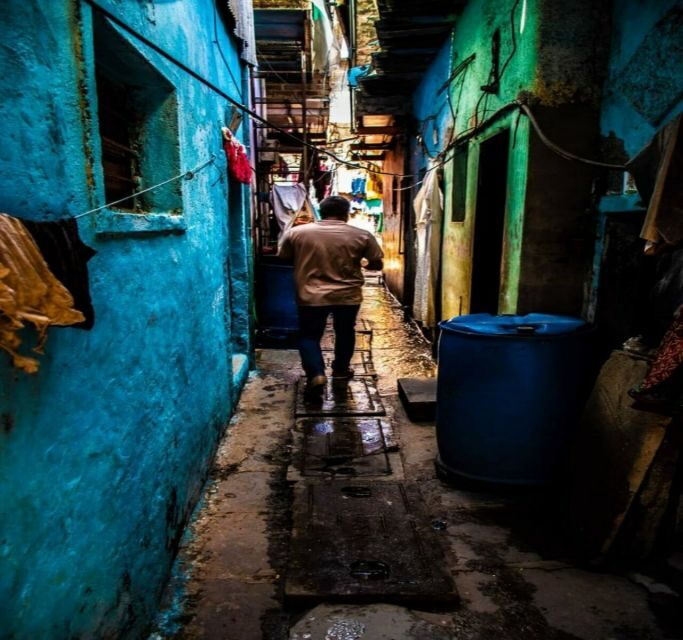
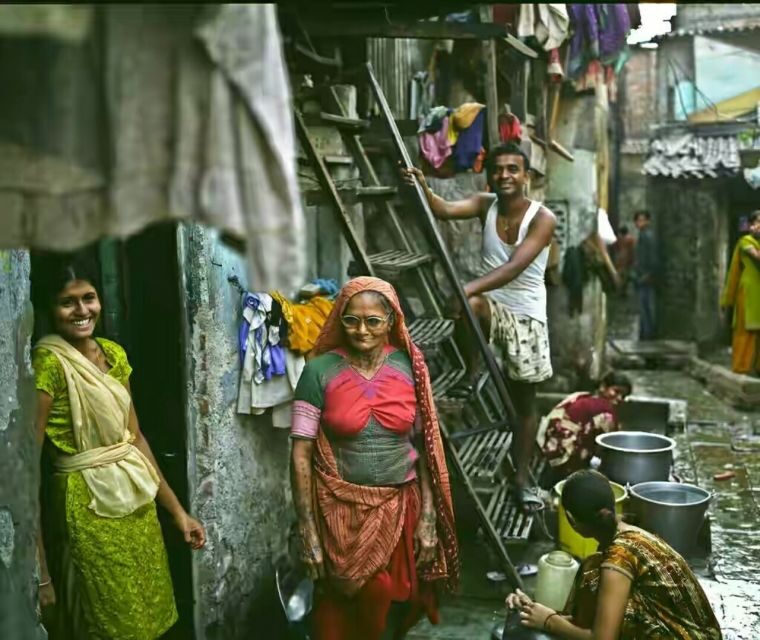
Dharavi gets labeled as a slum because that’s the simplest word people use from far away. But on the ground, it reads like a working neighborhood—full of schools, a hospital, and businesses that keep people employed and households running. The tour’s big value is that it helps you replace one-note labels with real structure: where people live, where they work, and how the daily economy functions.
I also appreciate the contrast the tour highlights. You’ll see the parts that are difficult—tight living and heavy labor—and you’ll also see the “neighborhood” pieces: routines, services, and community spaces that prove Dharavi isn’t only survival. That contrast is exactly why this tour is so memorable. It’s not just an image; it’s a place that people actively manage.
And there’s another layer: Dharavi is famous through Slumdog Millionaire, but the tour makes that film reference secondary. Instead of getting stuck in pop-culture storytelling, you get focused attention on small manufacturing, recycling workflows, and the way traditions coexist in the same area.
You can also read our reviews of more tours and experiences in Mumbai.



Meeting Point, Timing, and the Real Pace of the Walk
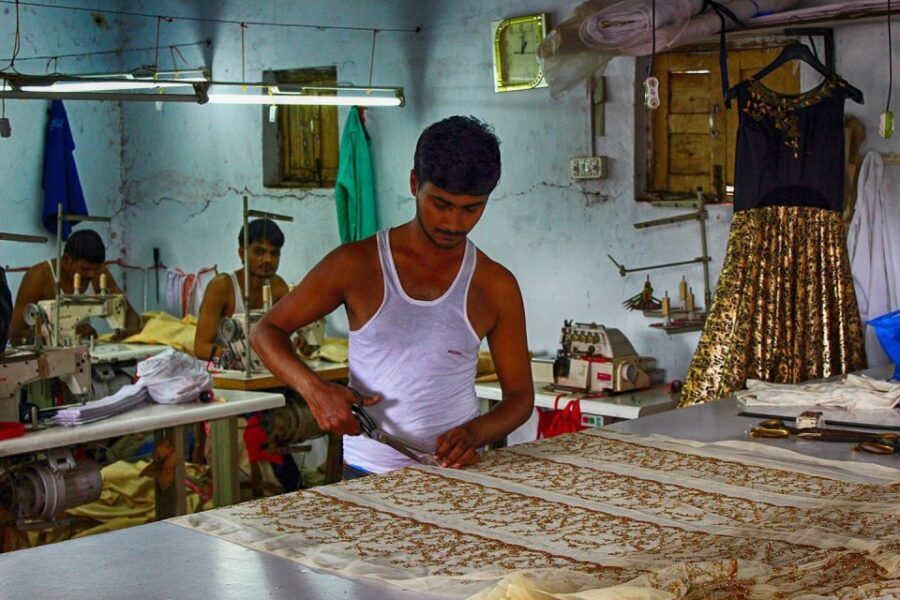
Your start point can vary depending on the option you choose, but the basic pattern stays the same: you meet your guide in Dharavi, then you walk through narrow alleys and busy working spots. The tour duration typically falls between 1.5 and 3 hours, so you’re not committing to a full day just to “check off” something intense.
The pacing matters. A smaller group means you can actually follow directions, ask questions, and move at a human speed through spaces where movement can be tricky. This is especially helpful if you’re not used to crowded areas or you simply want time to process what you’re seeing.
If you select an option with hotel pickup and drop-off, the trip is less stressful. In practice, it also helps you avoid the common fear of arriving late or getting lost in the final leg. Even if your route includes local transport after the tour, the guide’s role is to keep you together and get you where you need to be.
Narrow Alleys to Workshops: What You’ll See Up Close
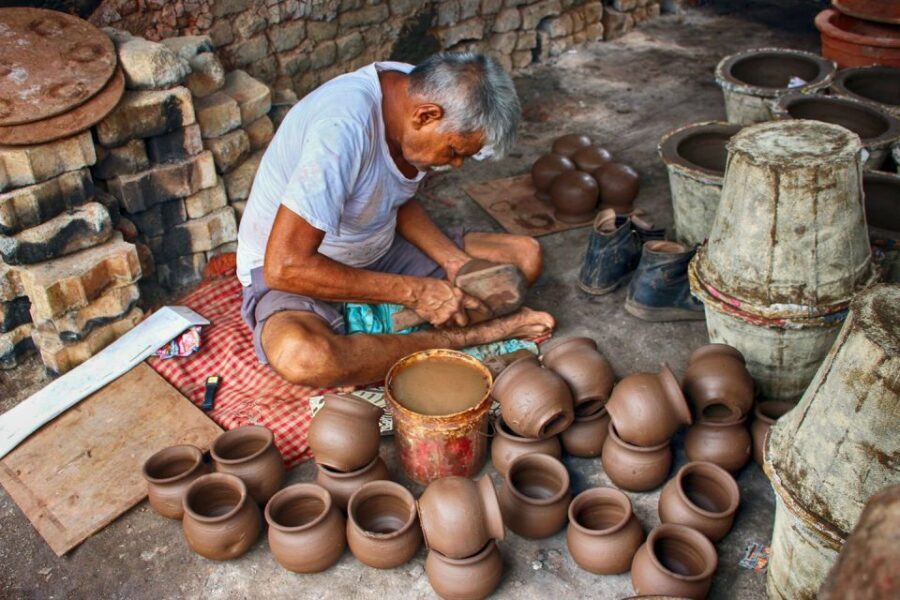
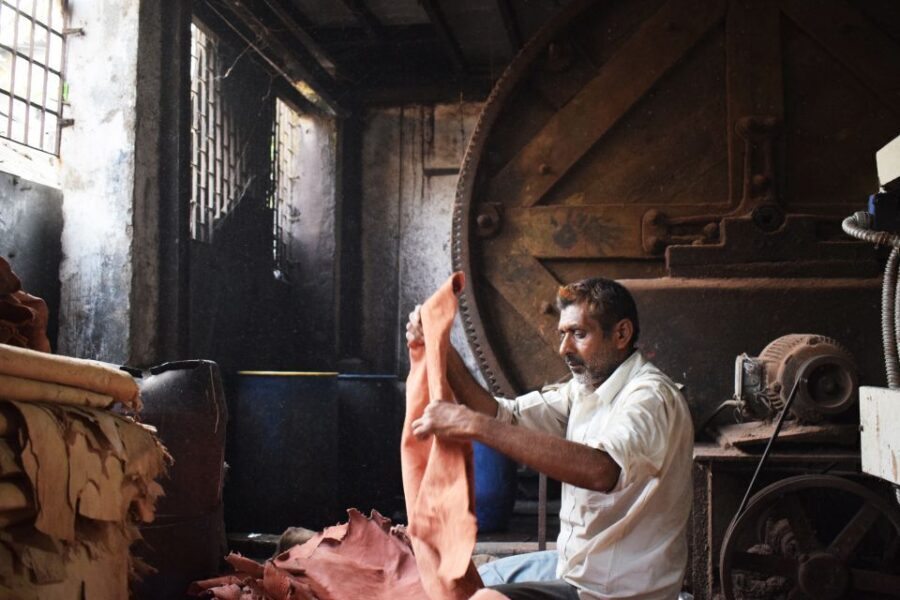
The core of this experience is a guided walk where small industries are visible in almost every direction you turn. You’re not only looking at a street scene—you’re watching micro-economies at work.
Here are the types of production the tour focuses on:
- Exotic soaps and handmade cosmetics made locally
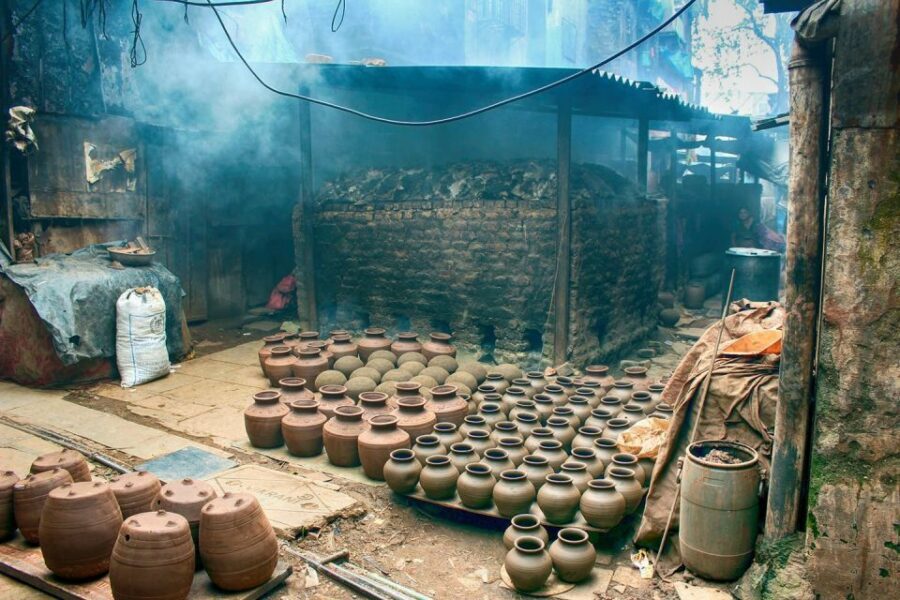
- Pottery, where you can see how items are shaped and finished
- Textiles, tied to everyday use and local demand
- Other small manufacturing, depending on what’s active that day
What I like about this approach is that it changes the way you judge “value.” Instead of asking only how people live, you start noticing how people work—how skills become products, and how those products move into the broader Mumbai economy. At the tour price point (more on value below), this kind of inside look is hard to replicate on your own.
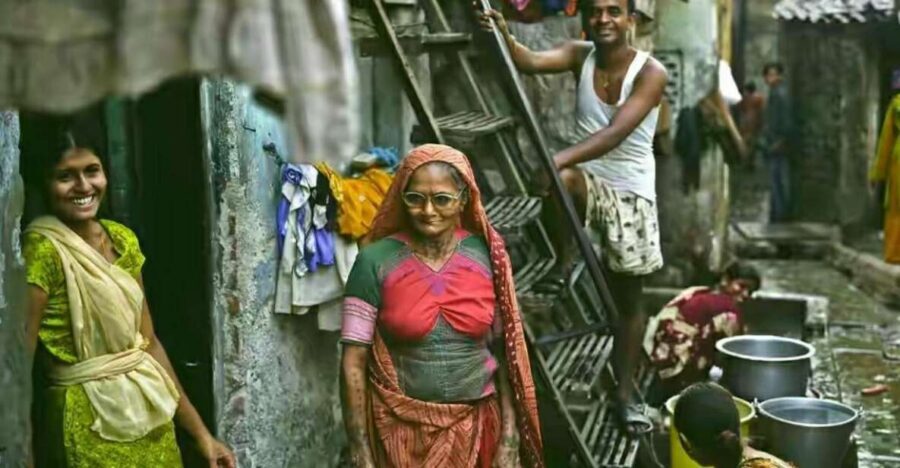
Also, you’ll likely interact with people during the route. That interaction is part of what makes it feel real, not staged. If you’re the kind of person who worries about stepping on boundaries, you’re in luck: the guide experience is meant to keep you respectful and on track.
The Recycling Industry Isn’t a Sidebar—It’s the Engine
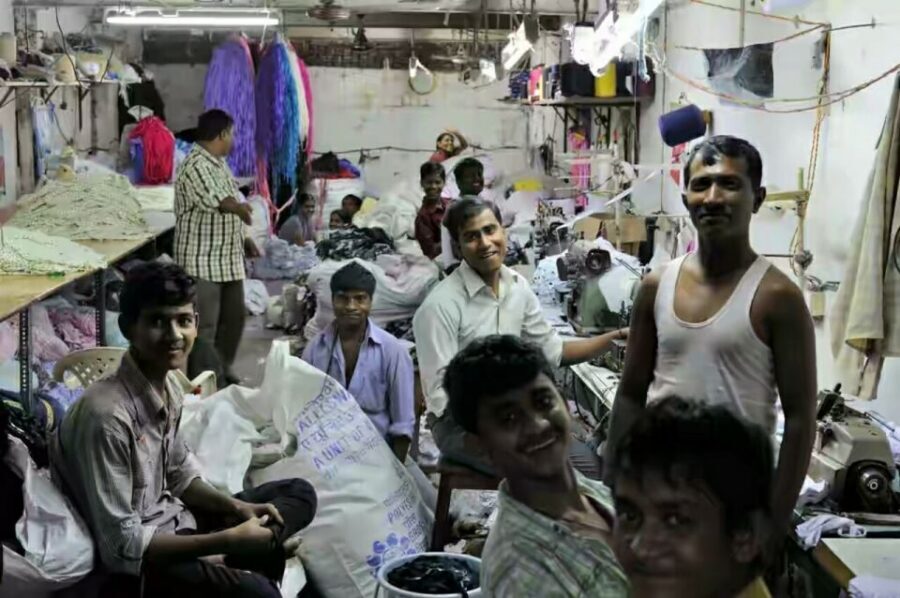
One of the most important parts of Dharavi is also one of the least understood from outside: recycling. This tour includes time to explain how the recycling industry works and how materials pass through stages until they become usable again.
That matters because recycling here isn’t a charity or a side hustle. It’s a system that turns waste into value and feeds manufacturing. You’ll see why people treat it as work that’s tied to global supply chains. Even if you come in expecting something like a “poverty tour,” the recycling focus can reframe what you notice: the place has processes, knowledge, and production steps.
From the way different guides describe the production chains, the tour also helps you build mental maps. You come away with a better sense of how inputs become outputs—how materials get collected, sorted, processed, and turned into goods. That’s the kind of learning that actually sticks, because it’s connected to what you saw in front of you.
Diversity in One Neighborhood: Traditions, Beliefs, and Coexistence
Dharavi is also described as diverse, with different traditions and beliefs living close together. The tour doesn’t treat diversity as a poster idea. Instead, it shows you how day-to-day life keeps moving with multiple backgrounds in the same space.
That can be surprising if your mental picture of slums is simplified. Here, the practical reality is that neighbors share pathways, shops, and routines—even when customs differ. The tour’s route and conversations encourage you to notice this without turning it into a debate or a lecture.
I’d suggest you go in ready to observe. Ask questions, but keep your curiosity grounded in “what’s happening here, and why?” That tone tends to lead to better answers from a local guide and helps you understand the neighborhood rather than judging it from a distance.



How the Local Guide Changes Everything (Safety, Humor, and Translation)
The guide isn’t just translating English. They’re translating context.
People often mention that their guides felt funny, friendly, and calm—some even shared humor to ease tension in tight areas. Names that come up strongly include Loki, Maze, Ganesh, Denish, Alam, and Dinesh. Even when the guide assignment changes, the pattern stays: you get lived-in context and practical direction.
Safety is a frequent theme in the way this tour is described. Some guides help manage transfers using local buses and trains, and they help you stay together so you’re not wandering off in busy streets. If you’re someone who dislikes the stress of navigating Mumbai logistics, that’s a major reason to choose this format instead of trying to “DIY” Dharavi.
One more practical point: photography and videography are often restricted in many spots. A good guide helps you understand when it’s okay and when it isn’t—so you don’t accidentally create problems. Go in with a mindset of asking first, rather than assuming you can film.
The Pottery Factory Finish—and How to Extend the Experience

The tour typically ends after about 2 hours at a pottery factory. That ending is smart. It gives you a “workshop conclusion” rather than a random street exit. You can ask your guide for help getting a taxi from there, so you’re not stuck trying to coordinate the last mile while tired.
And if you want to stay longer, there’s an add-on option: a vegetarian meal with a local family. This is the part that turns the tour from a walking experience into something more personal. It also changes the tone of the visit: instead of observing only workspaces, you get a glimpse of home-based hospitality.
If you add the meal, plan your day around it. The tour length can increase, and you’ll want enough time afterward to get back comfortably. I like the option because it lets you choose your comfort level. Some people want a short, focused walk. Others want one extra hour of connection.
Price and Logistics: Getting Real Value for $10

At $10 per person, this is one of the most budget-friendly ways to understand Dharavi beyond headlines. The value isn’t just the low price; it’s what you’re buying with that money:
- A local guide who can explain industry and community details
- A structured route through narrow lanes that would be hard to navigate alone
- Time focused on production (soap, cosmetics, pottery, textiles) and recycling workflows
- Bottled water during the tour
The hotel transfer option (when selected) also adds value by reducing friction. You’re paying to remove stress, not only to save time. In a place where getting from point A to point B can feel chaotic, that kind of support can be worth more than the dollar amount suggests.
Duration is another part of the value equation. You’re looking at 1.5 to 3 hours, so you’re not spending a half day to see a single viewpoint. This is a compact format that still covers multiple kinds of work and neighborhood life.
What to Bring and How to Handle the Day Comfortably
You’ll be walking, likely on uneven ground and in close quarters. Wear comfortable shoes, and plan for the weather. The tour runs rain or shine, so bring a sun hat and sunglasses for bright days and expect wet days to be slick.
Also bring long pants. It’s not a style choice here; it’s practical for walking through tight spaces and for staying comfortable.
Two more behavior notes matter:
- Photography and videography are not permitted at most places. Ask your guide before you take any pictures.
- Tipping is optional and not included in the ticket price. If the guide keeps you safe and helps you understand the place with care, you’ll likely want to show appreciation.
Finally, be aware of who the tour isn’t suitable for. It isn’t recommended for pregnant women, people with mobility impairments, or people with heart problems. If you fit any of those categories, it’s best to look for a different activity designed for your needs.
Who This Dharavi Tour Fits Best
This is a good match if you want:
- A real-world view of how small industries and recycling work
- A short, guided experience that’s easier than navigating on your own
- A community-focused story rather than only “poverty” imagery
- Time to ask questions, not just stand and stare
It’s also a solid choice if you like guides with humor and practical explanations. Many people describe their guides as both friendly and confident, and that matters in a place where nerves can spike if you move without direction.
If you’re easily overwhelmed by difficult working conditions or you know you’ll struggle with intense visuals, go with extra mental preparation—or consider whether this kind of close look is right for you.
Should You Book This Dharavi Slum Tour With a Local?
Yes, I think you should book it—if you’re ready for a place that’s complicated. Dharavi isn’t staged, and it’s not a postcard. The payoff is a grounded understanding of how community and industry coexist, and how everyday work shapes the neighborhood.
Skip the tour (or choose a different style of experience) if you’re not comfortable with:
- Restricted photography in most locations
- Walking in rain or shine
- The emotional reality of seeing heavy labor and tight living spaces up close
- Physical constraints, since it isn’t suitable for mobility impairments
If you do book, make it count. Wear proper shoes, keep your camera away where it isn’t allowed, and ask your guide simple, respectful questions about what you’re seeing: how things are made, what recycling steps do, and how people keep the neighborhood running.
FAQ
How long is the Dharavi slum tour?
The duration is typically 1.5 to 3 hours, depending on the option and how the time is scheduled.
Is the tour in English?
Yes. The guide provides an English-speaking experience.
Where do I meet my guide?
The meeting point may vary depending on the option you book.
Is photography allowed during the tour?
Photography and videography are not permitted at most places. Ask your guide before taking any pictures or videos.
What should I bring with me?
Bring comfortable shoes, sunglasses, a sun hat, and long pants. The tour runs in rain or shine.
Does the price include hotel pickup and drop-off?
Hotel pickup and drop-off are included only if you select that option. Otherwise, you’ll meet at the designated meeting point.
Can I add a meal at the end?
Yes. You can add a vegetarian meal with a local family if you want to stay longer.
Is this tour refundable if my plans change?
There is free cancellation up to 24 hours in advance for a full refund.