REVIEW · MUMBAI
Dhobi Ghat (Open Air Laundry) with Dharavi Slum Guided Tour
Book on Viator →Operated by Shreeji Tours n Travels · Bookable on Viator
Seeing open-air laundry in action makes Mumbai feel real fast, especially at Dhobi Ghat, a commercial washing yard dating back to 1890. Pair that with a guided walk through Dharavi, where small workshops and recycling happen in tight spaces, and you get two very different parts of the city in one smooth half-day.
I especially like the way the tour builds in great photo opportunities without losing the human story behind the work. I also appreciate that you’ll be with English-speaking guide Rakesh, and he’s the kind of guide who can explain clearly and even keep things fun.
One consideration: this is still a walking-and-standing experience, and it runs 5 to 6 hours, so you’ll want good weather and comfortable clothing. Heat and crowds can be a lot in the middle part of the day, even with mineral water and a refreshment stop.
In This Review
- Key things to know before you go
- The big idea: two working neighborhoods, one guided thread
- Dhobi Ghat: watching open-air laundry since 1890
- Practical notes for Dhobi Ghat
- The Dhobi-to-Dharavi jump: why the switch feels so meaningful
- Dharavi on foot: Asia’s largest slum area, explained with specific trades
- The recycling area: the process, not just the piles
- Community centre and daily life details
- Rooftop tin hutments: the view you can’t forget
- Guide Rakesh: clear explanations and a pace that works
- Photo opportunities that still respect the moment
- Price and value: why $30 can work for a 5–6 hour day
- Where the day starts and how the timing feels
- Who this tour is best for
- Who should think twice
- Should you book the Dhobi Ghat and Dharavi guided tour?
- FAQ
- FAQ
- What is the duration of the tour?
- What stops are included?
- How long do I spend at Dhobi Ghat?
- How long is the Dharavi walking tour?
- Is pickup and drop-off included?
- Does the price include admission tickets?
- Is bottled water or refreshments included?
- Are meals included?
- What time does the tour start?
- Where do I meet the guide?
- Is it a private tour?
- What if the weather is bad?
Key things to know before you go
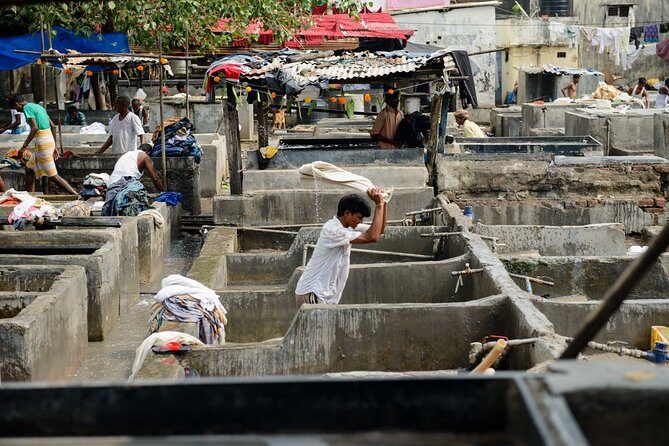
- Dhobi Ghat has been operating since 1890, with dhobis washing clothes in the open for hotels and hospitals.
- You get a guided, 2-hour Dharavi walk focused on real trades like leather, pottery, soap-making, bakery, dye, and recycling.
- Recycling is a centerpiece: you’ll see the route from sorting to finished plastic pellets.
- A rooftop visit gives perspective, with tin hutments stretching outward as far as you can see.
- Rakesh’s guiding style matters: clear explanations, friendly energy, and on-the-ground local context.
The big idea: two working neighborhoods, one guided thread
This tour works well because it connects labor, daily logistics, and entrepreneurship. At Dhobi Ghat, you see how laundry moves through an open-air system. Then at Dharavi, you see how lots of small industries operate in close quarters, from recycling to craft and food production.
The rhythm is built around two main stops with time to process what you’re seeing. Dhobi Ghat is about watching work in motion. Dharavi is about walking, talking, and taking in how people make livelihoods in very small spaces.
You can also read our reviews of more guided tours in Mumbai


Dhobi Ghat: watching open-air laundry since 1890
Dhobi Ghat is an open-air laundromat where washer-men—called dhobis—work in the open to clean and dry clothes and linens. The setup is commercial, serving Mumbai hotels and hospitals, so this isn’t a tourist performance. It’s steady work.
The experience is built around an about 1-hour visit, which is just long enough to notice the patterns: the flow of laundry, the physical effort, and how the yard functions as a system. You’ll also learn that Dhobi Ghat is a term used across India for places where many washers work together—so you’re not just seeing one site, you’re seeing a broader idea of how laundry labor is organized.
What I like here is the contrast. Dhobi Ghat looks simple from a distance, but up close you realize it’s organized, skilled work done under the sky. If you enjoy observing how cities actually run, this stop hits.
Practical notes for Dhobi Ghat
You’ll likely spend time standing and looking, so wear comfortable shoes. It’s also smart to dress for sun exposure because this is outdoors, and the tour requires good weather to run.
The Dhobi-to-Dharavi jump: why the switch feels so meaningful

After Dhobi Ghat, Dharavi can feel like a total gear change: laundry yards move to recycling yards and small workshops, and the focus shifts from one job to a whole ecosystem of trades. That shift is exactly why this pairing works.
At Dhobi Ghat, you see a single service delivered at a large scale. In Dharavi, you see many services and products being made in tiny manufacturing spaces, often for domestic and international markets. Together, they show two sides of working city life: service work and production work.
Dharavi on foot: Asia’s largest slum area, explained with specific trades
Your Dharavi portion is a 2-hour guided walking tour. The goal isn’t vague generalities. You’ll walk through commercial and residential areas and hear about the kinds of work people do day to day.
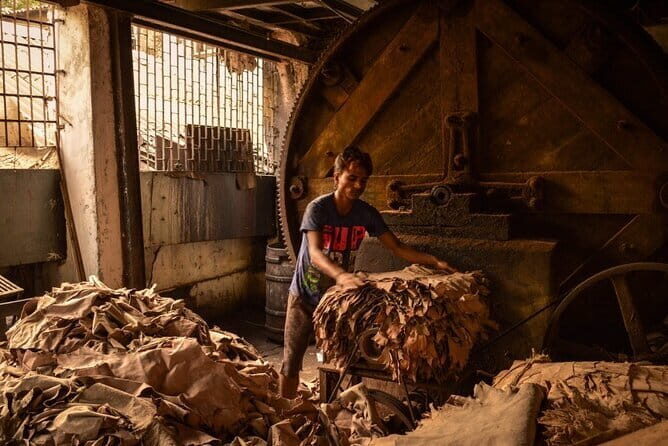
The tour focus areas include plastic recycling, leather industries, pottery, soap-making, bakery, color dye, and small alleyways with schools and hospitals. You’ll also see homes inside the community and hear how different faith practices show up in everyday life, including a note about Muslim people making a shrine for Hindus.
This is one of those tours where what you learn matters as much as what you see. When you understand the trades—how materials move, how goods get made, how waste gets turned into input—the area stops feeling like a single label and starts feeling like a functioning set of systems.



The recycling area: the process, not just the piles
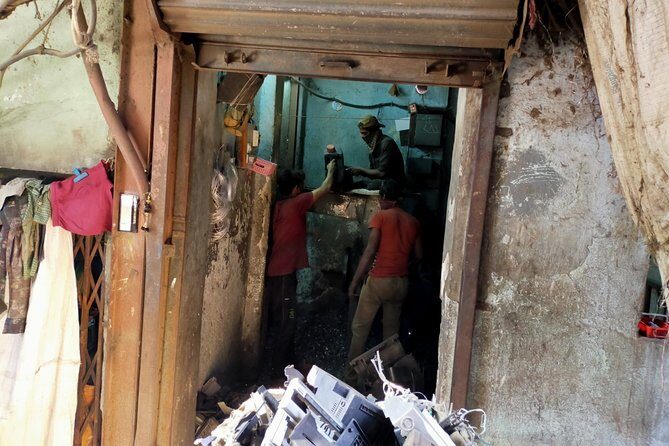
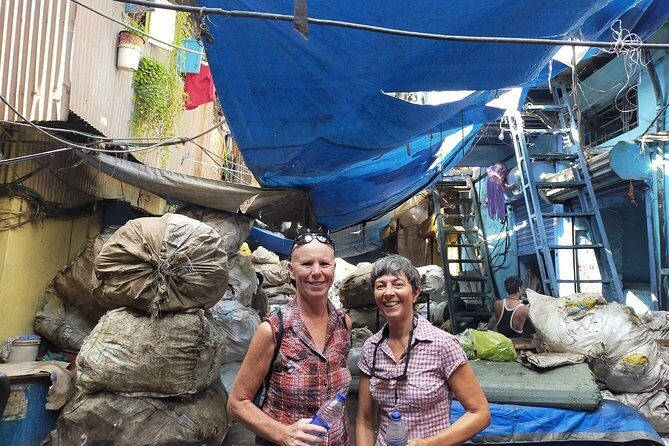
The recycling area is called out as a highlight for a reason. You’ll see the path that metal and plastic take as it comes in from all over the world, then move through sorting and onward to finished plastic pellets.
Even if recycling already sounds familiar, watching the sequence makes it real. This stop is about process, not drama: what gets sorted, what gets separated, and how waste becomes a usable material again.
Community centre and daily life details
You’ll also get time tied to the community centre. That matters because it gives you a little context beyond work sites. It helps connect entrepreneurship with community needs—education, services, and the spaces where people gather and organize.
Rooftop tin hutments: the view you can’t forget
One of the most memorable moments is the rooftop visit. From there, the tin hutments—home to so many people—stretch outward as far as your eyes can see. It’s the kind of perspective that gives you spatial understanding quickly.
This is also where the tour shifts from facts to feeling. From street level you see tight alleys and close structures. From above, you understand how dense and layered the community can be, which changes how you interpret the rest of the walk.
Guide Rakesh: clear explanations and a pace that works
A big part of the value here is the guide. The tour includes a local English-speaking guide, and Rakesh is named in the feedback as both pleasant and informative. You’ll also get practical meeting support—people praised the clarity around where to meet and how the guide shows up and sticks with the group.
What stood out to me in the way the guide is described: he adjusts to the group’s language needs. One set of feedback mentioned the guide using simpler words, speaking at an easier pace, and keeping things light with jokes. That’s not a small detail. It changes whether you spend the walk understanding the city—or just moving through it.
If you’re the kind of traveler who likes to ask questions and get straight answers, you’ll probably enjoy this format.
Photo opportunities that still respect the moment
This tour is built for strong visuals: open-air washing, workshop activity, alleys, schools and hospitals along the way, plus the rooftop view. In the feedback, people specifically called out photo opportunities combined with good guidance.
Still, the photos are better when you understand what you’re seeing. The guide helps you connect the visual to the working reality: laundry going through an open system, materials being sorted into recyclables, goods being shaped in small production spaces.
If you like taking pictures but hate turning everything into a spectacle, this approach helps you get what you came for: photos with context.
Price and value: why $30 can work for a 5–6 hour day
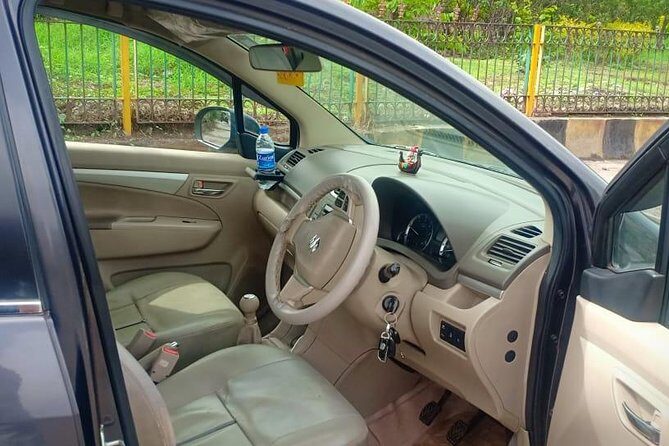
The tour price is $30 per person for roughly 5 to 6 hours. That’s not just a “walk with a guide” rate. It includes pickup and drop-off, an air-conditioned vehicle, toll and parking fees, mineral water, and admission tickets for both stops.
For many visitors, the hidden value is time and logistics. Starting at 10:00 am with a smooth pickup setup means you’re not spending the day figuring out transportation and entrances on your own. And because it’s private for your group, you’re not stuck waiting for strangers to catch up.
There are no meals included, so you may want to plan around that, especially if you arrive hungry. But the tour does include refreshment between the tour, which helps.
Where the day starts and how the timing feels
The meeting point is at Third Wave Coffee, Tip Road, Unit no. 58, Ground, Ram Mahal, Senapati Bapat Marg, Marinagar Colony, Mahim, Mumbai, Maharashtra 400016. The tour begins at 10:00 am and ends back at the meeting point.
In terms of pacing, you have:
- About 1 hour at Dhobi Ghat
- About 2 hours on the Dharavi guided walk
- Plus travel and the refreshment pause between the main parts
So even though the total time is 5 to 6 hours, you’re not spending that whole time trudging. The structure helps you absorb what you’re seeing rather than rushing through everything.
Who this tour is best for
This is a good match if you want a grounded look at Mumbai’s working life, not just monuments. You’ll likely enjoy it if you like:
- photography with context
- street-level learning from a local guide
- seeing how everyday services and trades work in real settings
It can also suit solo travelers because it’s guided and private to your group. If you want a calm pace with explanations, this format tends to work well.
Who should think twice
If you dislike walking or you get uncomfortable in outdoor settings, you may find parts of the day challenging. Dhobi Ghat is open-air, and Dharavi involves a guided walk in tight spaces. This tour also needs good weather, so on rainy or poor-weather days, it may be rescheduled or refunded.
Also note that the visit isn’t a long, slow day. It’s a focused window into two places, which is great for a half-day—but not ideal if you want hours and hours in one neighborhood.
Should you book the Dhobi Ghat and Dharavi guided tour?
I’d book it if you want an experience that blends real work with a local perspective and gives you two distinct stories in one day. The pairing of Dhobi Ghat’s open-air laundry system with Dharavi’s trades—especially plastic recycling and the rooftop view—is a powerful way to understand Mumbai beyond postcards.
Book it if you care about the guide experience too. Named in feedback, Rakesh comes across as someone who keeps information clear and adjusts his pace to the group, including people with different language comfort levels.
Skip it or think hard if you’re sensitive to outdoor heat, crowds, or a moderate amount of walking. But if you’re comfortable with city reality and like learning by seeing, this tour feels like strong value for the time and the guided attention you get.
FAQ
FAQ
What is the duration of the tour?
The tour runs about 5 to 6 hours total.
What stops are included?
You visit Mahalaxmi Dhobi Ghat first, then you take a guided walking tour in Dharavi.
How long do I spend at Dhobi Ghat?
Dhobi Ghat is scheduled for about 1 hour.
How long is the Dharavi walking tour?
The Dharavi guided walking portion is about 2 hours.
Is pickup and drop-off included?
Yes. The tour includes pickup & drop, and it uses an air-conditioned vehicle.
Does the price include admission tickets?
Yes. Admission tickets are included for both parts of the tour.
Is bottled water or refreshments included?
Mineral water is included, and refreshment is provided between the tour so you don’t feel tired or dehydrated.
Are meals included?
No meals are included, and personal expenses are also not included.
What time does the tour start?
The start time is 10:00 am.
Where do I meet the guide?
You meet at Third Wave Coffee, Tip Road, Unit no. 58, Ground, Ram Mahal, Senapati Bapat Marg, Marinagar Colony, Mahim, Mumbai, Maharashtra 400016, India.
Is it a private tour?
Yes. It’s a private tour/activity, with only your group participating.
What if the weather is bad?
The experience requires good weather. If it’s canceled due to poor weather, you’ll be offered a different date or a full refund.