Two hours in Dharavi changes your mental map. I love the local guides from Dharavi who explain what you’re seeing, and I love the mix of residential areas plus working commercial zones where small trades keep the neighborhood going. It’s a safety-forward walk that stays focused on real day-to-day life.
One practical plus: bottled water is included, and admission tickets are free, so you can keep your budget simple. The one thing to plan around is that food and drinks are not included, so you’ll want to eat before or after.
If you want an easier start, pickup is offered and you’ll use a mobile ticket. Also, this tour is commonly booked about 77 days in advance, so waiting too long can squeeze your options.
In This Review
- Key highlights worth your attention
- Dharavi in 2–3 hours: what you’ll actually see
- Your Dharavi walkthrough: homes, homes, and working streets
- Pottery, leather, textiles, and recycling: the trades that shape daily life
- Safety first, but still human: how the guide changes the experience
- Price and included extras: why $11.31 can be a real deal
- Pickup, mobile ticket, and timing: planning your day in Mumbai
- Who this private Dharavi walk fits best
- Should you book this Dharavi Slums private walking tour?
- FAQ
- How long is the Private Walking Tour in Dharavi Slums?
- What does the tour cost per person?
- Is pickup offered?
- Is an admission ticket required?
- Is food and drinks included?
- What kinds of places will the guide show you in Dharavi?
Key highlights worth your attention
- Private guide, local perspective on history, culture, and daily routines
- Two worlds in one walk: homes where people live and commercial areas where work happens
- Real trades you can point to like pottery, leather, textiles, and recycling
- Safety stays part of the plan throughout the journey
- Good value pricing at $11.31 with all fees and taxes included
- Pickup plus mobile ticket to help you start without extra hassle
Dharavi in 2–3 hours: what you’ll actually see
Dharavi is often shown in headlines, but this tour keeps you grounded in what’s in front of you right now. You’ll walk with a local guide through the neighborhood and get a guided picture of how life is organized there, from where people live to where small-scale work takes place.
I like how the time is realistic. The experience runs about 2 to 3 hours, and the main on-foot portion is listed as about 2 hours focused on Dharavi. That matters because Dharavi can feel intense if you’re trying to absorb everything alone. Having a planned route and a guide’s pacing helps you keep your attention on what’s meaningful instead of getting overwhelmed.
You also get context, not just sightseeing. The guide is set up to share information about the area’s history, culture, and local lifestyle, so the scenes you pass start making sense. That’s where the value really shows up: the walk becomes a guided explanation of how a living community functions.
You can also read our reviews of more walking tours in Mumbai


Your Dharavi walkthrough: homes, homes, and working streets
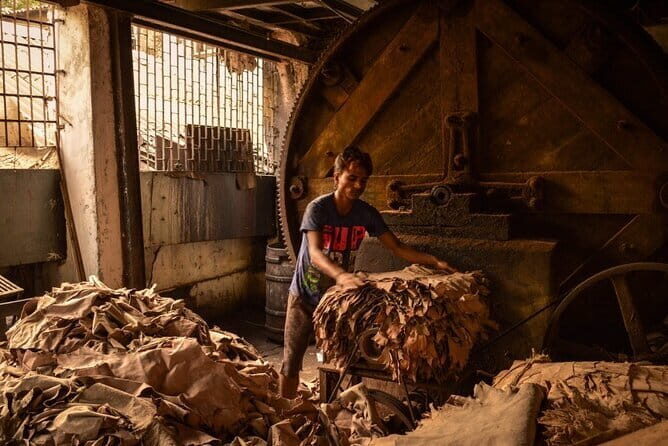
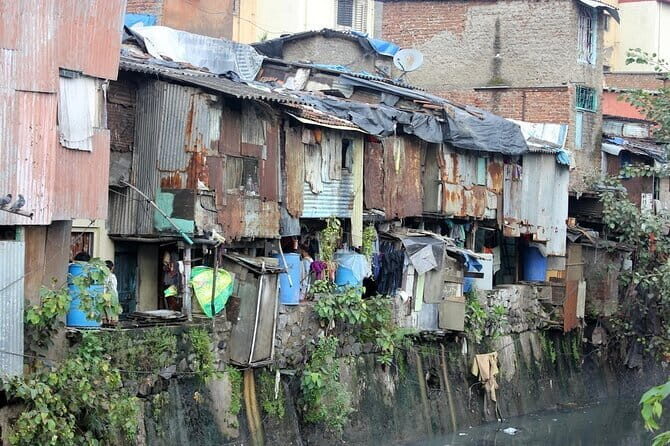
The core of the tour is Dharavi itself, and the route is built around contrast. You’ll move through residential areas where locals live, then shift into commercial zones where small industries operate close to everyday life.
That mix is the point. In many places, homes and businesses feel separated by distance. In Dharavi, they’re closer, so you get a more complete picture of how people fit work, trade, and community into the same spaces. As you walk, you’ll notice how the neighborhood isn’t just a place people pass through. It’s a place people run, repair, produce, and support.
There’s also a safety-forward approach. The tour description specifically says your guides prioritize safety throughout. Translation: you’re not left to wander while figuring things out on your own. You follow guidance, keep moving at the pace of the group, and let your guide handle what needs handling.
One more practical note: because this is a walking tour, you’ll want to plan your energy. You don’t have long breaks built in from the provided info, so go in with a clear idea of your timeline for the day.
Pottery, leather, textiles, and recycling: the trades that shape daily life
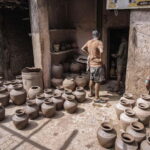
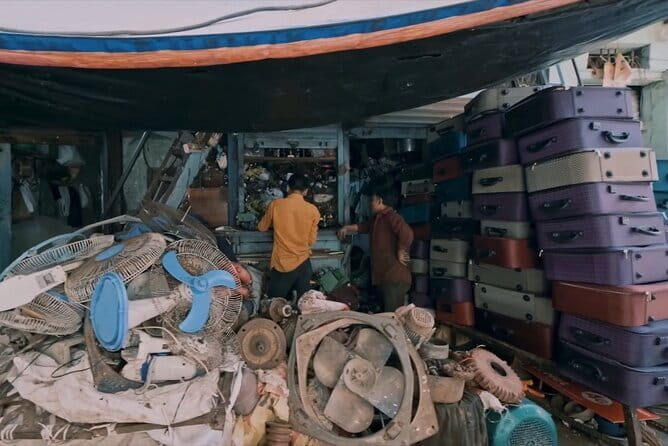
If you’re expecting a tour made of distant viewpoints, this won’t be that. One of the strongest parts of the experience is how you’re guided to witness the commercial side of Dharavi up close—specifically small-scale work such as pottery, leather, textiles, and recycling.
Why this matters: these aren’t abstract facts. They explain why Dharavi functions the way it does. Small industries create practical routines—materials arrive, goods move through steps, and skills get passed along. Even if you don’t understand every process at first, seeing multiple types of trade in one walk gives you a better mental model of the local economy.
I also appreciate that the tour doesn’t reduce Dharavi to one single story. By pointing to several trades, it shows how different kinds of work can coexist. That’s useful if your goal is to leave with a more accurate understanding, not a one-dimensional snapshot.
One caution to keep in mind: seeing industry and everyday life side by side can feel emotionally heavy, especially if you’re carrying preconceptions. The guide can help contextualize what you’re seeing, but you should still go in with a calm, respectful mindset.
Safety first, but still human: how the guide changes the experience

This tour is framed around safety, and that’s not a small detail. When a local guide leads the route, you spend less time figuring out where to go next and more time paying attention to what the guide explains. In a place like Dharavi, that structure makes the experience feel steadier.
The guides also share information about history, culture, and local lifestyle during the journey. That means you’re not just watching scenes—you’re connecting them to the guide’s explanation as you go. You’ll likely find yourself asking better questions because the tour sets you up with starting points.
There’s also a practical value in the way the experience is packaged. It’s private, so the guide can shape the pacing to your group. I like that, because it can help you pause, process, and move on without feeling rushed.
If you’re the type who prefers careful context over speed, this format fits. If you prefer a fast photo-focused sprint, you might feel constrained by the safety-forward, guide-led flow. Still, it’s hard to argue with the tradeoff: you’re getting understanding with your feet on the ground.
Price and included extras: why $11.31 can be a real deal
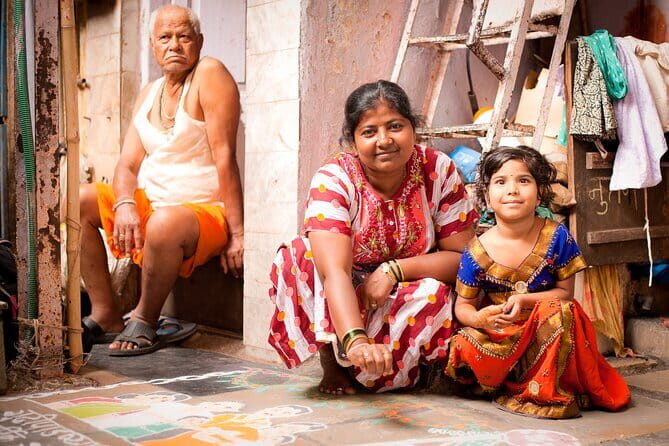
At $11.31 per person, this private walking tour sits in a budget-friendly range, especially because the listing says all fees and taxes are included. For many tours, that’s where value quietly hides. Here, it’s upfront.
Also included:
- Bottled water
- Local guides from Dharavi
- All fees and taxes
And importantly:
- Admission tickets are free
That combination matters when you’re trying to keep a day in Mumbai under control. You’re paying for the guide and the experience, not multiple add-ons you have to piece together.
What’s not included:
- Food and drinks
So the smartest money move is simple: eat before you go, then use the bottled water during the walk. If you’re the sort who needs a snack in the middle of your day, plan that too. This tour won’t solve hunger for you.
You can also read our reviews of more private tours in Mumbai




Pickup, mobile ticket, and timing: planning your day in Mumbai
Two setup details make a difference in real life: pickup is offered and you’ll get a mobile ticket. Pickup can save time and stress, especially if you’re balancing a packed Mumbai schedule. Mobile ticket access also means you don’t have to scramble for printed docs.
Timing-wise, you’re looking at 2 to 3 hours total. With that duration, this works well as a mid-morning or afternoon activity when you’re not trying to squeeze in a long list of other things.
One more planning tip from the booking pattern: the tour is often booked about 77 days in advance on average. That’s a sign of steady demand. If you know Dharavi is on your must-do list, it’s worth securing a spot sooner rather than later so you don’t end up compromising on time.
Who this private Dharavi walk fits best
This is a strong choice if you want an organized, guided look at how Dharavi functions as a lived community. The combination of residential areas plus commercial zones is ideal for people who like to understand how places work beyond the headline version.
It’s also a good fit if you care about context. The guide shares information about history, culture, and local lifestyle, so the tour doesn’t feel like a simple walk-by.
On the other hand, it may not be your best match if you expect lots of leisure time, on-tour meals, or a purely entertainment-style outing. With no food and drinks included, you’ll need to manage your own comfort during the day.
Should you book this Dharavi Slums private walking tour?
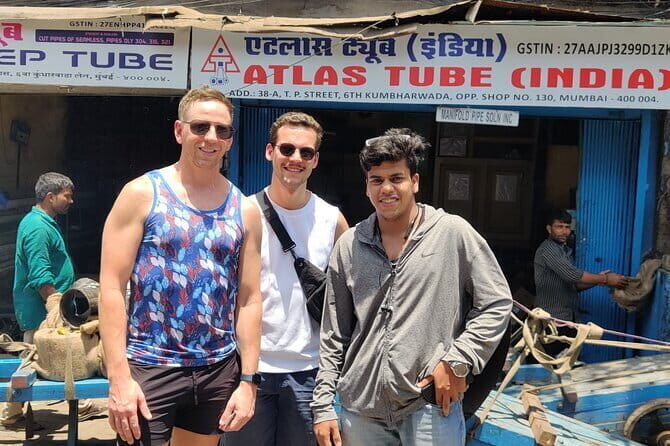
Book it if you want a guided, private walking experience focused on what Dharavi looks like in real life: homes where people live and workshops where industries like pottery, leather, textiles, and recycling keep moving. The safety-first approach plus free admission ticket makes it a clean, straightforward value.
Consider skipping (or at least planning carefully) if you don’t like guided structure, or if the idea of walking through a difficult setting will stress you out. And do plan a meal ahead of time, since food and drinks are not included.
If you’re aiming for a respectful, grounded understanding of Mumbai’s biggest working communities, this tour can be a smart use of your time.
FAQ
How long is the Private Walking Tour in Dharavi Slums?
The tour lasts about 2 to 3 hours (approx.).
What does the tour cost per person?
It costs $11.31 per person.
Is pickup offered?
Yes, pickup is offered.
Is an admission ticket required?
No, the admission ticket is free.
Is food and drinks included?
No. Food and drinks are not included. Bottled water is included.
What kinds of places will the guide show you in Dharavi?
You’ll see residential areas where locals live and commercial zones with small-scale industries, including pottery, leather, textiles, and recycling.