REVIEW · MUMBAI
Cultural & Heritage Trails of Old Town Mumbai Guided Walking Tour
Book on Viator →Operated by Yo Tours · Bookable on Viator
First impressions hit fast in Mumbai. This guided walk threads together famous sights with the smaller details that explain how the city works, from the harbor drama at Gateway of India to the sunset-gloss look of Marine Drive. You get a friendly storyteller who can speak English & Hindi, plus practical local tips that help you plan the rest of your day without guessing.
Two things I really liked: the guide storytelling style (clear, human, and tied to what you’re seeing), and the route logic. It’s not just random photos; the tour connects landmarks like the Bombay Stock Exchange area and the Reserve Bank of India area to the everyday streets around them. One drawback to consider: it’s a walking tour, so if you’re hoping to roll from stop to stop with minimal walking, this probably isn’t your format.
In This Review
- What You’ll See on the Route (And Why It Matters)
- Key Highlights at a Glance
- From Apollo Bandar to First Views of Mumbai’s Waterfront
- The Story Walk: Statues, Famous Streets, and a Proper Dose of Context
- The Yacht Club, Historic Facades, and That Regal Cinema Detail
- Art Galleries, a Jewish Synagogue, and an Antique Library Stop
- Big Institutions in a Walking Dose: BSE, RBI, and Oriental Buildings
- Horniman Circle to Town Hall: Turning Corners Like a Local
- The Finish Line: Queen’s Necklace (Marine Drive) and the Harbor Glow
- Guide Quality: The Real Value Comes from the Storytelling
- Pacing, Group Size, and What to Bring
- Price and Value: Why $12.47 Can Work (If Your Expectations Match)
- Who This Walking Tour Is Best For
- Should You Book This Old Town Mumbai Walk?
- FAQ
- How long is the Cultural & Heritage Trails of Old Town Mumbai Guided Walking Tour?
- Where does the tour start and end?
- How much walking is involved?
- How much does the tour cost?
- Does the tour offer a choice of time of day?
- What languages do the guides speak?
- What’s included in the tour price?
- Is food included?
- What’s the maximum group size?
- Is free cancellation available?
What You’ll See on the Route (And Why It Matters)
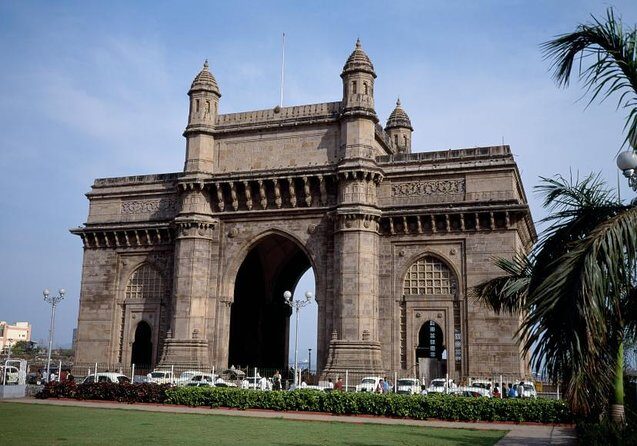
You’ll walk about 1.5 miles (2 kilometers) over roughly 2 hours, and the value comes from getting the “what am I looking at?” part handled for you. Starting at Apollo Bandar in Colaba, you pass statuary, colonial-era architecture, churches, and major institutions, then finish near Queen’s Necklace on Marine Drive. It’s a smart way to get your bearings fast—especially if you only have part of a day.
The other consideration: because the tour uses a live guide, a missed or late guide is a low-probability risk. One review described a day when the guide didn’t show up and the refund request wasn’t answered. It’s not the norm based on the overall rating, but it’s worth knowing so you can stay organized and confirm plans close to departure.
Key Highlights at a Glance
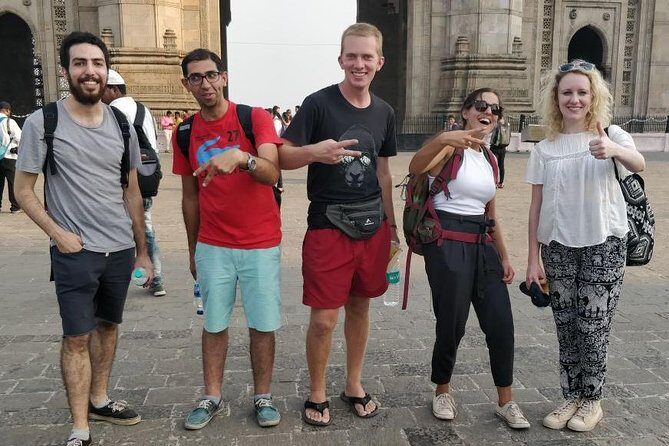
- Gateway of India start, Marine Drive finish: a clean “one direction” tour that helps you map the area.
- English & Hindi guides: you’re not stuck guessing at details.
- Hidden lanes and lesser-seen stops: the walk mixes famous landmarks with small streets.
- Old Town mix of faith, business, and food: churches, synagogues, major financial sites, and local snacks.
- Max 15 people: small-group pace that usually feels manageable.
- Morning or evening times: you can pick the light and temperature that fit your day.
You can also read our reviews of more walking tours in Mumbai


From Apollo Bandar to First Views of Mumbai’s Waterfront
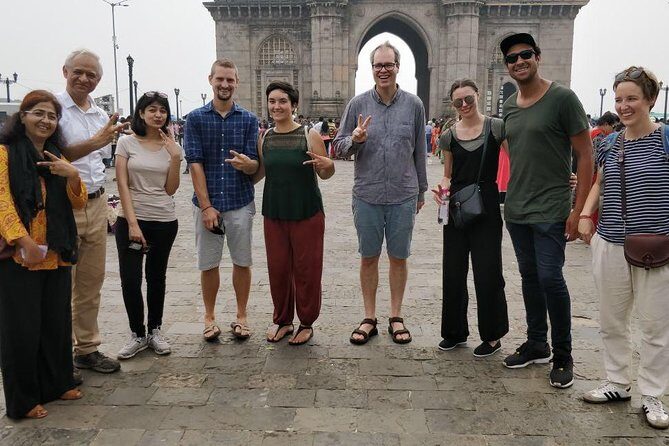
The tour begins at Gateway of India, Apollo Bandar, Colaba. Even if you’ve seen photos, standing near the water changes everything. You’re looking across turquoise water dotted with colorful boats and yachts, and it’s the kind of waterfront scene that instantly tells you Mumbai is a city shaped by trade and migration.
Right away, your guide connects the landscape to people and power. You’ll see the Vivekanand and Shivaji Statues and the Wellington Fountain as part of the early “anchor points” of the route. The practical benefit is that you don’t just hear names—you learn how those choices fit into the city’s identity and how visitors move through the area today.
If you’re doing Old Town Mumbai on day one, this is a good move. You’ll get your mental map while the city is still new, not after you’ve spent hours bouncing between spots with no thread.
The Story Walk: Statues, Famous Streets, and a Proper Dose of Context
After the harbor area, the walk shifts into the older fabric of South Mumbai—streets where the city’s layers show up in buildings, signage, and small everyday businesses.
One moment you’ll be noticing a generations-old arab perfume shop. The next, it’s a heritage hotel that’s long been a backpacker hotspot. That combination is exactly the point. Mumbai’s history isn’t just in museums; it’s in how neighborhoods host travelers, merchants, and communities year after year.
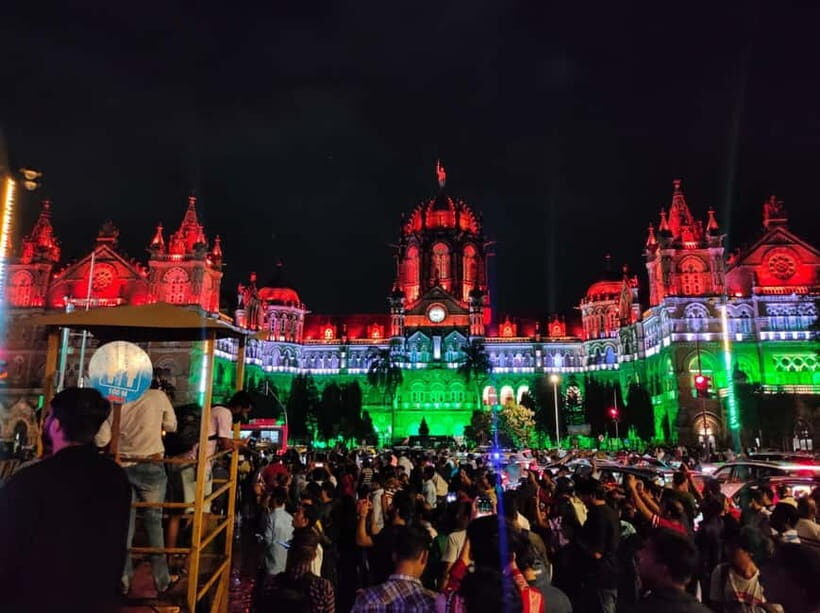
You’ll also pass by what’s described as the oldest churches in South Mumbai. That’s the type of stop I like on a walking tour, because it’s easy to skip on your own—you might see the church and walk past. With a guide, you can connect the building to the idea of who arrived, who stayed, and how faith communities shaped the streets around them.
Then comes a fun, very Mumbai contrast: the tour highlights India’s best-known seekh kebab shop brand. You may not eat during the tour (food isn’t included unless specified), but you’ll see how local “comfort food” brands sit next to historic landmarks. That’s the kind of detail that turns a sightseeing day into something you actually remember.
The Yacht Club, Historic Facades, and That Regal Cinema Detail
The route keeps its momentum toward the Royal Yacht Club area and the historic buildings along the road stretch. Even if you’re not a yacht-and-marina person, yacht clubs in major port cities tend to reflect old wealth and old trade routes. Your guide uses those visual cues to explain why certain buildings and institutions gained influence where they did.
One stop that stands out for practical reasons is Regal Cinema, noted as India’s first air-conditioned theatre. It’s one of those facts that makes you slow down and look at a landmark differently. Instead of treating it as a standalone “cool building,” you get the story behind why this site mattered when it opened—and why it still draws attention now.
This is where the small-group format helps. With a max group size of 15, you’re more likely to get time for questions instead of being swept along like a line item.
Art Galleries, a Jewish Synagogue, and an Antique Library Stop
In the downtown stretch, the tour shifts from big-name landmarks to cultural spaces. You’ll visit art galleries that show multiple art varieties, which is a nice balance if you’ve been thinking only in terms of architecture and monuments so far.
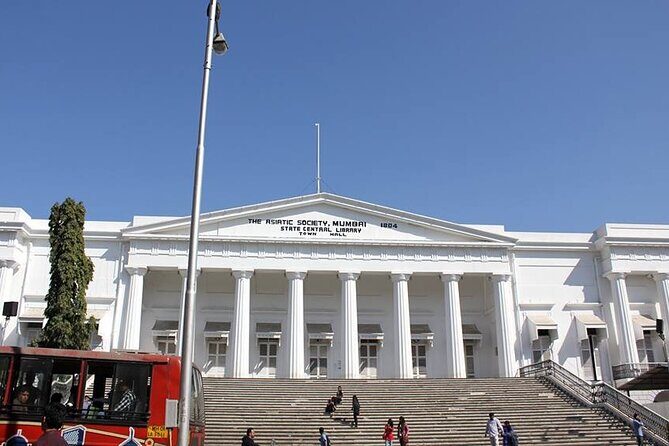
You’ll also see a Jewish Synagogue and an antique library. These are the stops where you start to understand the city as a place of many communities, not just one dominant story. It’s also a good reminder that South Mumbai contains layers of migration and settlement that don’t always show up in the headline sights.
If you like learning by walking—seeing a facade, then hearing what’s behind it—this section is where the tour clicks. You’re not only collecting photos; you’re collecting meaning.
You can also read our reviews of more guided tours in Mumbai





Big Institutions in a Walking Dose: BSE, RBI, and Oriental Buildings
The tour doesn’t just stay in the romantic “old streets” zone. It also points you toward major financial and administrative landmarks, including the Bombay Stock Exchange, the Reserve Bank of India, and the Oriental Buildings.
Here’s why this matters for you as a visitor: when you understand where money and governance sit in the city, you understand why certain districts look and feel the way they do. It also helps you later, when you’re planning routes for other sights. You can recognize patterns instead of treating each stop like a separate postcard.
This part of the walk can feel more “city working” than “city sightseeing,” which is a good thing. It adds texture to the day and keeps your brain awake.
Horniman Circle to Town Hall: Turning Corners Like a Local
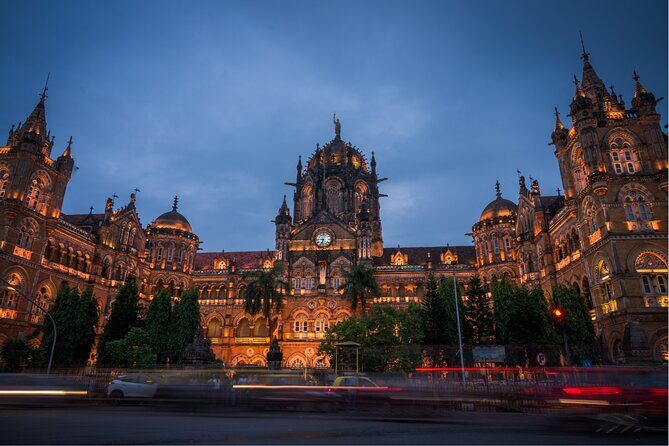
As you move toward the end, the itinerary includes stops like Horniman Circle and Town Hall. This is classic South Mumbai geometry: open areas, prominent civic buildings, and streets that help you understand how the city was designed to handle crowds, traffic, and everyday life.
From there, you’ll pass by St. Thomas Cathedral, plus key offices like the Central Telegraph Office and the Western Railway Headquarters. These aren’t just decorative facades. They represent how communications and rail shaped Mumbai into a city that connects fast, moves goods efficiently, and became a hub long before the modern era.
If you’re the type who enjoys “the why behind the building,” you’ll appreciate these stops. They’re also useful when you’re trying to decide what else to see later. A guide points out the parts that matter, and you leave with a shortlist.
The Finish Line: Queen’s Necklace (Marine Drive) and the Harbor Glow
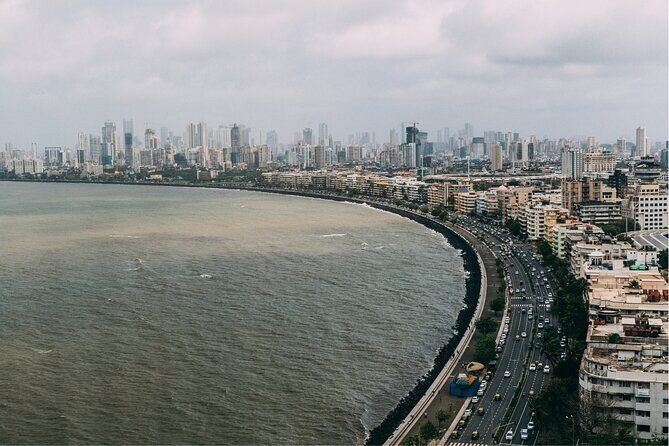
The tour ends at Queen’s Necklace, commonly known as Marine Drive, at Mumbai 400020. This finish is smart because Marine Drive is the kind of place where the whole day’s walking can land in one final view.
As you arrive, you can look back at what you covered: the harbor at the start, the old streets in the middle, and then the civic and institutional sites that explain why Mumbai grew the way it did. Marine Drive gives you the payoff—wide perspective, easy-to-understand geography, and plenty of chances to take a calm moment without rushing.
This is also a practical landing spot. From Marine Drive, it’s easier to keep exploring by choosing the direction that fits your energy.
Guide Quality: The Real Value Comes from the Storytelling
The tour’s included guide is described as a friendly storyteller trained by Yo Tours, speaking English & Hindi. That’s not just a nice-to-have. Good guiding changes how fast you understand a city.
In the reviews I’ve seen reflected in the tour’s track record, specific guides get named. One example is Akansha, praised for living in the city and explaining not just landmarks, but everyday city life. Another is Nisar, recognized for telling stories and adjusting what he showed based on interests. That flexibility is often what separates a “see a list” walk from a walk that feels like a conversation.
The tour also includes great local tips and recommendations to save money. You’ll typically hear ideas like how to plan your next stops efficiently or how to spot better value options once you’re out of the guided bubble.
And yes, you’ll spend time talking. The experience is described as encouraging interesting conversations, not just lecturing while walking.
Pacing, Group Size, and What to Bring
This is a guided walking tour, so comfort matters. The walking portion is about 1.5 miles (2 kilometers) across about 2 hours. That’s not an all-day trek, but it’s enough that you’ll want decent shoes and a plan for sun or evening breeze.
Group size is capped at 15 travelers, which usually helps the guide keep control of pace and allows questions. Near public transportation is also listed, so if you want to join late or continue elsewhere afterward, you’re not stranded.
Bring the basics:
- Comfortable walking shoes
- Water (especially for the afternoon or evening heat)
- A charged phone for directions and photos
- Light layer if you’re doing the evening option
Because food and drinks aren’t included unless specified, budget for snacks if you want to try items you pass. The kebab shop stop is a good reminder that you may be tempted.
Price and Value: Why $12.47 Can Work (If Your Expectations Match)
At $12.47 per person for an approx 2-hour guided walk, the value is mostly in the human piece and the routing. You’re paying for someone to connect landmarks, explain context, and point you through lanes you might not notice on your own.
The tour doesn’t claim to be a museum-with-entries day, and it doesn’t include food. So if your expectation is “I want ticketed attractions and guided indoor time,” this may not feel like that kind of experience. But if your goal is to learn fast, see a lot in a short window, and understand what you’re looking at while you walk, the price-to-time ratio is strong.
Also, the ability to choose morning or evening can affect value. One time of day might suit you better for photos or comfort, and you’re not locked into a single schedule.
Who This Walking Tour Is Best For
This tour is ideal if you:
- Are visiting Mumbai for the first time and want a guided orientation
- Have limited time and want a city intro you can fit into a day
- Like walking tours where the guide adds meaning to the route
- Prefer a small group (max 15) rather than a big bus crowd
- Want cultural stops mixed with practical city context
It may be less ideal if you:
- Hate walking or need step-free, fully vehicle-based touring
- Want food included as part of the program
- Are very sensitive to disruptions from guide no-shows (rare, but one review did report an issue)
Should You Book This Old Town Mumbai Walk?
I’d book it if you want your first Mumbai day to feel like a guided story, not a scramble. The route design—from Gateway of India to Marine Drive—makes sense, and the mix of institutions, churches, arts, and neighborhood businesses helps you understand the city beyond the most famous photos.
I’d hesitate only if you’re expecting indoor entrances and meals, or if you’re not comfortable with walking a short distance. Also, because there’s at least one reported case of a guide not showing, it’s smart to keep your schedule flexible and confirm details close to start time.
If you’re ready for a 2-hour, small-group walk that helps you get the city, this one is a solid value pick.
FAQ
How long is the Cultural & Heritage Trails of Old Town Mumbai Guided Walking Tour?
It lasts about 2 hours.
Where does the tour start and end?
It starts at Gateway of India, Apollo Bandar, Colaba, and ends at Marine Drive (Queen’s Necklace).
How much walking is involved?
The route is described as about 1.5 miles (around 2 kilometers) on foot.
How much does the tour cost?
The price is listed as $12.47 per person.
Does the tour offer a choice of time of day?
Yes. You can choose between a morning and an evening tour time.
What languages do the guides speak?
The guide can speak English and Hindi.
What’s included in the tour price?
A friendly trained guide, local tips and recommendations to save money, access to hidden lanes and places, and conversation/stories are included.
Is food included?
Food and drinks are not included unless specified.
What’s the maximum group size?
The tour has a maximum of 15 travelers.
Is free cancellation available?
Yes, free cancellation is available up to 24 hours in advance for a full refund.