REVIEW · MUMBAI
Mumbai Kanheri Caves & Vipassana Pagoda Tour
Book on GetYourGuide →Operated by Explore Mumbai Tours · Bookable on GetYourGuide
Two very different spiritual stops in one day.
You get the Kanheri Caves—ancient rock-cut Buddhist sites in Sanjay Gandhi National Park—and then the Global Vipassana Pagoda near Gorai, a modern meditation hall with a massive stone dome. What I like most is the pacing with a private English-speaking guide, plus the chance to add a short, structured meditation session rather than just sightseeing.
The one thing to plan around is physical comfort. Kanheri involves climbing up to see the caves, and the steps can be uneven, so good shoes matter.
In This Review
- Key Points I’d Prioritize
- Why Kanheri Caves and the Global Vipassana Pagoda Fit Together
- The Gate-to-Kanheri Reality: How Park Transport Actually Works
- Kanheri Caves: Basalt Outcrops, Buddhist Art, and What to Notice
- Global Vipassana Pagoda: A Modern Peace Monument with a 10-Minute Meditation
- The Private Guide Advantage: Names You Might Get and Why It Matters
- Price and Value: What $26 Includes (and What You’re Buying)
- How Much Walking Should You Expect?
- Best Time and Who This Tour Suits
- Should You Book This Mumbai Kanheri and Vipassana Tour?
- FAQ
- How long is the Mumbai Kanheri Caves & Vipassana Pagoda tour?
- What will I see during the tour?
- Does this tour include pickup from my hotel in Mumbai?
- Is the tour private?
- Do I need to buy tickets separately for the caves and pagoda?
- Is the Global Vipassana Pagoda meditation session part of the tour?
- When is Kanheri Caves open?
- How do we get to the Kanheri Caves inside the national park?
Key Points I’d Prioritize
- Private guide storytelling: Your guide explains the caves and pagoda in plain English, with time for questions.
- Kanheri’s Buddhist carvings across centuries: Look for sculptures, reliefs, paintings, and inscriptions from about the 1st century BCE through the 10th century CE.
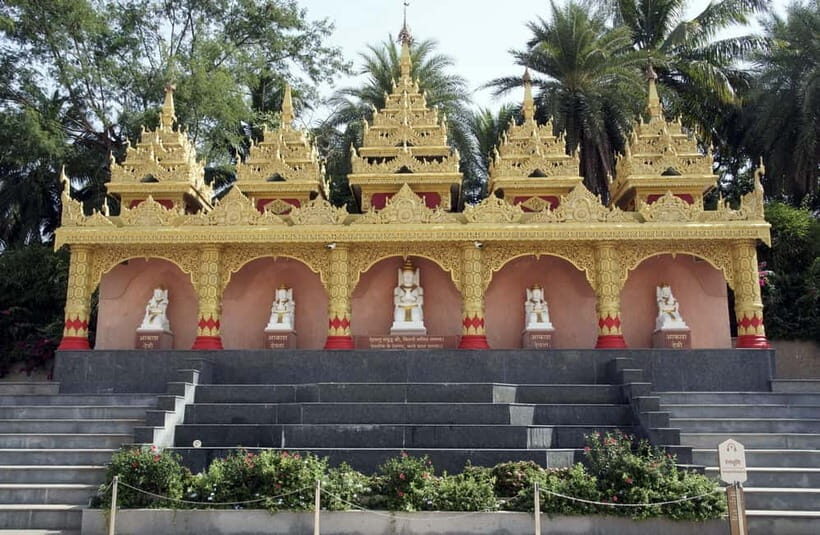
- Global Vipassana Pagoda’s “pillar-less” stone dome: The center features the world’s largest stone dome built without supporting pillars.
- A real 10-minute meditation session: Not just a quick peek. You’ll sit for a short guided session, plus a video and photo gallery.
- Park logistics are part of the experience: Private vehicles can’t go in, so you park at the gate and use public bus/van up to Kanheri.
Why Kanheri Caves and the Global Vipassana Pagoda Fit Together
If you like travel that connects ideas across time, this combo works. Kanheri takes you deep into an old Buddhist landscape carved into a basalt outcrop inside the park. The Vipassana Pagoda shifts gears to a much newer message of peace and harmony—still focused on meditation, but in a modern setting.
I like that the day has both “look closer” and “sit still” moments. The caves reward patience: you’re reading history in carvings, reliefs, paintings, and inscriptions. Then the pagoda gives you a reset: you watch a presentation, explore a gallery, and do a short meditation session so you leave with something quieter in your head than photos alone.
One more practical win: you’re not navigating on your own. A driver gets you to Mumbai’s park area, and your guide handles the meaning, not just the route. That saves you effort and keeps you from missing the details that make the sites feel alive.
You can also read our reviews of more tours and experiences in Mumbai.



The Gate-to-Kanheri Reality: How Park Transport Actually Works
Here’s the main logistics point you should take seriously: your private vehicle doesn’t drive into the national park. You park at the entrance gate of Sanjay Gandhi National Park, then you take a public bus or public van up to Kanheri Caves.
That matters for two reasons.
First, it changes how you time your day. Even if the tour schedule is smooth, you still need buffer for waiting and getting on/off the park transport. Second, it changes the “comfort math.” You’ll be walking and climbing around the caves more than you might expect, because the bus drops you at an access point and you move from there.
What to do:
- Wear comfortable shoes with grip. Uneven steps are part of the deal.
- Bring water and plan for a bit of heat, especially if you go in warmer months.
- Keep your expectations realistic. This is an outdoor park experience, not a museum with elevators and flat floors.
Also, plan to meet at the main entrance gate in Borivali (look for the green Sanjay Gandhi National Park signboard and the adjacent ticket counter). Your guide confirms details by WhatsApp a few hours prior, which helps if you’re coordinating pickup.
Kanheri Caves: Basalt Outcrops, Buddhist Art, and What to Notice
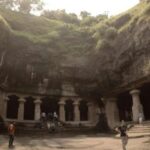
Kanheri Caves sit inside Sanjay Gandhi National Park and were carved into a massive basalt outcrop. The caves aren’t just “old rooms.” They’re a dense mix of Buddhist art and inscriptions that span a long timeline—roughly from the 1st century BCE to the 10th century CE.
When you’re there, don’t rush your eyes. Your guide will point out sculptures and relief carvings, plus paintings and inscriptions. Here’s what you’ll want to focus on so the visit feels more than scenic:
- Carvings and reliefs: These are where the artistic style and symbolism start to click.
- Sculptures: Use your guide’s framing to connect figures to Buddhist themes rather than just admiring craftsmanship.
- Inscriptions: Even when you can’t read everything, your guide can explain what they signal about the site’s history and use.
- The scale of the basalt setting: The caves feel “built into” the landscape, which is part of their power.
This is also where your private guide earns their fee. Since the caves include different kinds of carvings and written traces, someone who knows the story helps you see patterns. The goal isn’t to memorize dates. It’s to understand why this site mattered enough for centuries of attention.
One travel-note from real-world pacing: the caves involve climbing up and walking on uneven steps. If you’re sensitive to stairs, you can still enjoy it—just keep breaks in mind and move slowly rather than trying to “power through.”
Global Vipassana Pagoda: A Modern Peace Monument with a 10-Minute Meditation
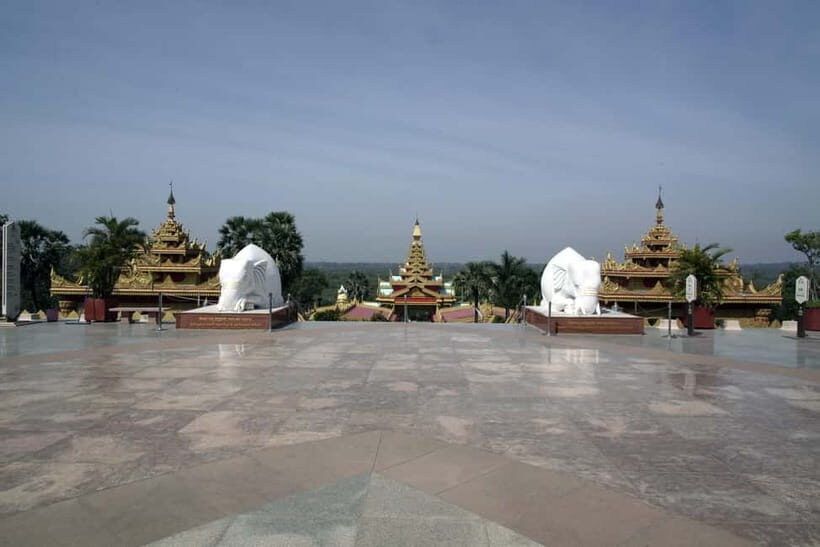
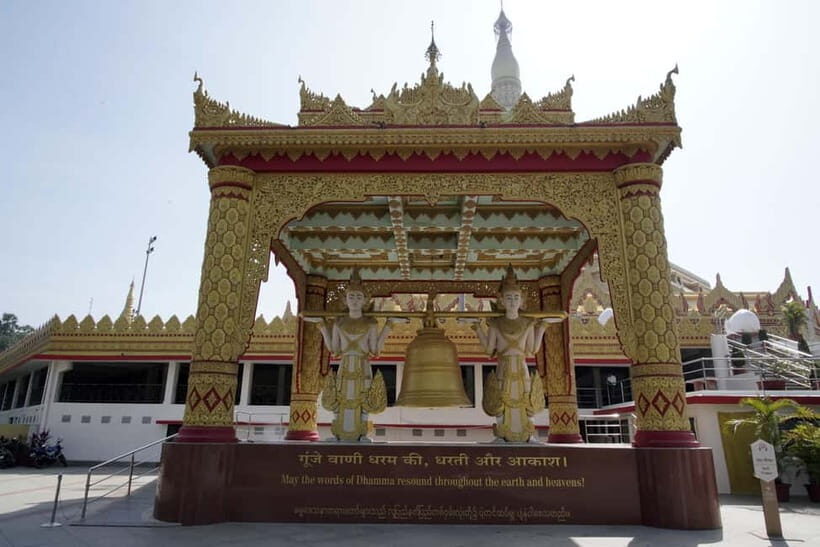
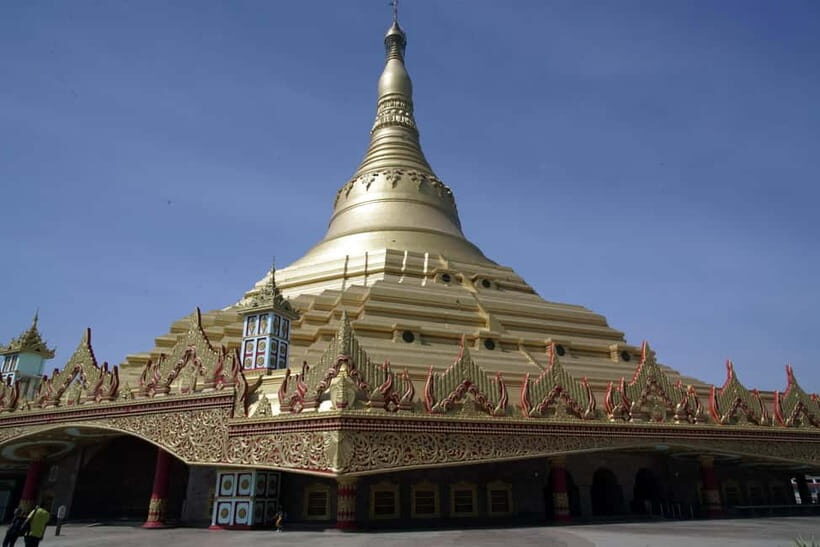
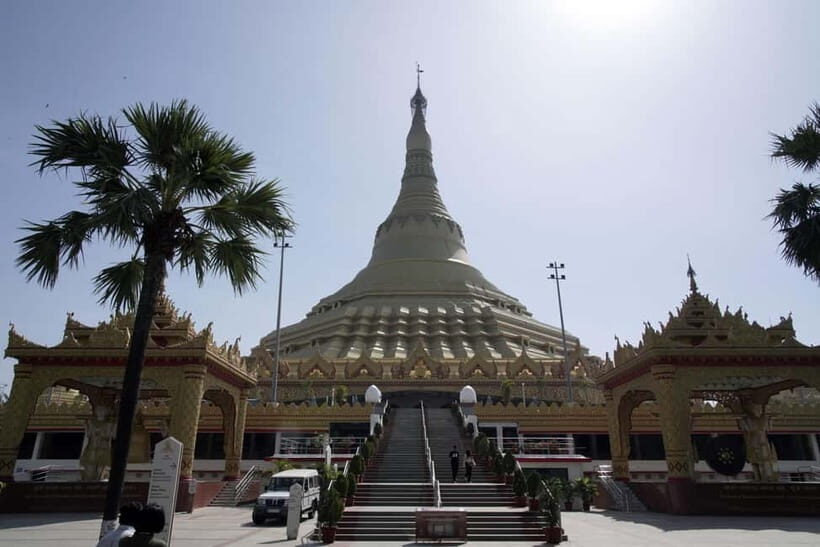
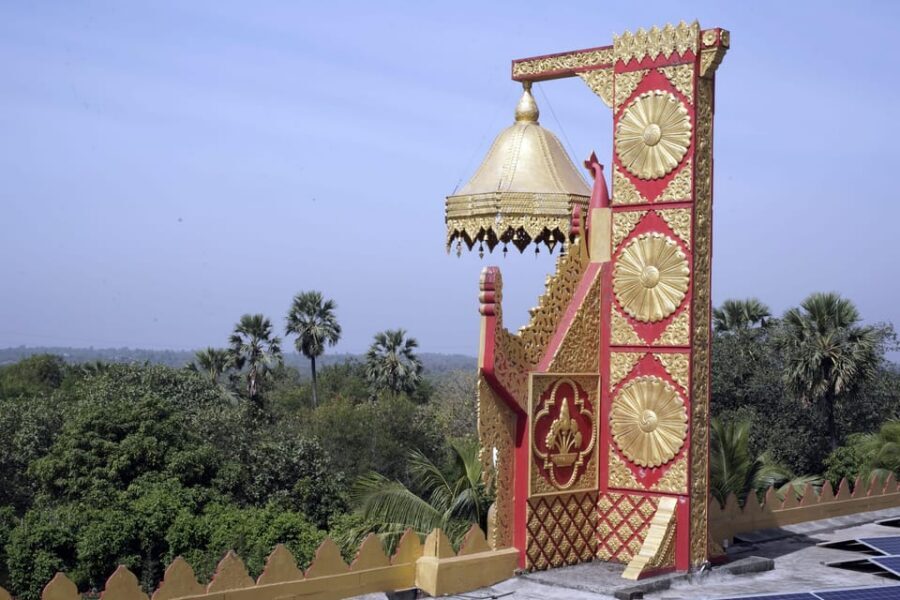
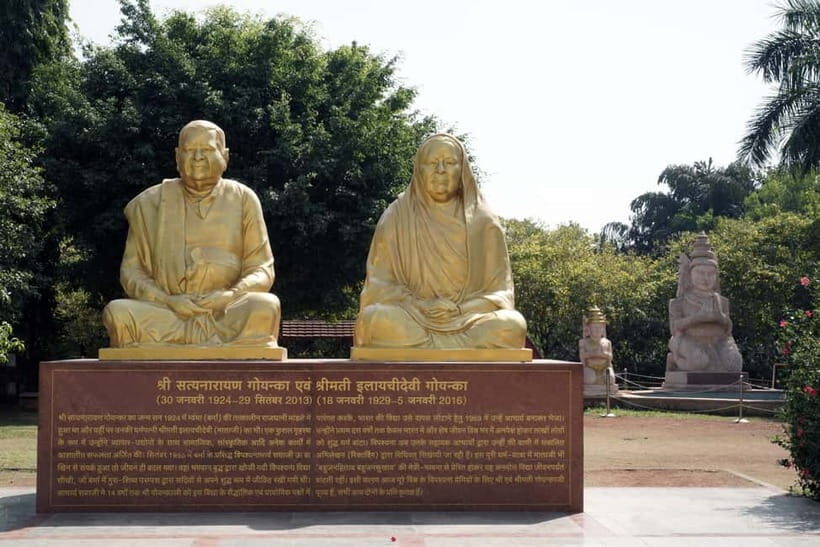
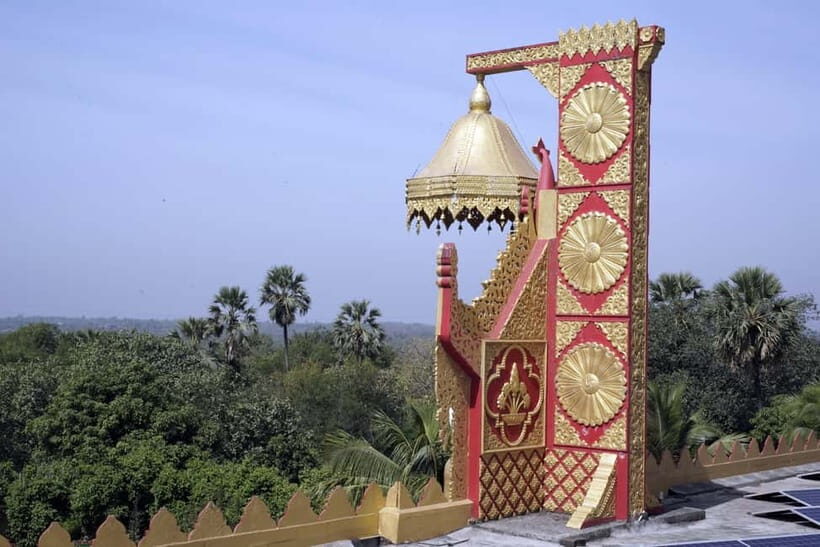
After the caves, you’ll head to the Global Vipassana Pagoda near Gorai in northwest Mumbai. This place is newer, but it’s built with the same intention: peace, harmony, and meditation.
A few facts that help you understand what you’re seeing:
- It was inaugurated by Pratibha Patil on 8 February 2009.
- It sits on donated land on a peninsula between Gorai creek and the Arabian Sea.
- The center holds the world’s largest stone dome built without supporting pillars.
That “pillar-less” detail is more than trivia. It changes the feel of the space. It creates an open, uninterrupted interior that supports the whole meditation-and-calm concept. You’re not looking at a cluttered hall. You’re stepping into a carefully designed environment meant to quiet the mind.
What you’ll actually do there:
- You’ll take part in a 10-minute meditation session.
- You’ll watch a video presentation on Buddhism and the pagoda.
- You’ll have time for a picture gallery.
This is one of the strongest values in the tour. Many sightseeing days in India stay purely visual. Here, you’re asked to slow down briefly and participate.
The Private Guide Advantage: Names You Might Get and Why It Matters
This tour runs with a local English-speaking guide, and that’s a big deal. The caves and the pagoda both have meaning beyond what you can guess from a signboard.
From recent guide styles seen on this tour, you might meet people like Ravi or Kavitha. Their approach tends to be practical: they explain what you’re looking at, answer lots of questions calmly, and keep the narrative flowing so the sites feel connected rather than like two separate stops.
A couple of helpful “real-world” touches also show up with some guides:
- They help with photos, including getting people positioned well for the right views.
- They stay patient when you ask a lot of questions. This is especially useful at Kanheri, where carvings and inscriptions can be confusing without context.
Your driver matters too. You may ride with someone like Deepak, Sadam, Kaleem, or Pranav. In a city as traffic-heavy as Mumbai, smooth driving and clear communication can make the difference between a day that feels relaxed and one that feels rushed.
And yes, flexibility can show up. If your timing gets disrupted (like a later flight), the team has handled rescheduling in past bookings, which is a reassuring sign when you’re planning a short trip.


Price and Value: What $26 Includes (and What You’re Buying)
At about $26 per person, the value comes from what’s bundled. You’re not paying separately for every piece of the day.
You typically get:
- Air-conditioned vehicle
- Private transportation
- Pickup and drop
- Bottled water
- Local English-speaking guide
- Toll, parking, and gate entry fees
- Admission for Kanheri Caves
- Admission for Global Vipassana Pagoda
- Skip the ticket line
So you’re paying for convenience and interpretation, not just the entrance tickets. The biggest “hidden cost” in independent travel here is time and confusion: finding the right entrance points, figuring out park transport rules, and guessing what to look for in carvings and inscriptions.
Also, the tour duration varies from 3 to 7 hours depending on the option and timing. That range is important. If you’re only in Mumbai briefly, you’ll want to choose a slot that still gives you enough time for walking at Kanheri and a relaxed pagoda visit.
How Much Walking Should You Expect?
Because the private vehicle can’t go into the park and the caves require climbing, I’d treat this as a moderate walking day.
At Kanheri:
- Expect uneven steps and climbing.
- Plan your pace. You don’t need to sprint to see the best pieces.
- Bring the right footwear so your feet can handle the surfaces.
At the pagoda:
- You’ll move through the meditation hall area and view the video gallery/picture gallery.
- It’s more “designed space” than “climb a hillside,” so it usually feels easier than the caves.
If you’re traveling with someone who has mobility limits, this is the part to discuss honestly before booking. There’s enough walking that you should match the plan to the group’s comfort level.
Best Time and Who This Tour Suits
This is a great fit if you want:
- History with context (Kanheri’s Buddhist art across centuries)
- A brief practice (the 10-minute meditation session at the pagoda)
- A guide who can explain meaning, not just landmarks
It’s also a good option for couples, solo travelers, and families who prefer a private setting over crowds. The tour is private-group available, and the pacing tends to work well when you want to ask questions and take your time.
If you’re the type who likes a “visual plus reflective” day, this tour hits the balance. You get the carved rock artistry, then you move into a modern space built for stillness.
And if you’re trying to beat the stress of Mumbai logistics, the included transportation and gate entry help. You still deal with the park bus/van to reach Kanheri, but you’re not doing the whole puzzle alone.
Should You Book This Mumbai Kanheri and Vipassana Tour?
I’d book it if you want a day that goes beyond checkboxes. The combination of Kanheri Caves and the Global Vipassana Pagoda gives you both ancient Buddhist art and a living meditation space, and the added short session makes it more than sightseeing.
I’d skip (or choose a different plan) if stairs and uneven walking will be a problem for your group. Even with a guide and private setup, Kanheri involves climbing.
If you do book, make your life easier by wearing the right shoes, carrying water, and giving yourself enough time so you don’t feel pressured while climbing and exploring.
FAQ
How long is the Mumbai Kanheri Caves & Vipassana Pagoda tour?
The duration is listed as 3 to 7 hours, depending on the selected option and your day’s timing.
What will I see during the tour?
You’ll visit the Kanheri Caves in Sanjay Gandhi National Park and the Global Vipassana Pagoda near Gorai, including time for a short meditation session, a video presentation, and a picture gallery.
Does this tour include pickup from my hotel in Mumbai?
Pickup is included, and the pickup location depends on the selected option. The group meeting point is at the main entrance gate of Sanjay Gandhi National Park in Borivali.
Is the tour private?
Private group availability is offered, with a live local English-speaking guide.
Do I need to buy tickets separately for the caves and pagoda?
Admission for both Kanheri Caves and the Global Vipassana Pagoda is included, and the tour states you can skip the ticket line.
Is the Global Vipassana Pagoda meditation session part of the tour?
Yes. You’ll experience a 10-minute meditation session at the pagoda, along with a video presentation and picture gallery.
When is Kanheri Caves open?
Kanheri Caves are open 6 days a week and are closed on Mondays.
How do we get to the Kanheri Caves inside the national park?
Your private vehicle can’t go inside the park. You’ll park at the gate of Sanjay Gandhi National Park and then take a public bus or public van to reach the caves.