REVIEW · MUMBAI
Dharavi Slumdog Millionaire Tour
Book on Viator →Operated by Dynamic Mumbai · Bookable on Viator
Dharavi hits different than the movies. This private walking tour of Dharavi shows how people earn a living in the same neighborhood made famous by Slumdog Millionaire, while you trace industries like plastic recycling, leather manufacturing, color dyeing, and can and cardboard recycling.
What I like most is the private guide who keeps things clear and respectful, and the way the tour connects everyday scenes to real work—plus the group stays focused and personal. The one drawback to plan for: it’s a walking-heavy experience in a dense area, and the tour does not include an air-conditioned vehicle.
In This Review
- Key things to know before you go
- Dharavi is more than a movie set
- What you’ll see: recycling, leather, dyeing, pottery, and can-to-product work
- The walk through alleys, houses, and the community rhythm
- Guide matters: Nick/Nikesh and Dev bring the story into focus
- Timing and pacing: what 3 to 4 hours really covers
- Price and value: how $39.63 stacks up for a private neighborhood tour
- Practical tips for a respectful, comfortable visit
- Should you book the Dharavi Slumdog Millionaire Tour?
- FAQ
- How long is the Dharavi Slum walking tour?
- Is pickup offered?
- What does the tour include?
- Do I need to buy tickets in advance?
- Is this a private tour?
- Is air-conditioned transportation included?
Key things to know before you go
- Private, small-group feel: it’s only your group, with personalized attention from your guide.
- Real working industries: you’ll pass through areas tied to plastic recycling, leather making, color dyeing, pottery, and more.
- A clear, structured route: the walk moves through the main working sights and community spots in about 3 to 4 hours.
- Pickup can be available: you may be picked up from select hotels, or you’ll meet at the listed café location.
- Local guide energy: guides like Nick/Nikesh and team members such as Dev are praised for friendly, professional hosting and strong English.
Dharavi is more than a movie set
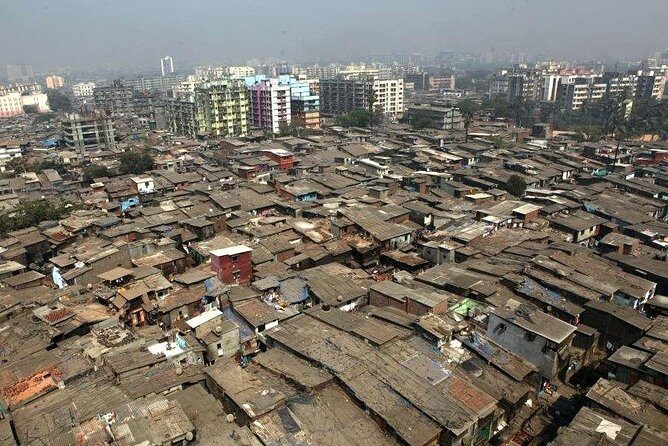
Dharavi has one of those names that travel writers and pop culture have already stamped on your brain. But a good visit makes it clear this is not a theme park. It’s a real neighborhood where people run businesses, send kids to school, and turn waste into usable materials every day.
The tour is built around that reality. You don’t just look at the area—you see the small-scale industries that keep the wheels turning. And because it’s a walking route, you get close to how work actually happens: hands moving, materials sorted, and products shaped right there in the lane.
I also appreciate that the experience is guided with a tone that feels careful and human. Several guests noted that they were initially apprehensive about the ethics of visiting a slum, but the tour experience helped them feel safe and welcomed. That matters, because how you show up changes everything.
You can also read our reviews of more tours and experiences in Mumbai.



What you’ll see: recycling, leather, dyeing, pottery, and can-to-product work
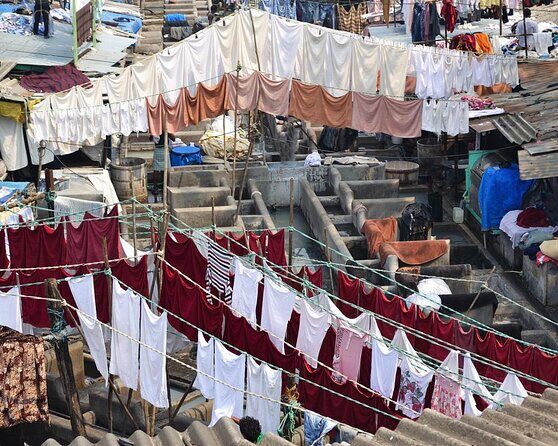
The centerpiece of the tour is a guided walk through Dharavi’s working zones. Expect to spend your time around the trades that turn everyday materials into income. The industries you’ll learn about include plastic recycling, leather manufacturing, and color dye work, along with recycling of cans and cardboard.
Here’s what that means in plain terms on the ground. When you see plastic recycling, you’re watching a chain of sorting and processing where waste becomes raw material again. When leather manufacturing comes up, you’re seeing how a finished-looking product starts from labor-intensive steps. With color dyeing, the focus is on how color is created and applied, and how the work supports the wider local economy.
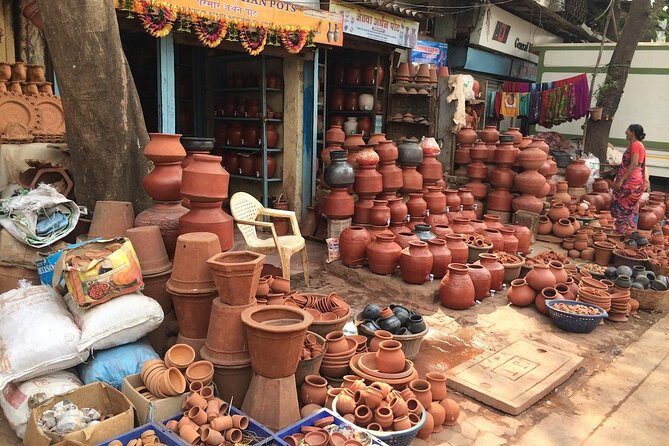
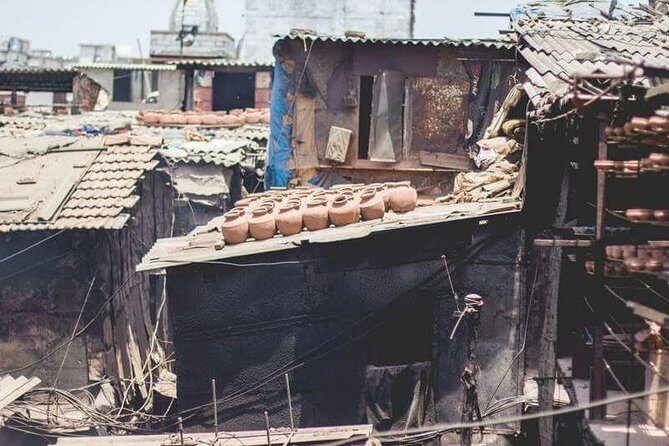
You’ll also encounter pottery, which adds a different flavor from the recycling-heavy parts of the route. Instead of only dealing with reclaimed materials, pottery shows craft and production that’s about form and function—often with the same kind of day-to-day grind as the other trades.
One more reason this stop feels memorable: you’re not being handed a history lecture from far away. You’re walking past small operations in alleys, where the workshop and the walkway can overlap. It’s the kind of scene that makes you think, not just look.
The walk through alleys, houses, and the community rhythm
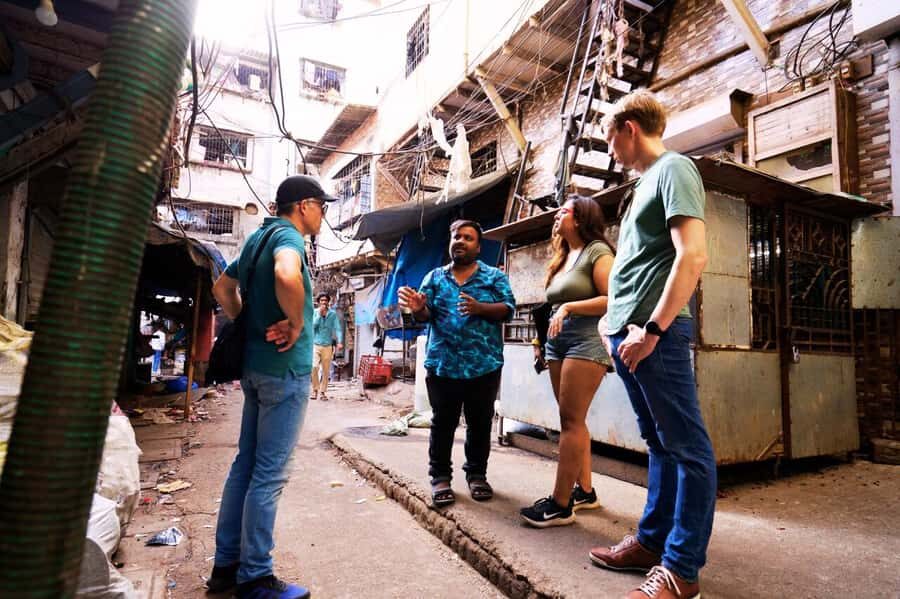
Dharavi isn’t organized like a showroom. The tour route takes you through small alleys and houses, so you can understand how tightly everyday life and work are connected. This is where the neighborhood stops being an idea and turns into a place with details.
Along the way, you’ll also see schools as part of the community picture. That detail helps balance the tour: you’re not only seeing labor. You’re also seeing education and the future people are building. It’s a subtle shift, but it changes how the whole visit lands in your head afterward.
Because the area is dense, the pacing is important. The tour lasts roughly 3 to 4 hours, which gives your guide time to point out industries and keep your group moving without turning it into a sprint. You’ll feel the neighborhood’s rhythm—people coming and going, work happening close to the path, and the steady flow of daily life.
Do keep expectations grounded: this is not a quiet cultural stroll with wide sidewalks. It’s a close-up neighborhood experience, so wear shoes you trust and keep your phone away unless your guide says it’s appropriate in the moment.
Guide matters: Nick/Nikesh and Dev bring the story into focus
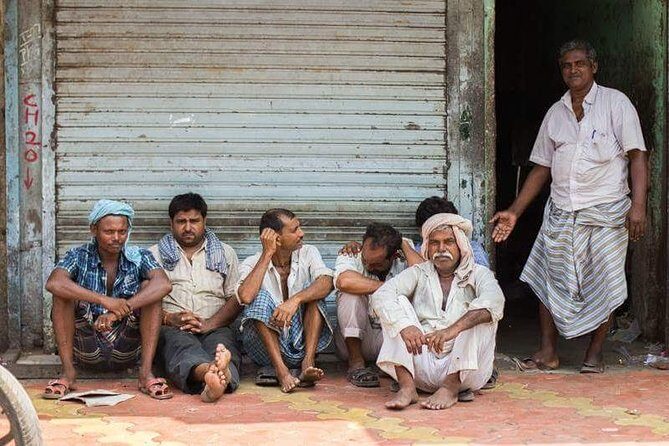
A tour like this lives or dies on the guide. In the reviews connected to this experience, the standout theme is the human touch—guides who make you feel safe, explain what you’re seeing clearly, and don’t talk down.
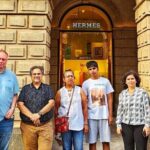
Guests specifically mentioned Nick/Nikesh as particularly strong. One group said he spoke perfect English and had deep local insight because he grew up there. Another mentioned the experience felt safe and welcoming right from the start, and that the guide’s knowledge was outstanding.
There’s also praise for the wider team, including Dev, with guests noting they went with Nik, Dev, and the team and felt genuinely looked after. That “team” feeling matters because it suggests your visit isn’t just one person reading facts off a page. It’s people coordinating to keep the group comfortable and the tour moving.
The best part is the tone: the tour doesn’t feel like a stunt. It feels like a careful introduction. If you’re worried about the ethics of visiting, a strong guide helps you approach with respect and focus on understanding instead of staring.
Timing and pacing: what 3 to 4 hours really covers
You’re signing up for a 3 to 4 hour walking experience, and the tour structure reflects that. The route centers on one main experience area—Dharavi—and uses that time to connect the industries with the surrounding daily-life scenes.
Practically, that means you’ll spend most of your visit in the same general zone, moving from one kind of work sight to another. You’ll cover plastic recycling, leather manufacturing, color dyeing, can and cardboard recycling, and pottery, plus you’ll walk through alleys and see community spots like schools.
It’s enough time to learn something real without feeling trapped. You also get bottled water included, which is a small detail but a helpful one when you’re walking and looking constantly.
And because it’s private and your guide is focused on your group, you’re more likely to get questions answered on the spot. That’s the difference between watching from the edge and understanding what you’re seeing as you go.


Price and value: how $39.63 stacks up for a private neighborhood tour
At $39.63 per person for a 3 to 4 hour private walking tour, you’re paying for a few key things: a local guide, time in a working neighborhood, and a route that’s organized enough to be meaningful.
Compare that to typical “big bus” city tours. You’re not paying for a vehicle or a long list of far-off stops. You’re paying for a guided, close-up experience with personalized attention, plus bottled water. Even the mention of a mobile ticket matters in practice—less hassle once you’re in Mumbai.
One cost-related consideration: this tour does not include an air-conditioned vehicle. That’s not a problem if you’re expecting to walk and you plan for warm city conditions. But if you hate heat or plan to rely on a vehicle for comfort, you should know the tour itself is designed around walking through the neighborhood.
The pickup option from select hotels is also part of the value equation. If it works for your schedule, it reduces stress at the start of the day. If not, the meeting point is clear and near public transportation, which helps you stay flexible.
Practical tips for a respectful, comfortable visit
This is one of those tours where your behavior shapes your experience. You’ll see hardworking people and active businesses, so treat it like a working neighborhood first, a sightseeing stop second.
Here are the practical things I’d do in your shoes:
- Wear comfortable shoes for uneven, tight lanes and constant turning of corners.
- Keep your questions ready but ask them calmly so the guide can manage the group flow.
- Use a light touch with photos. If you’re unsure, wait for your guide’s cue.
- Bring a small open mind. You might arrive expecting one kind of scene and leave with a deeper understanding of how recycling and manufacturing connect.
Also, give yourself a mental prep if you’re the type who feels uneasy about visiting places like this. That apprehension is normal. The tour’s strength is that it’s guided and organized, so you can focus on learning and respect instead of turning discomfort into avoidance.
Should you book the Dharavi Slumdog Millionaire Tour?
Book it if you want an authentic Mumbai experience that focuses on real work, real neighborhoods, and a guided route that helps you understand what you’re seeing. The repeated praise for guides like Nick/Nikesh and the team support (including Dev) is a strong sign that you won’t be left wandering or guessing.
Skip it if you want a fully comfortable, low-walking experience with lots of air-conditioned time, or if close-up neighborhood tours make you tense no matter what. The tour is designed to be direct and personal, and that includes physical walking through dense areas.
If you’re on the fence about the ethics piece, don’t ignore that feeling—just know a good guide and a respectful approach can turn it into a thoughtful, informative visit rather than something shallow.
FAQ
How long is the Dharavi Slum walking tour?
The tour lasts about 3 to 4 hours.
Is pickup offered?
Pickup is available from select hotels.
What does the tour include?
It includes bottled water and a guided walking experience with a private guide. Admission ticket is free.
Do I need to buy tickets in advance?
You’ll use a mobile ticket, and confirmation is received at booking.
Is this a private tour?
Yes. It’s a private tour/activity, and only your group participates.
Is air-conditioned transportation included?
No, an air-conditioned vehicle is not included.