REVIEW · MUMBAI
Private Dharavi Slum and Sightseeing Tour
Book on Viator →Operated by Reality Tours & Travel Pvt Ltd · Bookable on Viator
Mumbai stops you in your tracks, especially here. This private day pairs a guided walk through Dharavi with major Mumbai icons like Marine Drive and the Gateway of India. It’s a long but well-paced mix of people’s daily life, religious sites, and classic streets.
I love the way the day gives you context, not just photos—starting with homes and work in Dharavi and then moving through places tied to Mumbai’s daily rhythm. I also like that you get hotel/port car transfers plus an English-speaking guide and driver for the whole route, so you’re not stuck figuring out logistics in a city that never slows down.
One thing to keep in mind: this is a 9-hour, multi-stop day that can feel busy and chaotic at times. If you hate crowds or prefer slower sightseeing, plan for a long day and wear comfortable shoes.
In This Review
- Key Things That Make This Tour Worth Your Time
- A Private Mumbai Day With Transfers and Free-Entry Stops
- Dharavi on Foot: Homes, Work, and Community Rules
- Quick Detours: Dhobi Ghat and the Jain Temple Details
- Malabar Hill Views at Kamala Nehru Park and Banganga Tank
- Haji Ali Mosque, Then the Market Energy of Crawford
- CST and Gateway: Major Landmarks in Real-Time
- Chor Bazaar for Browsing, Snacks, and Street Finds
- Marine Drive and Sassoon Dock: Sea Views to Close the Day
- Price and Logistics: What You’re Really Buying for $87.23
- Who This Tour Fits Best (and Who Might Want Something Else)
- A Few Tips So the Day Feels Smooth
- Should You Book the Private Dharavi Slum and Sightseeing Tour?
- FAQ
- How long is the Dharavi and Mumbai sightseeing tour?
- Does the tour include hotel pickup and drop-off?
- Is there an English-speaking guide?
- Are admissions included or free at the stops?
- Is food included in the price?
- Is this tour private or shared?
- What is the cancellation policy?
Key Things That Make This Tour Worth Your Time
- A guided Dharavi walk that focuses on how the area functions, including the industries people work in
- Hotel/port pickup and drop-off with a dedicated driver and local English guide for the day
- A smart mix of stops: outdoor laundry, Jain temple details, sea views, markets, and major landmarks
- Free admission listed for the scheduled sights, so you can budget for spending and not tickets
- Chance to snack and browse in Chor Bazaar, where homemade-style pickles and chutneys are part of the experience
- You’ll need stamina, because the schedule is active and some stops are short
A Private Mumbai Day With Transfers and Free-Entry Stops
This tour is built for first-timers who want more than the usual postcard checklist. You get Dharavi, then a line-up of well-known sights that spread across the city—so the day feels like a crash course in how Mumbai lives, works, and worships.
The private format matters. Only your group goes, and you stay with the same guide and driver throughout. That tends to make timing smoother at busy places like Crawford Market and Chhatrapati Shivaji Terminus (CST), where things move quickly.
Value-wise, you’re paying for more than “seeing stuff.” The price covers pickup and drop-off, a local English-speaking guide, and the car for transport, plus a water/cold drink during the tour. Food isn’t included, so you’ll want to budget for snacks or a meal on your own.
Also, the tour lists admission as free at every scheduled stop. That doesn’t mean spending is zero—markets invite you to browse and taste—but it keeps the ticket costs predictable.
You can also read our reviews of more private tours in Mumbai


Dharavi on Foot: Homes, Work, and Community Rules
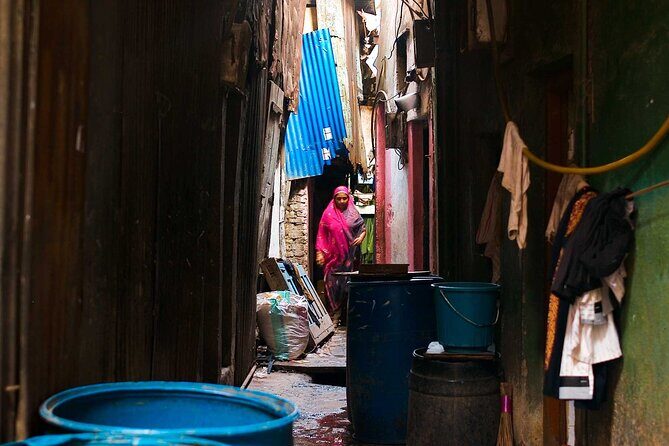
The day starts in Dharavi, and the focus is educational. You’ll visit homes and businesses in this sprawling settlement and learn about the industries that operate there, along with everyday life for the people living and working in the area.
This is the part many independent visitors struggle with. Getting access, staying respectful, and understanding what you’re looking at are hard to do alone. With a guide, you’re not just walking through a neighborhood—you’re getting explanations that help you read the scene.
You’ll spend about two hours here, which is enough time to move beyond the “what is it?” question. You’ll likely notice how work and family life overlap, and how small businesses fit into the wider city economy.
Practical consideration: Dharavi is a real lived-in place, so expect narrow paths, real routines, and constant motion. That’s part of the value, but it also means patience helps. If you go in ready to walk, observe, and keep your tone calm, the experience clicks.
Quick Detours: Dhobi Ghat and the Jain Temple Details
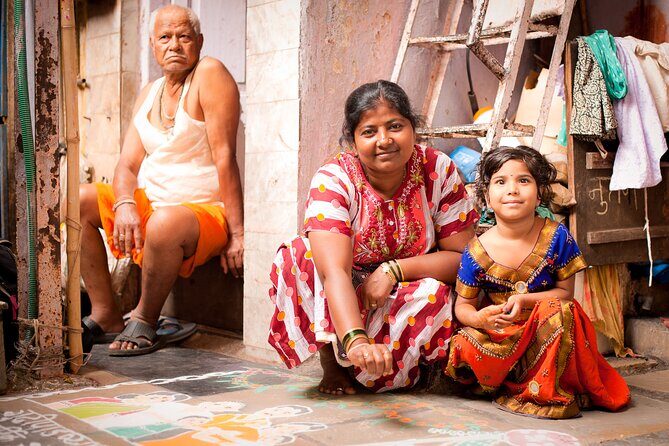
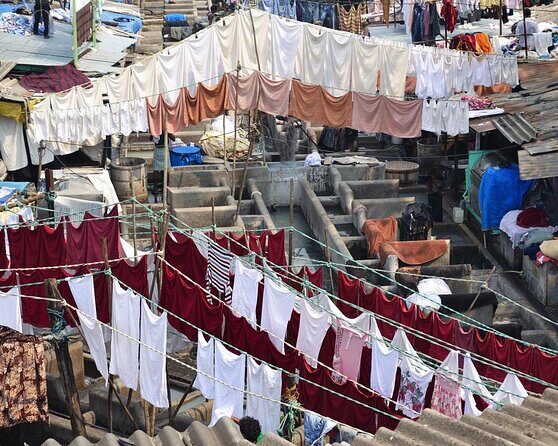
After Dharavi, the tour keeps momentum with a quick stop at Dhobi Ghat, described as the world’s largest outdoor laundry. This is one of those places where you can feel the scale even in a short visit.
You’ll see dhobiwallahs—washermen—scrubbing linens from major hospitals and hotels. The time here is only about 10 minutes, so treat it like a taste, not a full study. Still, it’s a memorable snapshot of Mumbai’s work culture and how services run on a daily schedule.
Next comes Jain Temple – Mumbai, where the guide points out what makes the temple special: intricate decoration and a key Jain value of peacefulness and non-violence. You’ll have about 20 minutes here.
This stop is brief, but it’s a good contrast to the street and industry of Dharavi. It also helps you slow down mentally for a moment—especially if your day has felt hectic.
If you want photos, timing helps: the best shots tend to happen when you’re respectful and don’t block foot traffic. Think of it as an observation exercise more than a picture session.
Malabar Hill Views at Kamala Nehru Park and Banganga Tank
Then you move into the calmer, scenic side of the day with Kamala Nehru Park. It sits on top of Malabar Hill, and the big payoff is the view over Marine Drive and the Arabian Sea.
You’ll get about 20 minutes. That might feel short, but the point here isn’t a long picnic—it’s a quick reset and a chance to understand how the coastline frames the city. It’s also a nice break from the market-and-crowd energy you’ve already been through.
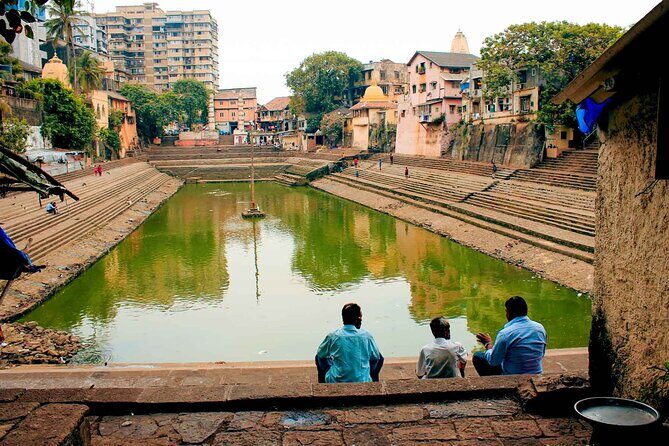
From there, you head to Banganga, a famous 12th-century tank surrounded by Hindu temples. The tank is believed to contain water with special healing powers, and there’s a local rumor that the spring links back to the holy Ganges River.
You’ll have about 20 minutes. What makes this stop worth it is the way it connects history, belief, and physical space. Water features like this often act as social anchors in Indian cities—places people return to, not just sites you pass by.
If you’re the type who likes learning the meaning behind what you see, you’ll appreciate this stop. If not, it still works as a cool-down between busier areas.
Haji Ali Mosque, Then the Market Energy of Crawford
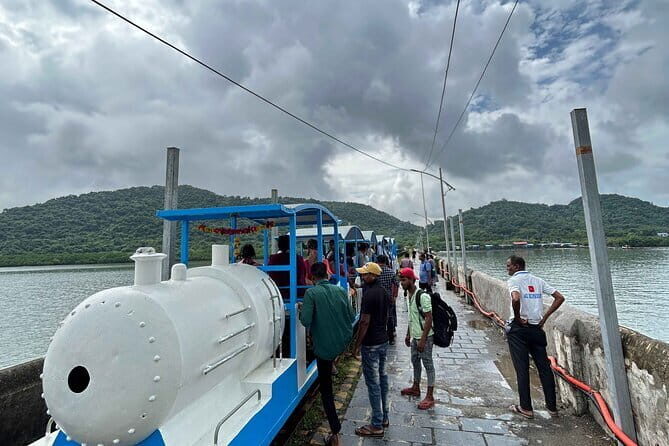
Next is Haji Ali Mosque, which sits at the end of a long causeway protruding into the sea. You’ll spend about 30 minutes here, which is a good chunk because the setting really shapes your experience.
The site is linked to the tomb of Saint Haji Ali, described as a wealthy Muslim who renounced the world and proceeded to Mecca. Even if you’re not deeply familiar with the story, the location makes it feel dramatic—water all around, long walkway approach, and a steady stream of visitors.
After the sea-side atmosphere, the tour heads to Crawford Market, a large wholesale market for fruit, vegetables, and meat. It’s also noted for being the first building in India to get electricity. You’ll have about 30 minutes.
This is where Mumbai feels loud in a physical way. Expect movement, smells, and energy. The guide’s context helps you understand what you’re seeing—this isn’t just a tourist market, it’s part of the city’s supply chain.
If you’re sensitive to noise or strong smells, pace yourself. The best strategy is to keep moving, ask the guide what to look for, and don’t linger in the noisiest corridors longer than you want.



CST and Gateway: Major Landmarks in Real-Time
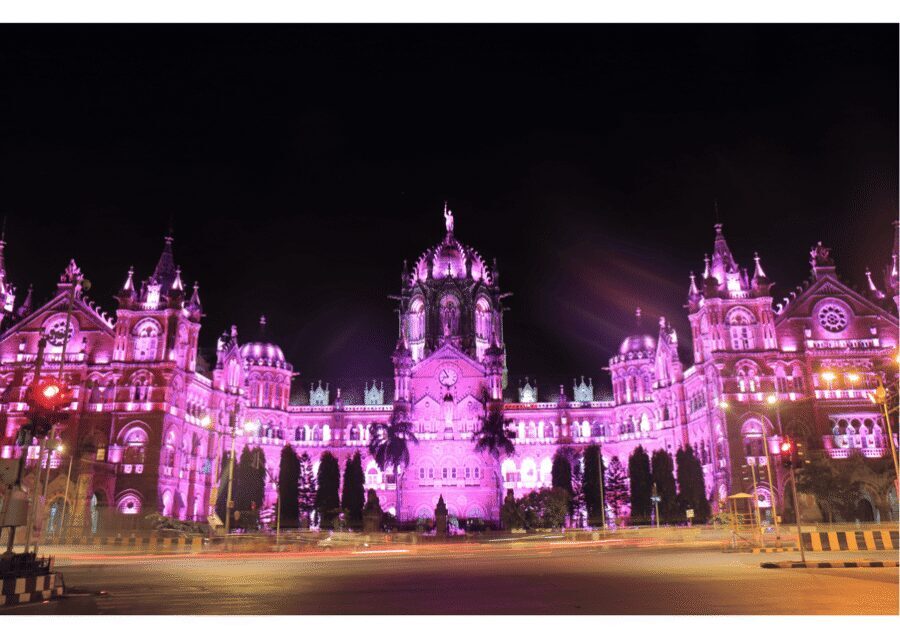
From markets, you shift to Chhatrapati Shivaji Terminus (CST), where rush-hour energy is the main character. The stop is about 20 minutes, and it’s set up so you can watch the station as a working system, not just admire architecture from outside.
CST is Mumbai’s only UNESCO World Heritage Site in this tour context, and it’s also noted for being featured in the final song from the movie Slumdog Millionaire. That pop-culture connection is useful, but the stronger value is seeing how a landmark functions while people go to work.
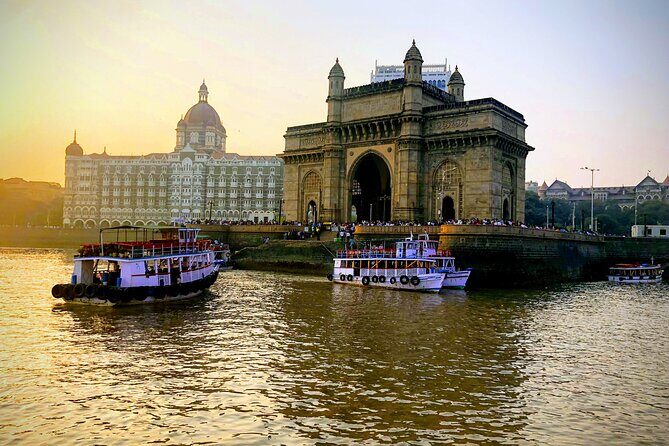
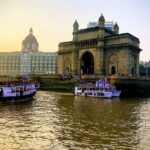
Then comes the Gateway of India, built in 1911. The story here is about a moment marking the end of the British Raj, when British troops marched under the Gateway in 1948.
You’ll spend about 20 minutes, which is enough time to get the layout and take in the harbor setting. If you like history, the guide’s narration turns the stone-and-structure into something time-bound and human.
If you’re more into atmosphere, focus on the waterfront feel: boats, sea breeze, and a constant churn of visitors and locals.
Chor Bazaar for Browsing, Snacks, and Street Finds
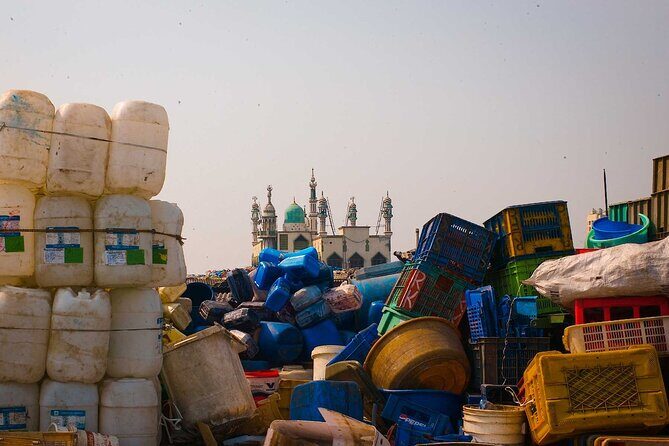
Next, the tour moves into Chor Bazaar, known as the Thieves Market and described as one of the largest and busiest flea markets in India. You’ll have about 45 minutes, which is the longest shopping-style block on the route.
This stop is about browsing with purpose. The tour description notes opportunities to taste local sweets and to pick up homemade-style pickles and chutneys. Even if you don’t buy anything, this is a good place to practice interacting in the market environment without rushing.
The practical tip: set a spending plan before you go in. Markets like this can tempt you with variety and small bargains, and you’ll want to control how much you leave with.
Also, keep your bags secure and be ready for tight walking lanes. It’s one of the reasons this tour works best with a guide who knows how to thread the route.
Marine Drive and Sassoon Dock: Sea Views to Close the Day
After all the city landmarks and market lanes, you finish with two stops that bring you back toward the sea.
First is Marine Drive, about 25 minutes. It’s nicknamed the Queen’s Necklace, and you’ll get the classic Mumbai shoreline view that people talk about for a reason. Even when the light changes quickly, there’s a sense of rhythm along the promenade.
Finally, the tour goes to Sassoon Dock, where you can watch fishermen bring in their catch. The stop is about 30 minutes, and it ties the city back to the waterfront work that keeps Mumbai supplied.
If the day has been mentally full, these last stops are a nice payoff. You get movement, salt air, and a look at a working port without needing extra planning.
Price and Logistics: What You’re Really Buying for $87.23
At $87.23 per person, the big question is: what do you get that’s worth more than DIY sightseeing?
You’re buying three things that add up quickly in a city like Mumbai:
- Transportation plus transfers: hotel/residence pickup and drop-off with a dedicated driver
- A guide for all stops: local English speaking guide and a narrative thread through Dharavi, religious sites, and landmarks
- Time efficiency: the route strings together major areas in one day, saving you from figuring out routes and timing between distant points
Admission is listed as free at each stop, which helps you control costs. Water/cold drink is included, but food is not, so factor in snacks or a meal out of pocket.
The strongest value is the way Dharavi is handled. You’re not just seeing a famous area—you’re learning what the place does and how people live within it, then shifting to other Mumbai landmarks with context in your head.
And yes, it’s a long day. You’ll see a lot, so bring stamina. Think comfy shoes, a light layer for indoor/outdoor shifts, and a mindset that some stops are short on purpose.
Who This Tour Fits Best (and Who Might Want Something Else)
This tour is ideal if you’re a first-timer who wants to go beyond the standard “big sights” and understand Mumbai’s real daily texture. It’s also a strong pick if you like variety in one day: settlement life, religious architecture, city views, big-name landmarks, and market chaos.
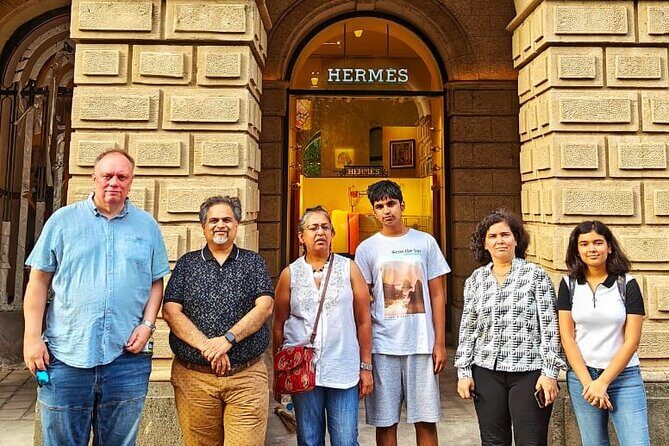
It works well for visitors who appreciate structure. Guides like Sabina are described as welcoming and organized, meeting travelers with a driver in a clean air-conditioned car and guiding the day with lots of knowledge. Another guide, Chetan, is mentioned for being especially strong on Mumbai history.
If you’re traveling with limited time and want a guided day that covers both Dharavi and top Mumbai highlights, this hits the sweet spot.
If you’re someone who needs lots of downtime, avoid this format. The schedule is packed, and the city energy can feel intense, especially around markets and crowded streets.
A Few Tips So the Day Feels Smooth
- Wear comfortable walking shoes. Even short stops add up.
- Plan for heat and crowds. Bring a small personal water habit even though water/cold drink is included.
- Keep your phone ready but don’t let it replace attention. The guide’s explanations are the best part.
- If you’re picky about food, budget a meal you choose on your own. Food isn’t included.
Should You Book the Private Dharavi Slum and Sightseeing Tour?
I’d book it if you want a one-day program that mixes a thoughtful Dharavi visit with major Mumbai sights, and you like having an English-speaking guide to connect the dots. The private setup, hotel transfers, and full-day driver support make it feel manageable even when the city feels like a lot.
Skip or consider a different pace if you’re not comfortable with crowds or you dislike an active schedule. This isn’t a slow sightseeing stroll. It’s a full day designed to keep you moving and learning.
If you match the vibe—curious, patient, and ready for a long walk—this tour delivers exactly what it promises: you’ll see Mumbai beyond the obvious, and you’ll understand it better while you’re there.
FAQ
How long is the Dharavi and Mumbai sightseeing tour?
The tour runs for about 9 hours.
Does the tour include hotel pickup and drop-off?
Yes. Hotel or residence car pickup and drop-off are included.
Is there an English-speaking guide?
Yes. A local English speaking guide and driver are included for the entire tour.
Are admissions included or free at the stops?
Admission is listed as free for the scheduled stops on the route.
Is food included in the price?
No. Food is not included.
Is this tour private or shared?
This is a private tour/activity. Only your group participates.
What is the cancellation policy?
Free cancellation is available. You can cancel up to 24 hours in advance for a full refund. If you cancel less than 24 hours before the experience’s start time, you won’t get a refund.