A monsoon drive to Lonavala is a mood change fast. This private day trip pairs an air-conditioned vehicle with an English-speaking guide, so you get out of Mumbai without turning the day into a logistics project. You’ll also get round-trip hotel transfers, which means you can spend the morning focusing on scenery and sights, not street-finding.
What I really like about this tour plan is the mix of stops: religious sites for a quick reset, viewpoints for big breaks, and cave-and-fort time for that classic Western Ghats day-trip feel. One thing to keep in mind: this is a monsoon outing, so rain can make footing slippery and you’ll likely deal with stairs at cave/fort areas. Pack for wet weather, because the whole day is better when you’re comfortable.
In This Review
- Key Highlights That Make This Day Trip Worth It
- Why a Monsoon Private Drive to Lonavala Feels Like a Real Escape
- Price and Value: What You’re Really Paying for at $90 Per Person
- Starting Early from Mumbai: The 7:00 AM Rhythm and the 8–10 Hour Plan
- Shree Narayani Dham Temple: A 30-Minute Reset in Lonavala
- Lion’s Point: The Midway View Between Bhushi Dam and Aamby Valley
- Bhushi Dam on the Indrayani River: 1860s Water for Steam Engines
- Bhaja Caves: 22 Rock-Cut Buddhist Caves from the 2nd Century BC
- Lohagad Fort: Elevation, History, and a Fort That Fits a Day Trip
- Transport Comfort You Can Count On (and Where It Ends)
- What to Pack for Monsoon Day Trip Weather
- English-Speaking Guide and Flexible Scheduling That Helps in Real Weather
- Who This Mumbai to Lonavala Monsoon Drive Is Best For
- Should You Book This Mumbai to Lonavala Monsoon Drive?
- FAQ
- How long is the Mumbai to Lonavala monsoon drive private tour?
- What time does the tour start?
- Is pickup and drop-off included?
- Is this tour private or shared?
- Do I need to pay for tickets at all stops?
- Is lunch included in the price?
- Will there be an English-speaking guide?
- Is the vehicle air-conditioned?
- What should I bring for monsoon weather?
- What is the cancellation policy?
Key Highlights That Make This Day Trip Worth It
- Private, flexible pacing with only your group in the vehicle
- Hotel pickup and drop-off to save time and stress in Mumbai
- English-speaking local guide who can shape the schedule to your pace
- Cave + fort stops with major sights and time to actually look around
- Monsoon-ready planning tips like rain protection and trekking shoes
Why a Monsoon Private Drive to Lonavala Feels Like a Real Escape
Lonavala is one of those places that works especially well when you’re not trying to cram everything into “just one quick stop.” Starting early and doing it as a private tour gives you breathing room. You’re traveling in an air-conditioned vehicle for the long stretches, then stepping out for focused, guided stops.
Monsoon days can shift what you see from hour to hour. That unpredictability is part of the charm, but it also means you should plan to move carefully. The good news: the itinerary is built around short, timed visits and viewpoints, so you’re not stuck for hours waiting in the wrong weather spot.
Also, because the day is private, the guide can adapt when the day gets wet. In one past outing, the guide Sameer was noted as excellent for explanation and for adjusting the schedule to the group’s needs, which matters a lot when you’re balancing rain, stairs, and a family pace.
You can also read our reviews of more private tours in Mumbai


Price and Value: What You’re Really Paying for at $90 Per Person
At $90 per person, the value comes from what’s bundled rather than the raw sticker price. You’re not just buying a taxi. You’re getting:
- Private transportation in an air-conditioned vehicle
- Pickup and drop from your hotel
- A local English-speaking guide
- Toll and parking fees
On top of that, the day includes key admission coverage for some stops. Bhaja Caves is listed as included, and Lohagad Fort is also included. Meanwhile, Shree Narayani Dham Temple and Lion’s Point are free, and Bhushi Dam doesn’t require a paid ticket.
Lunch isn’t included, so you’ll plan meals on your own (or by request depending on your schedule). But even with that, paying once for guide + vehicle + core entries often ends up simpler than arranging transport and tickets across multiple locations on your own.
If you’re booking as a group, there may be group discounts, which can improve value further. (Just ask when you confirm.)
Starting Early from Mumbai: The 7:00 AM Rhythm and the 8–10 Hour Plan
The day begins at 7:00 am. That early start is practical for two reasons. First, you get into the Lonavala area while the day is still fresh enough for viewpoint time. Second, you avoid the worst traffic surge that can eat hours in and around the city.
The tour runs about 8 to 10 hours, so think of it as a full day. The pacing is structured: a quick temple stop, then viewpoint and dam time, then cave-and-fort blocks. Add driving time between stops and you’ll likely feel like you’ve had a real day out, not just a “drive-by sightseeing” route.
You should also plan for “monsoon logistics.” Rain can change how long you want to stay outside, and stairs can slow you down. The route includes walking and steps at multiple points, so wear shoes that grip well.
Shree Narayani Dham Temple: A 30-Minute Reset in Lonavala
Your first scheduled stop is Shree Narayani Dham Temple, dedicated to Goddess Narayani. It’s located in the Dhankawadi area of Lonavala, and it’s listed as a famous sightseeing spot there.
This stop is about 30 minutes and admission is free. That’s a good length for a first stop. You’re not committing to a long ceremony, but you’re getting a cultural and spiritual anchor for the day. It also helps break up the drive with something calm and grounded before the viewpoints and outdoors-heavy sights.
What to watch for here: temple areas can mean uneven ground and crowd flow. Keep your plan simple: look around, take a few minutes for photos if permitted, and then move on. In a monsoon day, faster transitions reduce the chance of getting stuck somewhere you didn’t expect.
Lion’s Point: The Midway View Between Bhushi Dam and Aamby Valley
Next up is Lion’s Point, a viewpoint located midway between Bhushi Dam and Aamby Valley. It’s one of the popular spots in Lonavala and is specifically described as a must-visit.
You’ll spend about 1 hour, and there’s no admission fee. This is the kind of stop that changes with the weather. Even when visibility isn’t perfect, the viewpoint still gives you a sense of the region’s elevation and how the area connects.
Practical tip: viewpoint time is also good time to reassess your day. If it’s raining hard, you can shorten time outside and lean on the comfort of the vehicle between stops. If the weather clears, you can stay a bit longer and take it slower.



Bhushi Dam on the Indrayani River: 1860s Water for Steam Engines
Then you’ll head to Bhushi Dam, a masonry dam on the Indrayani River. The dam was built in the 1860s as a water source for steam engines, which adds a fascinating engineering angle beyond the scenic feel.
Plan on about 1 hour here, and admission is free. In the monsoon season, dam and river areas often feel like they have more energy, because water flow is naturally higher. Just keep your footing cautious around wet ground and any slippery steps near viewpoints or river-adjacent areas.
This stop works well after Lion’s Point because it gives you a different kind of outdoor experience. Lion’s Point is about looking outward. Bhushi Dam is about appreciating how humans shaped water use in an earlier industrial era.
Bhaja Caves: 22 Rock-Cut Buddhist Caves from the 2nd Century BC
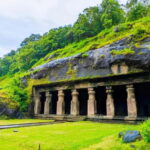
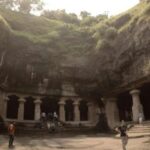
For cave time, you’ll visit Bhaja Caves, a group of 22 rock-cut caves dating back to the 2nd century BC. These are Buddhist caves located off the Mumbai–Pune expressway, and they’re described as being about 400 feet above the village.
This is one of the bigger stops on your schedule: about 2 hours, and admission is included. Cave sites like this reward patience. You’ll usually get more from the visit if you slow down just enough to notice how the stonework and the layout create a sense of place.
What I think you’ll appreciate most: the age range. A 2nd-century BC site isn’t something you can fully absorb in a rushed photo sprint. Give yourself space to look, then let your guide’s explanations tie the details together.
Potential drawback: cave areas can mean stairs and steps, and in monsoon conditions those steps can get slick. Trekking shoes help. If your group includes kids, keep an eye on pace and hold tight if railings or handholds are available.
Lohagad Fort: Elevation, History, and a Fort That Fits a Day Trip
The final major sightseeing stop is Lohagad Fort, one of Maharashtra’s hill forts. It’s close to Lonavala and about 52 km northwest of Pune, sitting at an elevation of 1,033 m above sea level.
You’ll spend around 2 hours, and admission is included. Fort time is usually where people either love the challenge or underestimate the walking. In monsoon weather, it’s often the stairs and uneven paths that make the difference. If you’re comfortable moving carefully, it’s a rewarding way to end the day.
Why it’s worth the effort: a hill fort gives you a sense of why the region was historically important—height, visibility, and defensible geography. Even if clouds change what you can see, you still get the “up on the hill” feeling that makes the hike portion memorable.
Transport Comfort You Can Count On (and Where It Ends)
This is a private tour in an air-conditioned vehicle, and that’s a real quality-of-life feature on a day that can run 8 to 10 hours. You’ll be in the vehicle during transfers between stops, which helps you stay warm and dry enough while waiting for the next viewpoint or cave entrance.
The comfort ends the moment you step outside. Monsoon weather means you should expect wet surfaces, damp air, and occasional drizzle even when parts of the day look fine. The tour is designed as a series of timed stops, which helps you stay on schedule, but you’re still responsible for footwear and clothing.
A small practical win: since it’s private, you can move as a group with your guide instead of playing catch-up with a larger crowd. That’s especially helpful if anyone in your party needs a slower rhythm.
What to Pack for Monsoon Day Trip Weather
The tour instructions are pretty clear that monsoon preparation matters. Bring a raincoat or umbrella, an extra pair of cloths, and trekking shoes. You’ll also want a tower (the instruction mentions tower, and in practice you’ll want something like a towel or quick-dry solution so you can freshen up after wet steps).
Here’s how I suggest you think about packing:
- Rain gear: protect your body, not just your phone
- Shoes: grip matters more than looks
- Spare clothes: you’ll feel better when you get back to the car
- A basic plan for stairs: move slowly, keep your balance, and don’t rush
The monsoon is part of why the day feels special, but it’s not the time to wear slippery sandals.
English-Speaking Guide and Flexible Scheduling That Helps in Real Weather
An English-speaking guide is included, and that matters more than many people expect. It’s not just about facts. A guide helps you understand what you’re seeing and, just as important on a rainy day, helps manage the flow.
In at least one highlighted instance, the guide Sameer was described as excellent and able to adjust the schedule to the group’s needs. That kind of flexibility can mean you spend more time where the weather is better and less time where conditions are worse, instead of sticking rigidly to a plan that doesn’t match reality.
So when you confirm your tour, it can help to ask your guide about the day’s best order once weather looks clear. You’re on a private trip, so the guide can tailor the rhythm to your comfort level.
Who This Mumbai to Lonavala Monsoon Drive Is Best For
This tour is a great fit if you want a structured day trip with comfort and guidance, without the pressure of driving yourself.
It’s especially suitable for:
- Couples and families who want the day to be easy logistically
- Travelers who like a mix of temples, viewpoints, caves, and fort time
- Anyone who prefers a private vehicle rather than dealing with public transport transfers
If your group includes kids, plan for stairs and damp footing. The outing can still work well with a family pace as long as everyone has the right shoes and you don’t try to power through the route too fast.
Should You Book This Mumbai to Lonavala Monsoon Drive?
I’d book this tour if you want a straightforward, private monsoon day trip with hotel transfers, a real guide, and multiple major sights in one go. The value makes sense because the vehicle + guide + key admissions are handled, and the timing is long enough to feel like a true break from Mumbai.
I’d reconsider if you hate slippery steps or you’re traveling with someone who can’t handle stairs on wet terrain. On monsoon days, that’s usually the main constraint, not the sites themselves. If you’re prepared with rain gear and trekking shoes, you’ll be set.
Bottom line: this is a well-paced private way to see Lonavala’s viewpoints and classic cave-and-fort stops, without turning your day into a self-managed scavenger hunt.
FAQ
How long is the Mumbai to Lonavala monsoon drive private tour?
The duration is approximately 8 to 10 hours.
What time does the tour start?
The start time is 7:00 am.
Is pickup and drop-off included?
Yes. Round-trip hotel transfers are included, along with pickup & drop.
Is this tour private or shared?
This is a private tour/activity. Only your group will participate.
Do I need to pay for tickets at all stops?
Admission is listed as free for Shree Narayani Dham Temple, Lion’s Point, and Bhushi Dam. Bhaja Caves and Lohagad Fort are listed as included.
Is lunch included in the price?
No. Lunch and dinner are not included.
Will there be an English-speaking guide?
Yes. A local English-speaking guide is included.
Is the vehicle air-conditioned?
Yes. Transportation is in an air-conditioned vehicle.
What should I bring for monsoon weather?
Bring a raincoat or umbrella, an extra pair of cloths, a tower, and trekking shoes.
What is the cancellation policy?
Free cancellation is available. You can cancel up to 24 hours in advance for a full refund. If weather is poor and the tour is canceled, you’ll be offered a different date or a full refund.