REVIEW · MUMBAI
Local Transport & Dabbawallah Tour
Book on Viator →Operated by Reality Tours & Travel Pvt Ltd · Bookable on Viator
Mumbai moves like clockwork, if you know it. This half-day tour helps you ride public transport with a local guide, then shows South Mumbai through Dhobi Ghat laundry, a flower stop, Chor Bazaar, and dabawallah lunch near Churchgate.
I like that it mixes recognizable sights with the working parts of the city, so you get a feel for daily life instead of only tourist photo stops. I also love the contrast: the UNESCO Chhatrapati Shivaji Terminus at rush hour, then the scale of Dhobi Ghat, where washers scrub linens for hospitals and hotels.
The one drawback to keep in mind is timing and intensity: on busy days or public holidays, the route can run a bit differently, and the crowds on trains can feel overwhelming without a guide managing where you stand.
In This Review
- Key highlights you’ll actually use
- A Mumbai transport tour that teaches you the city’s rhythm
- Starting at Regal Cinema: South Mumbai, right where the action begins
- Chhatrapati Shivaji Terminus at rush hour: UNESCO in motion
- SHYAM STALL and the flower culture you’ll notice everywhere later
- Dhobi Ghat: the world’s largest outdoor laundry (and why it’s worth time)
- Chor Bazaar: snacks, browsing, and bargaining energy
- Churchgate and the dabawallah delivery machine
- Price and value: why $32.45 can actually make sense here
- Practical logistics: how the train-and-taxi rhythm works
- Who should book this tour (and who might skip it)
- Should you book the Local Transport & Dabbawallah Tour?
- FAQ
- FAQ
- How long is the Local Transport & Dabbawallah tour?
- What time does the tour start?
- Where do I meet, and where does the tour end?
- What modes of transport does the tour use?
- Are transport fares included?
- Is food included?
- What are the main stops on the tour?
- How large is the group?
- Does the tour include hotel pickup or drop-off?
- Is free cancellation available?
Key highlights you’ll actually use

- Public transport, not a bus bubble: train, bus, and taxi with transport fares included
- Chhatrapati Shivaji Terminus (CST) at rush hour: see how the station works in real time
- Dhobi Ghat, the outdoor laundry machine: watch dhobiwallahs at work on a huge scale
- Chor Bazaar for snacks and shopping time: sweets, pickles, chutneys, and browsing
- Churchgate + dabawallah logistics: see the lunchbox delivery system in action
- Small group cap (max 25): easier movement through crowded areas
A Mumbai transport tour that teaches you the city’s rhythm
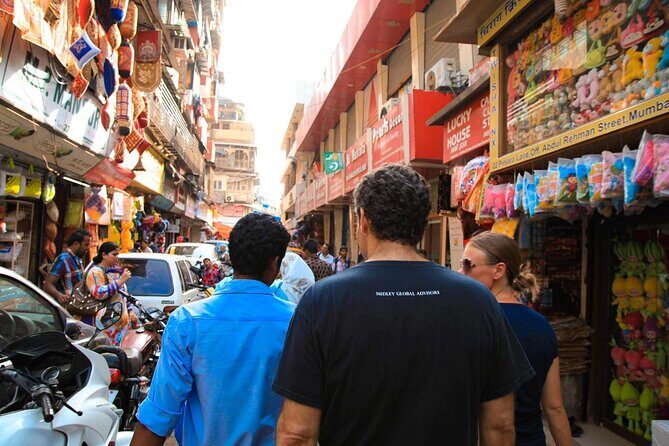
This is the kind of tour that helps you understand Mumbai fast. Instead of staying in sealed “tour routes,” you use everyday transit with a guide, which is exactly how locals get from A to B.
You’ll get multiple perspectives in one morning: grand rail architecture, street-level commerce, and the behind-the-scenes labor that keeps the city running. It’s a practical way to build confidence for the rest of your trip, especially if you want to use trains later on your own.
You can also read our reviews of more tours and experiences in Mumbai.



Starting at Regal Cinema: South Mumbai, right where the action begins
You meet at Regal Cinema in Colaba, near the Colaba Causeway. The location is convenient if you’re based in or near South Mumbai, and it also sets the tone: you’re starting in a real neighborhood, not a far-off checkpoint.
From the jump, you’re moving with purpose. The schedule has short stops at each site (often 10–30 minutes), so think of this as an efficient “watch, learn, and move” half-day rather than a slow sightseeing stroll.
Chhatrapati Shivaji Terminus at rush hour: UNESCO in motion
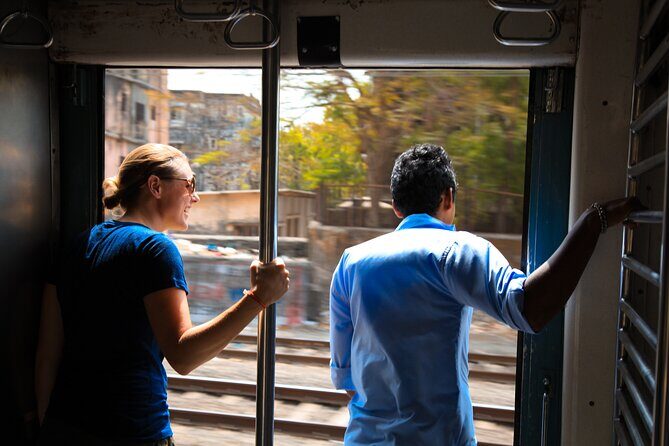
One of the first big moments is Chhatrapati Shivaji Terminus (CST), Mumbai’s UNESCO World Heritage Site and a major railway hub. If you’ve only seen CST in photos, the rush-hour reality is the upgrade: trains arriving, crowds pouring out, and the station acting like a living system.
This stop is designed for the “in-the-moment” feeling, not a long museum visit. It’s short, but it’s memorable because you see why this place is considered important—and you notice the sheer flow of people and jobs.
Practical note: watching a busy station can be a bit intense. The tour’s whole idea is that you’re there with guidance on where to stand and how to observe without getting swallowed by the crowd.
SHYAM STALL and the flower culture you’ll notice everywhere later
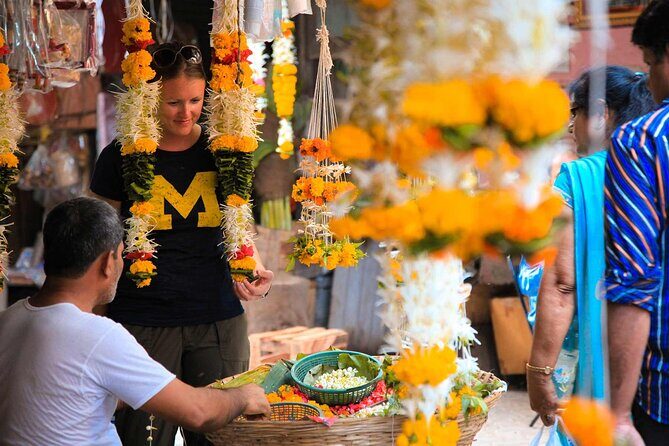
Next comes a flower stop at SHYAM STALL—and it’s more than just color. Flowers in India aren’t a one-time decoration; they show up in religious worship, in taxis, at home, and even in people’s daily routines and hair.
The value here is education you can reuse after the tour. Once you understand how commonly flowers are used, Mumbai starts making more sense when you’re walking around on your own—especially in areas where temples and street life mix.
If you like food markets and visual sensory moments, this is a great pause. It’s quick (about 15 minutes), but it helps you “read” the city.
Dhobi Ghat: the world’s largest outdoor laundry (and why it’s worth time)
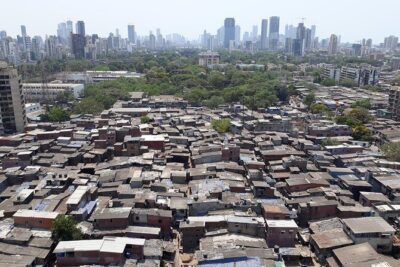
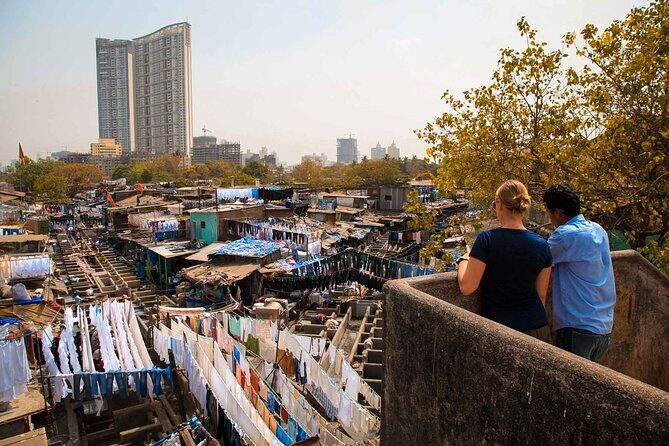
Then you get to one of Mumbai’s most striking working landscapes: Dhobi Ghat, described as the world’s largest outdoor laundry. Here you’ll see dhobiwallahs scrubbing and washing linens for large institutions—especially hospitals and hotels.
This stop is about seeing labor at scale. Instead of thinking of laundry as a private chore, you watch it as a public workplace with routines, sounds, and constant movement.
The stop is also long enough to matter—about 30 minutes. That time helps you notice patterns: how washing happens, how items move, and how the whole place keeps going while people come and go.
One heads-up: on certain public holidays, the laundry portion can be affected. For example, during Republic Day (January 26), the stop may be shortened because of how schedules and work routines shift. So if you’re traveling around Indian holidays, expect some variation.


Chor Bazaar: snacks, browsing, and bargaining energy
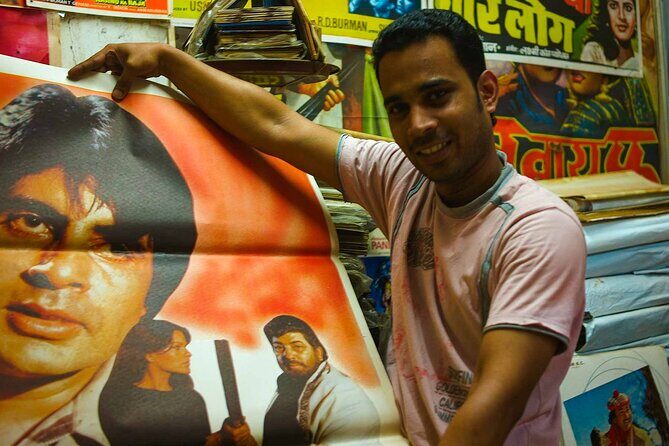
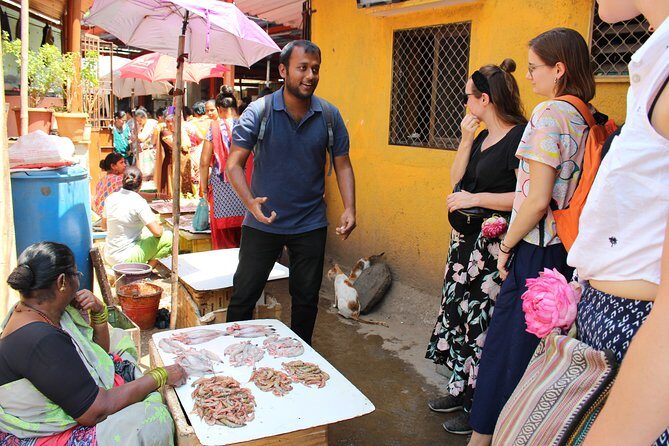
After Dhobi Ghat, you head to Chor Bazaar, often called the Thieves Market. The vibe is big and busy, and it’s one of those places where you can kill time productively—even if you don’t plan to buy much.
This stop includes time for tasting local sweets and browsing things like home-made pickles and chutneys. If you’re the type who likes to taste first and shop second, this is a nice fit because you get both without forcing it.
There’s also a learning angle here. Markets like Chor Bazaar are part of how Mumbai handles daily commerce—so even if you leave empty-handed, you’ll come away with a better sense of how people shop and what they prioritize.
Churchgate and the dabawallah delivery machine
The tour ends at Churchgate Railway Station, but before you get there, you’ll look for dabawallahs and the delivery process. You’ll see how they organize lunchbox distribution—known to reach around 200,000 lunchboxes every day.
This is where the tour becomes truly “Mumbai-specific.” You’re not just seeing a cultural detail; you’re witnessing a logistics system that works at speed and scale, day after day.
If you want the full experience, you’ll also have time planned around Oval Maidan to eat a vegetarian dabawallah lunch. It’s a simple, practical way to connect what you’ve watched (the organization) with something you taste.
Price and value: why $32.45 can actually make sense here
At $32.45 per person, this tour feels like a value play—mostly because it includes costs that often sneak up on you.
You’re paying for:
- All transportation on the tour (train, bus, and taxi segments)
- A local guide
- Bottled water / a cold drink
- Transport fares, so you don’t need to figure out change while you’re also trying to follow a new route
In cities like Mumbai, the “hidden” cost is not just money—it’s effort. When you’re new, transit without guidance can mean wrong turns, missed connections, and constant confusion. This tour removes that friction.
It’s also a small-group experience, max 25 travelers, which helps with managing timing across busy places like CST and Churchgate.
Practical logistics: how the train-and-taxi rhythm works
This is a group tour, and the timing is structured. Expect short stop windows (10–30 minutes) plus transit time between neighborhoods, so comfortable shoes matter more than anything else.
A couple things I’d plan for:
- Train crowd intensity: you may be observing from safer spots rather than standing in the densest crush areas. A good guide helps you see what’s happening without forcing you to fight for position.
- Taxi splits: because the group can be larger than a single taxi can comfortably handle, you might need to ride in separate vehicles for parts of the route. That can feel strange if you don’t like uncertainty, but it’s a normal way to keep the tour moving.
- Pickup reliability: one rare issue came up where a group member said the pickup didn’t happen as expected. If this matters to you, arrive early at the meeting point and keep your phone ready for quick coordination.
Also, there’s no hotel pickup or drop-off, so build the morning around getting to the start near Regal Cinema and ending at Churchgate.
Who should book this tour (and who might skip it)
This tour fits you if you want a real local transport experience and you’re curious about Mumbai beyond the usual sightseeing lanes. It’s especially good if:
- you want a first “orientation” morning to feel comfortable using trains later
- you like working neighborhoods, food tastings, and market energy
- you’re interested in the dabawallah lunch system and the everyday jobs behind it
You might choose something else if you strongly dislike crowd environments or if you want a slower, sit-and-stare style of sightseeing. The structure moves fast on purpose, and Mumbai’s transit can be intense even with a guide.
Should you book the Local Transport & Dabbawallah Tour?
Yes, if your goal is to understand Mumbai in motion. The combination of CST rush-hour, Dhobi Ghat’s outdoor laundry, a flower stop, Chor Bazaar snacks, and dabawallah logistics near Churchgate gives you a well-rounded picture of how the city works.
I’d book it especially if you’re new to Mumbai and want the “how to travel here” lesson bundled into sightseeing. Just go in with the mindset of watching, learning, and keeping pace—this is a working-city morning, not a relaxed museum day.
FAQ
FAQ
How long is the Local Transport & Dabbawallah tour?
It runs for about 3 hours 30 minutes.
What time does the tour start?
The start time is 8:30 am.
Where do I meet, and where does the tour end?
You start at Regal Cinema in Colaba (opposite Chhatrapati Shivaji Maharaj Vastu Sangrahalaya) and the tour ends at Churchgate Railway Station.
What modes of transport does the tour use?
The tour uses public transport including train, bus, and taxi segments.
Are transport fares included?
Yes. Transportation fares are included, and you don’t need to find change.
Is food included?
Bottled water and a cold drink are listed as included. The schedule also includes time near Oval Maidan for a vegetarian dabawallah lunch.
What are the main stops on the tour?
The tour includes Regal Cinema, Chhatrapati Shivaji Terminus, SHYAM STALL (flower stop), Dhobi Ghat, Chor Bazaar, and Churchgate Station.
How large is the group?
The maximum group size is 25 travelers.
Does the tour include hotel pickup or drop-off?
No. Hotel pickup and drop-off are not included.
Is free cancellation available?
Yes. You can cancel for a full refund up to 24 hours in advance of the experience’s start time.