REVIEW · MUMBAI
Mumbai Slum Tour –An insight of Dharavi Slum with Local Guide
Book on Viator →Operated by MUMBAI EXPERIENCES · Bookable on Viator
Walking through Dharavi with Ruqaiyya, a local guide, changed how I think about the place. I really liked the hands-on look at small industries in action (like plastic recycling and textile work) and the way the guide explains everyday routines without turning the area into a spectacle. One thing to keep in mind: this is a real neighborhood with tight lanes, so it’s not the sort of walk where you’ll expect wide sidewalks and lots of space to stop and pose.
You also get a clearer sense of how work, faith, and community education all sit side by side. The tour is designed as a safe, responsible walking experience, and that matters if you’re going solo or you just want things handled respectfully. The tradeoff is simple: it’s only about 2 hours, so you’ll see a lot of industries in a short window, but you won’t cover every corner of Dharavi.
In This Review
- Key things that make this Dharavi slum tour worth it
- Dharavi’s real story is in the work you can see
- The route: from Third Wave Coffee to Kumbhar Wada
- Plastic recycling: watching waste turn into usable products
- Textile workshops: stitching, dyeing, and printing up close
- Bakery units: khari biscuits, bread, and local snacks
- Narrow lanes, temples, and mosques: community life on the same street
- Leather tanneries and export-quality goods: the hardest-working industry stop
- Markets and community schools: the neighborhood beyond production
- Why a local English-speaking guide changes everything
- Price and timing: is $10.04 actually good value?
- Practical tips to make the walk smoother
- Who should book this Dharavi slum tour?
- Should you book it or skip it?
- FAQ
- How long is the Mumbai Dharavi slum tour?
- What is included in the tour price?
- Is food or drinks included?
- Where does the tour start?
- Where does the tour end?
- Do I need to speak English?
- Are pickup and transport help available?
- How big are the groups?
- Is it near public transportation?
- What is the cancellation policy?
Key things that make this Dharavi slum tour worth it
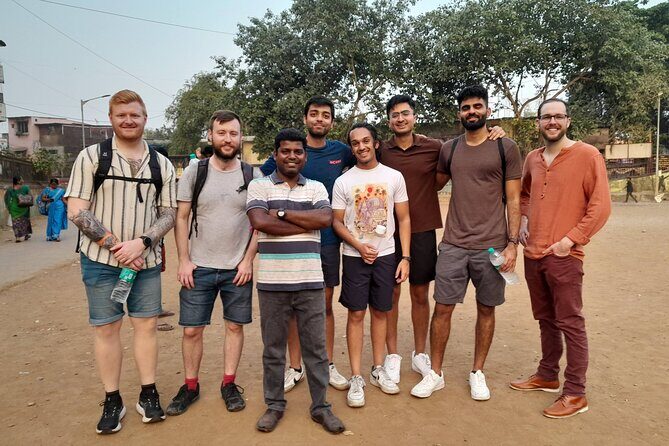
- Local resident guidance that focuses on daily life and work, not shock value
- Stop-by-stop view of real production: plastic, textiles, baking, leather
- A respectful route through narrow lanes with homes, temples, and mosques nearby
- You’ll connect the dots between markets, schools, and livelihoods
- Small-group feel with a maximum of 50 people
- Good value for money at around $10 per person for a guided walk
Dharavi’s real story is in the work you can see
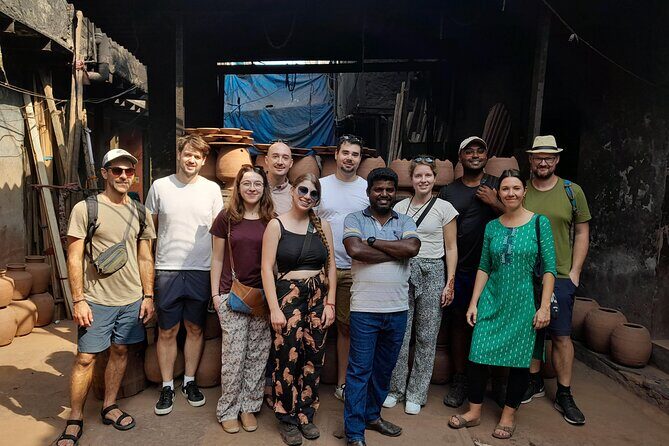
Dharavi is famous for headlines. This Mumbai slum tour flips that around. Instead of focusing on outsiders’ opinions, you focus on what’s happening on the ground: recycling, clothing production, food baking, leather goods, and everyday commerce. In a couple of hours, you’ll get a snapshot of how thousands of people turn materials and skills into livelihoods.
What I like most is that the tour doesn’t just point and move on. Your guide explains the why behind the work—how waste becomes raw material again, how textiles go from fabric to finished pieces, and how small businesses feed the neighborhood. It’s a different way to understand Dharavi: not as a single story, but as a working community.
And yes, you’ll still see narrow lanes with homes and places of worship close by. That’s part of the point. Dharavi isn’t separated into sightseeing zones—it’s a neighborhood where life is lived at street level.
You can also read our reviews of more guided tours in Mumbai


The route: from Third Wave Coffee to Kumbhar Wada
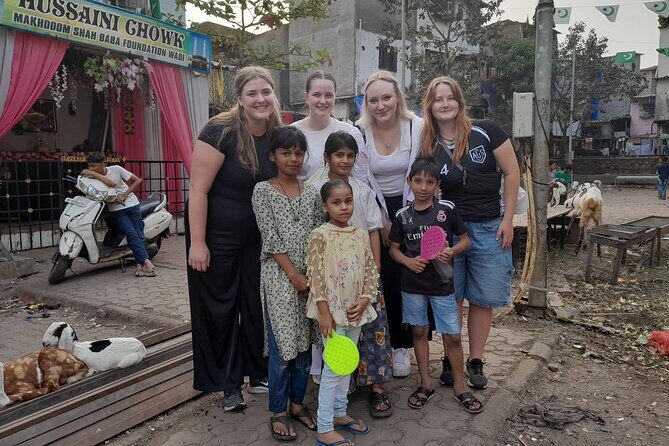
The tour starts at Third Wave Coffee on Tip Road in Mahim. The exact meeting point is listed as Tip Road, Unit no. 58, Ground, Ram Mahal, Senapati Bapat Marg, Marinagar Colony, Station, Mahim, Mumbai, Maharashtra 400016. That’s helpful because it gives you a precise place to meet rather than a vague landmark.
You’ll end in Dharavi near Kumbhar Wada, and the guide’s team can help you figure out transport back to where you’re staying (car, Uber, taxi, or train). That ending detail matters because once you’re there, you’ll likely want to move on without doing extra guesswork.
The tour is about 2 hours, which is an ideal length for this kind of walking. You get time to see several types of workshops and community spaces, but you’re not stuck for half a day.
Plastic recycling: watching waste turn into usable products
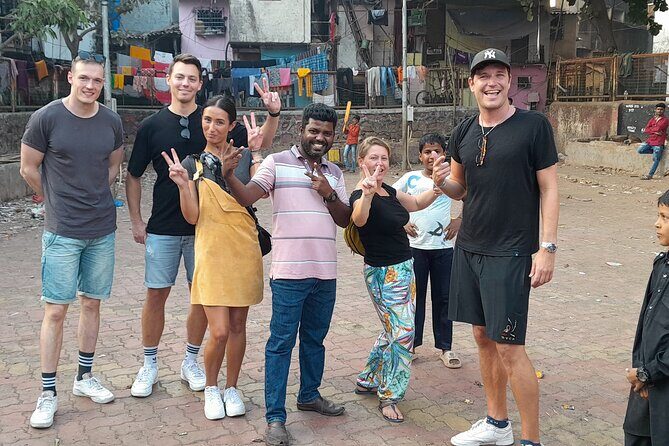
One of the first things you’ll encounter is plastic recycling, where waste is melted, molded, and reused. It’s one of those topics that sounds abstract until you see the process in the real setting. The point isn’t to treat recycling like a science museum display—it’s production, carried out with local know-how and day-to-day practicality.
This stop helps you understand Dharavi as a place of materials and manufacturing. You’ll start noticing how “inputs” move through the community and how people keep things running on small scales. Even if you’re not a gadget person, you can still appreciate the logic: if there’s demand for certain plastic goods, there’s work to make them from what others throw away.
A quick consideration: bring the right mindset. This isn’t a tidy, controlled environment. Expect working areas, tools, and the reality of industrial processes happening right next to homes and streets.
Textile workshops: stitching, dyeing, and printing up close
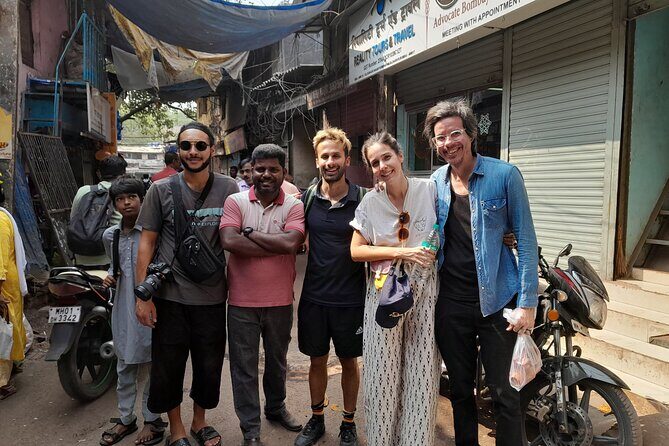
Next comes the textile side—workshops where clothes are stitched, dyed, and printed. This is where the tour becomes more than a general overview. You’ll see how many steps go into making garments, and you’ll get a sense of how production can be broken into small, specialized tasks.
I like this segment because it connects skills to outcomes. Instead of thinking of clothing as something that magically appears in a store, you see the chain: fabric work, color work, finishing work. Even if your guide doesn’t teach you every technical detail, the overall picture lands fast.
Keep in mind that textile work can be visually intense—colors, materials, and the activity level can be high. If you’re sensitive to close-up environments, just pace yourself, stay aware of where people are moving, and follow your guide’s instructions.
Bakery units: khari biscuits, bread, and local snacks
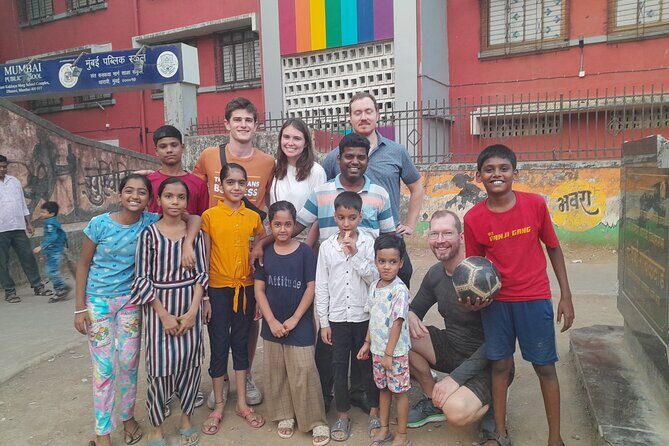
Food comes in as a change of pace. In the bakery units, you’ll see how local items are made—khari biscuits, bread, and other snacks. This part is memorable because it’s not just about industry; it’s also about local routine. People don’t live Dharavi on an “event schedule.” They eat, buy, and trade every day.
This stop also helps you understand why markets matter later in the walk. Production and consumption aren’t miles apart. You’re watching a neighborhood feed itself and support its own economy.
Practical note: food and drinks aren’t included on this tour. So if you’re hungry, plan for it after. (You’ll get bottled water, but you’ll want to sort out snacks separately.)


Narrow lanes, temples, and mosques: community life on the same street
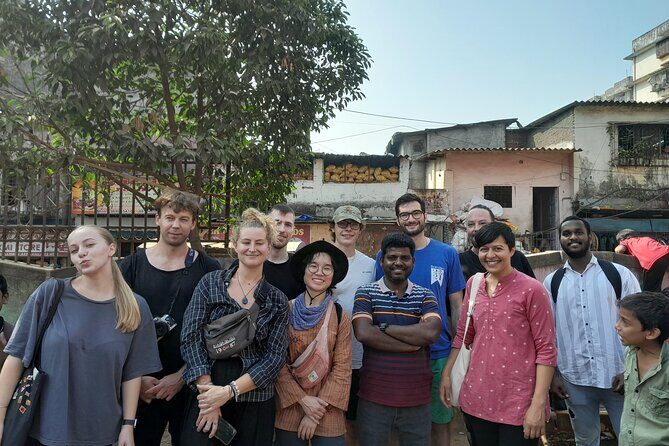
After the workshops, you’ll walk through colorful narrow lanes lined with small homes, temples, and mosques. This is the moment where Dharavi stops feeling like “a tour topic” and starts feeling like a real place where people pray, live, and work.
I like the way this segment softens the earlier industrial focus. It shows the balance: production isn’t separate from religion or community space. The streets connect everything—work, spirituality, family life, and local needs.
Consideration: it’s a walking tour through tight spaces. You’ll want to wear comfortable shoes and be ready for slower movement when the lane narrows or when the group passes through busier areas.
Leather tanneries and export-quality goods: the hardest-working industry stop
Leather tanneries appear on the itinerary, along with small factories producing export-quality goods. This is one of the most consequential stops, because it highlights how complex and skill-driven leather production can be at a small scale.
It’s also where you’ll likely notice the tour’s larger theme: craftsmanship. The guide’s explanation helps you see how training and consistency matter, not just the final product. Even if you don’t buy anything, you learn to look differently—at quality, process, and the effort behind what you see.
A fair consideration: leather production can be intense in both sensory and visual terms. If smells or industrial environments bother you, you may want to keep a little extra distance from active work areas and rely on your guide’s cues for where to stand and how long to linger.
Markets and community schools: the neighborhood beyond production
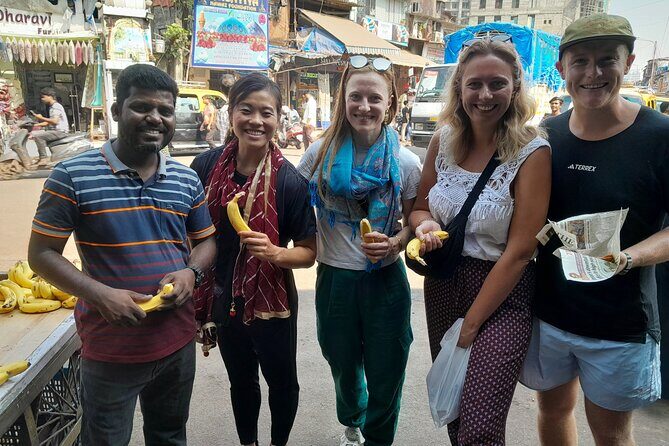
As the walk continues, you’ll see local markets selling daily essentials and fresh produce. This gives you the “daily life” layer that many tours skip. Markets show you how people keep moving—what they buy, what they need, and how the community supports itself.
Then there’s the community education angle: schools and welfare efforts. This part matters because it broadens the narrative. Dharavi isn’t only about work and need; it’s also about building opportunities and supporting kids and families.
I appreciate this balance because it prevents the tour from getting stuck in stereotypes. You leave with a more accurate mental model: livelihoods, services, and community goals exist together.
Why a local English-speaking guide changes everything
This tour is led by an English-speaking local guide, and that’s a big deal here. The difference shows up in the tone: you’re not being escorted through a set of pre-approved photo spots. You’re being guided through lived context—why certain industries exist, how neighborhoods function, and what everyday life looks like from inside the community.
In the best kind of experience, a guide also makes you feel more confident about where you’re standing and what you should do. That shows up in the feedback about solo travel safety and comfort, especially for women who might not feel comfortable walking these lanes alone. If you’re that kind of traveler—careful, curious, and respectful—you’ll likely feel more at ease with a local resident leading the way.
Your guide also includes bottled water, which is a small inclusion but useful when you’re walking for two hours in Mumbai’s conditions.
Price and timing: is $10.04 actually good value?
At about $10.04 per person for a roughly 2-hour guided walking tour, the value is strong—especially because you’re paying for more than a route. You’re paying for local interpretation, access to work areas like recycling and textiles, and a structured walk that keeps things safe and respectful.
A key point: the price makes it realistic to add to a Mumbai itinerary without feeling like you’ve booked a half-day commitment. If you want Dharavi context but only have a short window, this length can work well.
Timing-wise, the average booking lead time is about 15 days, so if you’re traveling in peak periods, I’d try not to leave it to the last minute. The tour also has group limits up to 50 people, which should help the guide manage the pace.
Pickup is offered, which can reduce friction if you’re not near the start point. Mobile tickets and a simple meeting location also make it easier to fit into your day.
Practical tips to make the walk smoother
A Dharavi walking tour is most enjoyable when you go in prepared and calm. Here’s what I’d do before you go:
- Wear comfortable, closed-toe shoes. Lanes can be uneven and tight.
- Keep your phone ready, but don’t treat every moment like a photo shoot. Let the guide explain first.
- Expect a working neighborhood. Move with care around active areas.
- Bring a light layer if you get chilly in air-conditioned transit after the tour.
- Since food and drinks aren’t included, plan to eat afterward if you get hungry.
Also, you’ll get confirmation at booking. And the tour is near public transportation, so you’re not locked into one transit method. If you like flexibility, this helps.
Who should book this Dharavi slum tour?
This experience is a great fit if you want a responsible, respectful Mumbai Slum Tour that focuses on real work and real daily life. It works well for:
- Solo travelers who want a guided route for safety and comfort
- Travelers who prefer learning from local residents rather than reading headlines
- People interested in recycling, textiles, food production, and craft work
- Anyone who wants a short, focused activity around 2 hours
If you’re looking for a luxury, air-conditioned, sit-down tour, this won’t match your style. The whole point is the walking, the lanes, and the neighborhood context.
Should you book it or skip it?
Book this tour if you want a grounded look at Dharavi’s industries—plastic recycling, textiles, bakery production, leather work, markets, and community education—with a local English-speaking guide. The pricing is sensible, the timing fits a typical day, and the “responsible and safe” approach matters in a place where context is everything.
Skip it only if you know you’ll struggle with close quarters, active work environments, or tight walking spaces. Otherwise, this is the kind of tour that helps you understand Dharavi as a functioning community, not a one-note headline.
FAQ
How long is the Mumbai Dharavi slum tour?
The tour lasts about 2 hours.
What is included in the tour price?
You get an English-speaking local guide and bottled water. Admission is included.
Is food or drinks included?
No. Food and drinks are not included.
Where does the tour start?
The meeting point is Third Wave Coffee, Tip Road, Unit no. 58, Ground, Ram Mahal, Senapati Bapat Marg, Marinagar Colony, Station, Mahim, Mumbai, Maharashtra 400016.
Where does the tour end?
The tour ends at Kumbhar Wada, Dharavi, Mumbai, Maharashtra, and the guide helps you arrange transport back to your place (car, Uber, taxi, or train).
Do I need to speak English?
No. The guide is English speaking.
Are pickup and transport help available?
Pickup is offered. At the end, the guide helps you with transport options back to where you’re staying.
How big are the groups?
The tour has a maximum of 50 travelers.
Is it near public transportation?
Yes, it’s near public transportation.
What is the cancellation policy?
You can cancel for a full refund up to 24 hours in advance. If you cancel less than 24 hours before the start time, the amount paid is not refunded.