REVIEW · MUMBAI
Mumbai: Private tour for Kanheri Caves and Golden Pagoda
Book on GetYourGuide →Operated by Beautiful Bombay Tours · Bookable on GetYourGuide
Gold meets ancient rock on one easy tour. This day stitches together Kanheri Caves deep in Sanjay Gandhi National Park and the Golden Vipassana Pagoda in Gorai, so you get Buddhism in two very different settings: carved stone and sunlit gold.
I especially like the Kanheri setup: a private, air-conditioned car, hotel pickup and drop-off, and an English-speaking guide who helps you make sense of what you’re actually looking at. The second thing I love is the Golden Pagoda’s focus on calm—its shining exterior and peaceful viewing over the Arabian Sea make the whole route feel like a breather after the caves.
One caution: timing matters. If you go on a weekend, expect heavier crowds in the park and on the ferry ride over to Gorai, which can make the day feel more packed than spiritual.
In This Review
- Quick take: what makes this Kanheri + Golden Pagoda combo work
- Kanheri Caves in Sanjay Gandhi National Park: basalt rock and 109 caves
- The guided route: Lord Buddha, 34 pillars, and Avalokiteshwara
- Inscriptions and meditation cells: the daily life details most people miss
- Time to explore Kanheri at your own speed
- Ferry to Gorai: how that short transfer sets the mood
- Golden Vipassana Pagoda in Gorai: golden exterior, relics, and a pillarless design
- Price and comfort: what you’re really getting for around $21
- Best days and best pacing: avoiding crowd drag and weather friction
- Should you book this Kanheri Caves and Golden Pagoda private tour?
- FAQ
- How long is the Kanheri Caves and Golden Pagoda private tour?
- Is hotel pickup and drop-off included?
- Do I need to buy entry tickets for Kanheri Caves or the Golden Pagoda?
- Where should I meet the guide?
- Is the guide available in English?
- What should I bring, and what shoes work best?
- Can I cancel or pay later?
Quick take: what makes this Kanheri + Golden Pagoda combo work
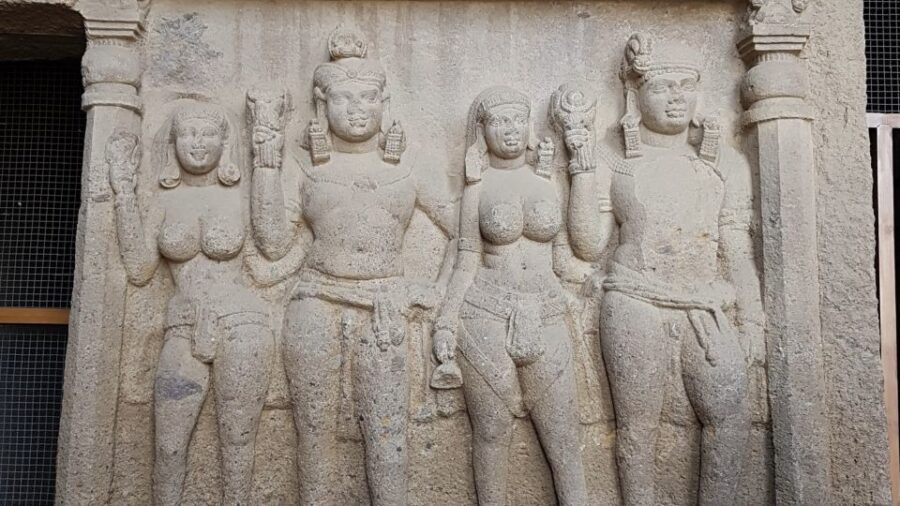
- 109 caves carved from basalt at Kanheri, with viharas and chaityas to compare
- A 7-meter Lord Buddha in the main hall plus the eleven-headed Avalokiteshwara
- About 100 inscriptions across multiple scripts, plus meditation cells for monk life
- Short ferry hops (twice) that keep the day moving without long detours
- Golden Vipassana Pagoda’s relics and a Burmese-inspired design without supporting pillars
Kanheri Caves in Sanjay Gandhi National Park: basalt rock and 109 caves
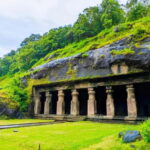
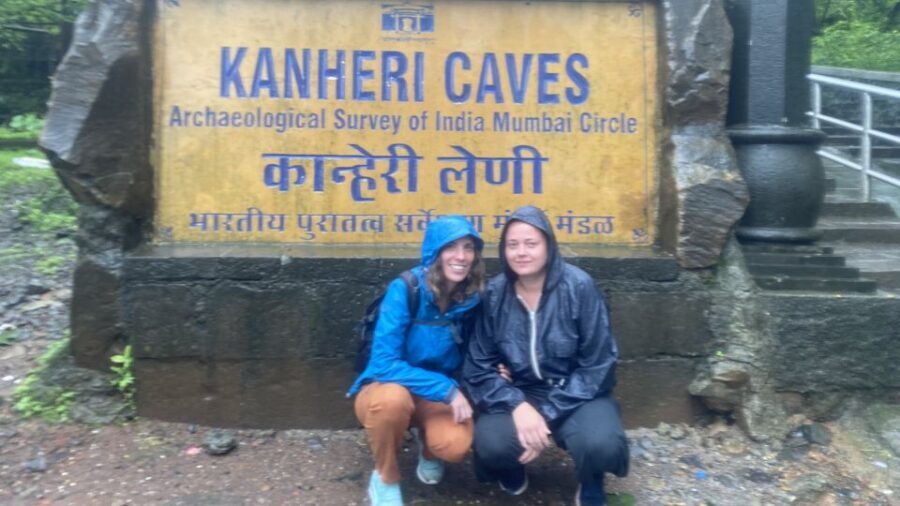
Kanheri Caves sit inside Sanjay Gandhi National Park, and that location changes the whole vibe. You’re not just visiting an old monument in the city—you’re heading into lush, green surroundings where the caves rise from a massive basalt rock outcrop.
The drive takes about 1 to 1.5 hours depending on where your hotel is and what traffic looks like that day. You’ll be in an air-conditioned car, which matters because Mumbai heat can drain your energy fast, especially before you start walking inside historic stone areas.
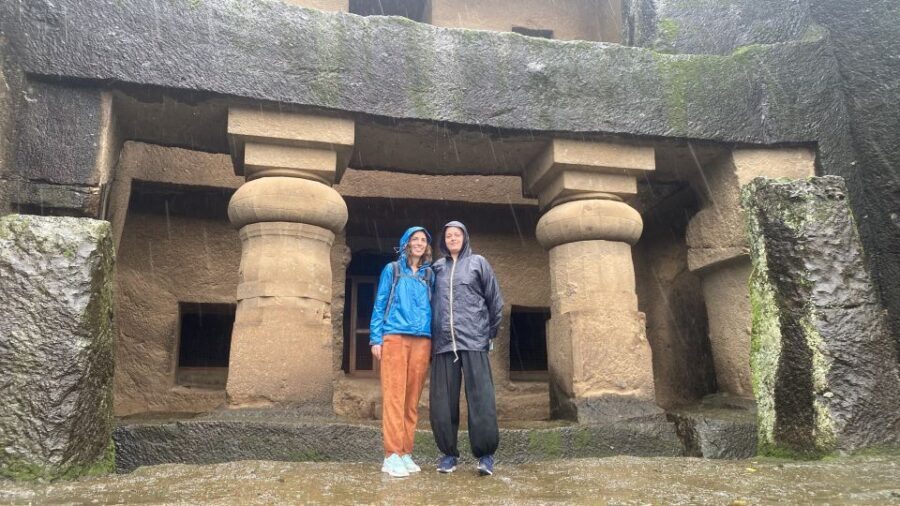
What you’re going to see is big in a very specific way. This site has 109 caves, all meticulously carved out of basalt. They weren’t all the same either: the smaller caves (viharas) were resting spaces for monks, while the larger chaityas were worship halls with sculpted Buddhist artwork.
Kanheri was built starting as early as the 1st century, so the carvings and inscriptions aren’t just decorations—they’re evidence of a long, lived tradition taking shape in stone. Even if you’re not a total archaeology nerd, the site makes it easy to understand how a spiritual community could function in a rock-cut setting.
Practical tip: this is one of those places where comfortable shoes pay off more than you expect. You’ll want grip and support because the ground and steps inside cave structures can be uneven.
You can also read our reviews of more private tours in Mumbai



The guided route: Lord Buddha, 34 pillars, and Avalokiteshwara
Your guide will take you through five of the most significant caves, which is the smart way to do Kanheri. It’s not just about seeing a lot—it’s about seeing the right elements in the right order so the site clicks into place.
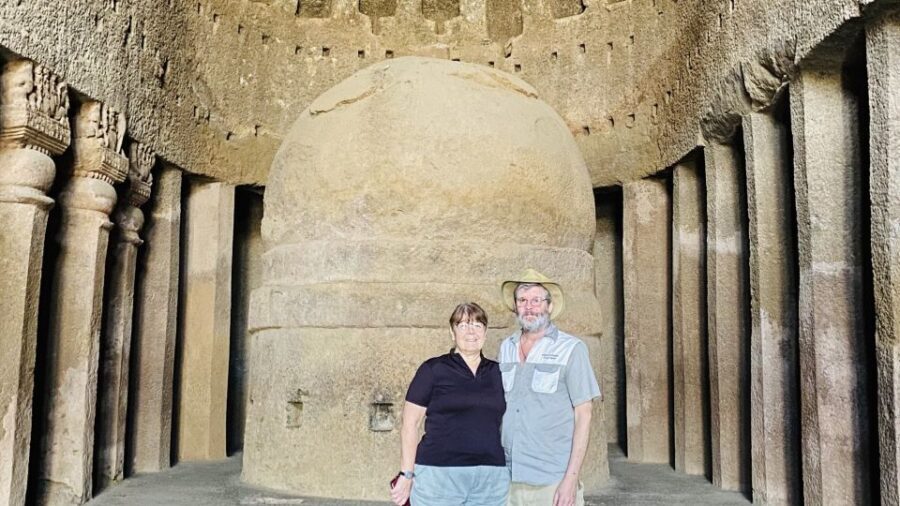
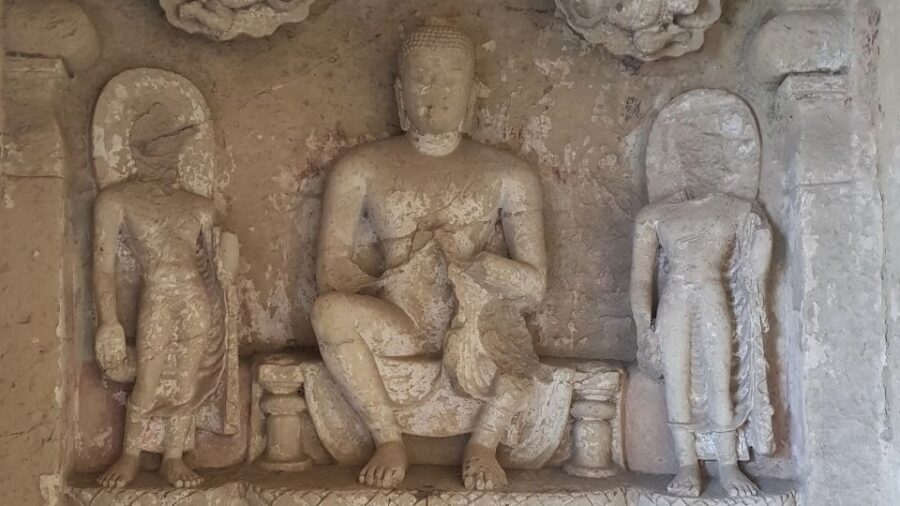
Inside the main hall, there’s a towering 7-meter-high Lord Buddha figure. Around that central presence is a colonnade of 34 beautifully carved pillars, and that ring of stonework gives you a strong sense of ceremony. It’s one of those moments where you can stand back, look up, and remember these spaces weren’t made for quick photos—they were made for worship and devotion.
Then there’s the eleven-headed Avalokiteshwara, one of the caves’ most distinctive features. If you’ve seen Buddhist iconography before, this is the kind of detail that helps you recognize that you’re not looking at random carvings. You’re seeing symbolic forms that reflect beliefs, storytelling, and how people understood compassion.
This is where having an English-speaking guide matters most. The guide’s job is to help you connect art details—like figure types and carved arrangements—to what those features mean in daily religious life.
If you’re lucky with the guide, it can be excellent. In past English-guided groups, guides including Nikheil and Aryan have been praised for turning the caves and pagoda into understandable, not just scenic, experiences.
Inscriptions and meditation cells: the daily life details most people miss
Kanheri isn’t only about the big statues. It also holds about 100 inscriptions in different scripts. You’ll encounter scripts that include Brahmi, Devnagri, Pallavi, and Sanskrit.
Those inscriptions can feel intimidating if you’re expecting them to read like a modern sign. The payoff comes when your guide explains what you’re seeing—how multiple scripts point to shifting times, communities, and levels of learning.
Even better, the caves include serene meditation cells. These smaller spaces help you picture a monk’s routine, not just a temple’s grand layout. You start thinking about quiet concentration, prayer rhythms, and how monks used the caves as both shelter and spiritual workspace.
I like how this side of Kanheri slows the pace. After all the travel and sun outside, the feeling inside the caves is more controlled—stone walls, carved details, and less distraction. It’s the kind of place where your brain naturally switches from sightseeing mode to observation mode.
Time to explore Kanheri at your own speed
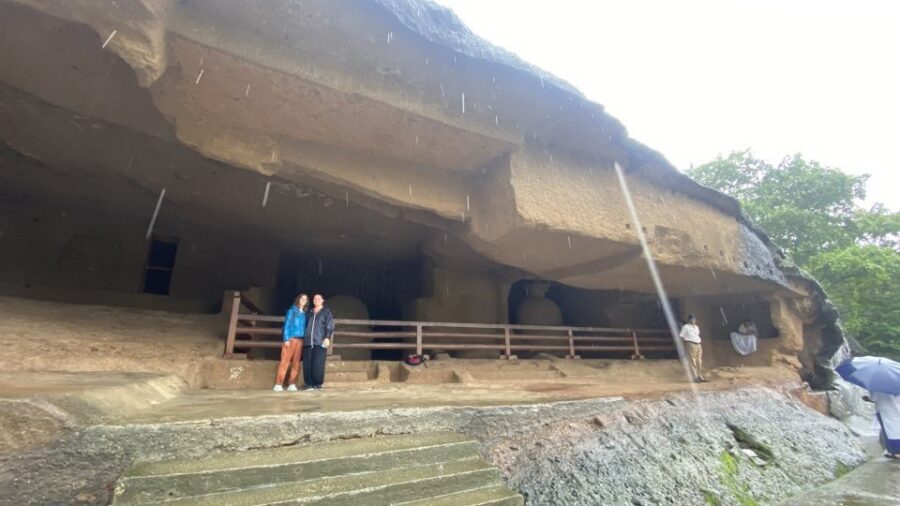
The tour includes a guided portion of about 2.5 hours at Kanheri, but it’s not a full stampede. You’ll also get some free time to wander on your own.
That balance is useful. On a first visit, you want the guide to point you toward the big elements: the Buddha hall, the Avalokiteshwara detail, the pillars, the key inscriptions. Then you can return to what caught your attention and take a slower look without worrying you’ll miss something important.
You also may spot wildlife in the park area while you’re there. One recent guide-led experience described seeing monkeys on the way, along with deer and many birds. That’s not guaranteed, but it’s a good reminder that the caves sit in a functioning nature area, not a sealed-off theme park.
Rule of thumb: give yourself space to look around. If you try to rush Kanheri like a checklist, you’ll miss the small carvings and the inscriptions that quietly do the storytelling.
Ferry to Gorai: how that short transfer sets the mood
After Kanheri, the day shifts gears. You take a ferry ride of about 10 minutes toward Gorai for the Golden Vipassana Pagoda, then you head back on another 10-minute ferry.
That short boat hop does two things for your itinerary. First, it prevents the day from turning into a long grind of road travel. Second, it helps you switch mentally from cave silence to sea-air calm.
Here’s a practical note: the ferry crossing can get busy, especially on weekends. One firsthand observation described the ferry as a community crossing that can be crowded, with pedestrians and many two-wheelers around the same space. It’s not a reason to cancel—it’s just a reason to keep your day flexible and your patience handy.
If you’d rather avoid stress, plan for a weekday and earlier hours when possible. And keep your bag situation simple because the tour doesn’t encourage carrying bulky luggage.



Golden Vipassana Pagoda in Gorai: golden exterior, relics, and a pillarless design
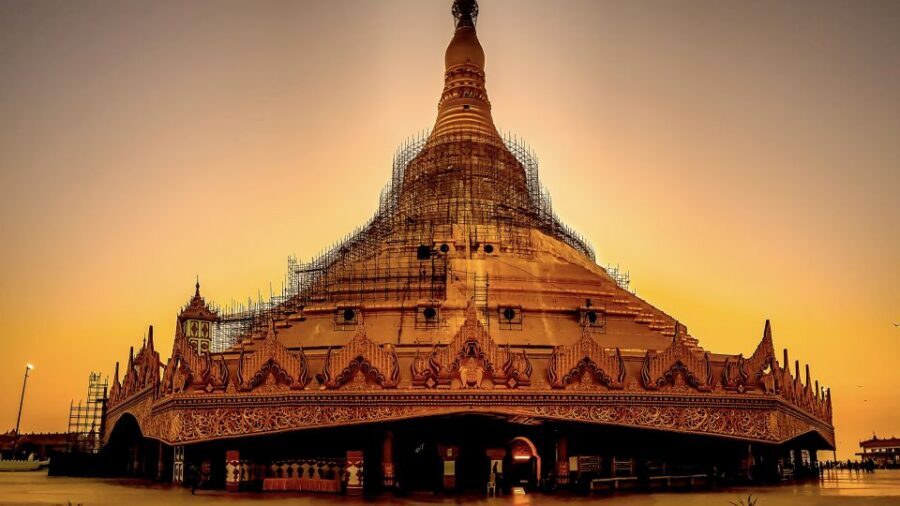
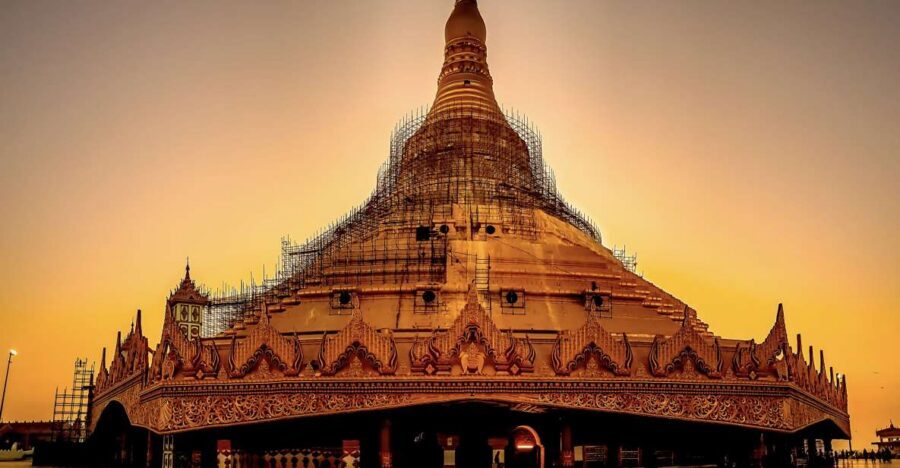
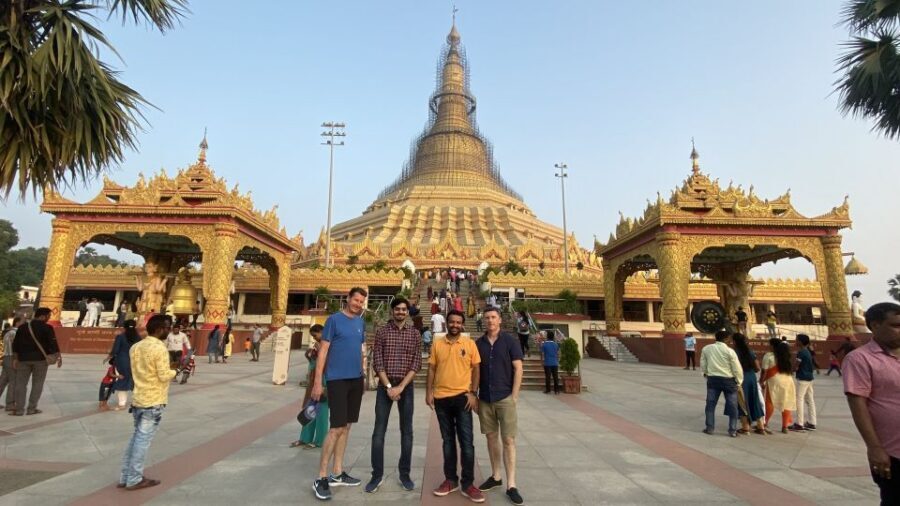
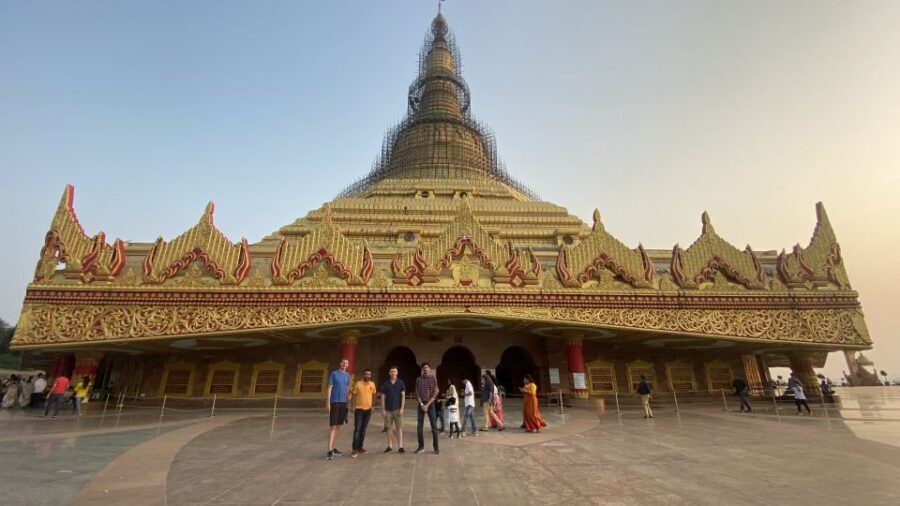
The Golden Vipassana Pagoda feels like the visual opposite of Kanheri. Where Kanheri is basalt and shadow, the pagoda is golden exterior and light. The exterior catches sunlight and shines brilliantly, and that contrast makes the day more satisfying—you’re not repeating the same kind of architecture twice.
The pagoda’s spiritual focus is very specific. Inside, it holds Gautama Buddha’s relics, which is why the site draws pilgrims and people looking for a quieter kind of connection.
Architecturally, the pagoda is also distinctive: it’s described as having a Burmese-inspired design and being devoid of supporting pillars. That sounds like a technical detail, but standing inside a pillarless space changes how the room feels. It reads as open and controlled rather than segmented.
One more thing I’d plan for: the pagoda sits with views toward the Arabian Sea and it’s surrounded by greenery. That combination helps you breathe easier after cave interiors. Even if you’re not chasing religious symbolism, the location does something emotional—it calms your senses.
The tour allocates about 1 hour for sightseeing here, which is enough time to see the interior focus and also step back and take in the exterior glow.
Price and comfort: what you’re really getting for around $21
At $21 per person, this is one of those prices where value comes from what’s included, not just the headline cost. You get:
- Hotel pickup and drop-off
- An English-speaking guide
- An air-conditioned car
- Skip the ticket line
- The ferry transfer as part of the day
- Guided cave time plus pagoda sightseeing
What’s not included is important: food and drinks and entry tickets. So you’ll want to budget a little extra beyond the tour price.
Still, when you compare this to doing it on your own, the guide’s role is the biggest money-saver. At Kanheri, the difference between wandering and understanding is huge—especially with multi-script inscriptions and details like the main Buddha hall and Avalokiteshwara. The Golden Pagoda also benefits from context, because it’s easy to appreciate the gold but harder to understand the relic focus and design choices without help.
This private format matters too. A private group tends to mean fewer time-wasters and more flexibility in how you pace your questions and viewing.
In short: you’re paying for transport + time saved + someone to translate the site into meaning.
Best days and best pacing: avoiding crowd drag and weather friction
Mumbai can throw curveballs at you: crowds, traffic, and sometimes rough weather. This tour has several moving parts—road travel to the park, walking inside caves, and ferry crossing—so your day quality depends on when you go.
If you can choose, I’d avoid weekends. One clear advice from an earlier experience was that the park can feel packed on weekends, including busier access and heavier foot traffic around nearby areas. Go on a weekday if you want Kanheri to feel more like quiet reflection than a crowd-management exercise.
Weather is also worth thinking about. A practical note included avoiding the monssoon period if possible, since wet conditions can make the day less comfortable and harder to enjoy.
And no matter the day: keep your expectations realistic. This is a spiritually themed day with real walking and a ferry. If you treat it like a relaxed sit-and-sip outing, you’ll feel disappointed. If you treat it like a focused, guided sightseeing day with moments of calm, you’ll get more out of it.
Should you book this Kanheri Caves and Golden Pagoda private tour?
Book it if you want an easy, guided way to see two major Buddhist sites in one day without drowning in logistics. The hotel pickup, English guide, AC car, and skip-the-line setup make it low-effort compared to piecing together buses and tickets yourself.
Skip it (or adjust your plan) if you hate crowds and can only go on a weekend. This route can get busy, especially during park access and the ferry crossing. Also, if you’re only interested in one site, you might prefer a single stop so you can go slower and avoid rushing.
For most people—history lovers, spiritual seekers, and curious travelers who want meaning behind the carvings—this is a solid value day in Mumbai.
FAQ
How long is the Kanheri Caves and Golden Pagoda private tour?
The duration is listed as 2.5 to 6 hours, depending on the selected option and how your day runs.
Is hotel pickup and drop-off included?
Yes. Hotel pickup and drop-off are included.
Do I need to buy entry tickets for Kanheri Caves or the Golden Pagoda?
Entry tickets are not included. The tour includes skip the ticket line, but you still need to pay the site entry fees.
Where should I meet the guide?
Meet your guide at the main entrance of Sanjay Gandhi National Park at the scheduled time.
Is the guide available in English?
Yes. The tour includes an English-speaking guide.
What should I bring, and what shoes work best?
Bring passport or an ID card and wear comfortable shoes. The tour also notes that you should avoid luggage or large bags.
Can I cancel or pay later?
There is free cancellation up to 24 hours in advance for a full refund, and you can reserve now & pay later (paying nothing today).