REVIEW · MUMBAI
Mumbai: Magical Markets Tour
Book on GetYourGuide →Operated by Yo Tours · Bookable on GetYourGuide
Mumbai’s markets move fast, and that’s the point. On the Magical Mumbai Markets Tour, you’ll stitch together temples and top markets in about two hours, starting near Noor Fort and working through places like Zaveri Bazaar and masala chai stops along the way. I like that the tour leans on a real local guide—people have praised guides such as Nisar for clear explanations and friendly, watchful care while you navigate crowded lanes.
One thing to consider: it’s a walking market route with sales-heavy streets, so the pace can feel intense and some places can be cash-only, with possible limits on photography inside temples. If you don’t want any pressure to buy, tell your guide early and stick to your boundaries.
In This Review
- Key things you’ll notice on this market walk
- Why Mumbai’s markets are the fastest way to read the city
- Price and what $18 buys you in a 2-hour walk
- Meeting point, route feel, and what to pack for market walking
- Shri Swaminarayan Mandir Vadtal: starting with faith before you shop
- Bhuleshwar Market: where one street sells everything
- Mumba Devi Temple: the name behind Bombay
- Zaveri Bazaar: jewelry on a scale most people don’t expect
- Kalbadevi to Chor Bazaar: switching from new goods to “found history”
- Mangaldas Market: silk and cloth since 1893
- Crawford Market: Gothic-Romanesque architecture plus food shopping
- How the guide makes or breaks a market tour
- Price and pacing: who will enjoy this most
- Should you book the Magical Mumbai Markets Tour?
- FAQ
- Where is the meeting point for the tour?
- How long is the tour?
- What languages does the guide speak?
- Is this a walking tour?
- Is masala chai included?
- Do I need to bring a water bottle?
- Are luggage or large bags allowed?
- Does the tour run in rain or shine?
- Is photography allowed inside temples?
Key things you’ll notice on this market walk
- You’ll see Mumbai’s oldest, busiest market streets in a tight, organized route.
- Zaveri Bazaar is treated like a main event, with jewelry, gold, and stones in full view.
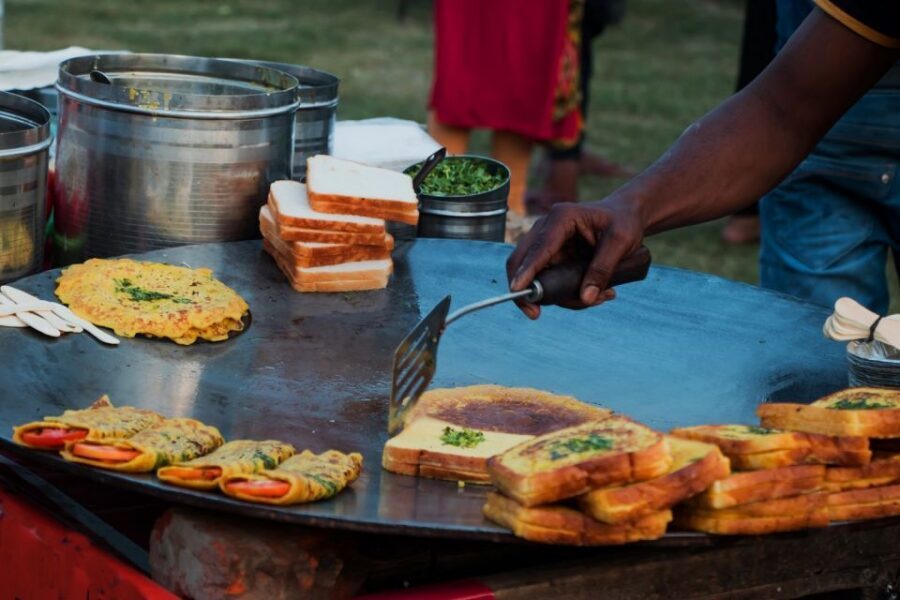
- Masala chai in a clay cup gives you a simple, local pause that’s part of the experience, not an afterthought.
- Temple stops add context for why the city has the name it does and how daily life mixes with faith.
- Chor Bazaar and antiques streets shift the tone from shopping frenzy to browsing history and objects.
- Crawford Market’s Gothic and Romanesque architecture turns the final stop into more than just food shopping.
Why Mumbai’s markets are the fastest way to read the city
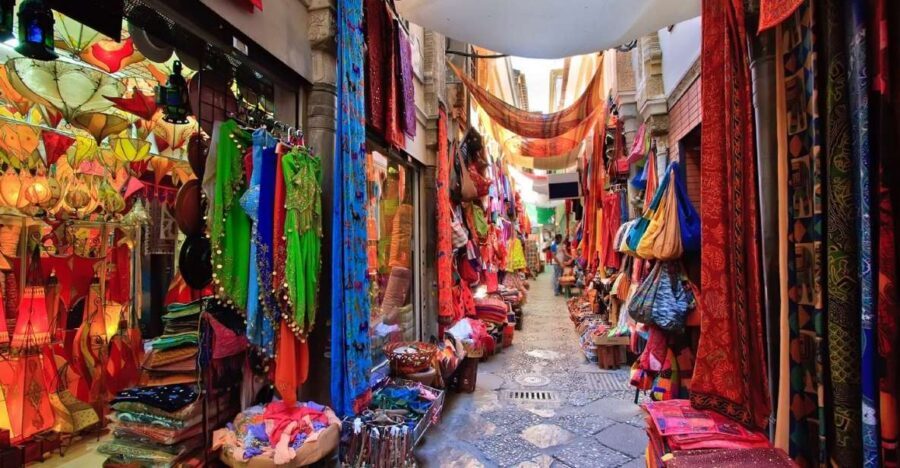
Mumbai doesn’t do “museum-style history” well. Markets are where the city’s rhythm lives: daily needs, religious items, clothing, and crafts all share the same streets.
This tour is smart because it connects that street-level reality to landmarks. You’ll start at a temple setting, then move through markets that feel like different worlds stacked next to each other. That contrast is the whole point.
You also get guided navigation through lanes that you could miss if you just wander. A good guide helps you notice what matters—what a place sells, how people move, and why certain stalls and bazaars became known.
You can also read our reviews of more tours and experiences in Mumbai.



Price and what $18 buys you in a 2-hour walk
At $18 per person for a 2-hour private-group walking tour, you’re mainly paying for three things: a guide, route planning, and access to the “how to see it” details. The stops cover multiple major market areas plus temple visits, which is tough to string together on your own without spending extra time figuring out where to go.
You’ll also get practical local tips and recommendations, and the tour includes “personalized recommendations,” which matters when you want the right direction for shopping, snacks, or just good photo angles outside restricted areas.
Is it a bargain? It’s priced for a guided experience, not a long day of transit. If your goal is quick, high-density city texture, this works.
Meeting point, route feel, and what to pack for market walking
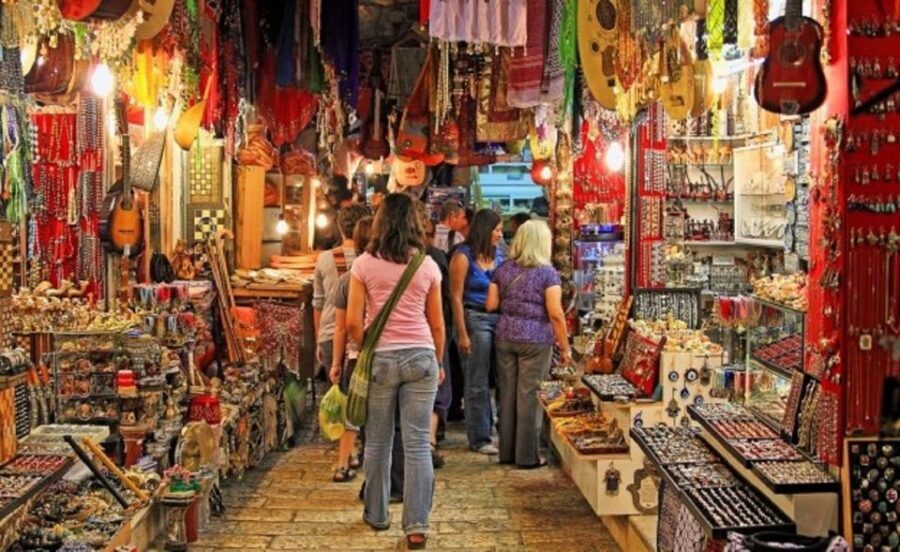
You meet at Café Coffee Day, VT Capital Cinema Building, Noor Fort, Mumbai. From there, expect short walking legs between stops—mostly on foot, through crowded commercial streets.
Bring comfortable shoes first. Then bring a sun hat, sunglasses, and sunscreen—because even a 2-hour plan can feel like a lot when you’re standing near street-level activity and browsing shop fronts.
One more practical note: no luggage or large bags are allowed. Keep what you carry light and easy, especially since you’ll likely want your hands free for lane turns and quick browsing.
Shri Swaminarayan Mandir Vadtal: starting with faith before you shop
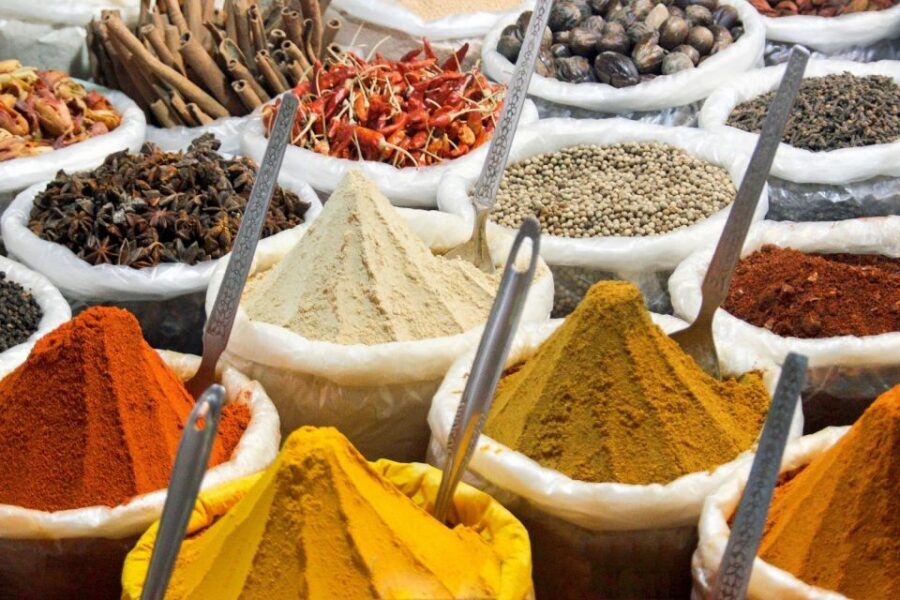
The tour begins with Shri Swaminarayan Mandir Vadtal, described as the headquarters of the Shri Laxmi-Narayan Dev Gadi. Starting here gives the walk a different tone than jumping straight into commerce.
Even if temples aren’t your main interest, this stop helps you frame what you’re about to see: markets in Mumbai aren’t separate from belief. Pooja items, rose petals, religious supplies, and prayer-linked routines show up again and again once you’re deeper in the bazaars.
Also watch the rules. Photography may be restricted inside temples, so if you care about photos, be ready to rely more on observation than shooting.
Bhuleshwar Market: where one street sells everything
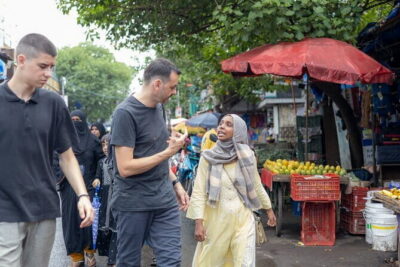
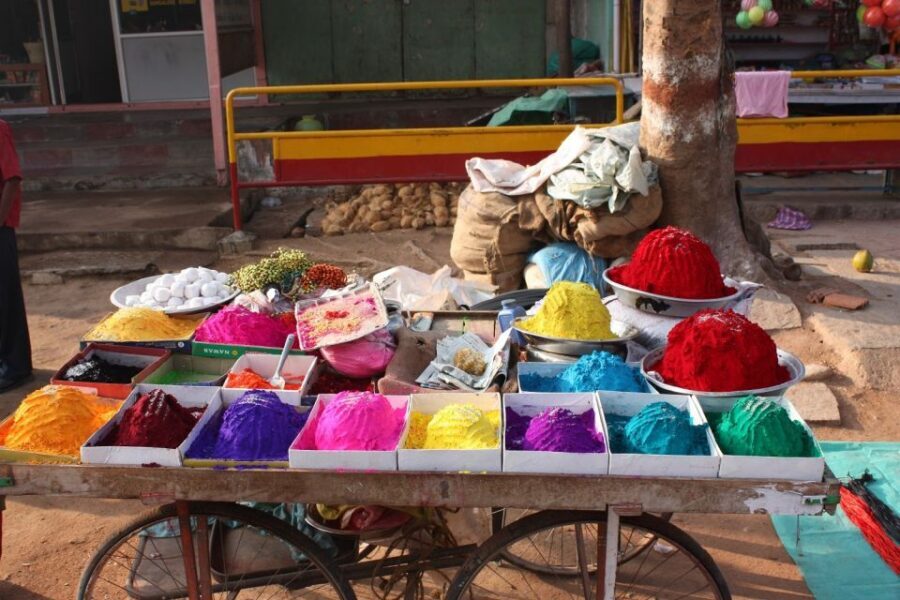
Next is Bhuleshwar Market, a stop designed for sensory overload in the best way. You’ll spend time shopping and walking through a mix of goods: fruits and vegetables, imitation jewelry, religious and pooja items, rose petals, household items, and cloth accessories.
This is where the guide earns their fee. Without someone to point things out, it can turn into pure chaos. With a guide, the same street becomes categorized and readable: you start noticing patterns in what stalls cluster together and how shoppers move.
If you want to practice market-browsing skills—how to look without rushing, how to compare, how to ask without getting flustered—Bhuleshwar is a great training ground.



Mumba Devi Temple: the name behind Bombay
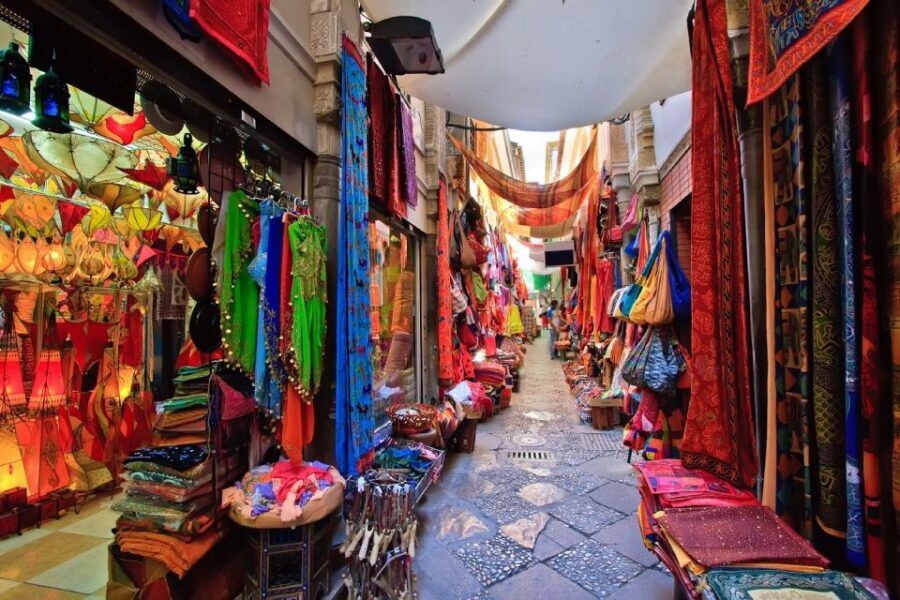
Then the route shifts to Mumba Devi Temple, noted as the place where the city got its name. This stop adds a layer that most market tours skip: meaning.
Markets are noisy; temples are quieter. That contrast helps you reset your head. You’ll come back to the bustle of bazaars with a better sense of why certain items show up where they do.
If you’re worried about photography restrictions, remember this: you’re still on a short walk, and temple rules are part of the respect here. Plan to watch first, click second.
Zaveri Bazaar: jewelry on a scale most people don’t expect
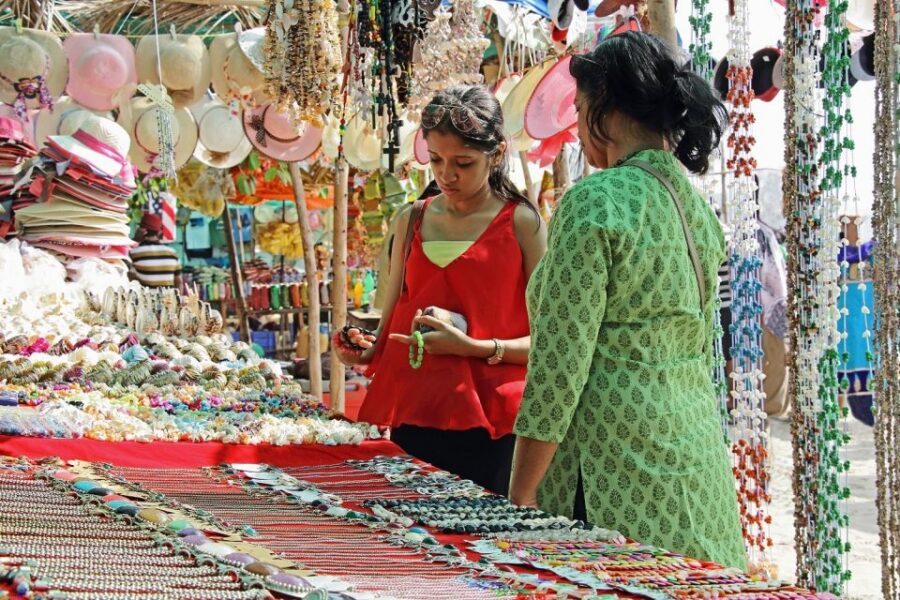
After temple and names come glitter and gold—Zaveri Bazaar, described as the largest jewelry market in Mumbai. Expect sparkling ornaments, jewelry, glittering gold, and stones that catch the light from nearly every angle.
This stop isn’t just about buying. It’s about seeing how a specialized market works. When you walk through a jewelry hub like this, you get a sense of supply chains, craftsmanship, and customer expectations—everything focused on one category of trade.
A practical tip: jewelry shopping streets can get intense. Keep your questions simple, decide what you want to look at (designs? stones? workmanship?), and don’t let the volume push you into anything you didn’t plan.
If you’re sensitive to sales pressure, set your boundaries with your guide at the start of the jewelry stretch. One low-rating experience mentioned a drive toward purchases later in the tour, so your best move is to communicate early and be clear that browsing is your goal.
Kalbadevi to Chor Bazaar: switching from new goods to “found history”
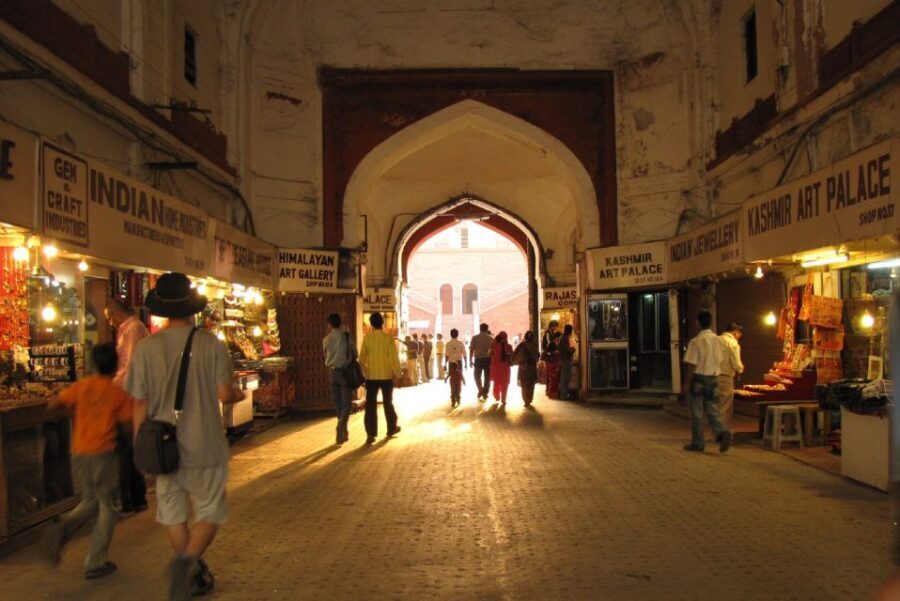
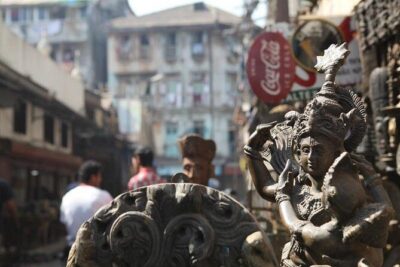
You’ll pass through the streets of Kalbadevi on the way to Chor Bazaar, famous for antiques and furniture. This is a noticeable shift in mood: the tour goes from mainstream retail energy to browsing as a kind of detective work.
Chor Bazaar is the kind of place where you can waste time in the best way—if you like old objects, unusual furniture, and the stories that artifacts might hint at. The guide helps here too, because knowing what’s worth pausing for saves time when the lanes get crowded.
Budget tip for antiques streets: treat first visits as a scouting trip. If something catches your eye, ask questions about what it is and what condition looks like, but don’t let the first price become the last word.
Mangaldas Market: silk and cloth since 1893
Next is Mangaldas Market, known for silk and cloth and said to have opened in 1893. That date matters, because it signals continuity. This isn’t a pop-up market vibe; it’s a trade zone that has kept evolving while staying focused.
Here’s what I like about ending up in textile country after jewelry and antiques: it rounds out the picture of daily life in the city. Clothes, fabrics, and tailoring-related browsing connect directly to what you’ll also see in pooja items and household goods back earlier in the walk.
If fabric and clothing don’t sound exciting, consider this stop anyway. Even a quick look teaches you how market economies sort themselves—jewelry and cloth have different buyers, different display styles, and different language used around goods.
Crawford Market: Gothic-Romanesque architecture plus food shopping
Finish time brings you to Crawford Market, described as South Mumbai’s most famous market. This stop stands out because the building itself is a highlight, with Gothic and Romanesque architectural style.
Inside, you’re not just shopping blindly. You’ll find fruits and vegetables, delicious imported cheese, and homemade chocolate. That means your last segment is practical: if you want snacks or edible souvenirs, this is where the tour makes it easy.
One more note: food markets can be busy and slow in waves. The guide can help you move efficiently and also point out where you’ll spot the most interesting things without getting stuck behind crowds.
How the guide makes or breaks a market tour
This tour’s best ingredient is the human one. Reviews praise guides such as Nisar for being friendly, careful, and clear—plus for waiting at the end until your driver picks you up. That kind of follow-through matters when you’re stepping out of a market maze into a street that can feel overwhelming.
You’ll also get local tips and recommendations, including personalized suggestions. That’s useful because markets are full of options. A guide helps you avoid random spending and instead focus on what you came for—whether that’s chai, a quick browse, or specific categories like jewelry, cloth, or antiques.
Want to get the most value? Ask your guide one simple question at the start:
What do you recommend I look at first, and what should I skip if I don’t want to buy?
You control the pace. A good guide should respect that.
Price and pacing: who will enjoy this most
This is best for people who like walking and want a concentrated taste of Mumbai’s commerce and faith without planning the route yourself. If you enjoy street scenes, market browsing, and short landmark stops, you’ll probably feel like you “got the city” fast.
It’s also good if you want a private group feel. You’ll have more flexibility to ask questions and adjust how long you linger in certain shops.
On the other hand, it isn’t for everyone. It’s listed as not suitable for wheelchair users and not suitable for pregnant women. Also, keep in mind that some shops only accept cash, and festivals can make crowds worse.
Should you book the Magical Mumbai Markets Tour?
Book it if you want a tight, organized walk through Mumbai’s major market districts, with temple context and real guidance through crowded lanes. The value is strongest when your priority is seeing multiple markets in one go, plus getting local tips and a chai stop that feels genuinely part of daily life.
Skip it if you’re very sensitive to shopping pressure or you need a slower, less crowded route. And before you go, be clear about your preferences—browsing only, no purchases, and any photo boundaries you have for temple interiors.
If you match the tour’s style—comfortable shoes, curiosity, and willingness to walk through lively streets—this is an excellent $18 way to understand Mumbai beyond the main sights.
FAQ
Where is the meeting point for the tour?
You meet at Café Coffee Day, VT Capital Cinema Building, Noor Fort, Mumbai.
How long is the tour?
The tour lasts 2 hours.
What languages does the guide speak?
The live guide speaks English and Hindi.
Is this a walking tour?
Yes, it’s a walking tour, and comfortable shoes are strongly recommended.
Is masala chai included?
The tour includes a stop where you can sip masala chai in a clay cup.
Do I need to bring a water bottle?
Water bottle is not included, so you may want to bring your own.
Are luggage or large bags allowed?
No. Luggage or large bags are not allowed.
Does the tour run in rain or shine?
Yes, the tour operates rain or shine.
Is photography allowed inside temples?
Photography may be restricted inside temples, so be ready for limitations.