REVIEW · MUMBAI
Mumbai: Dharavi Slum Walking Tour with Options
Book on GetYourGuide →Operated by Reality Tours and Travel Private Limited · Bookable on GetYourGuide
Dharavi changes how you see cities. This small-group walking tour shows the real engine of Dharavi—local recycling, pottery, leather work, and more—while debunking the stereotypes with a guide who knows the neighborhood. I especially like the 80% profit support for education-based community initiatives, and I love that the access stays non-intrusive and community centric. The main drawback to plan for is physical: expect tight, sometimes hot alleys that can feel claustrophobic.
What makes this experience feel worth your time is the balance of clarity and respect. You’ll get a safety briefing, you’ll walk with purpose (not rubbernecking), and there’s a strict no-photography rule to protect resident privacy. Guides I’ve heard praised by name—like Leena, Rishi, and Divia—tend to make the story personal without turning people into a spectacle.
In This Review
- Key Highlights Worth Your Time
- Dharavi’s Real Economy, Not the Movie Version
- Getting Oriented: Starting Points and the First Safety Brief
- The View Point Stop: Seeing Scale Above the Alleys
- Navrang Compound to Gokulam Store: Workspaces You Can Actually Understand
- Reality Gives Mumbai: Where Skills and Literacy Enter the Story
- Kumbhar Wada: A Traditional Craft Stop You’ll Remember
- The Second Class Segment: Understanding the Community Questions
- Lunch Option in Dharavi: When You Eat Inside the Story
- How the Profit Model Works: 80% Reinvested Locally
- Respect Rules That Keep the Walk Ethical (and Smooth)
- Price and Timing: Is $20 Worth 2.5–3.5 Hours?
- Who Should Book This Dharavi Walking Tour
- Should You Book This Dharavi Tour?
- FAQ
- FAQ
- Where do I meet for the Dharavi walking tour?
- How long is the walking tour?
- Is the tour guided in English?
- What’s included in the price?
- Is lunch provided?
- Is photography allowed during the tour?
- What should I wear?
- Are baby strollers allowed?
- Is the tour wheelchair accessible?
- What if I want to cancel?
- Where does the tour drop you off?
Key Highlights Worth Your Time
- Small groups (up to 6) keep the walking pace human and the conversation real
- An education-first impact model where 80% of profits get reinvested locally
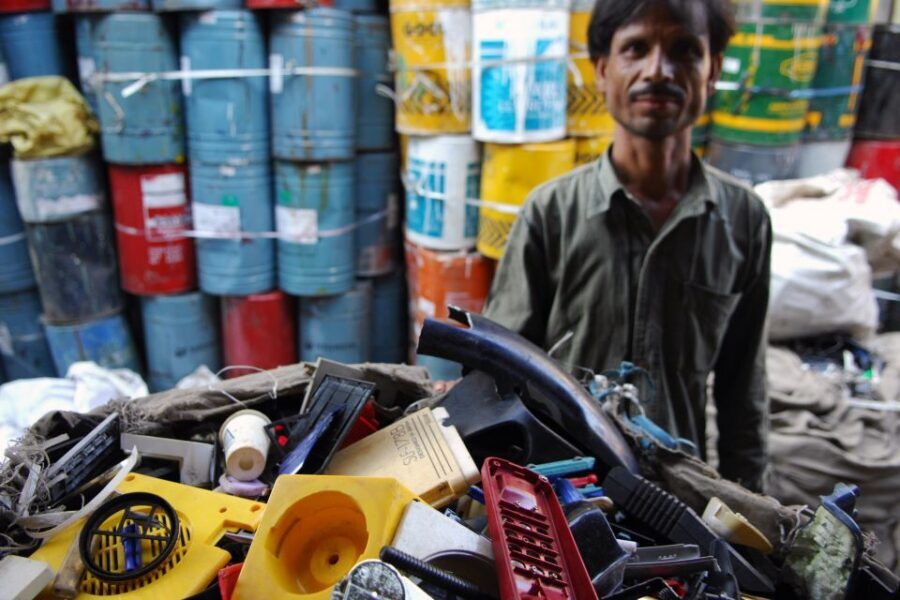
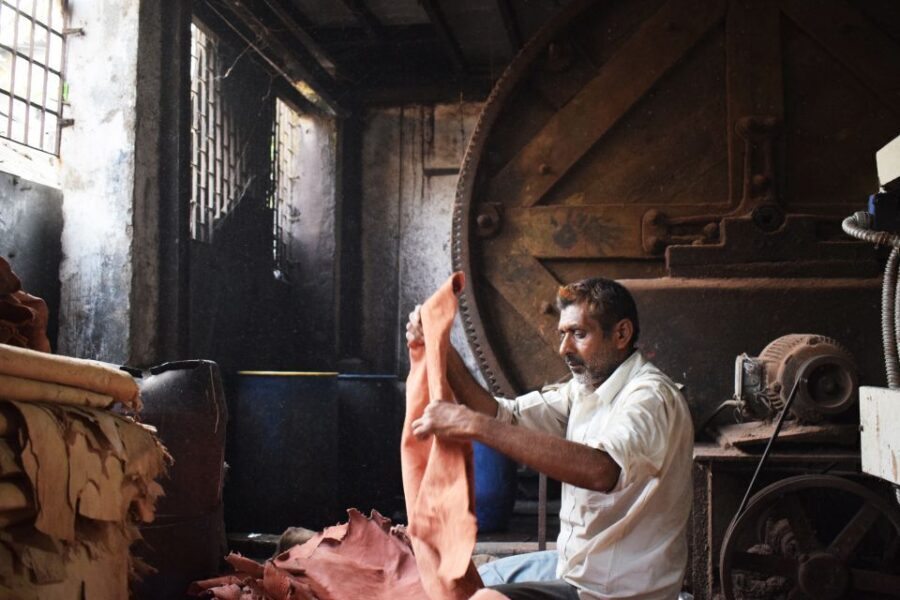
- Hands-on views of trades like pottery, embroidery, soap making, and leather tanning
- A rooftop or view point moment to understand the scale of the settlement
- Religion and community in close quarters as temples, mosques, churches, and pagodas sit side by side
- Respect rules you actually follow (modest dress, no strollers, no photos)
Dharavi’s Real Economy, Not the Movie Version
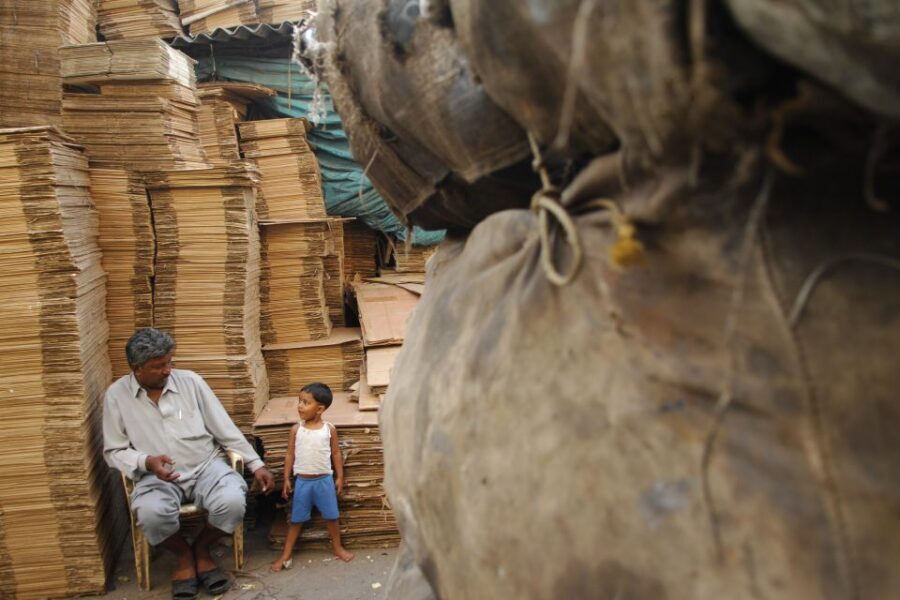
Dharavi is often reduced to a single dramatic label: slum. This tour pushes back on that, gently but firmly, by showing you what people build, repair, recycle, and produce day after day.
The big idea here is that Dharavi works like an economy with a pulse. The neighborhood is home to about one million residents, and it’s known for thousands of small businesses—an estimated 20,000—with an annual turnover figure mentioned around $1 billion. When you see industries like recycling, pottery-making, embroidery, soap making, bakery work, poppadom-making, and leather tanning, the stereotypes start to look too simple.
That shift is what I like most. You don’t just learn facts; you watch how trades connect to materials, skills, and customers. And you understand why “slum” doesn’t capture the entrepreneurial effort happening street to street.
You can also read our reviews of more walking tours in Mumbai


Getting Oriented: Starting Points and the First Safety Brief
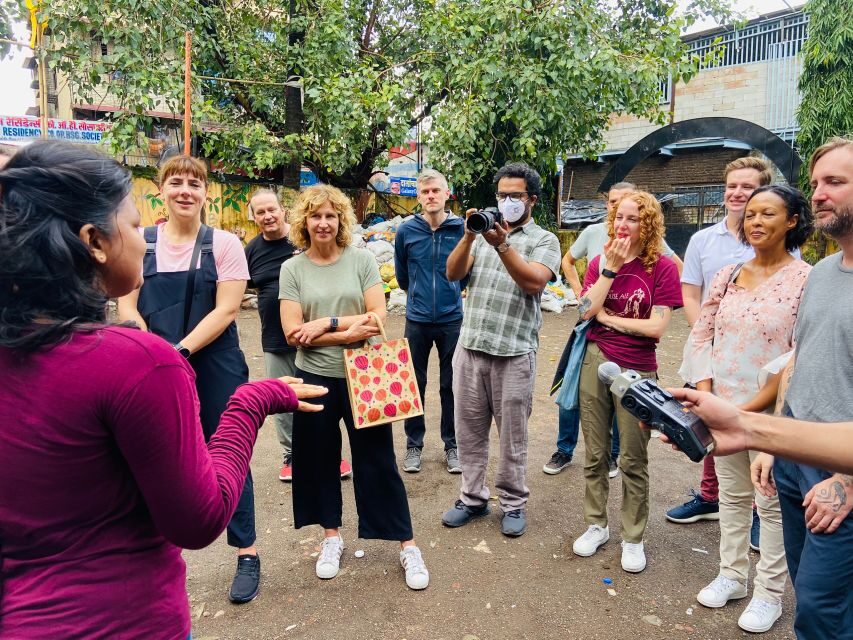
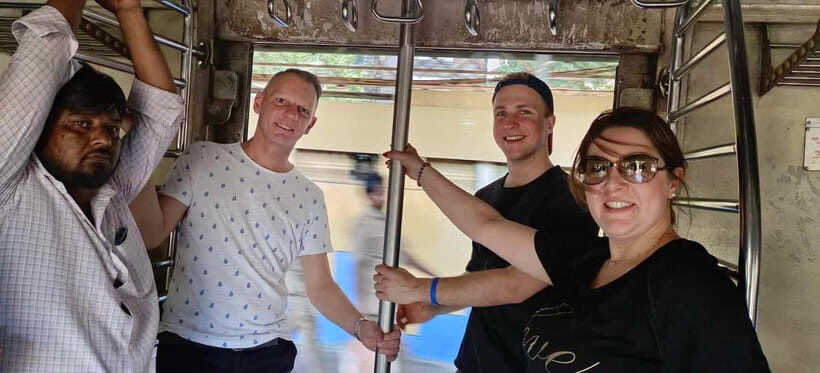
The tour is designed to move you through Dharavi at walking speed, not bus-tour speed. You can start from one of three meeting points: Churchgate, Mahim Junction Railway Station (Mahim Junction), or Mahim railway station. Meeting point details can vary depending on what you booked, so double-check your exact location before you set out.
Before the walk really begins, there’s a safety briefing and a sense of how to behave in narrow, busy spaces. That matters because Dharavi isn’t a staged attraction. It’s a living community, so the tour rules aim to keep the experience respectful and low-impact.
If you’re thinking about timing, plan to bring a calm mindset. This is practical walking in dense alleys, not a photo shoot, and it’s easier when you’re ready to move with your guide.
The View Point Stop: Seeing Scale Above the Alleys
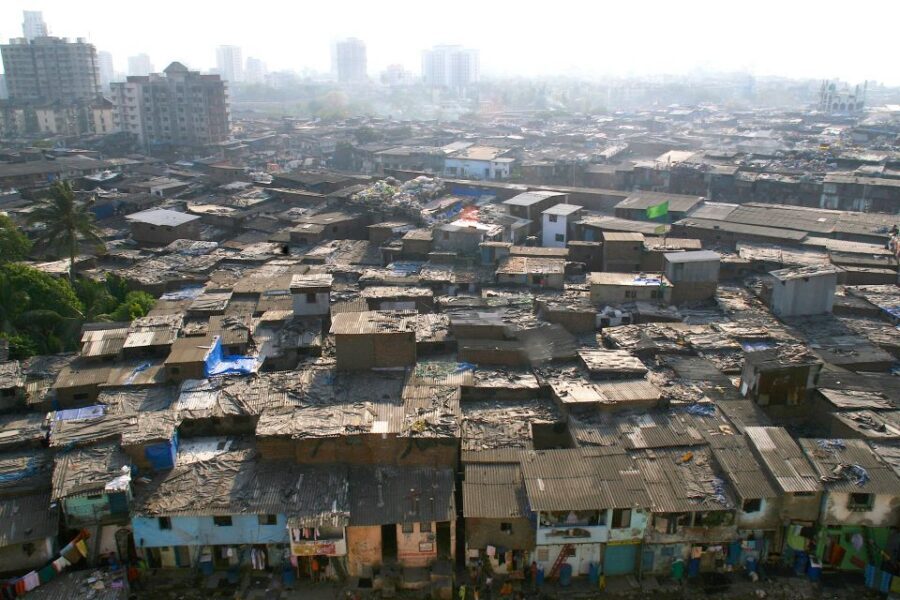
One of the first meaningful moments is the view point stop. You’ll get a guided look, you’ll walk, and you’ll likely end up with a wider perspective—there’s even mention of climbing to a rooftop to understand the settlement from above.
From street level, Dharavi can feel like a maze—small lanes, close buildings, and constant movement. From a view point, the same maze becomes geometry: blocks, rooftops, and the sheer closeness that makes this place unlike typical city neighborhoods.
This is also a good “mental reset.” It helps you understand why the rest of the walk feels so intense. By the time you’re back down at alley level, you’re not just seeing chaos—you’re seeing density and the everyday work that density supports.
Navrang Compound to Gokulam Store: Workspaces You Can Actually Understand
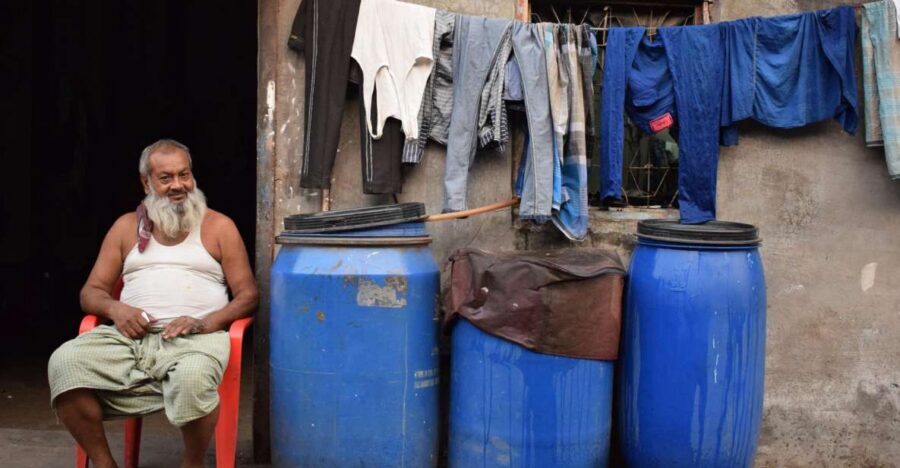
After the view point, the route goes toward Navrang Compound, then into Gokulam Store. These stops are guided and include time to look, ask, and absorb what’s happening in small-business spaces.
At Navrang Compound, you spend about 30 minutes with the guide, including sightseeing and walking through the area. This part helps you understand how Dharavi operates in layers: not just one industry, but many overlapping trades in close proximity. The goal isn’t to label everything like a museum tag—it’s to help you recognize patterns in how materials flow and how skills are passed along.
Then Gokulam Store comes with about 20 minutes for guided sightseeing and walking. Because it’s tied to local work, it’s easier to grasp what “industry” means here. You’re not looking at a single factory; you’re getting glimpses of the supply chain mindset that makes small-scale production possible.
A practical note: these are still streets and businesses. Wear closed-toe shoes and keep your footing careful. Even without rain, some parts can be dirty, and during the monsoon months (roughly June to mid-September) it can be wetter underfoot.
Reality Gives Mumbai: Where Skills and Literacy Enter the Story
A short but important stop is Reality Gives- Mumbai. You’ll spend around 5 minutes in a class-style segment, along with guided context, and you’ll continue walking afterward.
This part matters because it ties your visit to a reason beyond awareness. The tour concept is that your money supports education-based community initiatives. The information shared here focuses on giving people practical skills—especially useful literacy and training needs—so the support isn’t abstract.
You’ll also hear (through the guide’s explanation) how migrants and families settled into Dharavi, then built livelihoods inside the community. It’s not a smooth origin story; it’s complicated. That complexity is part of the point: people arrive with hope, adjust to constraints, and often find ways to turn skills into income.



Kumbhar Wada: A Traditional Craft Stop You’ll Remember

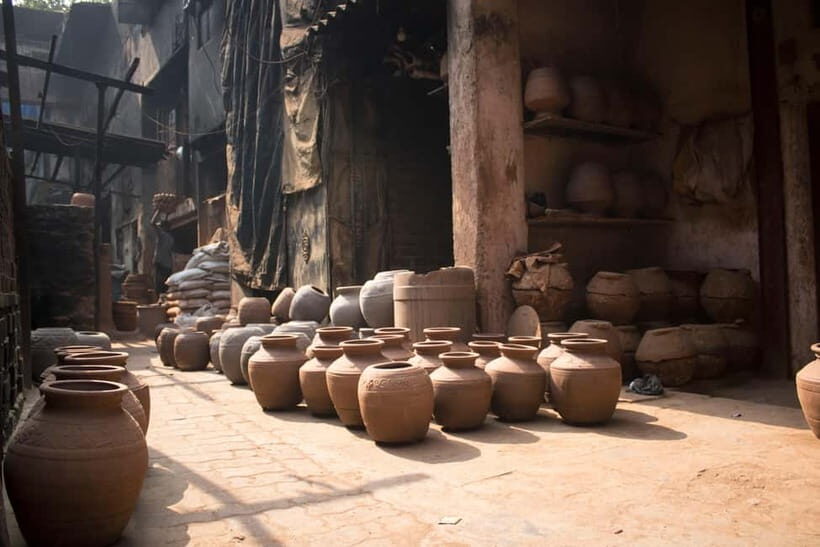
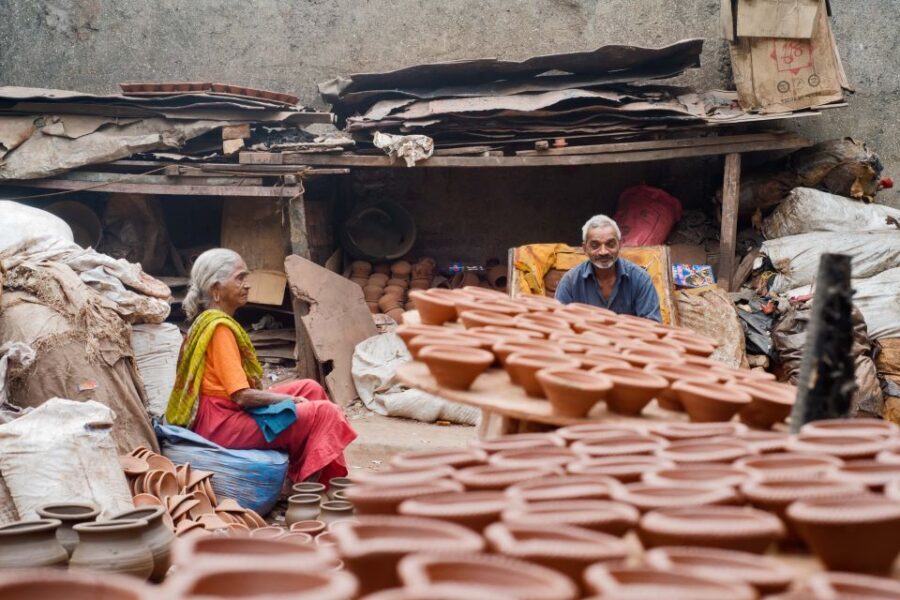
Next up is Kumbhar Wada, with about 15 minutes for a visit that includes a guided component and then self-guided time. This is the craft section that many people leave talking about because it feels tangible: pottery is one of those industries that you can imagine even before you see it.
Kumbhar Wada is also useful for understanding scale. Crafts aren’t separate from the rest of Dharavi; they sit inside the living fabric. You’re walking through a neighborhood where work happens close to homes, with daily rhythms you can feel just by watching people move.
The self-guided chunk is a nice touch. It gives you a chance to look closely at details and ask yourself what questions you’d like your guide to clarify.
The Second Class Segment: Understanding the Community Questions
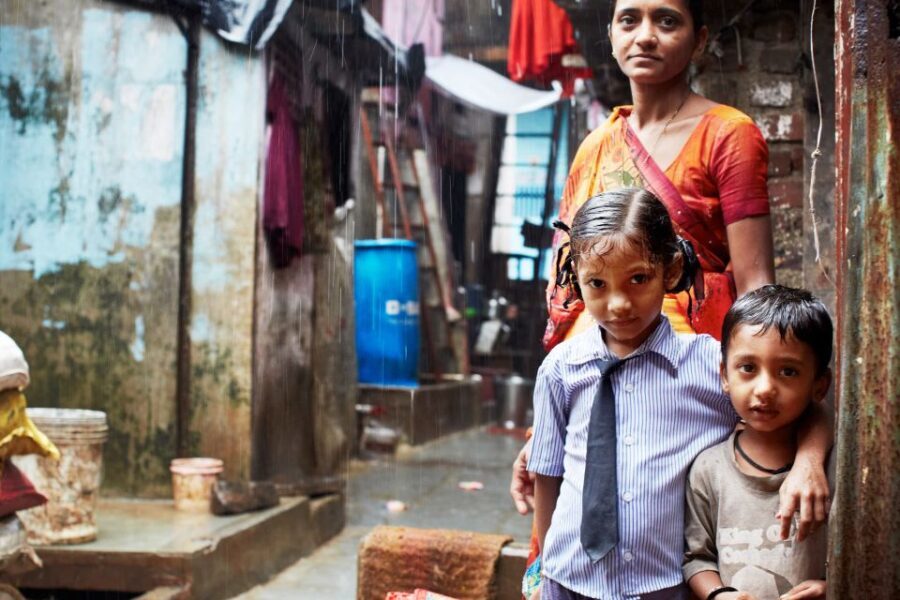
There’s another class stop later on, around 20 minutes. This is where the tour usually does its best work: it answers what you’re likely thinking while walking through dense spaces.
You’ll get clarity on complex issues around the area and its communities. The tour also aims to debunk negative stereotypes of slums, including the idea that Dharavi is only hardship. Your guide explains entrepreneurship, the role of local businesses, and how the neighborhood functions as a microcosm of India.
That “microcosm” idea isn’t a slogan. You’ll see it in everyday religious variety: temples, mosques, churches, and pagodas standing close together. In a city of millions, Dharavi shows how different communities share space, adapt, and keep going.
Lunch Option in Dharavi: When You Eat Inside the Story
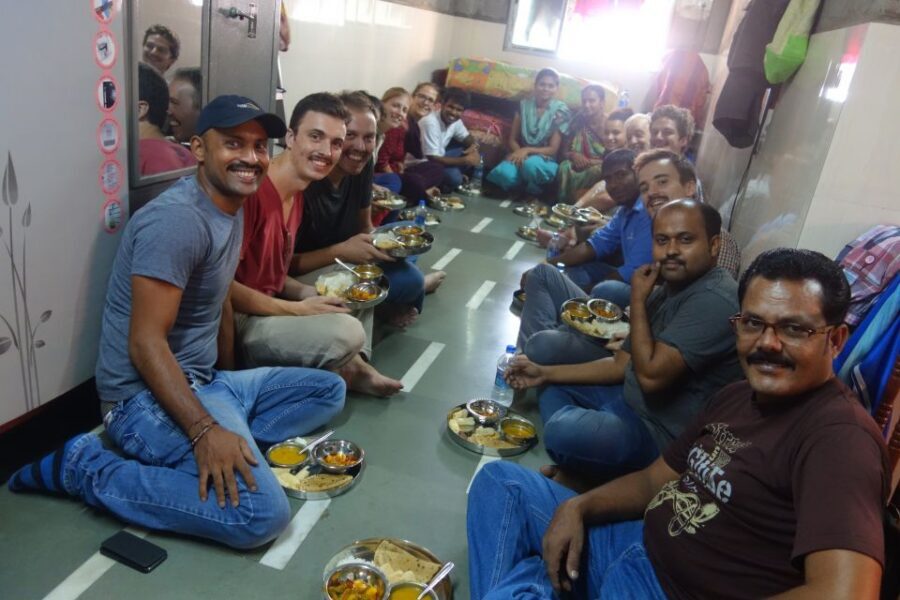
If you choose the lunch option, you’ll spend about 35 minutes eating regional food as a family opens their home to you. This isn’t just “add food.” It’s one of the clearest ways to understand that Dharavi life includes hospitality and routine, not just production.
Eating as part of the tour also creates a different kind of conversation. You tend to notice how people manage daily life when their home and work space overlap. And you see that your role isn’t to consume an experience—it’s to participate carefully.
If you want more arts-related context instead, there’s also mention of a street walk focused on exploring art. That option can add a visual layer to the story, especially if you’re the kind of traveler who likes meaning you can read in walls and symbols.
How the Profit Model Works: 80% Reinvested Locally
The tour doesn’t position itself as charity tourism. It’s more specific than that: 80% of profits are re-invested in educational community initiatives.
I like this approach because it keeps the impact tied to long-term needs—literacy, skills, and education—rather than one-off handouts. It also helps explain why the tour tries to be respectful and community centric. When a community benefits directly, you’re more likely to see guides and operators treat residents as partners, not exhibits.
This also helps you judge value when you consider the price. At $20 per person for 2.5–3.5 hours, you’re paying for more than walking and explanations. You’re funding a model where local education gets supported, and you’re buying a guide’s time, route planning, and safety guidance inside a real neighborhood environment.
Respect Rules That Keep the Walk Ethical (and Smooth)
This tour has clear behavior guidelines, and they’re not just legal fine print. They’re practical and they help the walk stay comfortable for you and residents.
You’ll need to wear modest clothing—no low-cut or sleeveless tops, and no short shorts. Baby strollers aren’t allowed, and the tour isn’t suitable for wheelchair users. Also, use comfortable closed-toe walking shoes, because some areas can be dirty and it may be worse during monsoon months.
The strict no-photography policy is especially important. It’s easy to assume taking a few photos is harmless, but in close living spaces, privacy matters. Plan to experience with your eyes and your questions, not your camera roll.
Price and Timing: Is $20 Worth 2.5–3.5 Hours?
At $20, the math works out best when you view this as a guided neighborhood walk with meaningful impact. You’re getting an English-speaking local guide, water/cold drink, and lunch if you pick that option.
Time-wise, the 2.5–3.5 hours range is realistic for Dharavi. The route includes multiple stops, guided segments, a view point moment, a craft area, and education context—so it won’t feel like a rushed “look once and go” experience.
One more thing: the group size is capped at up to 6 people, and you might be joined by other tourists on the same walking tour. That’s worth noting. If you prefer quiet, one-on-one experiences, this might not feel like that. If you like conversation and shared learning, small group size is a big plus.
Who Should Book This Dharavi Walking Tour
This is a strong choice if you:
- want responsible, education-linked tourism in Mumbai
- enjoy understanding how everyday industries work up close
- like guides with lived knowledge, not just generic facts
It’s also a good pick if you’re traveling with a mindset shift. Dharavi isn’t comfortable in the way a gallery is. It’s challenging in a human way. You’ll get more out of it if you’re ready to be respectful, ask questions thoughtfully, and keep your expectations grounded.
If you’re claustrophobic or easily overwhelmed by heat and tight spaces, consider that as your main caution. The walk through narrow alleys is a core part of how you understand the place.
Should You Book This Dharavi Tour?
Yes, if you want a practical, guided look at Dharavi’s economy and community life that pays attention to impact. The small-group format, the education-focused profit model (80% reinvested), and the way the tour connects industries to people are the reasons this doesn’t feel like a quick spectacle.
If you want guaranteed comfort, this might not be your match. You’ll be walking in dense areas with potential dirt, and the tight alleys can feel intense. Go prepared: shoes ready, clothing modest, camera stayed away.
If you’re unsure, I’d suggest booking with the mindset that this is a learning walk. Treat it like you’re visiting a working neighborhood, not touring a set.
FAQ
FAQ
Where do I meet for the Dharavi walking tour?
Meeting points can vary based on the option you book. The tour offers start locations including Churchgate, Mahim Junction Railway Station, and Mahim railway station.
How long is the walking tour?
The duration is about 2.5 to 3.5 hours, depending on the starting time and chosen option.
Is the tour guided in English?
Yes. The tour includes a local English-speaking guide.
What’s included in the price?
The price includes a local English-speaking guide and water/cold drink. Lunch is included only if you choose the lunch option.
Is lunch provided?
Lunch is included if you book the option that includes it. The tour describes lunch as regional food, served in a family setting.
Is photography allowed during the tour?
No. There is a strict no-photography policy to respect residents’ privacy.
What should I wear?
Wear modest clothing. The tour specifies no low-cut or sleeveless tops and no short shorts. Closed-toe walking shoes are recommended.
Are baby strollers allowed?
No, baby strollers aren’t allowed.
Is the tour wheelchair accessible?
No. The tour is not suitable for wheelchair users.
What if I want to cancel?
The tour offers free cancellation up to 24 hours in advance for a full refund.
Where does the tour drop you off?
Drop-off is listed as two locations connected to Reality Tours & Travel. One listed address is 53, Sulochana Shetty Marg, RB2 Central Railway Quarters, Jain Society, Sion, Mumbai, Maharashtra 400022, India.