REVIEW · MUMBAI
Mumbai: Elephanta Caves Tour with Ferry
Book on GetYourGuide →Operated by Nine Tours · Bookable on GetYourGuide
A trip from Mumbai’s busy waterfront to ancient rock-cut caves feels like a time machine. The Elephanta Caves tour packs UNESCO history, local snacks, and strong storytelling into a realistic 4-hour window.
I especially like how the day balances big sights with breathing room for photos, and how your English-speaking guide turns the site into a story of dynasties, architecture, and place. The second thing I like is the food angle: you’ll get local snacks plus tea culture time, and your guide often brings practical ideas for what to eat after. One consideration: entry tickets and the ferry may cost extra depending on what you select, so check what’s included before you go.
In This Review
- Key Things to Know Before You Go
- Gateway of India to Elephanta: a 4-hour plan that fits real schedules
- Elephanta Caves: UNESCO setting, cave carvings, and the stories your guide connects
- The ferry ride: when sea conditions change the day
- Tea culture and local snacks: small breaks that make the tour feel like Mumbai
- Price and what you must budget: the real value check
- What happens at each stop: Gateway of India and your cave visit
- Who this tour suits best (and who might want a different option)
- Tips to make your Elephanta day easier
- Should you book the Mumbai Elephanta Caves Tour with Ferry?
- FAQ
- Where does the tour start and end?
- How long is the tour?
- Does the tour include the ferry ride?
- Is entry to the Elephanta Caves included?
- What are the entry ticket costs for foreigners?
- Does the tour include hotel pickup and drop-off?
- What food and drinks are included?
- Is lunch included?
- What language is the guide?
- Is there a cancellation policy?
Key Things to Know Before You Go
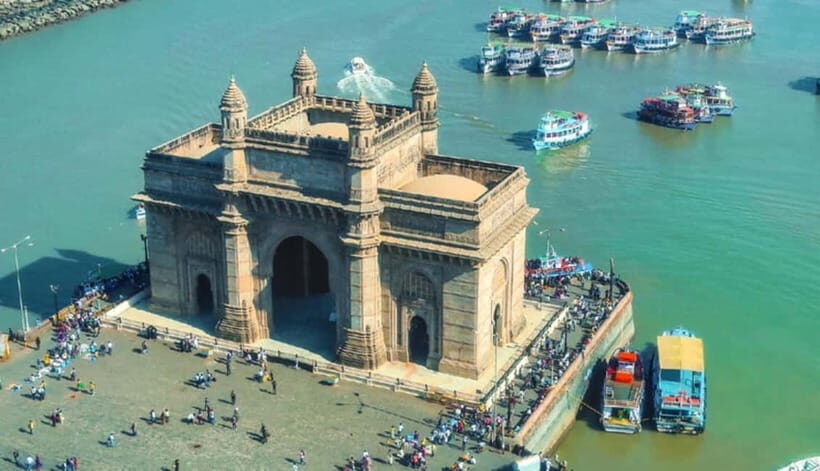
- Gateway of India sets the tone with an easy meetup and a full hour to take in the waterfront atmosphere.
- One focused hour at Elephanta keeps the pacing tight, with time to see the caves and photograph.
- Ferry ride depends on the option you choose, and weather can affect sea crossings.
- Tea and local snacks are part of the experience, not an afterthought.
- Guides like Kaushal bring the stories to life and often share smart food ideas for afterward.
- Add-on hiking and viewpoints can matter if your schedule and energy allow once you’re at the caves.
Gateway of India to Elephanta: a 4-hour plan that fits real schedules
This is a half-day structure that makes sense for Mumbai. You start at Gateway of India, then you get a set block of time to enjoy it before heading out. The timing is simple: about 1 hour at the Gateway, around 1 hour at Elephanta Caves, and about another 1 hour back around the waterfront before you finish where you started.
That pacing is important because it keeps the day from turning into a sprint. Mumbai can be intense, and sea travel can be unpredictable. So I like that the schedule has enough built-in time at the start and end that you’re not rushing between stops or scrambling for photos.
Also, you’re not going solo-style. You travel with an English-speaking guide who handles the flow and shares the context that makes a UNESCO site more than a checklist.
You can also read our reviews of more tours and experiences in Mumbai.



Elephanta Caves: UNESCO setting, cave carvings, and the stories your guide connects
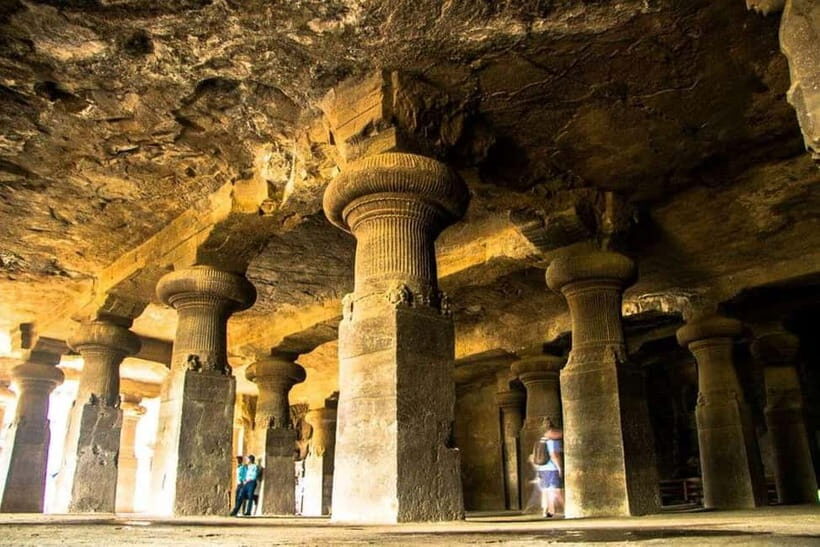
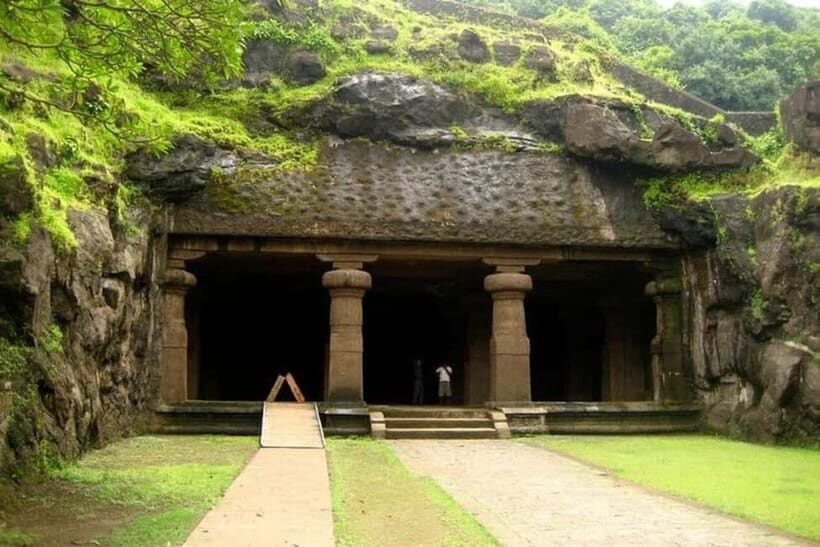
Elephanta is a UNESCO Heritage site, and your visit is designed around that. In one hour, you’re not trying to “do everything.” Instead, you focus on what makes the caves historically meaningful and visually impressive: the rock-cut structures, the sculptural details, and the sense of dynastic storytelling tied to how the site evolved.
What I like about the way this tour frames Elephanta is that it’s not just about what you see. Your guide is there to connect the monuments to the larger narrative of Mumbai’s past—especially the dynasties that once ruled and shaped the region. That’s where the site becomes memorable, because you start noticing patterns and themes in the carvings instead of just walking through stone rooms.
If you want a bit more payoff on the ground, there’s also the option to hike upward for viewpoints. One guide-led experience I was able to learn from included hiking up to the top for views over the city, with perspective toward both the East and West sides. Even if you don’t go far, the idea is good: Elephanta isn’t only about the caves inside. It also rewards you for stepping back and seeing the island and skyline relationship.
The ferry ride: when sea conditions change the day
The tour can include a ferry ride if you selected that option. That matters because the ferry is part of the whole mental shift: from Mumbai’s waterfront energy to an island arrival that feels more removed and focused.
Still, the sea has its own rules. Weather can cancel ferry crossings, and in situations like that, your guide may offer an alternate plan rather than leaving you stranded with no activity. In one instance, the scheduled Elephanta plan was disrupted by weather and the guide offered another caves option instead, with a focus on cave sculptures and a national-park setting. While that alternate timing and location isn’t guaranteed for every trip, it’s a useful reality check: you’re going for a UNESCO experience, but the sea can influence how that experience plays out.
Practical takeaway: don’t treat the crossing as a sure thing in every weather pattern. If your itinerary is tight, I’d still plan to enjoy the day you get, not just the day you hoped for.
Tea culture and local snacks: small breaks that make the tour feel like Mumbai
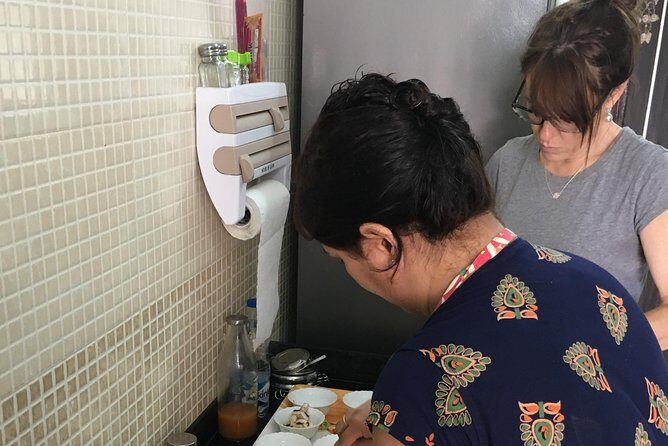
A lot of short tours forget food. This one doesn’t. You’ll have local snacks during the experience, plus time to taste and learn about local tea culture. That’s not just for comfort. It’s a fast way to meet the rhythm of the city, especially on a day that otherwise swings between waterfront and ancient stone.
I also like that your guide is positioned to recommend where to eat afterward. One of the standout patterns from guide experiences tied to this tour is the way the guide turns their knowledge outward. If you ask for what to eat near where you’ll be next, they can help you avoid the common tourist trap of repeating the same predictable menu everywhere.
So think of this tour as half sightseeing and half orientation. You’ll come away knowing a little more about what to try next.
Price and what you must budget: the real value check
The price is listed at $21 per person, and that’s a useful anchor. But you should evaluate value by separating what’s covered from what’s not.
Included:
- English-speaking guide
- Bottled water
- Local snacks
- Adequate time at each location and photography opportunities
- Flexibility and safety measures
- Ferry ride only if that specific option is selected
Not included:
- Hotel pickup and drop
- Entry tickets
- Lunch
- Alcoholic beverages
Entry tickets are listed as 760 for foreigner nationality. That matters because it’s the main add-on cost. If you plan the whole day around a single paid entrance and you skip lunch (or you plan to eat later), this tour can still be good value for a half-day guided experience with snacks and tea.
My advice: treat the $21 as the guided-service cost and plan on the ticket fee as the essential extra. Once you do that, you’re comparing fairly: you’re paying for a local guide, time at major points, and cultural context—not for a self-guided wander.


What happens at each stop: Gateway of India and your cave visit
Gateway of India (about 1 hour):
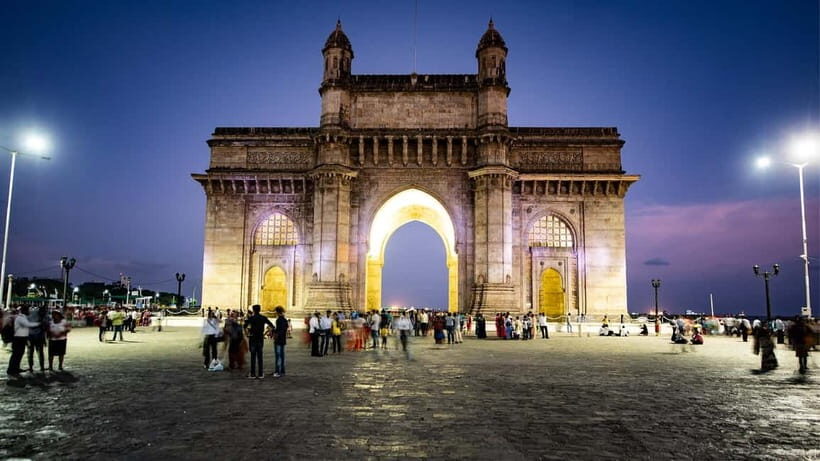
This start time is more than waiting around. It gives you a chance to orient yourself and get your bearings at one of Mumbai’s most recognizable waterfront landmarks. If the day feels chaotic when you arrive, that hour helps you reset. You’re also in a good position for photos, because the Gateway area naturally frames the sea and the city skyline.
Elephanta Caves (about 1 hour):
A single hour at the caves means you should walk with intention. Focus on the carvings and the spaces you’re guided toward rather than trying to “win” the clock. The guide’s storytelling is what turns a quick visit into something satisfying, so lean in during the key points.
You’ll also find that the environment can be active with wildlife and birds in the surrounding national-park context during cave visits (at least in similar guided caves experiences). Even if you can’t predict animal sightings, it’s a reminder that you’re not only in a monument zone—you’re also in a living landscape.
Return to Gateway of India (about 1 hour):
This wrap-up time is practical. After walking and being on site, you don’t have to instantly sprint to your next thing. You can use the hour to re-group, grab something to drink or snack again if you want, and get ready for your next Mumbai stop based on your guide’s recommendations.
Who this tour suits best (and who might want a different option)
This experience is ideal if you want:
- A half-day plan that doesn’t swallow your whole day in transit
- A guide-led UNESCO visit with context and stories, not just a ferry-and-go routine
- Local snacks and tea culture as part of the sightseeing day
- A compact route that’s easy to slot between other Mumbai plans
It’s also a strong pick if you enjoy asking questions. One guide-led example I learned about highlighted a conversational style where the guide was happy to share what they knew and also straightforward when they didn’t. That kind of honesty makes the tour feel more human and less scripted.
If you’re the type who wants a longer, slower cave exploration with lots of museum-style pacing, you might find the hour inside the caves tight. But for most people, that time box is exactly why this tour works: it’s realistic.
Tips to make your Elephanta day easier
Since the tour includes time at both the waterfront and the caves, keep it simple:
- Wear shoes you trust for uneven stone surfaces.
- Bring a small layer, because sea air can feel cooler than you expect.
- If you care about photography, plan to prioritize the key viewpoints your guide points out. A short visit rewards focus.
- Use the tea-and-snack time to pace yourself. Don’t wait until you’re tired to start slowing down.
And because ferry conditions can shift, I’d mentally prepare for small changes. Your guide’s job includes keeping the plan moving safely.
Should you book the Mumbai Elephanta Caves Tour with Ferry?
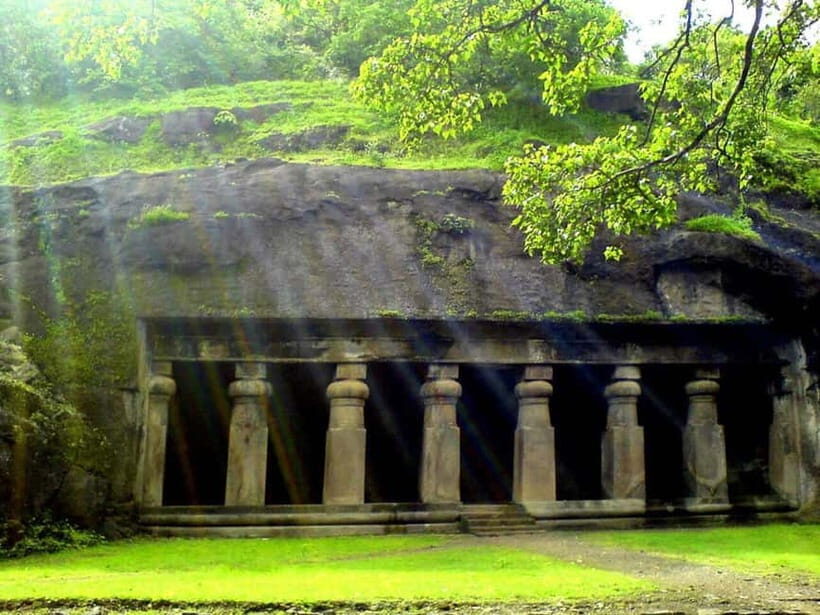
I’d book it if you want a guided UNESCO experience that stays time-efficient and feels grounded in local daily life. For the money, you’re getting a guide, snacks, bottled water, and enough time at Gateway of India to settle in—plus the chance to see the caves without turning the day into a long haul.
The main reason to think twice is cost clarity. Confirm whether your option includes the ferry ride, and budget for entry tickets (760 for foreigner nationality). If you want hotel pickup, you’ll also need to arrange your own way to the meeting point at Gateway of India.
If that fits your style, this is a solid way to spend a half-day in Mumbai: you’ll leave with stories, photos, and better instincts for what to do and eat next.
FAQ
Where does the tour start and end?
It starts and ends at Gateway of India Mumbai.
How long is the tour?
The duration is 4 hours.
Does the tour include the ferry ride?
The ferry ride is included only if that option is selected.
Is entry to the Elephanta Caves included?
No. Entry tickets are not included.
What are the entry ticket costs for foreigners?
Entry tickets are listed as 760 for foreigner nationality.
Does the tour include hotel pickup and drop-off?
No. Hotel pickup & drop are not included.
What food and drinks are included?
You get local snacks and local tea culture, plus bottled water.
Is lunch included?
No. Lunch is not included.
What language is the guide?
The guide is English speaking.
Is there a cancellation policy?
Yes. The tour offers free cancellation up to 24 hours in advance for a full refund.