REVIEW · MUMBAI
Mumbai Dharavi Slum, Dhobi Ghat & Dabbawala Lunchbox Tour
Book on Viator →Operated by Cityscape Mumbai Tours · Bookable on Viator
Mumbai doesn’t do sightseeing like anyone else. This tour walks you through three institutions that power daily life in the city. You get small-group time with a local guide, and you also follow the lunchbox network that keeps offices and families fed across Mumbai.
I especially like how the stops connect the dots between work, routine, and place. You’ll spend dedicated time at the Dhobi Ghat open-air laundry and then move into Dharavi, where everyday work and industry shape what you see. The main consideration: this route includes a slum community and an operating laundry area, so it can feel more real (and more intense) than typical “photo stop” tours.
In This Review
- Key highlights worth knowing
- A 3.5-Hour Route Through Mumbai’s Everyday Engines
- Starting at Churchgate: How the Meeting Point Helps
- Dabbawala Tribute Statue: The Lunchbox System That Runs Like a Clock
- Dhobi Ghat: Open-Air Laundry and the Reality of Daily Work
- Dharavi Slum Tour: Seeing Industry and Resilience Up Close
- Small Group Time and Local Guidance That Actually Changes the Visit
- Price and What You Truly Get for $18.33
- Practical Timing: What the 11:30 Start Means for Your Day
- What to Pack and How to Prepare for Three Very Different Places
- Who Should Book This Mumbai Tour, and Who Might Skip It
- Should You Book This Mumbai Tour?
- FAQ
- How long is the Mumbai Dharavi, Dhobi Ghat & Dabbawala Lunchbox Tour?
- How much does the tour cost?
- Where does the tour start and what time does it begin?
- Where does the tour end?
- What are the main stops on the tour?
- What admissions are included?
- What’s included in the price?
- Is alcohol included?
- How many people are in the group?
- Is there free cancellation?
Key highlights worth knowing
- Small group (up to 15 people) keeps the pace human and questions welcome
- Lunchbox delivery explained end to end through the dabbawala system
- Dhobi Ghat at work shows how a large laundry operation runs day to day
- Local-guide routing helps you visit places that are hard to find on your own
- Reasonable price with fees covered plus bottled water and transportation
- Mobile ticket means less hassle the day of the tour
A 3.5-Hour Route Through Mumbai’s Everyday Engines
This is the kind of Mumbai tour that doesn’t try to replace the real city with a script. The theme is simple: three working institutions that thousands of Mumbaikars rely on every day. If you’re curious about how a city runs on systems you never see from the outside, this hits the mark.
The best part is the shape of the tour. It’s short enough to feel focused, but long enough to understand what you’re looking at before you move on. And because it’s structured around people’s jobs—delivery, laundry work, and community-based industry—you end up with more understanding than just snapshots.
You’ll also get a clear sense of how connected the neighborhoods are. Even when you’re standing in one place, the tour keeps pointing back to what happens across the city.
You can also read our reviews of more tours and experiences in Mumbai.



Starting at Churchgate: How the Meeting Point Helps
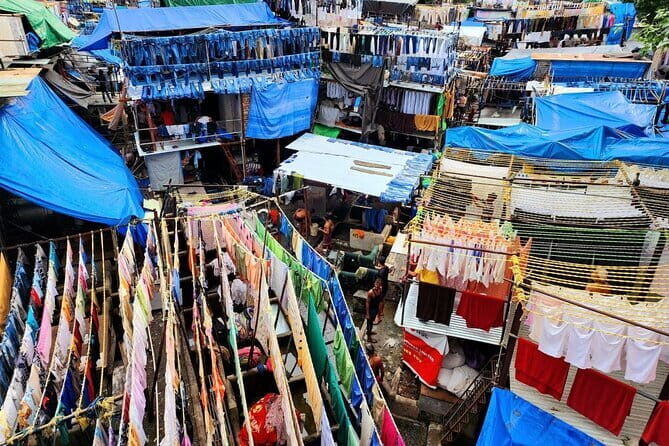
The tour starts at Burger King Express Building, Railway Station, Churchgate (Opposite Churchgate). It’s a smart choice because Churchgate is a major rail hub, so you can usually get there without complicated logistics.
The tour finishes at Third Wave Coffee, Tip Road, Unit no.58, Ground, Ram Mahal, Senapati Bapat Marg, Marinagar Colony, Station, Mahim—directly opposite Mahim Railway Station. That makes the ending feel easier: you’re placed near public transport instead of being dropped somewhere awkward far from lines.
If your day already includes other areas of South Mumbai, this timing can work well. Starting at 11:30 am also helps you avoid the early-morning rush while still having a big chunk of daylight left afterward.
Dabbawala Tribute Statue: The Lunchbox System That Runs Like a Clock
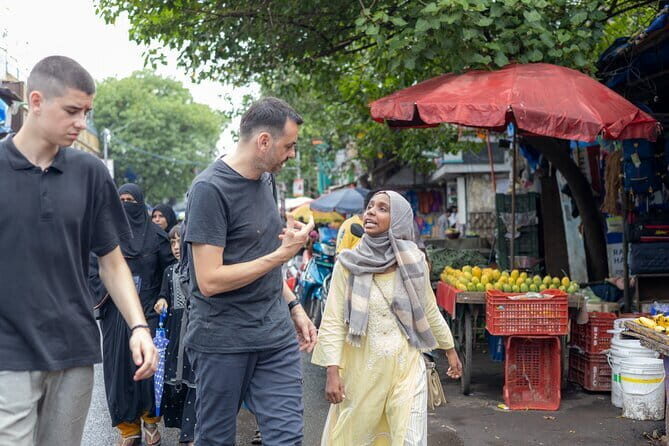
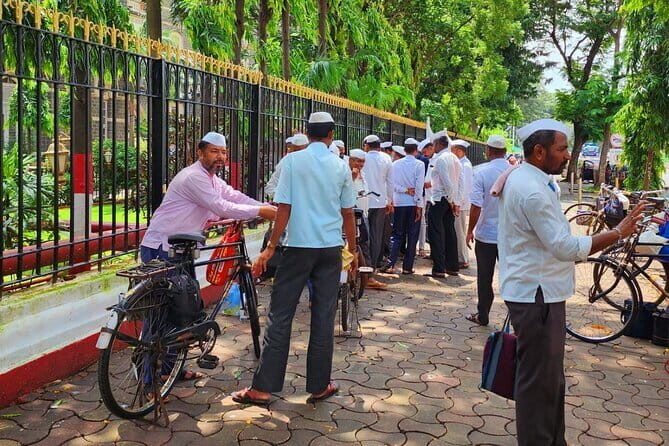
You begin at the Dabbawala Tribute Statue for a 40-minute stop focused on the dabbawalas. The big idea here is efficiency. For over 130 years, this lunchbox delivery network has transported thousands of meals across Mumbai with impressive consistency.
What makes this stop valuable is that it frames the dabbawalas as everyday heroes, not performers. You’re not just hearing the story as a legend. You’re getting a practical explanation of how the system works as an urban workflow—people, sorting, and handoffs that have to go right every day.
A dabbawala system works only because thousands of small actions line up. That’s why the tour’s first stop matters. It sets your mindset before you see other daily-work spaces later.
One small drawback to consider: if you’re hoping for hands-on participation or behind-the-scenes access into the actual delivery process, the tribute statue stop is still mainly an introduction. It’s a strong start, but it doesn’t pretend to be a full operational walkthrough.
Dhobi Ghat: Open-Air Laundry and the Reality of Daily Work
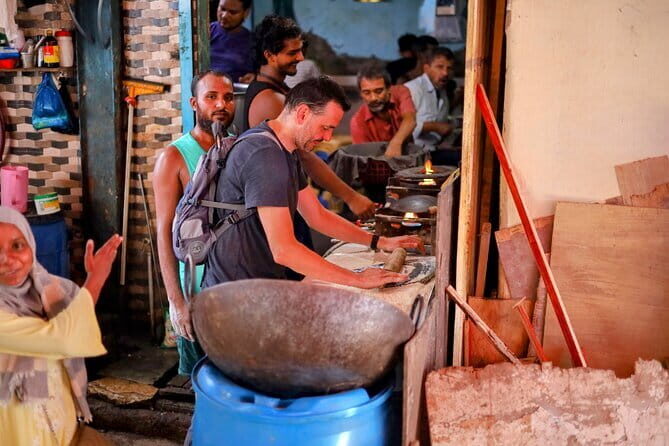
Next you head to Dhobi Ghat for about 35 minutes, with admission included. This is described as the world’s largest open-air laundry, where hundreds of washermen (dhobis) clean thousands of clothes each day.
The practical appeal of this stop is scale. You can stand there and instantly understand that this isn’t a small side business. It’s an organized, repeating workflow that has to handle volume and timing. Even if you don’t know laundry terminology, the system’s rhythm becomes obvious quickly.
I also like how the tour treats Dhobi Ghat as a living workplace rather than a “look from a distance” attraction. You’re there to understand labor and routine, which is exactly what you want when the tour theme is everyday Mumbai.
A consideration: open-air working areas can be visually intense, and you’re seeing real work happening. Wear comfortable shoes and keep your expectations grounded. This is about process and people, not polished surfaces.
Dharavi Slum Tour: Seeing Industry and Resilience Up Close
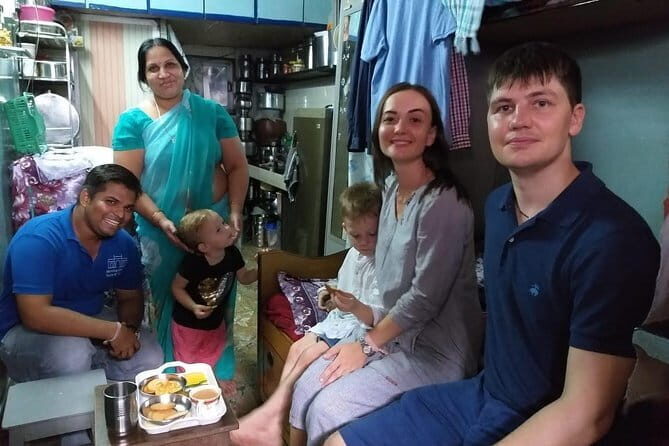
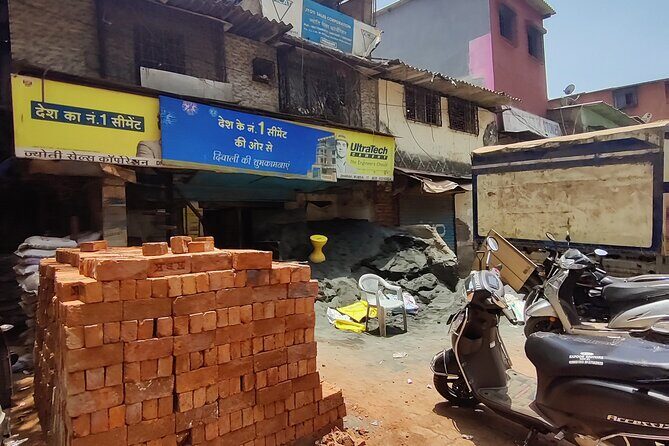
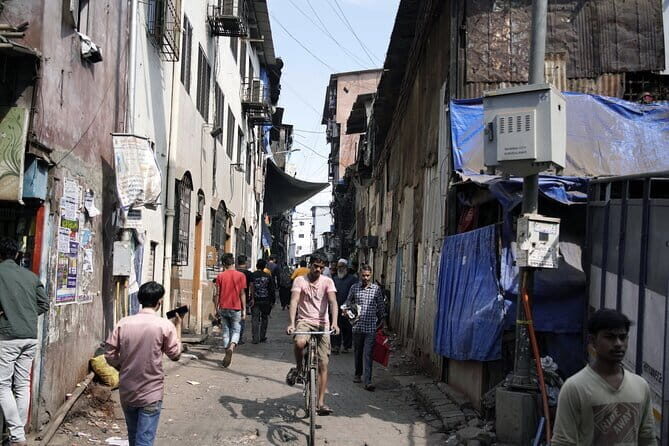
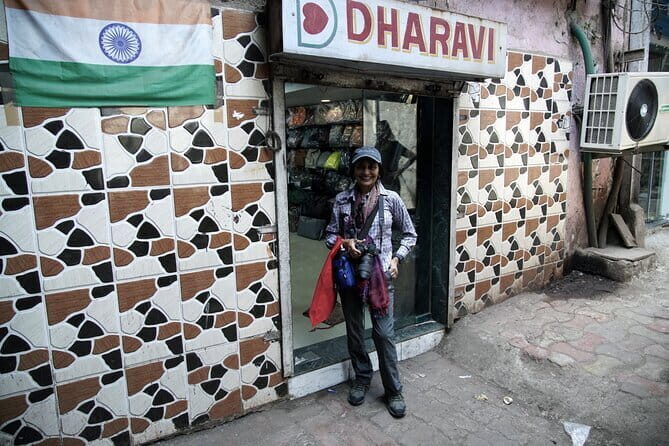
The final segment is the Dharavi stop (about 1 hour 15 minutes), with admission free. Dharavi is described as Asia’s largest slum, but the point of the visit isn’t just the label. The tour frames it as a vibrant hub of industry and resilience, with a local guide who knows the community inside out.
This is where the tour feels most different from the rest of Mumbai’s mainstream sightseeing. The value is perspective. You’re learning how thousands of people live and work in a place that’s often discussed without nuance. A good guide matters here because Dharavi is not a single story. It’s a community with lots of daily routines shaped by local work.
From the guides named in the information you provided, the emphasis is consistent: guides like Javed and Subhan are presented as friendly, knowledgeable about daily life, and focused on connecting what you see to how people manage their jobs and schedules. That matters because Dharavi can’t be understood from a quick glance.
One consideration: this section may feel emotionally heavy if you come in expecting a light, purely “touristy” experience. If you can handle respectful, reality-based sightseeing, you’ll likely get a lot from it. If you need low-stress sightseeing only, this might be more than you want.


Small Group Time and Local Guidance That Actually Changes the Visit
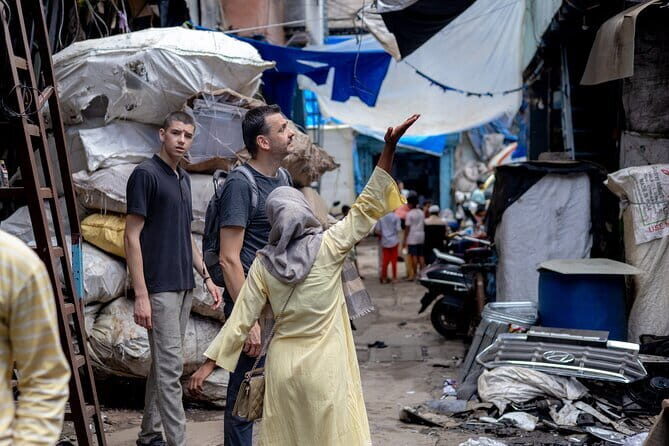
This tour caps at a maximum of 15 travelers, which is a big deal for a route like this. You’ll get more chances to ask questions and get direct explanations instead of just following a line.
I like that the tour is positioned around local knowledge, not just a fixed script. The tour description is clear that the guide knows people and places you likely wouldn’t find on your own. In practice, that usually means you spend less time guessing and more time understanding what you’re looking at.
The guide experience also shows up in the way the tour is described. One guide named Javed is highlighted for sharing insights into how locals live and work, plus helping visitors interact with workers and learn daily routines. Another guide name, Subhan, is highlighted for making guests feel welcomed and at ease, with stories and area knowledge that bring the real city into focus.
Even if you never meet the exact same guides, the pattern is what matters: you’re paying for context. And context is what turns a list of locations into a coherent story.
Price and What You Truly Get for $18.33
At about $18.33 per person for roughly 3 hours 30 minutes, the first thing to look at is what’s covered. You get bottled water, transportation during the tour, and all fees and taxes. There’s also no mention of optional “pay extra” surprises for the core experiences.
That value makes sense for Mumbai because travel time can eat your budget fast. When transport is already built in, you can spend your energy on the stops instead of managing legs between them.
You also get included admission for Dhobi Ghat. The dabbawala tribute statue stop is listed as free. Dharavi’s admission is listed as free as well. So a big chunk of the cost is paying for guide time, coordination, and the logistics that connect the three parts.
If you’re traveling on a budget, this price is hard to ignore. If you’re chasing luxury comfort, the tour won’t be that kind of deal. It’s built for people who want to see the city as it functions.
One more practical note: alcoholic beverages aren’t included. If you want something to drink beyond the bottled water, you’ll need to plan for that yourself.
Practical Timing: What the 11:30 Start Means for Your Day
Starting at 11:30 am helps balance two needs. It’s late enough to avoid the worst morning crowds, but early enough that you still have time to keep exploring after the tour ends.
Since the end point is near Mahim Railway Station, you can usually continue your day with less hassle. You’ll also have a clear finish location, which helps if you’re meeting someone or heading back to your hotel.
The stop lengths are also reasonable. You spend 40 minutes at the dabbawala-focused start, 35 minutes at Dhobi Ghat, and 1 hour 15 minutes at Dharavi. That final stretch gets more time because it needs it. Dharavi is not a quick glance kind of place.
What to Pack and How to Prepare for Three Very Different Places

Because this is three workplace-focused stops, your comfort matters. Think: wear shoes you can stand in for a while, and keep your plan simple so you’re not juggling bags during transitions.
Bottled water is included, which helps you arrive and settle without immediately hunting for a drink. Still, you should dress for Mumbai weather conditions and bring layers if you tend to get chilly in indoor spaces later.
Mentally, prep for different feelings at each stop. The dabbawala area is about systems and delivery. Dhobi Ghat is about labor at open air. Dharavi is about community life shaped by work and resilience. When your expectations match the theme, the experience lands better.
Also, keep your tone respectful. You’re visiting working neighborhoods and real communities, not staged sets. A calm approach will help you absorb more, not less.
Who Should Book This Mumbai Tour, and Who Might Skip It
Book this tour if you want a practical, systems-based way to understand Mumbai. It suits people who care about daily routines and who like tours that explain how cities work behind the scenes. The small group size is a plus if you prefer asking questions and getting direct answers.
It’s also a good pick if you’ve already visited a couple of “big sights” and want something that feels more lived-in. This route uses the city’s own infrastructure—rails, neighborhoods, and working spaces—to show you daily life in action.
You might skip it if you only want classic landmark sightseeing, or if you strongly prefer light, low-emotion activities. Dharavi in particular may not match that mood.
Should You Book This Mumbai Tour?
I think this is a solid choice for the right traveler because it combines three institutions into one focused story: delivery (dabbawalas), laundry work (Dhobi Ghat), and community-based industry (Dharavi). For the price, you also get transportation, bottled water, and fee coverage, which makes the day easier.
If you book, go in with curiosity and a respectful mindset. This is not a collection of scenic backdrops. It’s a tour built around people doing essential work every day. If that sounds like your kind of Mumbai, you’ll likely find it worth your time.
FAQ
How long is the Mumbai Dharavi, Dhobi Ghat & Dabbawala Lunchbox Tour?
It’s about 3 hours 30 minutes.
How much does the tour cost?
The price is listed as $18.33 per person.
Where does the tour start and what time does it begin?
It starts at Burger King Express Building, Railway Station, No 14E, IMC Marg, opposite Churchgate (Churchgate) at 11:30 am.
Where does the tour end?
The tour ends at Third Wave Coffee opposite Mahim Railway Station in Mahim, and the guide assists you in returning onward.
What are the main stops on the tour?
You visit the Dabbawala Tribute Statue, Dhobi Ghat, and the Dharavi slum.
What admissions are included?
Admission ticket for the Dabbawala Tribute Statue is free, Dhobi Ghat admission is included, and Dharavi admission is free.
What’s included in the price?
Bottled water, transportation used during the tour, and all fees and taxes are included.
Is alcohol included?
No, alcoholic beverages are not included.
How many people are in the group?
The maximum group size is 15 travelers.
Is there free cancellation?
Yes. You can cancel up to 24 hours in advance for a full refund. If you cancel less than 24 hours before the start time, the amount paid is not refunded.