REVIEW · MUMBAI
Mumbai: Dharavi Slum and Dhobi Ghat Laundry Tour
Book on GetYourGuide →Operated by Cityscape Mumbai Tours · Bookable on GetYourGuide
Mumbai has a laundry heartbeat you can see. In this 3-hour Dharavi Slum and Dhobi Ghat tour, you walk through daily work across Dharavi, then watch the traditional open-air wash-and-rinse rhythm at Dhobi Ghat. You also take a short ride on Mumbai’s iconic local train, which turns the city’s speed into something you can feel.
I love the up-close view of Dhobi Ghat and the clear explanations of how 100,000 clothes are washed every day using time-honored methods. I also love how the walk links the dots across Dharavi’s industries, including the pottery scene at Kumbhar Wada, plus leather and plastic recycling work you can spot in everyday life.
One caution: the Dhobi Ghat stop can feel short if you want long, detailed looks—one review flagged that timing. Also, plan for heavy foot traffic, tight lanes, and quick photo-rule reminders from your guide.
In This Review
- Key points that make this tour worth your time
- First Stop: Meeting Points, Shoes, and the Attitude to Bring
- Dharavi’s Workday Feel: Why the Industries Are the Point
- Leather, Plastic Recycling, and Kumbhar Wada: What You Should Look For
- Dhobi Ghat Laundry: Seeing Tradition at City Scale
- The 15-Minute Local Train Ride: The City in Motion
- Your Guide Matters: Notes on What You’ll Likely Experience
- Price and Value: Why $5 for 3 Hours Is More Than a Deal
- Who This Tour Suits (and Who Should Skip It)
- Should You Book This Dharavi and Dhobi Ghat Tour?
- FAQ
- How long is the Mumbai Dharavi Slum and Dhobi Ghat Laundry Tour?
- What’s included in the tour?
- Where do I meet and where do I get dropped off?
- Do I get a refund if I cancel?
- What should I bring?
- Is smoking allowed and are there any photography rules?
- Who is this tour not suitable for?
Key points that make this tour worth your time
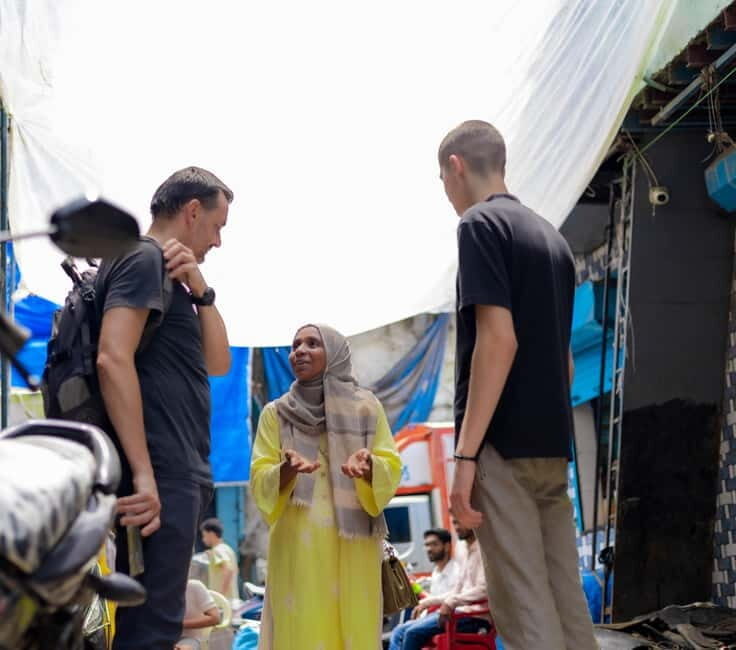
- Dhobi Ghat’s sheer scale: you see an open-air laundry system tied to the daily washing of 100,000 clothes.
- Dharavi, but with context: you get a guided walk that connects small industries instead of treating the area like a single attraction.
- Kumbhar Wada pottery community: you’ll encounter the centuries-old craft side of Dharavi, not just factories.
- Plastic recycling and leather work: you learn what people make and why it matters to Mumbai’s economy.
- A real local train moment: a 15-minute ride gives you a fast lesson in how the city moves.
- Guides who keep it respectful and practical: many reviews praise English, clear explanations, safety care, and a calm approach around residents.
First Stop: Meeting Points, Shoes, and the Attitude to Bring
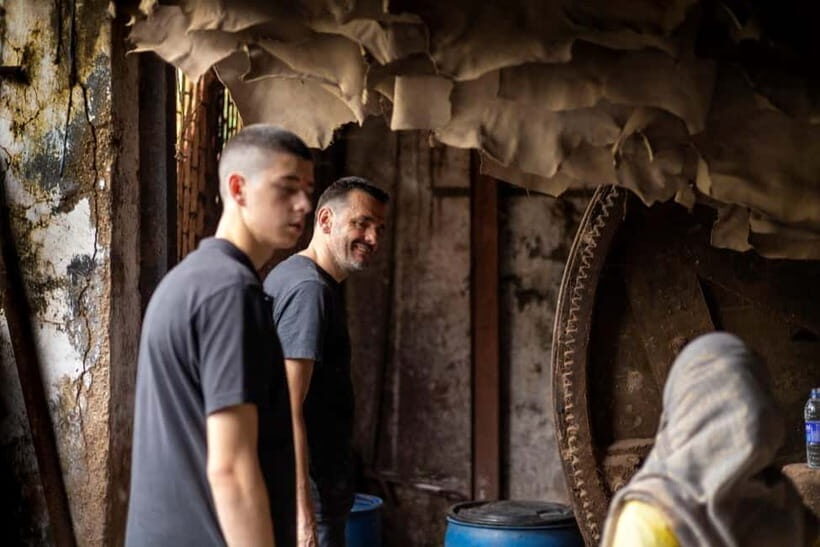
This is a walking-first tour, so your footwear matters more than your fashion sense. Bring comfortable shoes and plan to move through crowded areas with narrow lanes in Dharavi. Sunscreen and water are also on your list, because you’ll be outside and you’ll want to stay alert.
A local English-speaking guide leads the experience, and that guide will set the tone early: follow their instructions, especially around photography. Photography may be restricted in certain areas, and the goal is to observe without intruding on residents’ daily life.
You should also know the tour isn’t a good fit for everyone. It’s not suitable for children under 5, wheelchair users, or pregnant women. If any of those apply to you, skip this one and choose an option designed for comfort and access.
You can also read our reviews of more tours and experiences in Mumbai.



Dharavi’s Workday Feel: Why the Industries Are the Point
Dharavi often gets shown in a single-lens way online. This tour tries to correct that by showing you how the place works as an economy: small-scale industries, lots of hands, and constant problem-solving. You’re not just looking at homes—you’re learning how people earn a living and how supply chains form at street level.
The walk is tied to specific highlights. You’ll hear about Asia’s largest leather factory in Dharavi, see the plastic recycling industry, and visit the pottery-making community of Kumbhar Wada. Even if you come in with basic curiosity, these stops give you real structure: leather work, recycling work, pottery work—then the guide connects how those activities shape the neighborhood and the wider city.
The most valuable part for me is what this does to your expectations. Instead of treating Dharavi like a single “view,” you start noticing the logic of daily production: where materials go, who depends on which steps, and how people keep going amid limited space.
Leather, Plastic Recycling, and Kumbhar Wada: What You Should Look For
You’ll spend time in Dharavi with a guided route that highlights the major industry threads. The leather factory mention is big in the tour’s framing, and it matters because it shows an industrial scale you might not expect to find inside dense neighborhoods. The plastic recycling portion adds another layer: turning waste into usable input, often through careful handling and process knowledge.
Then comes Kumbhar Wada, the pottery-making community. This is where the tour feels more human in a different way. Pottery is slower than factory work, and it rewards patience—watching how craft becomes routine, and how community knowledge passes from one set of hands to the next.
For a better experience, keep your questions practical. Ask things like: What materials come in here? Where do finished goods go next? How does work shape daily schedules? The guides on this tour are repeatedly praised in reviews for explaining clearly and answering questions, and that’s what makes those industry stops feel like learning instead of just sight-seeing.
Dhobi Ghat Laundry: Seeing Tradition at City Scale
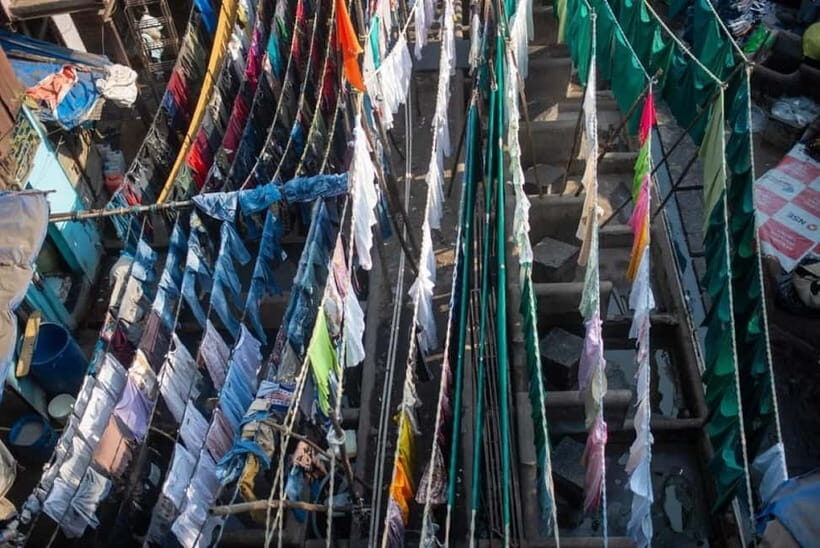
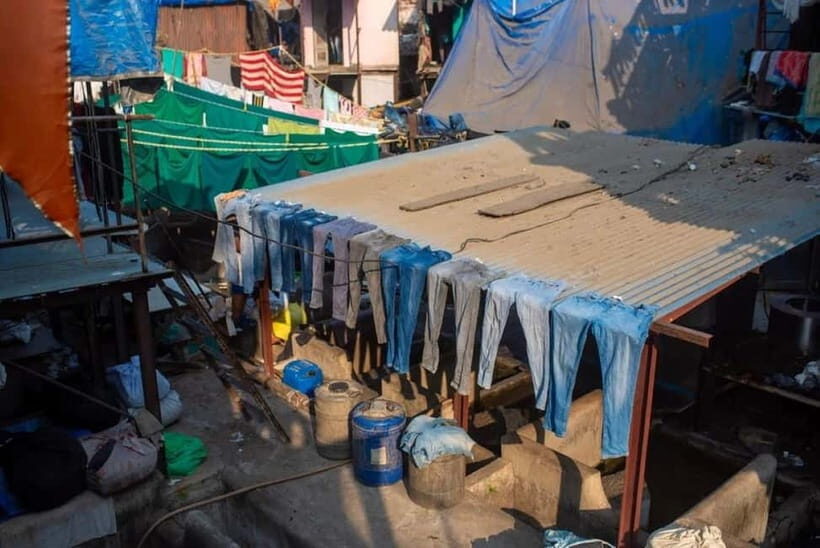
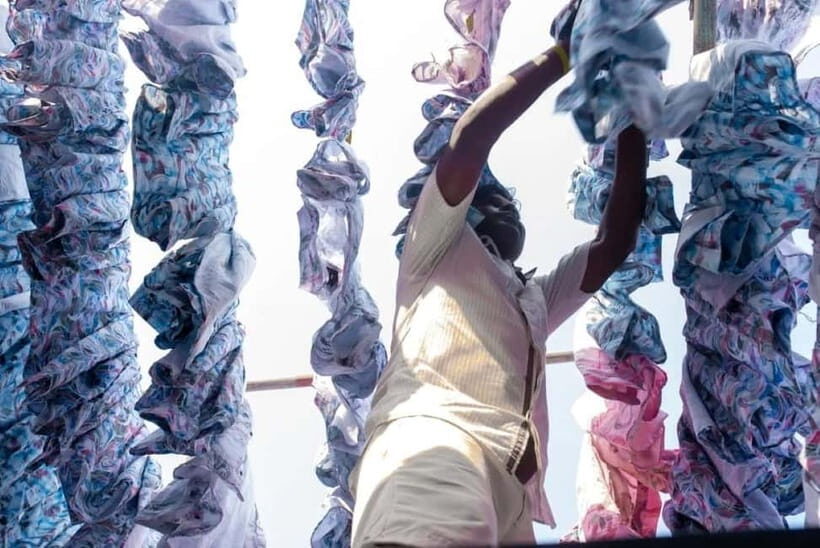
Dhobi Ghat is the main magnet of the tour, and for good reason. You’ll visit Mumbai’s open-air laundry and watch traditional laundry methods in action. The tour description also gives you an important benchmark: over 100,000 clothes are washed daily there.
The timing is about 40 minutes at Dhobi Ghat, which is enough to understand the process and the scale without turning it into a long endurance event. Still, consider one review caution: some people felt the Dhobi Ghat window was too short if they wanted a more detailed look at the tanks. If you’re the type who likes lingering at one station and taking lots of close photos, you might wish you had more time.
What should you do with the time you have? Focus on the flow: where clothes enter the system, how washing happens, and how the work keeps moving day after day. Your guide will point out the key techniques passed down for generations, and those explanations are the difference between watching laundry and understanding what you’re seeing.
Also, follow the photo guidance closely. Photography may be restricted in certain areas, and the best approach is to ask your guide where it’s fine rather than trying to figure it out yourself.
The 15-Minute Local Train Ride: The City in Motion
In just 15 minutes, you get something that most Mumbai sightseeing can’t replicate: the local train as a lived routine. The tour includes a ride on Mumbai’s iconic train system, and this segment is one of those “small time, big payoff” moments.
If you’ve never taken an Indian train during rush hour, this can be an eye-opener. Reviews frequently mention the feeling of safety during the train portion, and that the guides help you handle the situation smoothly. That matters, because the train ride isn’t just a photo stop—it’s part of understanding Mumbai’s pace.
Use the ride to practice a mindset shift. Don’t treat it like a scenic segment. Treat it like transportation used by real people for real reasons. Watch how movement works, how passengers manage space, and how the city’s rhythm continues even between Dharavi and Dhobi Ghat.



Your Guide Matters: Notes on What You’ll Likely Experience
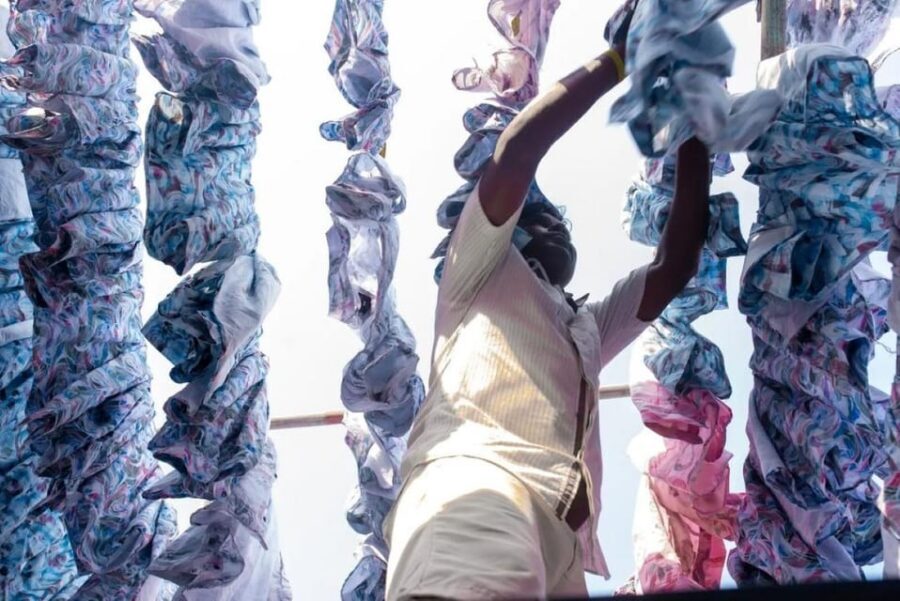
A big chunk of the tour’s success comes down to your guide. This tour uses local English-speaking guides, and the reviews highlight the same themes again and again: clear explanations, patience with questions, and a respectful approach toward the community.
You may encounter guides such as Priti, Ruba, Subhan, Anesh, or Krishna, and the style they’re praised for is consistent. People describe guides as friendly, careful with safety, and good at connecting the sites to context—history, industry, and daily life. Humor shows up too. One review mentioned humour and a lively tone, which helps when you’re dealing with serious subjects.
A practical bonus: some guides go beyond “walk and talk.” Reviews include examples of guides helping with train tickets and even providing water. That kind of small support can remove friction, especially if it’s your first time in Mumbai’s rail system.
Also, keep in mind that timing can shift slightly. One review described a 30-minute reschedule and confusion at the start, though it didn’t derail the experience. So if you’re planning tight connections, build a bit of buffer.
Price and Value: Why $5 for 3 Hours Is More Than a Deal
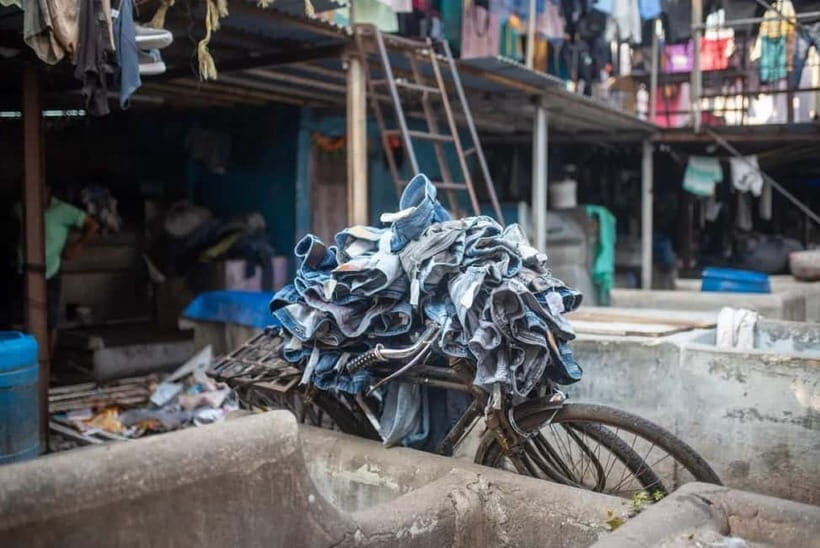
At about $5 per person and a duration of 3 hours, this tour is priced for value in a serious way. You’re not only walking through areas people talk about—you’re getting a guided explanation, access to the Dhobi Ghat laundry visit, and the included 15-minute local train ride.
That combination is the key. A typical “city tour” might give you a view and a route. Here, the structure is activity-based: guide-led learning plus a real operational environment (laundry) plus a transportation segment that shows daily life. For budget travelers, that’s a lot of return per hour.
Just match the price to the reality of the experience. This isn’t comfortable, slow museum learning. It’s active, crowded, and outdoors. If you expect air-conditioning and quiet, you’ll be disappointed. If you want meaningful context for the way Mumbai actually runs, the value starts to make perfect sense.
Who This Tour Suits (and Who Should Skip It)

This tour fits best if you want an authentic, on-the-ground look at Mumbai beyond the usual tourist circuit. It’s ideal for curious first-timers who can handle walking and crowd conditions. It also works well for travelers who like structured learning with a guide—especially if you enjoy asking questions.
You’ll get the most from it if you’re comfortable with:
- walking through crowded areas and narrow lanes
- respecting photo rules and personal privacy
- observing work environments with a thoughtful, non-intrusive attitude
Skip it if you need wheelchair access, are traveling with a young child under 5, or if pregnancy makes the walking and crowds unrealistic. This tour isn’t set up for those needs.
Should You Book This Dharavi and Dhobi Ghat Tour?

Yes—if your goal is to understand Dharavi and Dhobi Ghat as living places connected by work, transport, and daily routine. The guided format, the Dhobi Ghat scale, the Kumbhar Wada craft stop, and the included local train ride create a short itinerary with real context.
But be honest about your preferences. The Dhobi Ghat portion is time-limited, and some people want more close, lingering observation. If that’s you, consider how you handle shorter stops in general. Also, commit to the basics: good shoes, water, sunscreen, and a respectful attitude toward residents.
If you want Mumbai explained the way locals experience it—work first, transport second, and city life always on the move—this tour is an efficient way to get there.
FAQ
How long is the Mumbai Dharavi Slum and Dhobi Ghat Laundry Tour?
The tour duration is 3 hours.
What’s included in the tour?
You’ll get a guided tour of Dharavi Slum, a visit to Dhobi Ghat Laundry, and insights into local industries and community life. The experience also includes time to see the traditional laundry process and includes a 15-minute ride on Mumbai’s local train.
Where do I meet and where do I get dropped off?
The meeting point may vary depending on the option booked. Starting location options are at Third Wave Coffee. Drop-off locations include Third Wave Coffee and Mahalaxmi Station.
Do I get a refund if I cancel?
Yes. Free cancellation is available up to 24 hours in advance for a full refund.
What should I bring?
Bring comfortable shoes, a camera, sunscreen, and water.
Is smoking allowed and are there any photography rules?
Smoking is not allowed. Photography may be restricted in certain areas, so follow your guide’s instructions.
Who is this tour not suitable for?
It’s not suitable for children under 5 years, pregnant women, or wheelchair users.