REVIEW · MUMBAI
Mumbai By Dawn Morning Markets & The World’s Largest Laundry
Book on Viator →Operated by Explore Mumbai Tours · Bookable on Viator
Mumbai wakes up fast at dawn. This morning market tour takes you into the real machinery of the city, from Sassoon Dock fish auctions to Dhobi Ghat laundry work, then onward to the Dadar flower and fruit markets.
I especially like how the guide’s style makes the chaos readable. With guides such as Yash (and Abhi), you get clear context, plus the freedom to move at your own photo pace. I also love the focus on working systems, including the newspaper distribution and the everyday supply chains that feed millions and keep Mumbai running long before most people stir.
One possible drawback: this is a sensory route. Expect early crowds, strong smells near the docks and laundry areas, and lots of close walking, so wear comfortable shoes and plan to keep your expectations grounded.
In This Review
- Key things you’ll notice on this Mumbai morning route
- Why this tour starts before the city feels like a city
- Sassoon Dock: fish auctions with real pace and real stakes
- Dhobi Ghat: watching a citywide laundry network at work
- Dadar Flower Market (Phool Gully): color, fragrance, and photo angles
- Dadar fruit and vegetable market: how produce lands in the neighborhood
- The street-to-street “systems” view of Mumbai
- How the tour logistics work (and why they matter)
- Comfort and safety: the AC car + careful driving combo
- Photography tips that actually fit these stops
- Value check: is $20.40 per person a smart buy?
- Who should book this Mumbai By Dawn tour
- Should you book this tour or skip it?
- FAQ
- FAQ
- How long is the Mumbai By Dawn Morning Markets tour?
- How much does the tour cost?
- Is pickup included?
- Where does the tour end?
- What does the tour include?
- Do you need to pay admission at each stop?
- Is this tour private?
- Do I get a mobile ticket?
- Is the guide available in English?
- What is the cancellation policy?
Key things you’ll notice on this Mumbai morning route
- Sassoon Dock fish auctions: a fast, no-nonsense look at how seafood gets traded in one of the city’s older markets
- Dhobi Ghat open-air laundry: hundreds of dhobis washing, drying, and ironing clothes that power daily city life
- Dadar Flower Market (Phool Gully): color and fragrance that make great photos without needing a staged scene
- Dadar fruit and vegetable market: a close look at how fresh food moves through neighborhoods near Dadar Station
- Private AC vehicle + an in-person English guide: better comfort and direction when you’re moving through busy areas
Why this tour starts before the city feels like a city
If you only see Mumbai later in the day, you get the version that’s already warmed up and slowed down. Starting in the morning changes everything. The markets are in full workflow, people are focused, and you can watch processes instead of just snapping scenery.
This is a 3-hour private morning market experience, priced at $20.40 per person. It’s built around places most visitors would skip because they’re not “monument stops.” Instead, you get the daily rhythms: fish getting sold, laundry being processed, and flower and produce sellers setting up for their regular customers.
You also start with pickup offered, and you ride in a private AC vehicle. That matters in Mumbai because you’ll be out early but still want a way to cool off and reset between stops.
You can also read our reviews of more tours and experiences in Mumbai

Sassoon Dock: fish auctions with real pace and real stakes
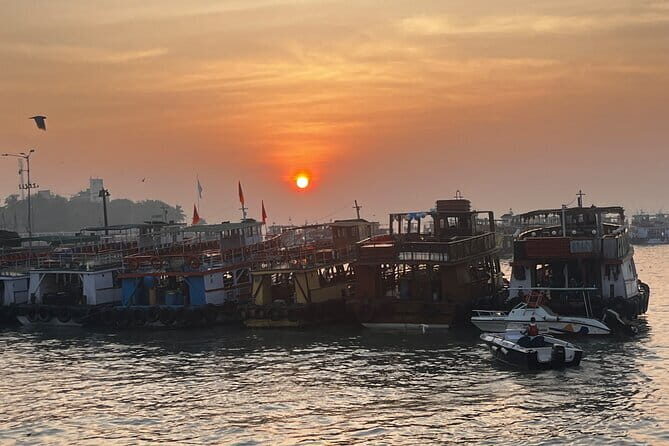
Sassoon Dock is one of Mumbai’s older and busiest fish markets, and the focus here is on the trading itself. You can expect to see fresh seafood catches on display as local fishermen and buyers move through the action, using speed, routine, and teamwork.
What makes this stop worth your time is that it’s not a museum-style walkthrough. It’s an active workplace. If you’re the type of person who likes watching systems in action, you’ll feel like you’re standing inside the city’s food engine.
Practical note: even with a quick visit, the dock area can bring strong smells. Keep your expectations realistic, bring a light layer for early hours, and don’t try to force perfect photo conditions when the light and air can be unpredictable.
Dhobi Ghat: watching a citywide laundry network at work
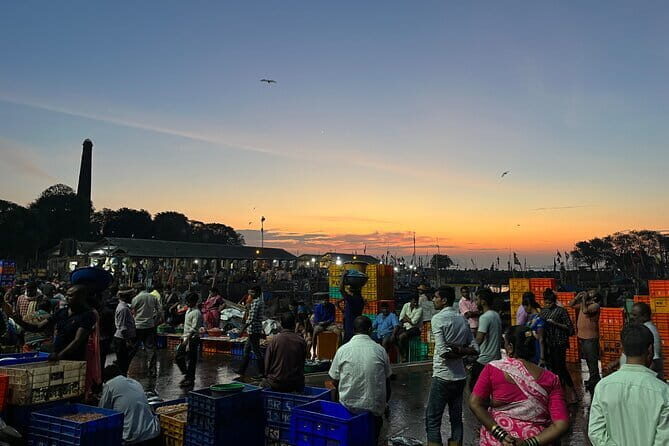
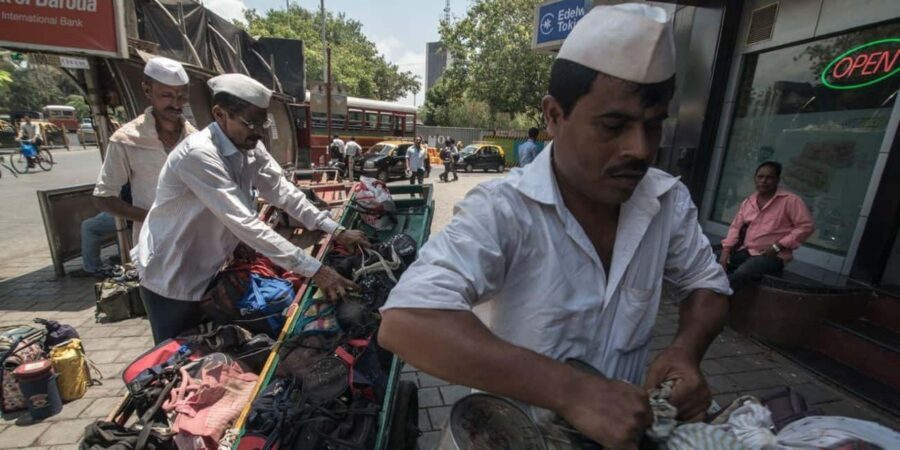
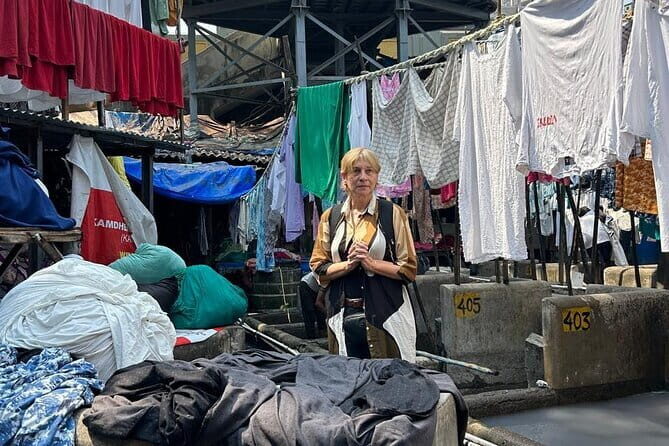
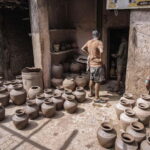
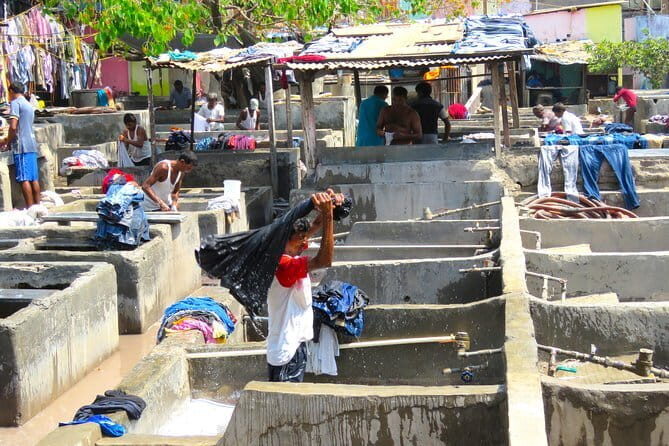
Dhobi Ghat is an open-air laundromat where hundreds of washermen, known as dhobis, wash, dry, and iron clothes for households and businesses across Mumbai. This is the kind of place where you quickly see that “laundry” here is a whole job category, not just a chore.
The value of this stop is how visual it is. You’ll notice workflow—clothes moving through stages, tools and surfaces set up for repetition, and lots of hands working at once. It gives you a grounded understanding of how daily conveniences get made in a mega-city.
Timing also helps. A morning visit tends to feel less crowded than later, and you get a clearer look at how work is arranged before the day builds pressure.
Tip for comfort: plan for close quarters and a lot of standing. If you have sensitive skin or allergies, you might want to be cautious with air quality around laundry and docks.
Dadar Flower Market (Phool Gully): color, fragrance, and photo angles
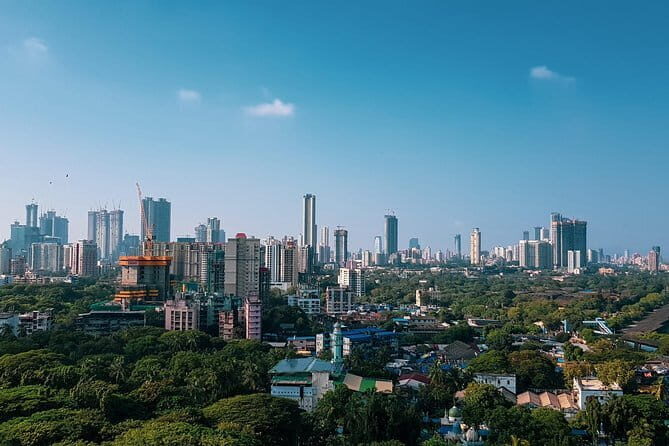
Then you shift from salt and soap to color. The Dadar Flower Market, sometimes described as Phool Gully, brings together sellers and buyers in a tight, lively flow of petals, stems, and strong scent.
For photography, this is one of the easiest stops to enjoy because the scene gives you structure. You can frame by color blocks, follow hands sorting and wrapping, and shoot close without needing fancy planning. Morning light also tends to flatter the saturated tones, so your photos often look stronger than you’d expect from a simple walk.
Be ready for lots of movement. People don’t pause long, so it helps to keep your camera ready and move calmly with the group.
Dadar fruit and vegetable market: how produce lands in the neighborhood
After the flowers, you’ll see the Dadar fruit and vegetable market, located near Dadar Station over bridge. This is one of those stops that makes you understand local food supply in a very direct way.
The best part is watching how the market supports everyday life. You’re not just looking at produce; you’re seeing how sellers set up and how goods get handled for distribution through neighborhoods. Even if you don’t buy anything, the rhythm is educational.
Practical photography tip: keep an eye on eye level. Market shots often look better when you include faces, hands, and labels rather than just stacking colors in a top-down frame.


The street-to-street “systems” view of Mumbai
The tour description highlights something important: this isn’t only about markets as sights. It’s about logistics—how paper goods like the newspaper distribution network and traditional milk delivery systems help keep the city fed and supplied.
That “systems” angle is what makes this tour click for people who don’t want another checklist of landmarks. You’re learning how Mumbai runs, not just what it looks like. And because you’re in a morning window, you see the processes before they’re replaced by crowds and calmer storefront browsing.
If you enjoy cultural context, the guide’s job here goes beyond pointing. Guides such as Yash and Abhi are described as adjusting the tour to your pace and interests, and that’s the difference between a fast sweep and a route where you actually understand what you’re seeing.
How the tour logistics work (and why they matter)
This is a private tour/activity, meaning it’s only your group. That’s a big deal in a city like Mumbai where walking distances and crowd density can vary block to block. Private also helps because the guide can slow down for photos, or move you along when you’re getting stuck in bottlenecks.
You’ll have an in-person guide in English, plus bottled water is included. That’s not a luxury after you’ve been outside for a bit, and it makes the early hours easier.
The stops themselves have free admission mentioned for the market locations. So you’re not paying extra at each stop, and you can budget around the tour price.
You also get a mobile ticket, and group discounts are offered (so it can be a better deal if you’re traveling with friends or family).
Comfort and safety: the AC car + careful driving combo

One thing I really value in tours like this is how you get from place to place. Here, you’re in a private AC vehicle, which helps you avoid feeling cooked by the time you hit the next market.
You’ll also be with a driver who’s described as cautious and safety-minded. In practical terms, that means you can focus on observing and photographing rather than bracing for rough handling.
Even with a car, remember you’re still doing an active walk in crowded areas. Plan for small steps, keep your balance, and don’t overpack your hands with too many things at once.
Photography tips that actually fit these stops
If you’re coming for photos, this route gives you subjects with motion. Fish auctions are fast; laundry work is repetitive in a good way; flowers and produce bring color and texture.
Here’s how to make the most of the morning without fighting the crowd:
- Keep your camera positions practical. Turn your body with the action instead of stopping suddenly in the middle.
- Use the guide’s timing. If your guide tells you where to stand for a better angle, it’s usually about flow and sightlines.
- Be ready for the senses. Smell and humidity can affect how quickly you want to stay. Short bursts of shooting often work better than forcing one long session.
The reviews also emphasize taking photos from the car when possible. A good driver helps by positioning you for safer, cleaner shots without you scrambling for the best angle while traffic moves.
Value check: is $20.40 per person a smart buy?
At $20.40 per person for about 3 hours, you’re paying for more than entry fees. You’re paying for:
- an in-person English guide who can explain what you’re seeing,
- private AC transport to reduce the stress of finding your way early,
- and a route that’s built around working Mumbai, not just tourist-friendly stops.
The included bottled water and free access at each market stop also reduce what you might spend “along the way.” For a short half-day experience, the value tends to be strongest if you like photos, street culture, and behind-the-scenes city systems.
If you’re only interested in famous landmarks, you might feel like the stops don’t match your priorities. But if you want the daily heartbeat of Mumbai, this price feels pretty reasonable for what you get.
Who should book this Mumbai By Dawn tour
This tour fits best if you:
- want authentic morning street life rather than landmark sightseeing,
- enjoy photography and learning how things work in daily city routines,
- like the idea of markets tied to real logistics—food and clothing moving through huge networks,
- and prefer a private format with an English-speaking guide who can adjust pace.
It’s also a strong choice for people who get bored with cookie-cutter tours and would rather understand why a place functions than just where it is on a map.
Should you book this tour or skip it?
Book it if you want a morning window that feels like Mumbai doing its job. You’ll get hands-on context on seafood trading, open-air laundry work, and the Dadar area’s flower and produce markets. With guides like Yash or Abhi and careful driving from Deepak, the experience is set up to be practical and photo-friendly.
Skip it if you dislike strong smells, hate crowds, or don’t want to walk in close quarters. This tour is about real work and real movement, not quiet viewing.
FAQ
FAQ
How long is the Mumbai By Dawn Morning Markets tour?
It’s about 3 hours.
How much does the tour cost?
The price is $20.40 per person.
Is pickup included?
Pickup is offered, and the tour starts at PizzaExpress Dhanraj Mahal, Chhatrapati Shivaji Maharaj Marg, Apollo Bandar, Colaba, Mumbai.
Where does the tour end?
It ends at Prabhadevi Balaseth Madhukar Marg, Krishna Nagar, Parel, Mumbai.
What does the tour include?
It includes bottled water, all fees and taxes, and an in-person guide who speaks English.
Do you need to pay admission at each stop?
The listed market stops show admission ticket free.
Is this tour private?
Yes. It’s a private tour/activity, so only your group participates.
Do I get a mobile ticket?
Yes, the tour uses a mobile ticket.
Is the guide available in English?
Yes, the in-person guide is English-speaking.
What is the cancellation policy?
You can cancel for free up to 24 hours before the experience start time for a full refund.