REVIEW · MUMBAI
Mumbai: All-Inclusive Mumbai Private Full or Half Day Trip
Book on GetYourGuide →Operated by India Tour · Bookable on GetYourGuide
Mumbai can overwhelm you fast. This tour helps you keep up. You get a smart, all-in-one route that mixes waterfront icons, a UNESCO train station, island cave temples, and a real look at Dharavi’s work culture.
I especially liked the private guide setup and smooth transport. You’re not piecing together boats, tickets, and directions on your own. I also love how the day stacks major sights without feeling random—Elephanta Caves plus the UNESCO CST Terminus are both in the same flow. One drawback to weigh: the schedule can feel packed, and Elephanta Caves are closed on Mondays, which can change what the day looks like.
In This Review
- What Makes This Private Mumbai Tour Worth Your Time
- Gateway of India to Taj Mahal Palace: Starting With Big Mumbai Energy
- Chhatrapati Shivaji Maharaj Terminus (CST): UNESCO Architecture With Real Explanations
- Marine Drive and Malabar Hill: Queen’s Necklace Views Without the Guesswork
- Mani Bhavan: Gandhi’s Mumbai in a Small, Focused Stop
- Ferry to Elephanta Caves: The Part That Feels Like You Escaped the City
- Back to Mumbai: Using the Afternoon to See the City’s Texture
- Dharavi Slum Visit: Pottery, Leather Workshops, and Recycling Units
- Time, Transport, and the Reality of a 4–8 Hour Mumbai Day
- Who This Tour Fits Best (And Who Might Feel Cramped)
- Tips Before You Go (So the Day Feels Smooth)
- Should You Book This Private All-Inclusive Mumbai Tour?
- FAQ
- FAQ
- How long is the Mumbai tour?
- Where do I meet the guide?
- Is hotel pickup and drop-off included?
- What’s included in the price?
- Do I need a passport or ID?
- Are the Elephanta Caves open every day?
- Is the tour okay for everyone?
What Makes This Private Mumbai Tour Worth Your Time
Private guide + hotel or airport pickup keeps the day efficient, starting with a meet at the Gateway of India.
UNESCO stops in one route—Chhatrapati Shivaji Maharaj Terminus gets real architectural context.
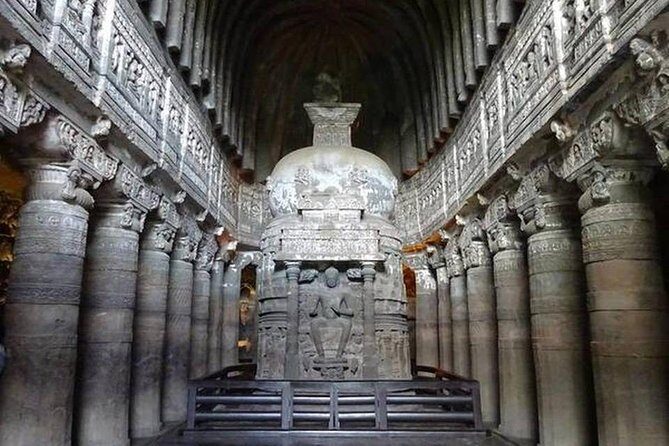
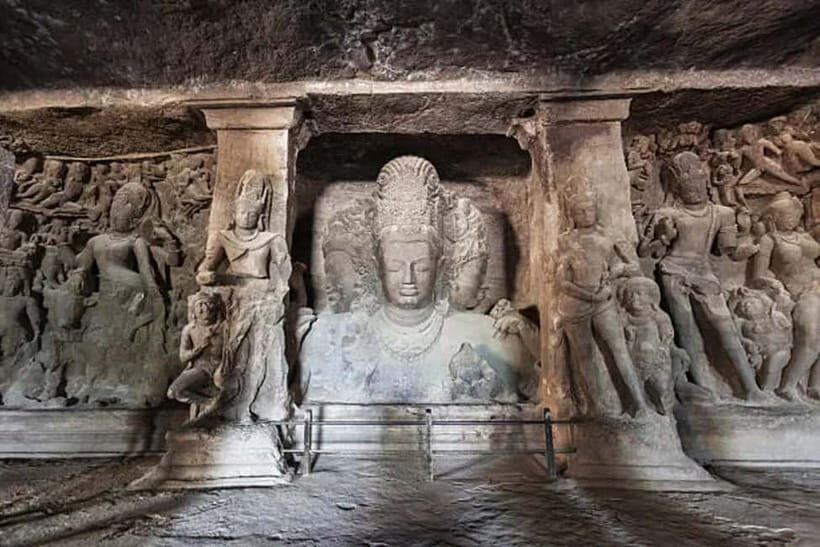
Elephanta Caves by ferry with time to see the rock-cut temples and the famous 3-faced Buddha sculpture.
Marine Drive and Malabar Hill views for that classic Mumbai sea-and-city perspective, especially after dark light.
Mani Bhavan (Gandhi’s home) adds human history between the big landmarks and the caves.
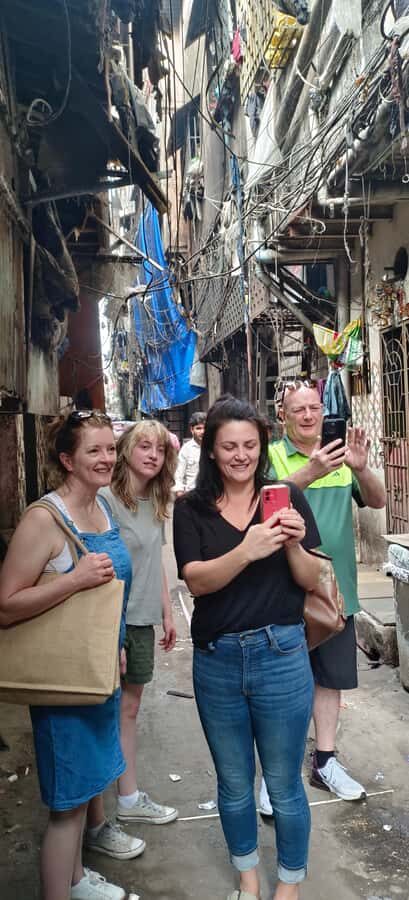
Dharavi visit with small-scale industries—pottery, leather workshops, and recycling units—shows how the city functions beyond postcards.
Gateway of India to Taj Mahal Palace: Starting With Big Mumbai Energy
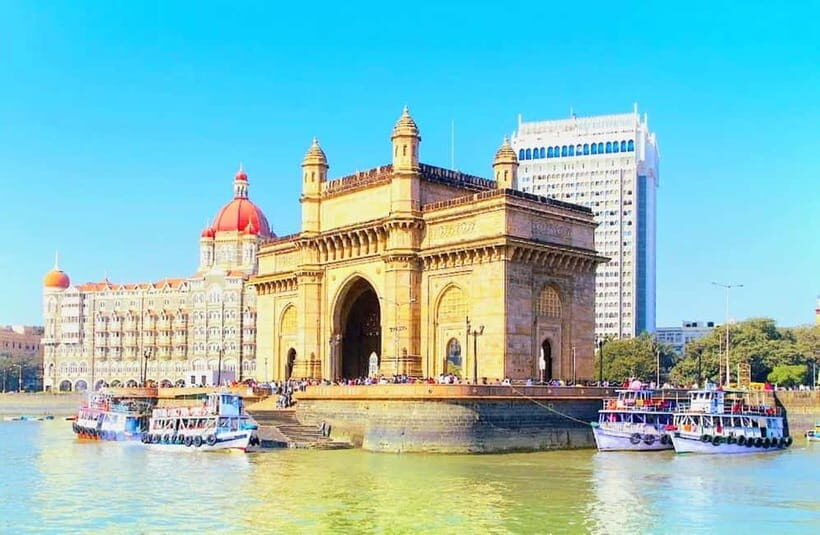
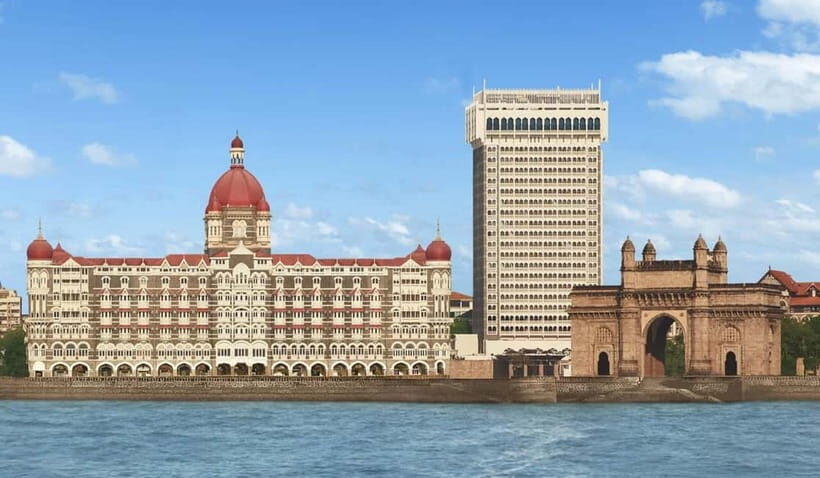
Your day starts with pickup from your hotel (or airport, depending on your option). Either way, you’ll end up at the Gateway of India, a waterfront landmark that instantly tells you what Mumbai is about: sea travel, colonial-era landmarks, and modern street life rubbing shoulders.
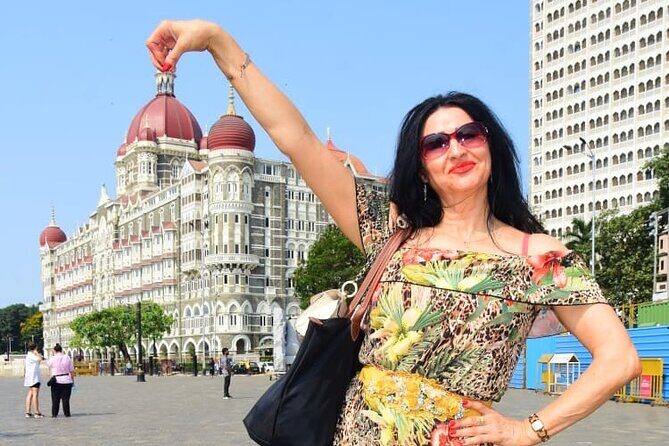
From there, the tour focuses on simple, high-value photo stops. You’ll stand where people gather and take in the Arabian Sea views. Next up is a pass-by at the Taj Mahal Palace Hotel. You’re not going inside here just to check boxes. Instead, you use the viewpoint to understand why this area became such a symbol of wealth and history in the city’s narrative—then you move on before the day turns into one long traffic jam.
One practical point I think you’ll appreciate: a good guide turns these photo moments into orientation. If you’ve got limited time in Mumbai, this early sequence helps you map the city visually before the deeper stops start.
You can also read our reviews of more private tours in Mumbai



Chhatrapati Shivaji Maharaj Terminus (CST): UNESCO Architecture With Real Explanations
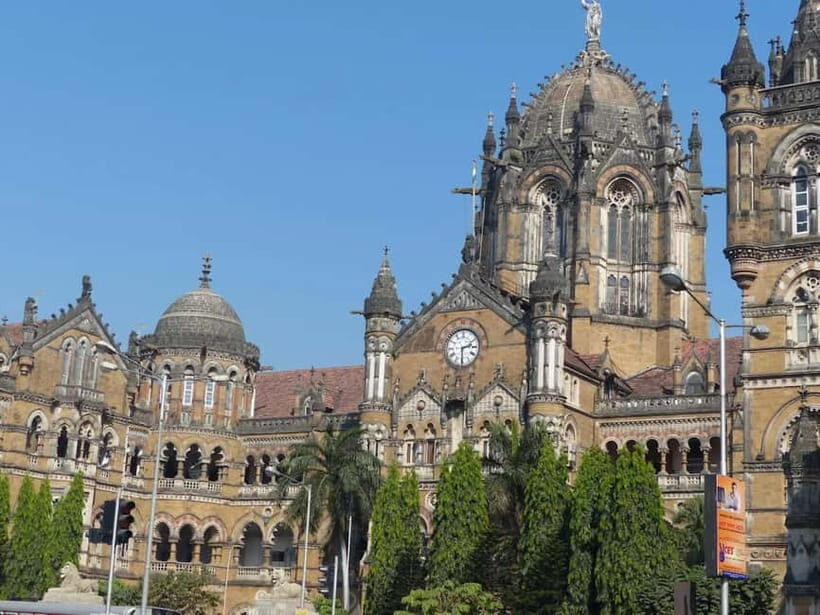
Next comes the Chhatrapati Shivaji Maharaj Terminus (CST), a UNESCO World Heritage site. This is where the tour stops being just pretty sights and starts doing real teaching.
The station’s architecture blends Victorian Gothic Revival elements with traditional Indian styles. That blend matters. It’s not only a design detail. It reflects a period when global influences met local building traditions, and that tension is part of Mumbai’s identity.
If you like trains, old stone buildings, and cities that grew up fast, CST can hit hard—in a good way. Even if you don’t care about railways, the building itself is a landmark you’ll feel in your bones. It’s one of those places where a quick stop becomes a longer look once you understand what you’re seeing.
Marine Drive and Malabar Hill: Queen’s Necklace Views Without the Guesswork
After CST, you’ll go for a scenic stretch along Marine Drive, often called the Queen’s Necklace because of the lights that line the coast at night. Even if you’re visiting in daylight, the coastline perspective is still worth it—this is one of the easiest places to see Mumbai as a city built around water.
The tour includes photo stops and sea views. That’s important because Marine Drive is easy to miss if you’re not sure where to stand. A private guide helps you choose the right spots fast.
You’ll then head toward Hanging Gardens in Malabar Hill. These are terraced gardens with panoramic views over the city. The point isn’t the plants alone—it’s the fact that Mumbai’s skyline changes constantly, and from here you get a cleaner visual read than you do from busy streets below.
Mani Bhavan: Gandhi’s Mumbai in a Small, Focused Stop
Then the tour shifts gears with Mani Bhavan, a historic house where Mahatma Gandhi once lived and directed several important movements during India’s freedom struggle.
This is the kind of stop that can add depth without stretching the day too long. A guide’s narration helps. You’re not just walking through rooms. You’re connecting the political moments you’ve heard about to the real geography of where decisions were made.
In multiple guide experiences, Mani Bhavan comes up as a highlight because it makes the freedom struggle feel specific. You end up understanding that Mumbai wasn’t just a commercial hub—it was also part of the leadership story.
Ferry to Elephanta Caves: The Part That Feels Like You Escaped the City
From Mani Bhavan and the afternoon rhythm, you’ll head to the ferry ride. The schedule includes two ferry transfers, each about 45 minutes.
This is one of the best parts of the tour for a simple reason: it forces a pace change. Mumbai traffic can be intense. On the water, you get time to reset your senses and actually look at the coastline.
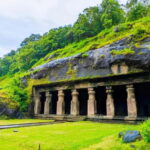
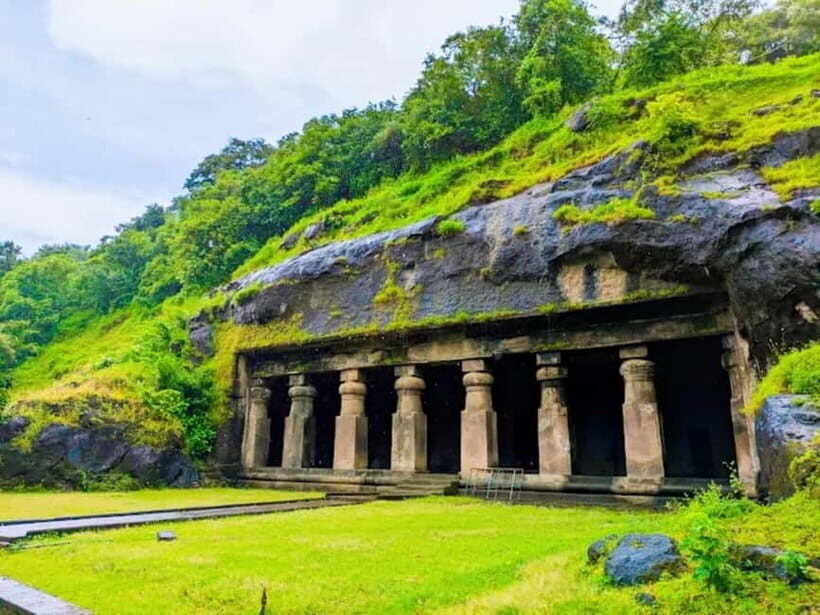
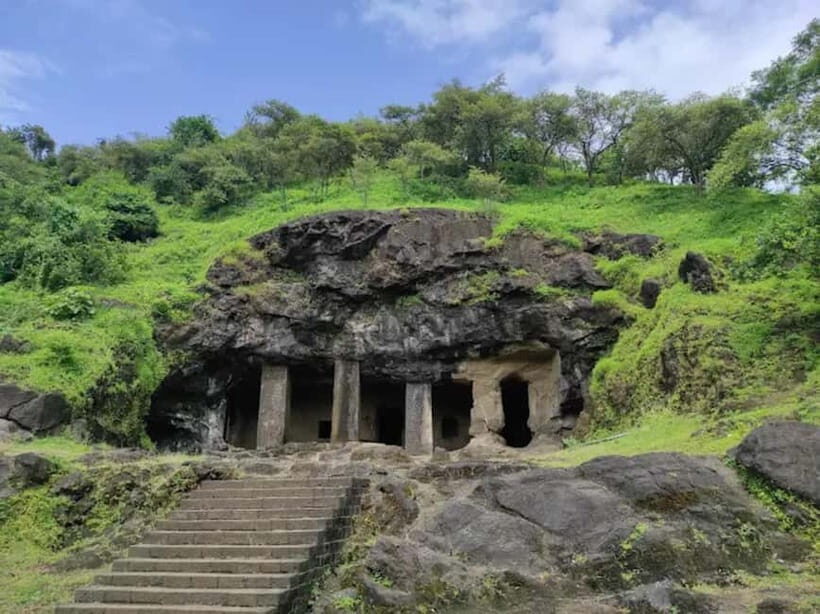
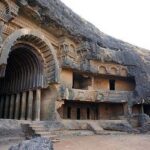
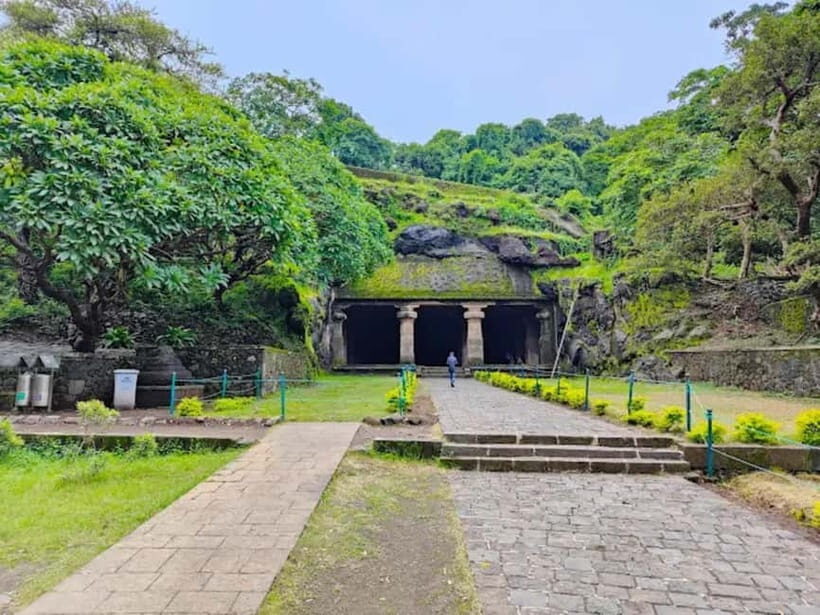
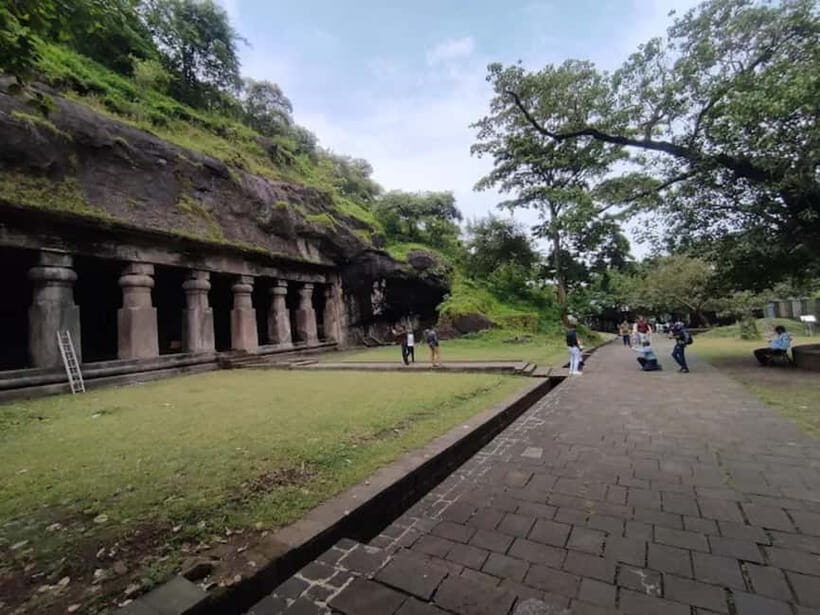
Once you reach Elephanta Island, the tour includes visits to the Elephanta Caves, another UNESCO World Heritage site. These are rock-cut cave temples dedicated to the Ghutam Buddha. You’ll also see the famous 3-faced Buddha sculpture, which is a striking focal point for photos and for understanding the style of the site.
Important practical note: Elephanta Caves are closed on Mondays. If your dates land on a Monday, plan for the tour to adjust accordingly, or consider booking on another day.
Also, wear shoes you trust. The caves involve moving through uneven stone spaces. The tour structure helps because you’re not figuring out pacing yourself, but you still need comfortable footing.
You can also read our reviews of more tours and experiences in Mumbai


Back to Mumbai: Using the Afternoon to See the City’s Texture
After the caves, you take the ferry back. The afternoon portion is where the tour often feels most human.
One of the smartest choices here is that the tour doesn’t end at the glamorous side of Mumbai. You leave behind the island’s stone temples and come back to the city to see livelihoods in action.
This matters if you’re trying to understand Mumbai as a living place, not a photo album. You’ll get a different kind of “why” from the people and places you meet on the ground.
Dharavi Slum Visit: Pottery, Leather Workshops, and Recycling Units
Next up is Dharavi, one of Asia’s largest slums. The tour is designed as a structured visit where you can explore small-scale industries, including pottery, leather workshops, and recycling units.
Here’s how I’d frame this stop for your expectations. Dharavi can be emotionally heavy if you go in thinking it will look like a movie set. What you’ll get instead is a tour that focuses on work and resilience: how everyday production and trade keep moving, and how people build businesses even with tough conditions.
Because this is a private-guided experience, you’ll also get context for what you’re seeing, rather than just walking through a neighborhood with no interpretation. In past tours with guides like Danish, Abdul, and Hamid, the common thread has been that they explain what the industries do and how the community functions, which is exactly what helps this stop make sense.
A possible consideration: because this area is active and real, you should come with a respectful mindset and be ready for sensory intensity. You’re not there for comfort. You’re there for understanding.
Time, Transport, and the Reality of a 4–8 Hour Mumbai Day
This tour runs 4–8 hours depending on whether you choose a half-day or full-day option. That range is useful. Mumbai can change by the hour because of traffic and daily rhythms, so having a flexible duration can help you avoid feeling like your schedule is rigidly trapped.
Transportation is in an air-conditioned vehicle, and the tour includes hotel pickup and drop-off. There’s also mention of a timely airport drop-off, which is key if you’re flying out the same day.
One more practical detail that often makes or breaks tours like this: it’s priced at $26 per person, and it includes entry tickets, all fees and parking charges, a private guide, and even a complimentary water bottle. For a city that charges extra for guide time and separate entrances, bundling those costs is good value—especially if this is your first visit and you want to see a lot without micromanaging logistics.
From the guide experiences shared by many bookings, punctual pickup and smooth driving come up repeatedly. Names like Danish, Nadeem, Sheikh Azim, Azim, Saif, and Abdul show up often, along with drivers who handle the road confidently. That’s not a guarantee, but it matches the overall tour design: organized pacing plus local context.
Who This Tour Fits Best (And Who Might Feel Cramped)
This is a great match if you:
- Are a first-time visitor and want the major Mumbai landmarks in one connected route
- Want a private guide who can explain what you see instead of dumping facts at you
- Like a mix of big monuments, UNESCO sites, and real city life in one day
- Prefer not to coordinate ferry timing, tickets, and city driving yourself
It might feel less ideal if you:
- Need lots of downtime between stops
- Don’t handle walking around monuments and cave sites comfortably
- Are traveling on a Monday, since Elephanta Caves are closed
- Are pregnant, since the tour notes it’s not suitable
Tips Before You Go (So the Day Feels Smooth)
Bring your passport or ID card. You’ll also want a daypack you don’t mind carrying during ferry time and cave movement.
If you’re sensitive to crowds or heat, think about planning your photos early and moving when your guide suggests. In a city like Mumbai, the shortest wait is usually the one you don’t notice.
Also, since the tour includes Dharavi and Elephanta, dress in a way that respects both places: comfortable for walking, not fussy for photos.
Should You Book This Private All-Inclusive Mumbai Tour?
I think you should book it if you want a well-organized introduction to Mumbai that goes beyond the usual waterfront-and-window-shopping plan. The value is strong for the price because it bundles pickup, guide time, transport, entry tickets, and parking into one package. You also get a rare pairing: Elephanta Caves plus Dharavi, with context at both ends.
Skip the idea if you’re visiting on a Monday and you mainly want Elephanta, or if you hate packed schedules. Otherwise, this is the kind of tour that helps you understand Mumbai faster, not just see it.
FAQ
FAQ
How long is the Mumbai tour?
The duration is listed as 4 to 8 hours, depending on whether you choose a half-day or full-day option.
Where do I meet the guide?
You meet your guide at the Gateway of India in Mumbai.
Is hotel pickup and drop-off included?
Yes. The tour includes hotel pickup and drop-off. There is also mention of an airport drop-off at the end of the tour so you can catch your flight.
What’s included in the price?
Included items are hotel pickup and drop-off, a private guide, entry tickets, air-conditioned transportation, complimentary water, and all fees and parking charges.
Do I need a passport or ID?
Yes. You should bring passport or an ID card.
Are the Elephanta Caves open every day?
No. The Elephanta Caves are closed on every Monday.
Is the tour okay for everyone?
The tour notes it is not suitable for pregnant women. Pets are also not allowed.