REVIEW · MUMBAI
Dharavi: Daily Life inside Asia’s Largest Slum walking tour
Book on GetYourGuide →Operated by Mumbai with Locals · Bookable on GetYourGuide
Dharavi feels real, not staged. I love the way the walk shows plastic recycling in action, and I also appreciate ending at Khumbharwada, the potters’ colony where craft is still carried forward. Guides like Segidi, Ravi, Abhishek, and Bala bring local context so the place doesn’t feel like a headline; it feels like neighborhoods with people and work.
One big consideration: this is a hands-on foot tour through narrow, uneven lanes, so it’s not suitable for wheelchair users or anyone with mobility limits.
In This Review
- Key highlights at a glance
- Entering Dharavi the way it actually works
- Starting at Third Wave Coffee: how the walk sets the tone
- Industrial Dharavi: where recycling and small factories run the day
- Dhobi Ghat: Mumbai’s open-air laundry by hand
- Residential lanes: what life looks like between the workshops
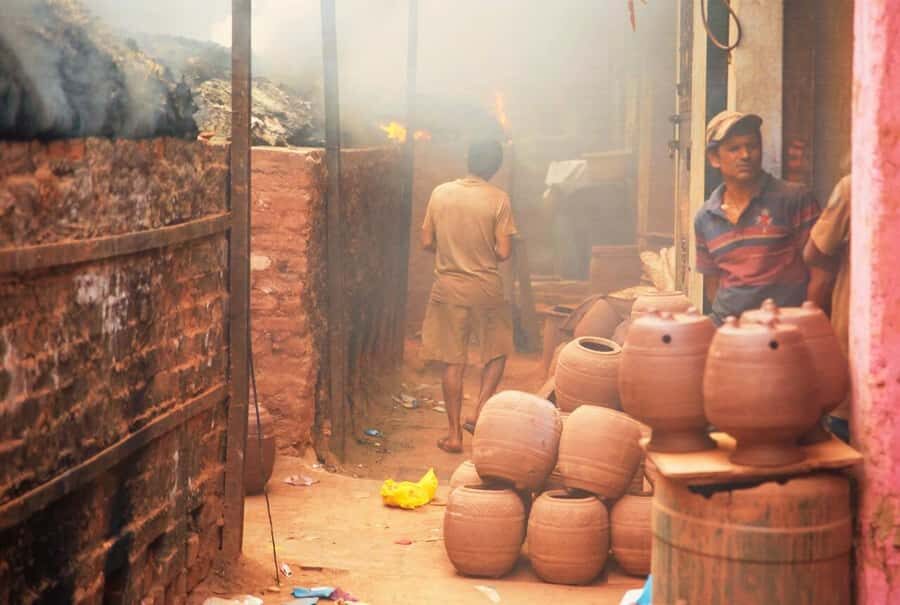
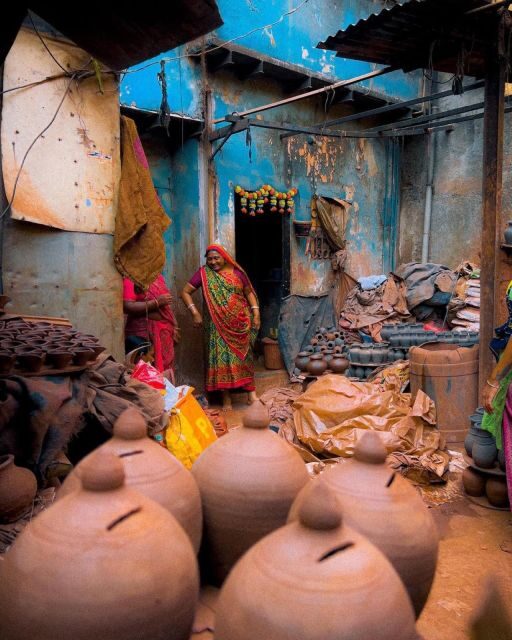
- Khumbharwada potters: clay craft inside Dharavi
- Price and timing: is $7 good value?
- Who this tour suits (and who should skip it)
- Should you book this Dharavi walking tour?
- FAQ
- How long is the Dharavi walking tour?
- What does the $7 price include?
- Where do I meet the guide?
- What will I see during the walk?
- Is photography allowed?
- What should I wear or bring?
- Is the tour suitable for wheelchairs or mobility issues?
- What language will the guide speak?
- Can I cancel and get a refund?
Key highlights at a glance
- Third Wave Coffee start point: meet your guide outside, then head straight toward Dharavi
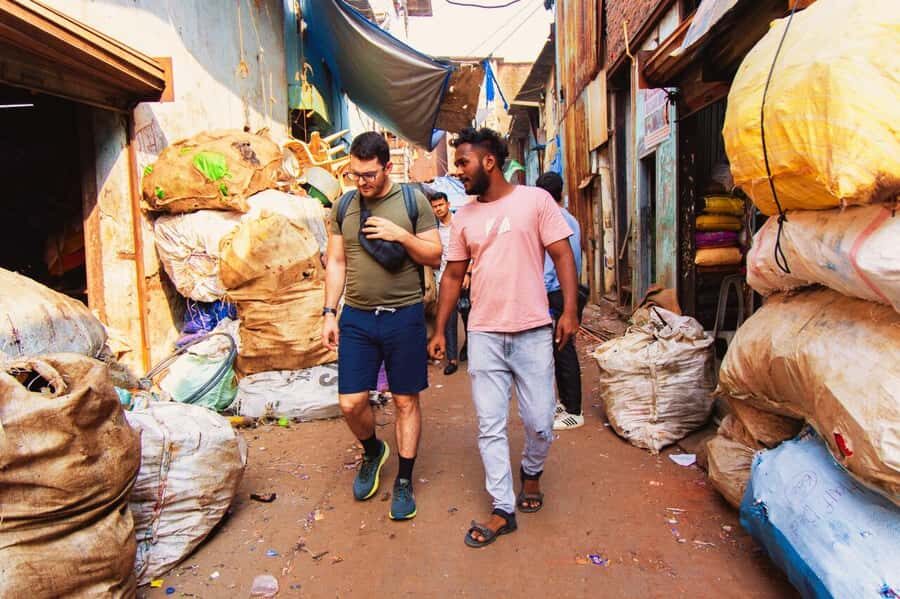
- Plastic recycling you can see up close: waste becomes everyday products
- Industrial work mixed with family businesses: many operations are passed down through generations
- Dhobi Ghat open-air laundry: hand-cleaning on a large, practical scale
- Khumbharwada potters from Gujarat: kilns, clay work, and a distinct community inside Dharavi
- Small-group pace with safety focus: guided crossing, respectful behavior, clear expectations
Entering Dharavi the way it actually works
This isn’t a theme-park style “slum tour.” The point is to help you understand how Dharavi functions day to day: where people work, how they move through tight spaces, and why informal industry matters so much to Mumbai.
You start with a short intro at Third Wave Coffee. It’s a calm place to get oriented before you step into one of the world’s most densely packed areas. After the briefing, you head into Dharavi with your local guide, in a small group, which makes it easier to ask questions and keep a respectful pace. Many guides (like Bala, who’s known for clear English and careful guidance) focus on keeping you safe while you walk and cross busy areas.
The best part for me is the balance. You’re not only shown hardships. You also see skills, routines, and problem-solving. When you watch plastic being handled, molded, and turned back into useful items, it becomes obvious why people call the area resilient: something is always being repurposed here, because waste can’t afford to be waste.
You can also read our reviews of more walking tours in Mumbai


Starting at Third Wave Coffee: how the walk sets the tone
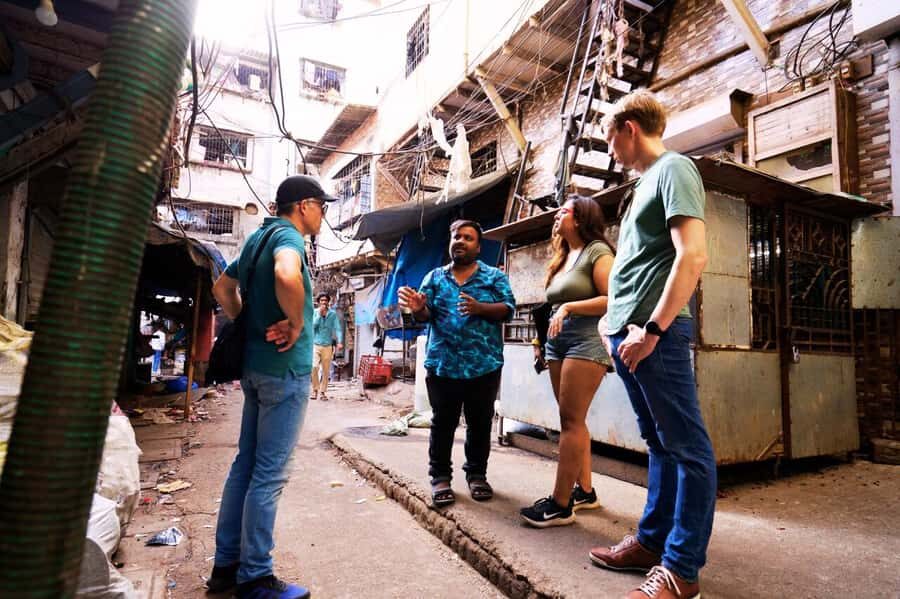
Meeting outside Third Wave Coffee does more than help logistics. It signals the style of the tour: relaxed, educational, and grounded in real conversation rather than rushed sightseeing.
Before you begin, your guide sets expectations. You’ll be walking through narrow lanes and outdoor areas, so wearing comfortable clothes and closed-toe shoes matters more than you might expect. You’ll also want a scarf (often helpful in sun, wind, or dust) and, if it’s hot, water and sun protection. Photography is allowed, but you’re expected to ask before photographing people. That one rule changes the whole feel—suddenly your camera becomes secondary to your respect.
Group size is kept small, which affects your experience in a good way. You can hear explanations, your guide can point out what’s relevant, and you can move at a pace that doesn’t turn listening into chaos. If you’ve ever been on a crowded “see everything fast” tour, this will feel calmer.
Industrial Dharavi: where recycling and small factories run the day
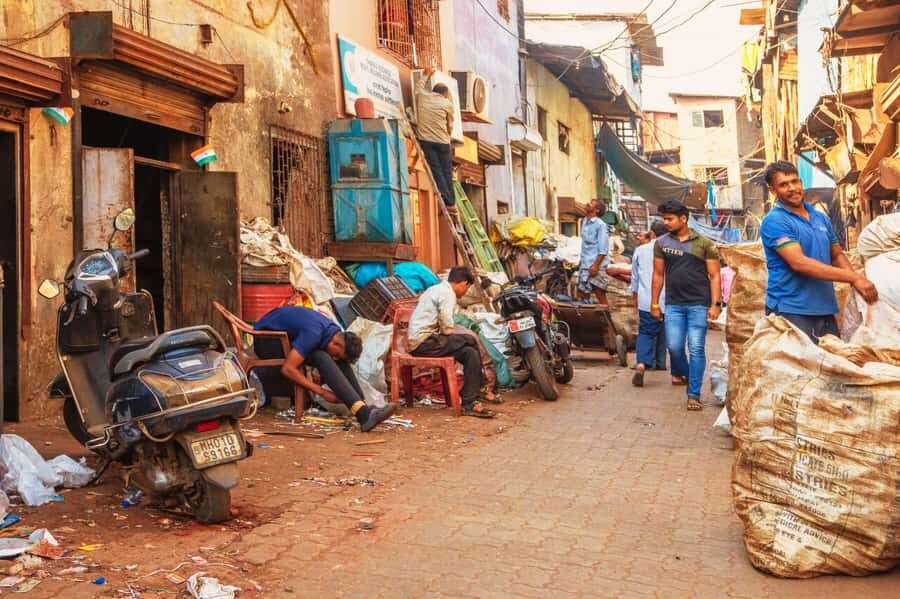
The route begins in Dharavi’s industrial zone, and it can surprise you. From a distance, people often picture only cramped homes. Up close, you’ll notice something else first: energy.
You’ll see work happening in tight spaces—people recycling plastic and metal, plus small shops making and repairing products. Depending on the day, you might also pass makers involved in leather goods, snacks, pottery, soaps, and textiles. A key takeaway is that many of these businesses are family-run and have been operating for generations. That’s what turns “informal” into something more accurate: it’s organized by experience, passed down, with local knowledge doing the heavy lifting.
Your guide explains how Dharavi supports a huge part of Mumbai’s unofficial economy. The turnover can be millions each year, even though space and resources are limited. The lesson isn’t just numbers; it’s the logic of survival and efficiency. In places like this, waste management isn’t a side project—it’s daily work.
And yes, the recycling aspect is a major reason this tour earns such strong ratings. Watching plastic go from discarded material to usable products helps you see sustainability in a way that feels practical, not preachy. It’s people doing what they must, with skills they’ve repeated for years.
Dhobi Ghat: Mumbai’s open-air laundry by hand
One of the standout themes of the tour is labor you can see. Dhobi Ghat—Mumbai’s open-air laundry area—is where that becomes concrete.
Here, you’ll learn how washerfolk clean clothes by hand in an outdoor setting. It’s not a modern factory process. It’s repetitive work, done in public, with skill built through routine. When you watch it, you get a better grip on the scale of service Dharavi and nearby areas provide to Mumbai’s wider population.
This stop also helps you understand why “daily life” in Dharavi isn’t only homes and schools. Service work is part of the economy too. Laundry is a chain of tasks, and you can often spot the system in how items move, get cleaned, and handled again.
Practical note: because this area is outdoors, you’ll feel the weather. Wear sunscreen if it’s sunny, and keep water handy. If you’re the type who hates being near active work, this part might feel intense. But if you can stay respectful and curious, it’s an eye-opener.
Residential lanes: what life looks like between the workshops
After the industrial area, the walk moves into the residential zone—where you start to feel the difference immediately. The lanes get tighter. Homes sit close together. Daily routines show up in small moments: kids playing in narrow alleyways, people chatting from doorways, and food being prepared in everyday ways.
This section is where the tour turns from “what people make” to “how people live.” Your guide shares stories and local perspectives on key issues like sanitation, education, healthcare, and housing. You’ll hear about constraints, but you’ll also see pride—people care about their homes and their neighborhoods because those places define identity.
One reason the residential segment lands well is the way your guide keeps it human. The tour isn’t about staging misery or turning poverty into a spectacle. It’s about helping you notice what’s normal here: neighbors watching out for one another, children finding space to play, and households organizing daily life with limited room.
A fair warning: this part isn’t about comfort. If you’re expecting wide sidewalks and easy movement, you’ll want to reset your expectations. The lanes are narrow and uneven, and you’ll be walking for about two hours total. Come prepared, keep your pace steady, and let the explanations do their work.



Khumbharwada potters: clay craft inside Dharavi
The final major stop is Khumbharwada, a historic potters’ colony within Dharavi. This is one of those places where the tone of the tour shifts from busy industry to practiced craft.
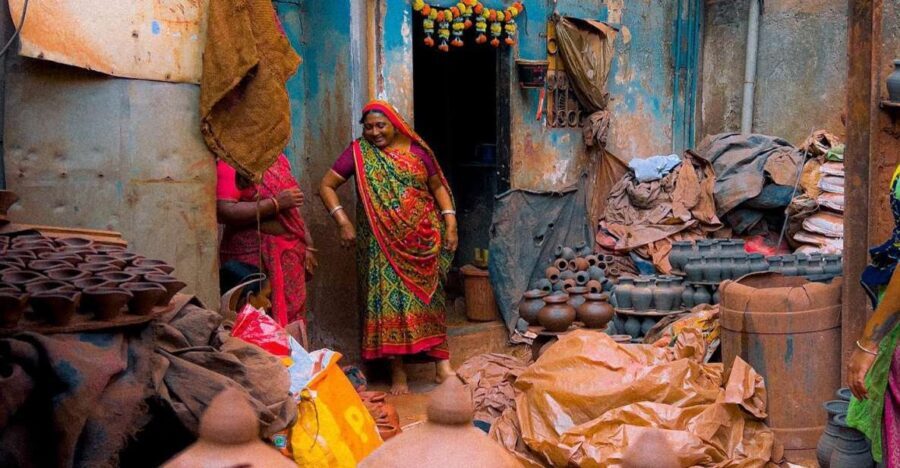
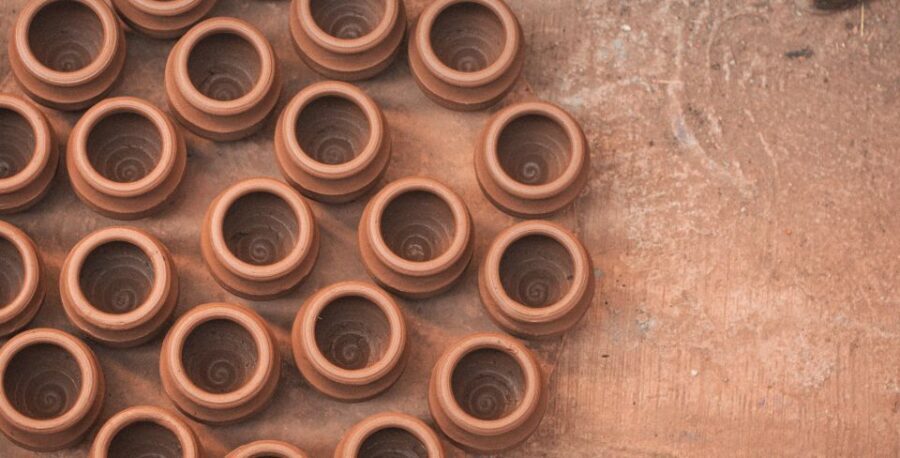
Khumbharwada is associated with potters originally from Gujarat. As you walk through, you’ll see kilns and rows of clay pots drying in the sun. Artisans are at work shaping clay with skilled, practiced hands. It’s quieter than the industrial areas, and that matters. You get time to slow down and focus on technique: shaping, drying, and finishing as a system.
What I like about ending here is that it reframes Dharavi. You start with recycling and production, then you see daily life in the residential lanes, and you finish with tradition that still has authority. It’s not “old vs new.” It’s a working community that has kept its craft alive while adapting to a dense urban environment.
If you care about how skills travel—how families bring knowledge across regions and generations—this stop gives you something to carry beyond the walk.
Price and timing: is $7 good value?
At $7 per person for a roughly two-hour walking tour, the price feels fair, especially when you factor in what’s included: an English-speaking guide and packaged water if you need it.
Value isn’t just the cost; it’s what your money buys: time with a local guide who can explain what you’re seeing, plus access to parts of Dharavi that you might miss or misunderstand on your own. With small groups, your questions actually get answered. And you’re walking with a safety-first mindset, including guided crossings.
Is it worth it if you don’t like walking? Probably not. This is still a foot tour through uneven lanes. But if you’re willing to walk and keep your attention on people and process, the low price makes it easier to fit into a Mumbai itinerary without feeling like you have to do a “big ticket” tour.
Who this tour suits (and who should skip it)
This experience is best for you if you want more than photos. You’ll get the most from it if you’re comfortable asking questions, listening, and following a guide’s instructions on respectful behavior—like asking permission before photographing people.
You’ll probably enjoy it even more if you’re curious about practical sustainability (the plastic recycling side), real-world labor (Dhobi Ghat), and craft traditions (Khumbharwada). And if you like guides who explain step-by-step and make you feel safe—there’s a reason names like Bala, Abhishek, Ravi, and Segidi come up in people’s positive feedback.
It’s not a good match if you have mobility issues, need wheelchair access, have respiratory problems, or have visual impairments. The route includes outdoor elements and uneven, narrow lanes.
Also consider your comfort level with close, active surroundings. This is a working area. You’re walking through communities with ongoing business and home life, not around them.
Should you book this Dharavi walking tour?
Book it if you want a grounded view of Dharavi that focuses on work, daily life, and community—not sensationalism. The structure makes sense: industrial work first, residential life next, and Khumbharwada at the end so you leave with a fuller picture of skills and identity.
Skip it if you can’t manage the walking conditions. If you’re unsure, be honest with yourself about comfort on uneven lanes and your ability to stay outdoors for the full duration.
If you do book, go in with a respectful mindset: dress modestly, keep your phone use thoughtful, and let your guide set the pace. For a low-cost, two-hour introduction, it’s one of the most direct ways to understand how Mumbai’s informal economy really runs.
FAQ
How long is the Dharavi walking tour?
The tour lasts about 2 hours.
What does the $7 price include?
The price covers an English-speaking guide and packaged water if needed.
Where do I meet the guide?
You meet outside Third Wave Coffee to start the tour, and the exact meeting point may vary depending on the option booked.
What will I see during the walk?
You’ll walk through Dharavi’s industrial area, residential lanes, and visit highlights such as plastic recycling, Khumbharwada (potters’ colony), and Dhobi Ghat (open-air laundry).
Is photography allowed?
Photography is allowed, but you should ask permission before photographing people.
What should I wear or bring?
Wear comfortable shoes and clothes, and bring a scarf and closed-toe shoes. The tour includes outdoor elements, so consider bringing water, sunscreen, and a hat if needed.
Is the tour suitable for wheelchairs or mobility issues?
No. It is not suitable for wheelchair users or people with mobility impairments, and it’s also listed as not suitable for people with respiratory issues or who are visually impaired.
What language will the guide speak?
Guides speak English and Hindi.
Can I cancel and get a refund?
Yes. You can cancel up to 24 hours in advance for a full refund.