REVIEW · MUMBAI
South Bombay Live Walking Tour
Book on GetYourGuide →Operated by Mumbai Tour & Travels · Bookable on GetYourGuide
South Mumbai on foot hits different. This South Bombay Live Walking Tour strings together the big-name sights (Gateway of India, Fort area, and Chhatrapati Shivaji Maharaj Terminus) with street-level life in the markets and around Colaba. I particularly like the way it begins with a masala walk and includes good masala chai with mineral water, plus the market time where you can buy fresh bread from a hole-in-the-wall bakery. One thing to keep in mind: it’s still a walking tour, so plan for steady time on your feet and don’t expect a sit-down pace.
What makes it feel worth the money is the guide-led storytelling. Guides such as Ali and Nisar focus on what the buildings, lanes, and local routines mean in real life, not just what they look like on a postcard. You’ll also get practical tips for what to do next after the tour, which is handy when you only have limited hours.
In This Review
- Key highlights worth planning for
- Masala chai to get your bearings: the tour’s smart opener
- Gateway of India and the Fort precinct: history you can reach on foot
- Chhatrapati Shivaji Maharaj Terminus: why this stop is more than photos
- Colaba Causeway lanes: local commerce is part of the lesson
- Markets and the hole-in-the-wall bakery stop: eat with your eyes
- Tea stops and guide flexibility: the comfort factor matters
- Price and value: is $16 worth it?
- Who this South Bombay walk fits best
- After the tour: how to extend your day
- Should you book this South Bombay Live Walking Tour?
- FAQ
- How much does the South Bombay Live Walking Tour cost?
- What is included in the tour?
- What language is the tour offered in?
- Does the tour start with masala chai or a masala walk?
- Which sights are included in the walk?
- Is there time in markets during the tour?
- Is there a bakery or food stop?
- Are there tea stops during the tour?
- Can I reserve now and pay later?
- What is the cancellation policy?
Key highlights worth planning for
- Masala chai start: includes good-quality chai plus mineral water to kick off your morning pace
- Old South Mumbai landmarks: Gateway of India, the Fort precinct, and Chhatrapati Shivaji Maharaj Terminus
- Colaba Causeway area time: walk through lanes where everyday commerce and culture mix
- Markets and a bakery stop: time for fresh bread from a small, local-style spot
- Side streets with small surprises: temples and quiet courtyards you’re unlikely to find alone
- Guides who adjust to you: flexibility in how long you stay in places, including an especially good tea stop
Masala chai to get your bearings: the tour’s smart opener
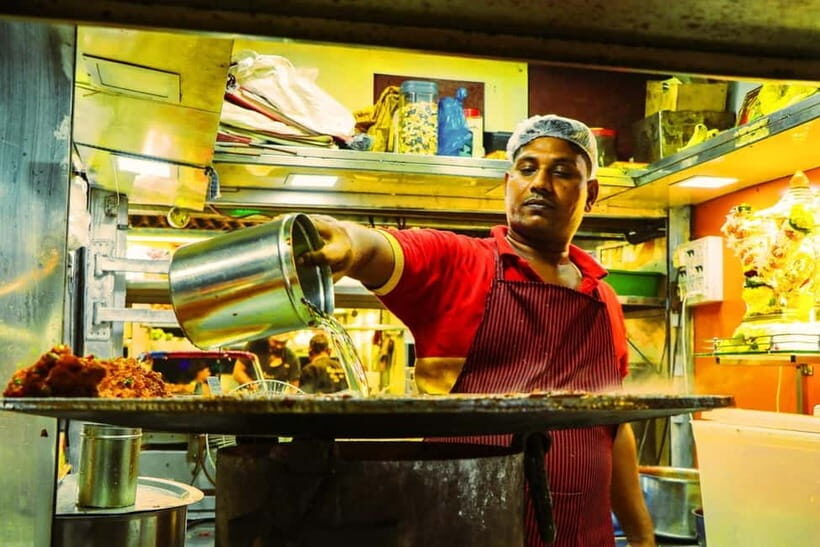
The whole experience starts with a simple idea: help you settle into South Mumbai fast. The tour includes a masala walk and good masala chai, served with mineral water. That’s not just a nice perk. In a place like Mumbai, a warm drink at the start lowers the friction—your energy is up, you can focus, and you’re more likely to notice details while you walk.
This start also sets the tone. You’re not only chasing famous architecture. You’re getting oriented to daily life—vendors, lane patterns, the flow of people, and how the area works from morning onward. If you’re arriving jet-lagged, this kind of opening is a lifesaver because it turns the first hour from stressful navigation into a guided lesson.
Shoes matter here. Expect lots of walking, and some street-level surfaces can be uneven. If your comfort depends on clean, smooth pavement, give yourself an extra buffer with supportive footwear and a water bottle in your bag.
You can also read our reviews of more walking tours in Mumbai



Gateway of India and the Fort precinct: history you can reach on foot

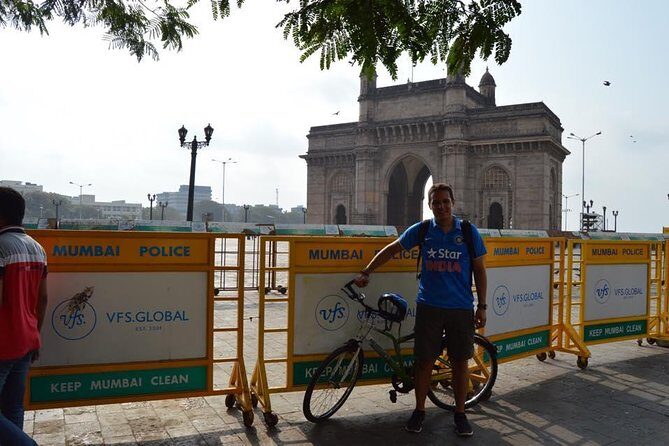
One of the best parts of this South Mumbai heritage walk is the way it connects landmarks to the surrounding blocks. You’ll pass through or focus on major colonial-era and independence-era context around the Gateway of India and the historic precinct of Fort. The point isn’t to recite dates. It’s to understand why these places matter and how the city’s chapters overlap in the same streets.
Walking this area is efficient. From a visitor perspective, it’s easy to see the headline landmark and then miss what’s around it. Here, the guide keeps attention on the context—how the colonial footprint shaped the built environment and how the city later reshaped its identity. You also get “up close” views rather than quick snapshots, which helps the whole picture click.
A practical note: this part of town can draw crowds, especially near major sights. Don’t expect a quiet stroll. Instead, think of it as a moving classroom—watch how people use the space, and listen for the stories tied to the architecture and street layout.
Chhatrapati Shivaji Maharaj Terminus: why this stop is more than photos
Chhatrapati Shivaji Maharaj Terminus (often called CST) is the kind of place where you can either skim it or actually understand it. This tour steers you toward the second option. You’ll see it as part of the South Bombay story, with attention paid to why the station is such an important piece of the city’s architecture and identity.
What I like about this stop is the walking format. You can observe details from different angles, and the guide’s narration helps you connect the structure to the broader city shift—from colonial era ambition to the modern buzz of Mumbai moving through the same corridors.
If you’re an architecture fan, you’ll likely enjoy this portion the most. But even if you’re not, it’s still a valuable checkpoint because it explains how “infrastructure” can become cultural landmark. Stations are where cities show their personality, and CST is no exception.
Colaba Causeway lanes: local commerce is part of the lesson
Colaba Causeway is one of those places where it’s easy to get stuck doing only the tourist version of shopping. This tour keeps it grounded. You walk through the lanes and you get time for cultural encounters—friendly vendors and artisans, plus exposure to the flavors of local cuisine (even if you just observe what people order and how they snack).
This is also where the tour starts to feel most like Mumbai-as-a-city, not Mumbai-as-a-sight. The guide helps you connect the dots: why certain streets feel busy at certain hours, why particular storefronts look the way they do, and how the street market rhythm ties into the surrounding history.
One drawback you should plan for: you may want to buy things, and that can slow your pace. If you’re on a tight schedule, decide beforehand whether you want souvenirs or just photo stops. The tour’s flexibility is a benefit, but it can also tempt you to linger.
Markets and the hole-in-the-wall bakery stop: eat with your eyes
A highlight for me is the time in markets, including a stop for fresh bread at a hole-in-the-wall bakery. That’s the kind of stop that makes a walking tour feel real. You’re not just looking at food culture from a distance. You’re seeing how everyday people get their daily basics—and what “fresh” looks like in practice.
This part also reinforces one of the tour’s strengths: it mixes major landmarks with smaller street-level experiences. Markets work because they compress context. In one area, you can see how residents shop, how sellers interact, and how the city’s energy behaves when it’s not wrapped in postcard framing.
If you’re sensitive to strong smells or crowded narrow lanes, just pace yourself. You don’t have to hover right at the counter. Stand back for a minute, watch how the flow works, then step in when it’s your turn.





Tea stops and guide flexibility: the comfort factor matters
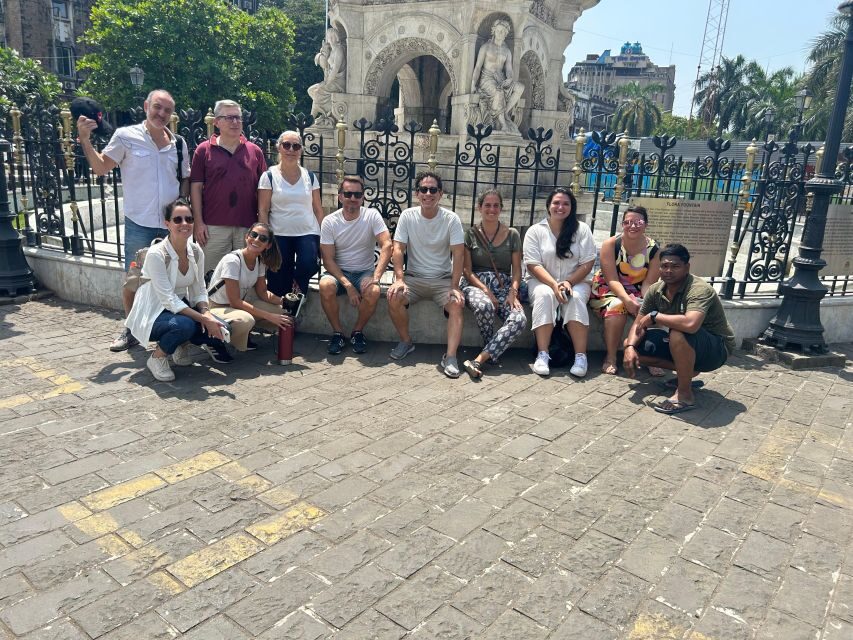
You’ll get masala chai included, but the tour also builds in an extra tea moment—guides may take you to a place where you can drink especially fine tea. That’s more than a break. Tea stops create natural checkpoints in a long walk. You catch your breath, refill your head with context, and you’re less likely to miss details because you’re tired.
The guide flexibility is another big plus. You may spend longer or shorter in certain areas depending on interest and comfort, rather than being dragged through a rigid checklist. That’s especially helpful if you like architecture but also want time to look at everyday life in markets.
If you bring a suitcase or have bags, note that guides have accommodated suitcase storage for at least some participants. That means the tour can be doable even if you’re in a logistical squeeze, as long as you coordinate with the guide and keep your belongings manageable.
Price and value: is $16 worth it?
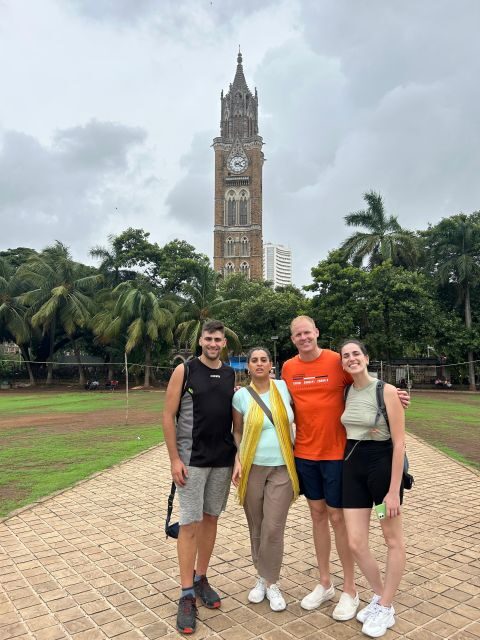
At $16 per person, this tour is priced like a serious value play. It’s not the kind of tour that makes you pay premium rates for the privilege of walking past things you could already see quickly. Instead, you’re paying for three things that are hard to DIY in South Mumbai: guided storytelling, time in markets and smaller lanes, and included drinks (masala chai with mineral water).
If you only care about big monuments, you could technically do that on your own. But if you want the “why” behind Fort and the station, plus the lived-in texture around Colaba Causeway and local stalls, the guide-led structure is what you’re buying.
The other value factor is efficiency. A walking tour is often the cheapest way to experience several key areas without juggling transit. Even when you could reach each sight separately, you’d likely lose the connective tissue that makes the whole area feel like one story.
Who this South Bombay walk fits best
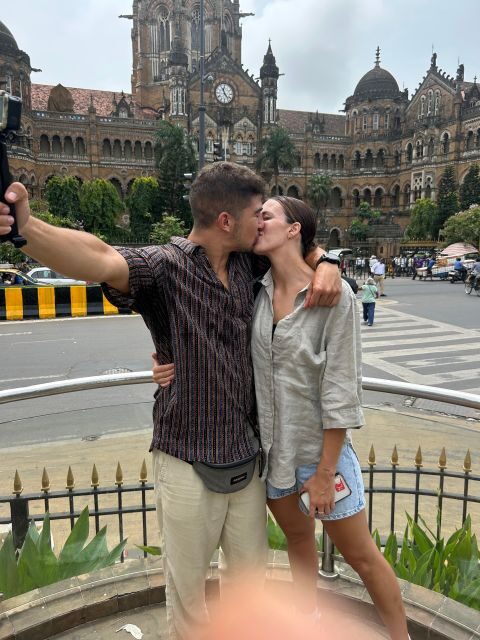
This tour makes the most sense if you:
- want a morning-feeling walk, starting with chai and settling into the streets
- like history tied to real places, not just textbook blurbs
- enjoy markets and small food moments as part of the sightseeing
- have limited time and want a guide to point you toward what to do next
It may be less ideal if you:
- want a fully seated experience (this is still a walking format)
- dislike crowds around major sights
- need long breaks or a very slow pace
In short: it’s a good match for people who want their city time to feel human.
After the tour: how to extend your day
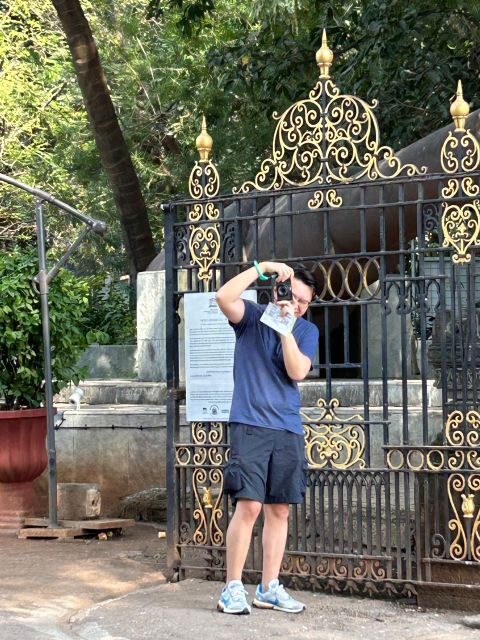
One practical strength is that the guide gives tips for what comes next. You’ll end in a central location where it’s easier to keep exploring or head back to your accommodations. That “what next” advice can save time and keep you from wandering in the wrong direction when your energy dips.
Use what you learn during the walk. If the guide points out particular lanes, viewpoints, or areas with different vibes, follow up while those story threads are still fresh.
Should you book this South Bombay Live Walking Tour?
Yes, if you want a guided South Mumbai walk that balances major landmarks with street-level life—and you appreciate chai and a good local food stop along the way. With a high rating (4.9 from 11 reviews) and guide-led storytelling from people like Ali and Nisar, the overall experience seems consistently strong.
But if your goal is purely to check off famous sights and you hate walking, you might prefer a shorter or more transit-heavy plan. Otherwise, this is one of the smarter “pay once, learn a lot” ways to experience South Bombay on foot.
FAQ
How much does the South Bombay Live Walking Tour cost?
It costs $16 per person.
What is included in the tour?
The tour includes good quality masala chai with mineral water.
What language is the tour offered in?
The tour is offered in English.
Does the tour start with masala chai or a masala walk?
The tour starts with a masala walk, and masala chai is included.
Which sights are included in the walk?
You can expect to see Gateway of India, Chhatrapati Shivaji Maharaj Terminus, and the historic precinct of Fort. You’ll also explore around Colaba Causeway.
Is there time in markets during the tour?
Yes. The tour includes walking through markets and local lanes.
Is there a bakery or food stop?
The tour includes a stop where you can pick up fresh bread from a hole-in-the-wall bakery, as part of the market experience.
Are there tea stops during the tour?
Yes. Masala chai is included, and the tour can also include a stop to drink especially fine tea.
Can I reserve now and pay later?
Yes. It offers reserve & pay later, so you can book without paying nothing today.
What is the cancellation policy?
You can cancel up to 24 hours in advance for a full refund.