REVIEW · MUMBAI
Mumbai: Private Slum and Sightseeing Full-day tour
Book on GetYourGuide →Operated by Mumbai with Locals · Bookable on GetYourGuide
Mumbai hits you like a traffic beat. On this private full-day Mumbai tour, I like how the day mixes the working Dhobi Ghat laundry scene with a guided Dharavi walk that shows how people turn everyday life into real enterprise. You also get a strong sense of the city’s layers, from rail grandeur to waterfront icons.
One thing to plan for: this is not a sit-and-look-only day. You’ll do walking (especially in Dharavi), and it’s not set up for wheelchair users, so wear shoes you can trust on uneven, crowded streets.
In This Review
- Key highlights worth caring about
- A one-day mix of Dharavi and Mumbai landmarks
- Private car + English-speaking guide: why it matters in Mumbai
- Starting at Gateway of India and Taj’s waterfront shadow
- CST at close range: Gothic rail grandeur in real time
- South Mumbai stops that explain the city’s colonial street map
- Banganga Tank: a sacred water stop with a slow feel
- Crawford Market: the real shopping chaos, not the postcard version
- Kamla Nehru Park and Marine Drive viewpoints
- Dhobi Ghat: when laundry is the show
- Walking Dharavi the right way: respect, context, and real enterprise
- The last stretch: Marine Drive at sunset light
- Price and logistics: is $85 a good deal for what you get?
- Who this tour suits best (and who should look elsewhere)
- Should you book this Mumbai Private Slum and Sightseeing full-day tour?
- FAQ
- FAQ
- How long is the tour?
- Is this tour private?
- What’s included in the price?
- Is food included?
- Does the tour include walking in Dharavi?
- Is it wheelchair accessible?
- What languages are the guides?
- Are there restrictions on what you can bring or do?
- Can I cancel and get a refund?
Key highlights worth caring about
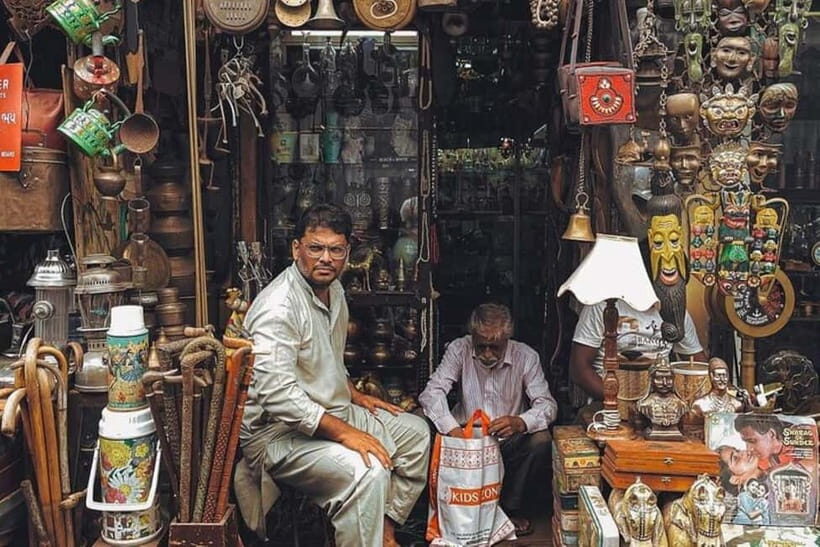
- A working Dhobi Ghat photo stop shows Mumbai laundry in action, not a staged “tourist version.”
- Chhatrapati Shivaji Maharaj Terminus (CST) gets you up close to a UNESCO-listed Gothic landmark and a major rail hub.
- Banganga Tank and the Jain Temple add quieter, spiritual pauses between big sights.
- Crawford Market is where you see everyday shopping energy and spice-and-produce reality.
- Dharavi is guided, with context focused on local industry and enterprise, not just appearances.
A one-day mix of Dharavi and Mumbai landmarks
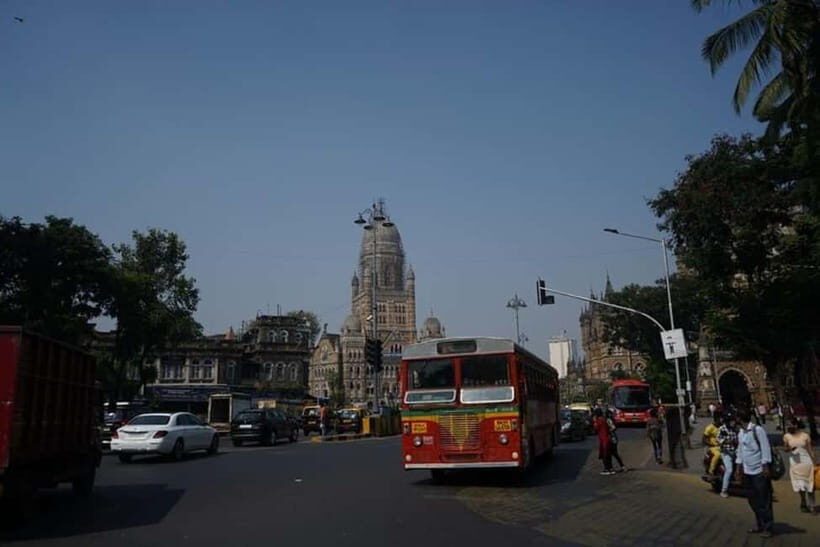
Mumbai’s big appeal is the contrast. You’ll see colonial-era buildings with the sea breeze nearby, then switch to streets where commerce and community run on momentum. This is exactly the kind of day that helps you understand why Mumbai feels like a living place, not a checklist.
I like that the tour isn’t only about famous monuments. Yes, you get the headline stops like Gateway of India and CST. But the heart of the day is the human scale—first through everyday work at Dhobi Ghat, then through a Dharavi walking visit that focuses on how people make livelihoods in tight neighborhoods.
You can also read our reviews of more private tours in Mumbai


Private car + English-speaking guide: why it matters in Mumbai

Mumbai can move fast. Even when you don’t want it to, traffic and street life shape your day. A private air-conditioned car helps you spend your time looking and learning instead of negotiating transit.
The guide is English-speaking (and also works in Hindi), and that makes a difference when you’re bouncing between very different areas. You’re going from busy civic sights to sacred or quieter stops, and you want someone to help you understand what you’re seeing—why a particular building matters, what a place is used for, and what’s respectful to do while you’re there.
You also get pick-up and drop-off in Mumbai, which is practical. Instead of building your own route across the city, the day has a built-in flow—so you can focus on the sights and the conversations.
Starting at Gateway of India and Taj’s waterfront shadow
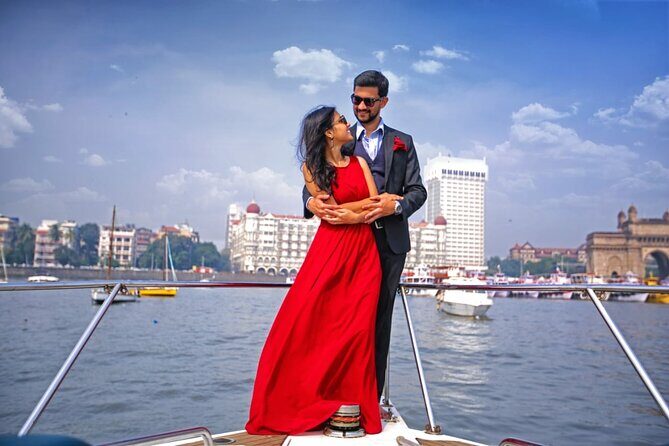
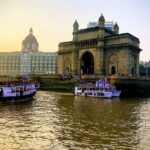
Most people think of Mumbai as skyscrapers and beaches, but the waterfront tells a different story. You start at Gateway of India, where you get a front-row view of a landmark tied to colonial-era waterfront drama.
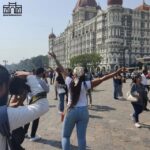
Right nearby is the Taj Mahal Palace Hotel. Even if you’re not staying there, it helps you read the “old money” vibe of South Mumbai against the constant street motion around it. The photo stop works well here because the area is recognizable from postcards, but you still get the real feel of the harbor-adjacent bustle.
This is a good start point because it sets a tone. You’re not just rushing from monument to monument—you’re getting oriented in a place where Mumbai’s past and present sit in the same frame.
CST at close range: Gothic rail grandeur in real time
Next you head to Chhatrapati Shivaji Maharaj Terminus (CST), a UNESCO-listed Gothic landmark and a busy rail hub. What makes CST special is that it isn’t a museum piece. It functions.
That means you see the building through the lens of daily life: commuters moving, rail activity happening, and the architecture standing up to real-world use. For architecture lovers, CST can feel like a surprise because it looks like it belongs in a storybook, yet it’s part of the city’s regular commute rhythm.
You get a short stop for photos and a guided look. It’s not long enough to wander forever, but it’s long enough to understand why CST is protected and why people keep photographing the façade.
South Mumbai stops that explain the city’s colonial street map
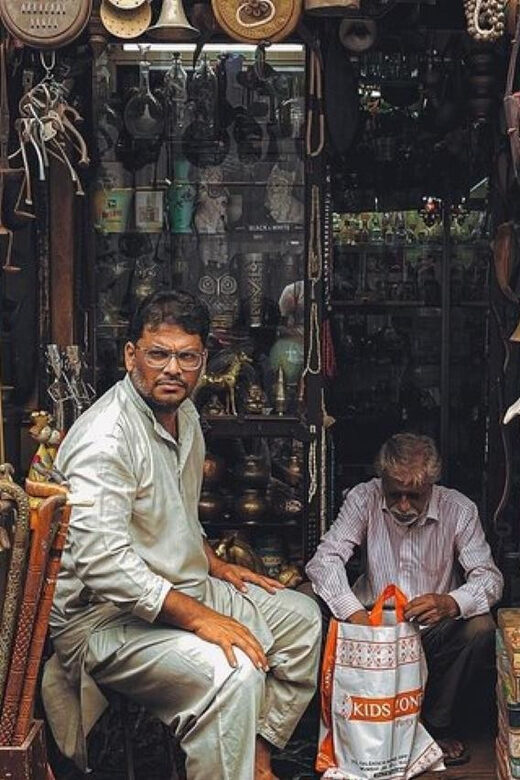
After CST, the day shifts through central South Mumbai with sights that help you read Mumbai’s colonial-era layout. You’ll pass major civic reminders such as Mumbai University and Bombay High Court.
The stop at Mani Bhavan adds another kind of history: it’s the home where Mahatma Gandhi once lived. Even with a brief visit, it’s a powerful pause because it moves the story from architecture to activism and the freedom struggle.
Then you move to places that shift your pace. You’ll stop at the Jain Temple, including time for a visit and photos. The important part here is the change in tone. After city blocks and major landmarks, the temple stop gives you a moment to slow down and reset.
You can also read our reviews of more tours and experiences in Mumbai




Banganga Tank: a sacred water stop with a slow feel
One of the most “how did I not know about this?” moments on the route is Banganga Tank. You’ll have time for photo stops and a guided visit.
This is described as a sacred ancient water tank with surrounding temples. In plain terms: it gives you a slice of Mumbai that feels older and calmer than the main corridors. Even if you’re not chasing spiritual depth, it’s a good break from the heavy traffic-and-monument loop.
I like this stop because it’s short, but it changes your perception. Mumbai isn’t only grand buildings and busy shopping streets; it also holds long-standing sacred spaces tucked into the city’s daily movement.
Crawford Market: the real shopping chaos, not the postcard version
Then comes Crawford Market, a place that’s known for everyday shopping—fresh produce and spices are part of what you’ll see. The tour includes photos, a visit, and a walk segment here.
What I think makes this stop valuable is that it’s not trying to be quiet. The market feels like Mumbai’s day-to-day engine: people moving, bargaining energy, and the visual language of spices and goods. If you enjoy street-level life, this is where you’ll feel most connected to how locals actually live.
A practical tip: wear breathable clothes and keep your phone secure. Markets can be crowded, and your schedule is timed around getting to other sights.
Kamla Nehru Park and Marine Drive viewpoints

Before the day ends in the waterfront glow, you’ll take in skyline views from Kamla Nehru Park. This stop is for photos and a short break.
From there, you get a panoramic look toward Marine Drive and the Arabian Sea. It’s one of the better ways to understand Mumbai’s geography in a hurry: you see how the city sits beside the water, and you connect the day’s landmarks back to the ocean setting.
If you’re short on time and want one clean “view window” that ties locations together, this is it.
Dhobi Ghat: when laundry is the show
Now for a signature stop: Mahalaxmi Dhobi Ghat, described as the world’s largest open-air laundry in action. You’ll get a photo stop and sightseeing time here.
This is one of those places where the visuals explain the purpose instantly. Hundreds of washermen work in open air, and you’ll see the scale of it in a way that’s hard to imagine until you’re there. The attraction isn’t only the photos—it’s realizing how much skill is involved in routine work you usually never think about.
Timing matters a bit, because open-air working scenes can change with the flow of the day. You’ll have around 15 minutes for photos and quick sightseeing, so don’t plan to do a slow, detailed shoot. Think of it as a fast, focused snapshot of real work.
Walking Dharavi the right way: respect, context, and real enterprise
The main event is the Dharavi guided visit, including about 2 hours of walking through the neighborhood.
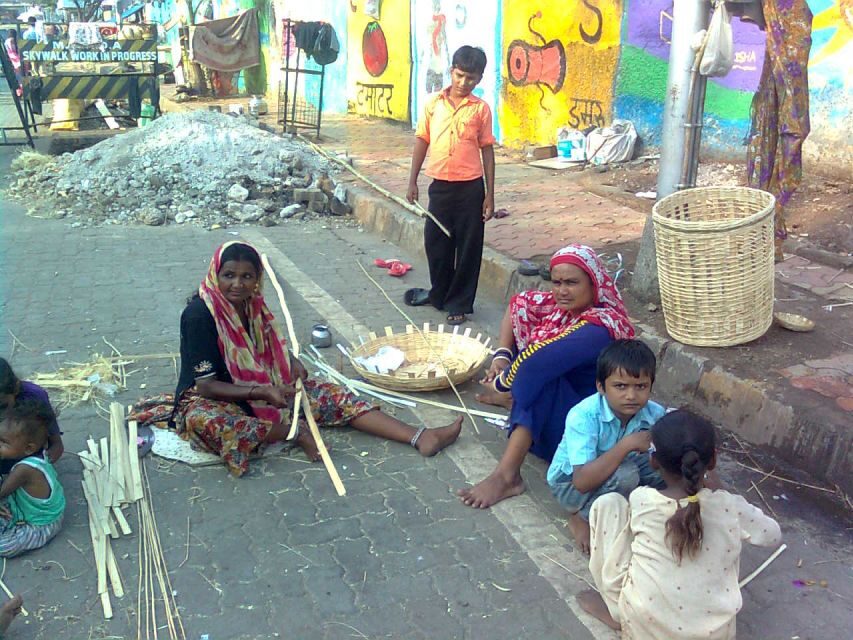
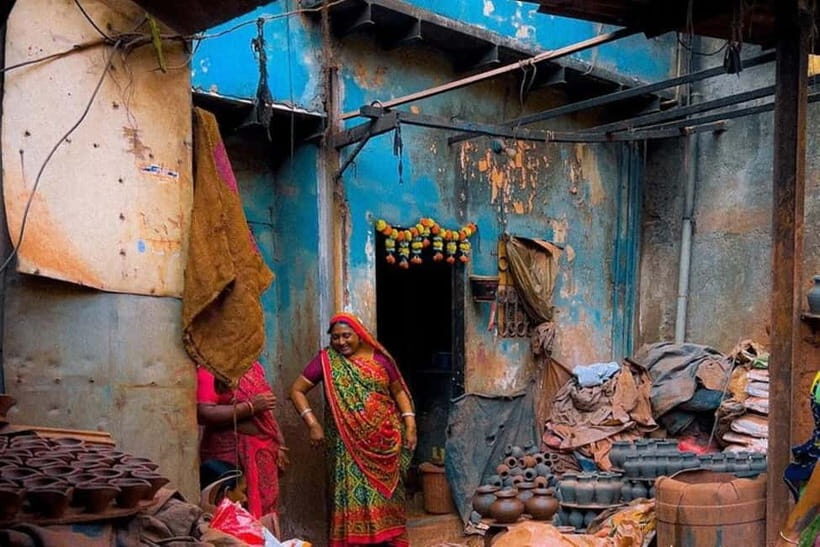
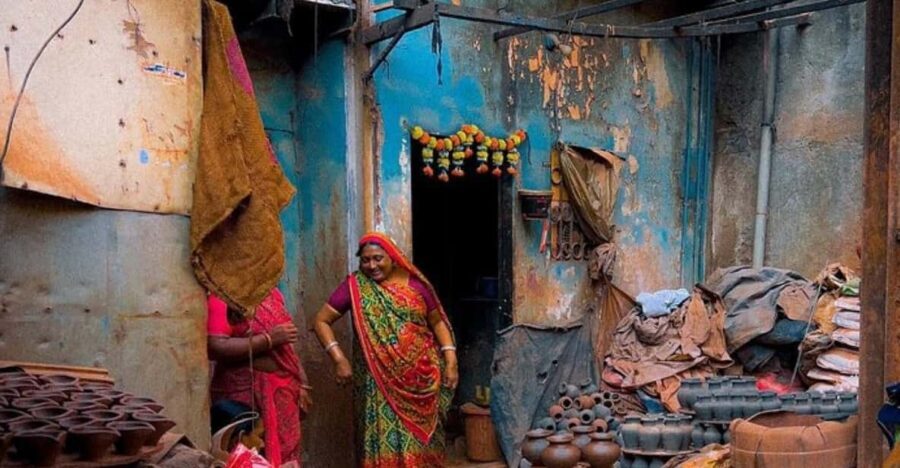
This tour treats Dharavi as more than a stereotype. The focus is on how Dharavi functions as a community with small-scale industries—recycling, pottery, textiles, and other work that connects to exports. That framing matters. It shifts the question from what you’re looking at to how people are sustaining economic life in tight spaces.
You’ll walk narrow alleys and see hard work close up. That can be emotional, but the most useful part is the guide’s context—why certain areas are used the way they are, and how to observe without turning people into props. The day asks you to dress modestly and be respectful while visiting local communities.
Also note what you’re stepping into: this part of the day is not designed for easy mobility. It’s not suited for wheelchair users, and the tour isn’t marked as suitable for people who are visually impaired. Even if you’re fine on your feet, expect uneven surfaces and a crowding effect from narrow lanes.
In the reviews, guides and drivers get praised for keeping the experience informative and safe. Names like Bala and Javed come up for strong explanations, and the driving gets credited to Pranav for safe, efficient transit and not turning the ride into a constant horn session. That matters because Dharavi + traffic can be stressful; having a steady guide keeps your attention where it should be.
The last stretch: Marine Drive at sunset light
To wrap up, you’re driven along Marine Drive with the setting sun over the Arabian Sea. The route is timed so the city lights begin to twinkle along the famous stretch that locals call the Queen’s Necklace.
This finale is useful because it gives you an emotional landing spot. The earlier stops can be intense—markets, religious spaces, and Dharavi. The waterfront glow is a reminder that Mumbai’s energy continues after the hard questions. It also helps you connect the day’s variety into one mental map.
Price and logistics: is $85 a good deal for what you get?
At $85 per person for an 8-hour private tour, the value depends on what you want from Mumbai in one day.
Here’s what you’re paying for, in practical terms:
- A private air-conditioned car for moving between South Mumbai sights and Dharavi
- An English-speaking guide for interpretation and guidance
- A guided Dharavi visit with about 2 hours of walking
- Several planned stops that are time-efficient for a first pass at the city
- Packaged water
What you’re not getting:
- Food and drinks (you’ll need to handle meals on your own)
- Long, unstructured time at each sight (it’s a managed day, not a free roam marathon)
If you’re trying to cover the waterfront icons, UNESCO CST, the working Dhobi Ghat, plus a guided Dharavi walk in one go, this price can feel fair. You’re basically paying to compress logistics and get context from a guide while avoiding the hassle of stitching together multiple day segments yourself.
If you’re the type who wants hours of wandering and zero scheduling pressure, you might feel the day runs “quick.” For that style, you’d likely want a slower plan with fewer locations.
Who this tour suits best (and who should look elsewhere)
This works well for:
- First-time visitors who want a fast, meaningful overview of Mumbai’s range
- People who like guided context, not just photos
- Travelers comfortable with walking and crowded streets
- Anyone who wants the day to include both major landmarks and local life
It may not fit you if:
- You need wheelchair access or specialized mobility support (it’s not suitable for wheelchair users)
- You rely on visual accessibility accommodations (not suitable for visually impaired people)
- You want a purely “comfortable sightseeing day” with minimal exposure to narrow alleys and working neighborhoods
Should you book this Mumbai Private Slum and Sightseeing full-day tour?
I’d book it if your goal is a full-day Mumbai story that goes beyond the postcard route. The combination of Dhobi Ghat, UNESCO CST, Gateway of India, and a guided Dharavi walking visit gives you a rare balance: architecture and waterfront glamour on one side, everyday work and local enterprise on the other.
If you dislike walking, get overwhelmed easily in tight spaces, or need accessibility accommodations, then you’ll probably feel stressed instead of informed. But if you can handle a real day on your feet and you’re willing to dress modestly and observe respectfully, this is one of the more grounded ways to see Mumbai in a single day.
FAQ
FAQ
How long is the tour?
The tour duration is 8 hours.
Is this tour private?
Yes, it’s a private group tour with an English-speaking tour guide.
What’s included in the price?
Included are pick up and drop off, a private air-conditioned car, an English-speaking tour guide, and packaged water.
Is food included?
No. Food and drinks are not included.
Does the tour include walking in Dharavi?
Yes. The Dharavi part includes a guided tour with walking for about 2 hours, and comfortable shoes are recommended.
Is it wheelchair accessible?
No. It’s not suitable for wheelchair users.
What languages are the guides?
The tour guide can speak English and Hindi.
Are there restrictions on what you can bring or do?
Pets are not allowed, and alcohol and drugs are not allowed. Nudity is also not allowed. The tour also asks you to dress modestly and be respectful while visiting local communities.
Can I cancel and get a refund?
Yes. Free cancellation is available up to 24 hours in advance for a full refund.