REVIEW · MUMBAI
Mumbai: Local Transport & Dabbawallah Tour
Book on GetYourGuide →Operated by Reality Tours and Travel Private Limited · Bookable on GetYourGuide
Mumbai teaches you fast. This tour shows the working heartbeat of the city by mixing suburban rail with neighborhood markets and the daily world of the dabbawallahs. You get a real sense of how Mumbai moves, not just how it looks, starting near CSMT and working through places like Dadar Flower Market and Dhobi Ghat before heading into Chor Bazaar.
My favorite part is the way the itinerary forces you onto the actual local commute—train, then bus, then classic black-and-yellow taxis—so you can watch daily life in motion at a comfortable pace. I also like the focus on the big names you’d otherwise skip, especially Chor Bazaar’s scale and energy. One thing to consider: it’s a group walking-and-riding plan (max 6), and comfortable shoes matter because you’ll be on your feet and moving between modes of transport.
In This Review
- Key Highlights You’ll Feel in Your Feet
- Why This Tour Works: Mumbai Beyond Postcards
- Starting at Regal Cinema: Easy Meet-Up, Real Day Ahead
- Chhatrapati Shivaji Maharaj Terminus (CSMT): A Fast Orientation
- The Suburban Train Ride: How Mumbai Feels When You’re Inside It
- Dadar Flower Market: A Market Stop That Explains the City
- Dhobi Ghat: A Photo Stop With Big Meaning
- Black-and-Yellow Taxi Legs: Comfortable Zoom Through Busy Space
- Chor Bazaar: Flea-Market Energy and How to Browse Smart
- A View Point Walk: Short Legs, Good Payoff
- Dabbawallahs at Churchgate: The Lunch System That Runs on Trust
- Value Check: Is $31 a Smart Deal?
- Tour Pacing Reality: Quick Stops, Watch Your Expectations
- Practical Tips That Make This Tour Smoother
- Should You Book This Mumbai Local Transport and Dabbawallah Tour?
- FAQ
- How long is the Mumbai Local Transport & Dabbawallah Tour?
- What’s included in the price?
- Is hotel pickup and drop-off included?
- Is food included?
- Where does the tour start?
- How many people are in the group?
- What transport do you use during the tour?
- What language is the guide?
- Is the tour suitable for strollers or prams?
- What is the cancellation policy?
Key Highlights You’ll Feel in Your Feet
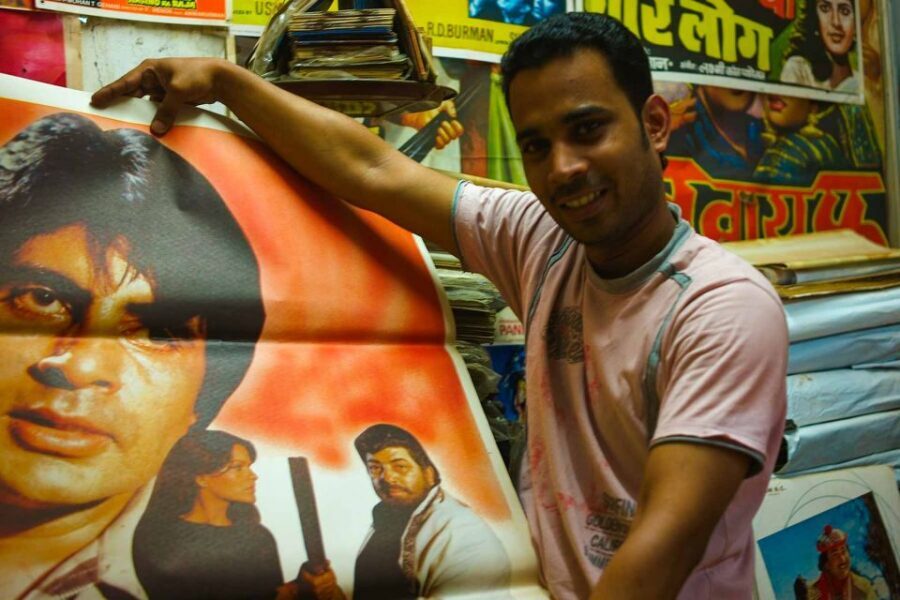
- Local transport, not tourist transport: suburban train, public bus, and black-and-yellow taxi keep the day grounded
- Dabbawallahs in action: you’ll see the lunch delivery system associated with Churchgate-area rhythms
- CSMT and Dadar Flower Market: an iconic station start plus the kind of market stop that explains Mumbai’s economy
- Dhobi Ghat photo stop: quick but meaningful look at Mumbai’s laundry work
- Chor Bazaar for bargain-hunters: one of India’s best-known flea markets, with a guided walk plus shopping time
Why This Tour Works: Mumbai Beyond Postcards
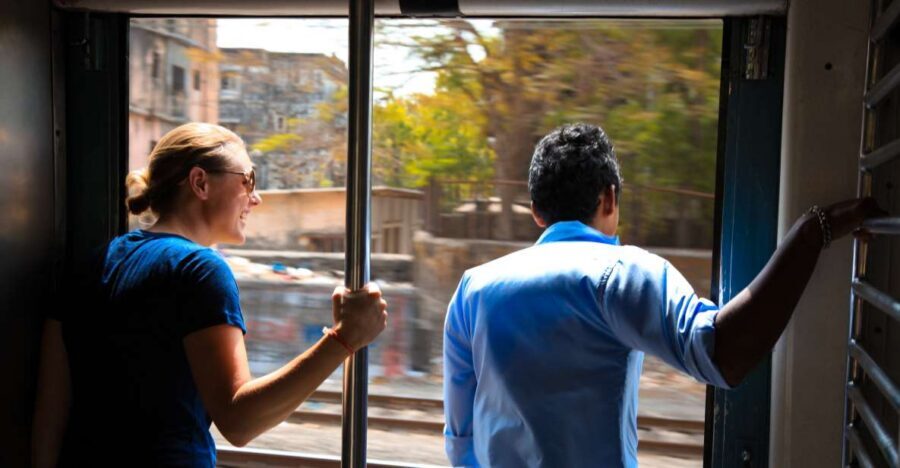
Most Mumbai tours do the same thing: a photo, a quick explanation, and you’re off. This one is different because it’s built around movement—how people actually get to work, buy what they need, and keep a city running on tight schedules.
In 3.5 hours, you’re not just seeing landmarks. You’re riding the same types of transport most locals use: a suburban train for the main commute feeling, a public bus for street-level chaos, and black-and-yellow taxis when the route demands flexibility. That combo matters because Mumbai is a city of motion. When you experience it as a passenger, you pick up the rhythm quickly.
You’ll also get context for the everyday challenges behind the headlines. The focus on working life—plus the lunch-box delivery system—makes the day feel human. It’s not gloomy. It’s practical. You come away with more respect for daily logistics than you expected.
You can also read our reviews of more tours and experiences in Mumbai.



Starting at Regal Cinema: Easy Meet-Up, Real Day Ahead

Your meeting point can vary, but the tour lists Regal Cinema as a starting option. That’s useful if you’re staying around South/Central Mumbai and want to roll into the tour without a long transit just to begin.
The tour time is tight by design. You’ll have a 15-minute public transport segment right away, which helps you settle into local commuting mode before you start hopping in and out of stops. If you’re the type who gets stressed by getting your bearings, arriving a bit early helps. Mumbai’s public spaces can feel loud and crowded even when everything is organized.
This tour runs as a group activity. The maximum group size is 6 people, and you may be joined by other travelers depending on the booking type. If you want more space for questions, look for the private group option.
Chhatrapati Shivaji Maharaj Terminus (CSMT): A Fast Orientation
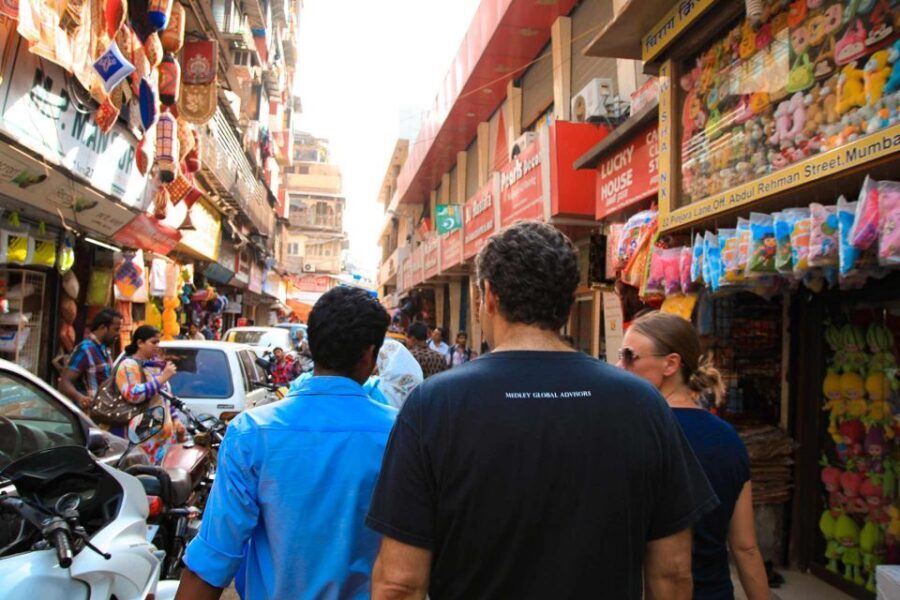
The tour’s first major sight is Chhatrapati Shivaji Maharaj Terminus (CSMT), with about 10 minutes for visiting and sightseeing. This short stop is exactly right for most people. You’re not trapped in a museum-style timeline. You’re getting an anchor point: where the rail story begins, and how much Mumbai leans on rail for daily life.
Even in a quick visit, you’ll get to clock the scale and the vibe. If architecture is your thing, spend an extra few seconds looking up and taking in the station details before moving on. If crowds make you impatient, don’t worry. This stop is short enough that you can still enjoy the rest of the day.
The Suburban Train Ride: How Mumbai Feels When You’re Inside It
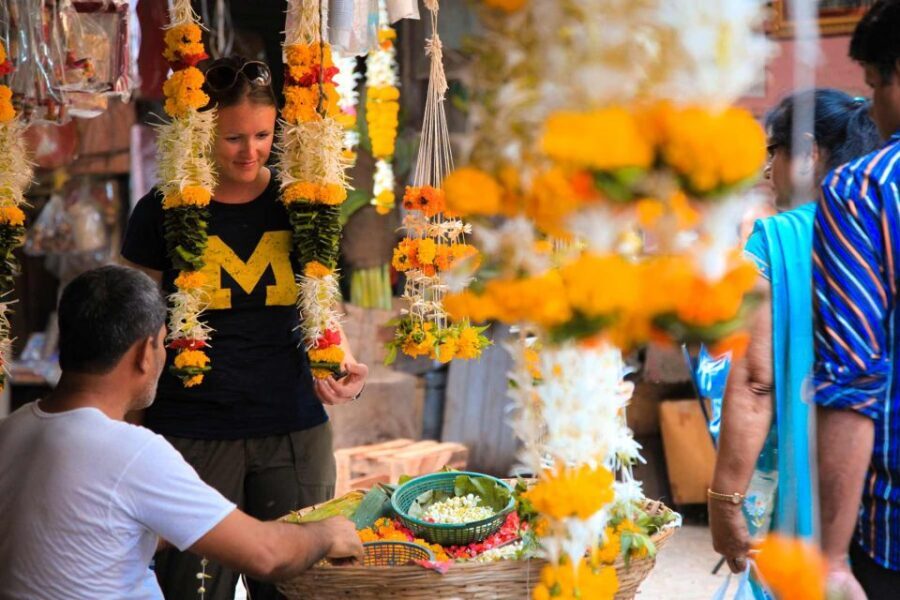
Next comes a 15-minute train segment. This is where the tour earns its keep. Mumbai’s suburban rail isn’t just transport; it’s a moving community. You’ll feel the speed of decisions and the practical way people manage bags, seating, and timing.
A quick practical note: trains can feel crowded, and sometimes the door areas are where the motion concentrates. Keep your phone secure, hold your spot, and don’t try to “see everything.” Your job is to experience the flow. The guide’s role here is crucial because they’ll help you get on and off smoothly so you don’t waste time figuring it out.
You’ll also return to a second train segment later (about 10 minutes). That structure helps you compare moments: one ride as you start the commute rhythm, another as you reposition for markets.
Dadar Flower Market: A Market Stop That Explains the City
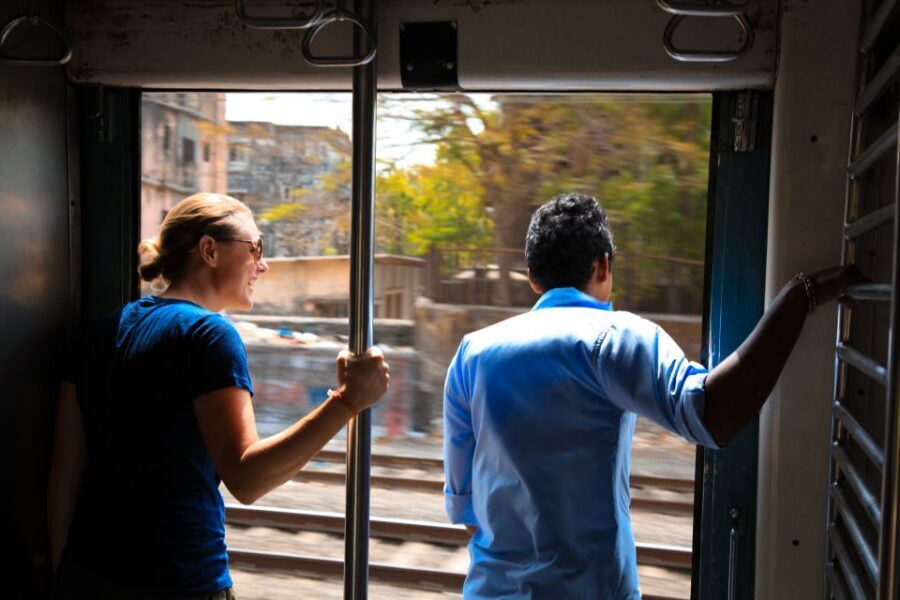
Then you’re off to Dadar Flower Market, with about 15 minutes for a guided visit, sightseeing, and walking. This is one of the stops that changes how you think about Mumbai. Flowers are not just a pretty detail here—they tie into religion, celebrations, and daily ritual across neighborhoods.
What you’ll notice fast is that flower markets work on volume and speed. People move with purpose, and the flow of buyers and sellers keeps the energy constant. Even if you’re not shopping, it’s worth paying attention to how goods are sorted and displayed.
If you’re photographing, keep your stance calm. Don’t block pathways, and if vendors look busy, treat it like you would in any workplace. The guide can point out what’s worth a look so you don’t end up wandering.



Dhobi Ghat: A Photo Stop With Big Meaning

Next is Dhobi Ghat, with a brief photo stop and sightseeing (around 10 minutes). This isn’t long enough to turn it into a documentary, but it’s enough time to register what you’re looking at and understand why this laundry landscape matters.
The value here is perspective. You’ll see a working environment shaped by routine, water management, and steady demand. It’s one of those places where a short visit hits harder than you expect because the work is visible and ongoing.
Wear shoes you can stand in. Even a short stop can mean uneven ground and quick movement. You’re there to observe, take respectful photos, and then move on.
Black-and-Yellow Taxi Legs: Comfortable Zoom Through Busy Space

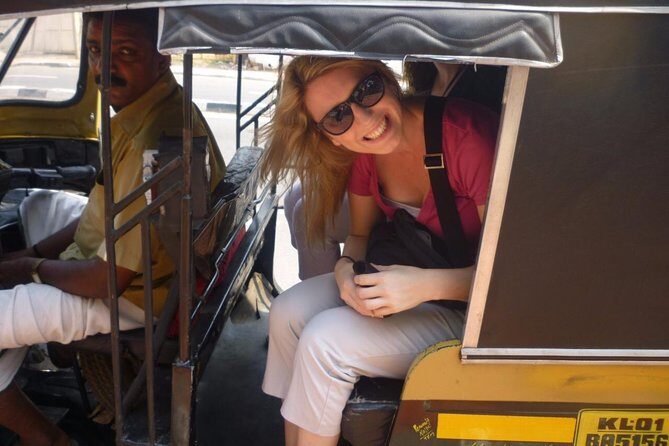
The itinerary includes taxi rides: one about 15 minutes and another about 20 minutes later. These taxi hops can feel like a relief in a city where traffic and crowds can slow you down.
But taxis also help you experience contrasts. You’ll go from dense street-level movement into a faster, guided transit corridor where you can regroup. It’s a good setup before you hit Chor Bazaar, because you’ll arrive with your brain switched back on and ready to browse.
If you’re prone to getting carsick, consider that traffic can build quickly in Mumbai. The tour’s short bursts reduce exposure, but you should still be prepared.
Chor Bazaar: Flea-Market Energy and How to Browse Smart

Chor Bazaar is where the tour shifts into shopping time. You’ll spend about 30 minutes there with a guided visit and shopping.
Chor Bazaar is known for being one of the largest and busiest flea markets in India, and the tour structure reflects that reality. A guided walk helps you avoid getting lost in the density, and you’ll have a set window so you don’t feel like you’re wandering for hours.
Here’s how to shop smarter in a market like this, even on a time crunch:
- Pick 2–3 categories you actually want (not everything)
- Decide what price range feels fair for you before you start bargaining
- Don’t buy the first thing you see; walk a bit, then return
Also, keep your purchases light. The tour keeps moving between transport modes, so think about what you can carry comfortably for the rest of the day.
If bargaining isn’t your style, you can still enjoy Chor Bazaar just as a sensory stop. Look at materials, colors, and how stalls organize inventory. You’ll learn more by watching than by buying.
A View Point Walk: Short Legs, Good Payoff
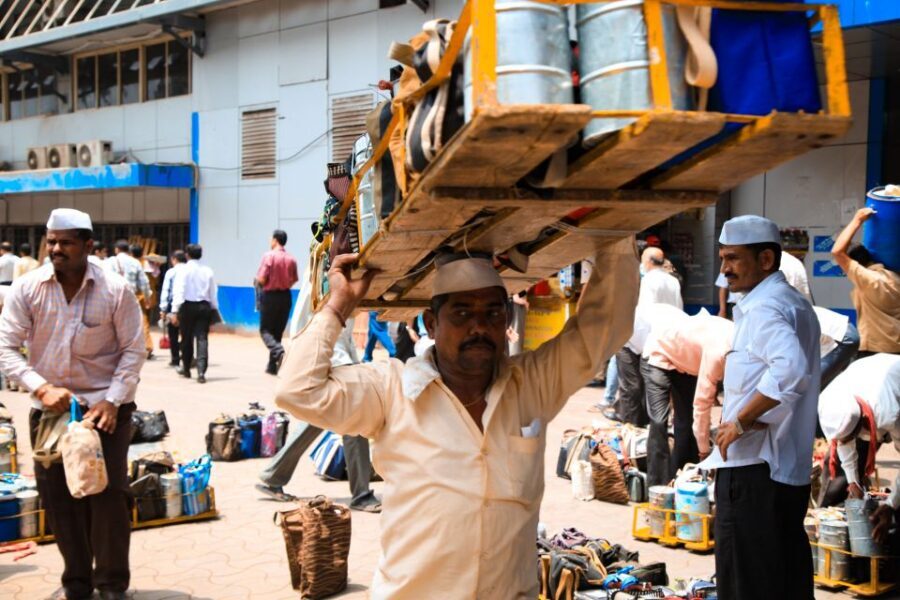
After Chor Bazaar, there’s a taxi ride and then about a 10-minute walk at a view point. The point of this stop is simple: give your eyes a break and add a little “top-down” context to the day.
Because it’s short, you won’t get stuck in a long climb or drawn-out viewing session. Instead, you’ll get a quick shift from market intensity to open-air perspective. If you’re tired, this is a great moment to pause, take in the horizon if conditions allow, and let your guide explain what you’re seeing.
Dabbawallahs at Churchgate: The Lunch System That Runs on Trust
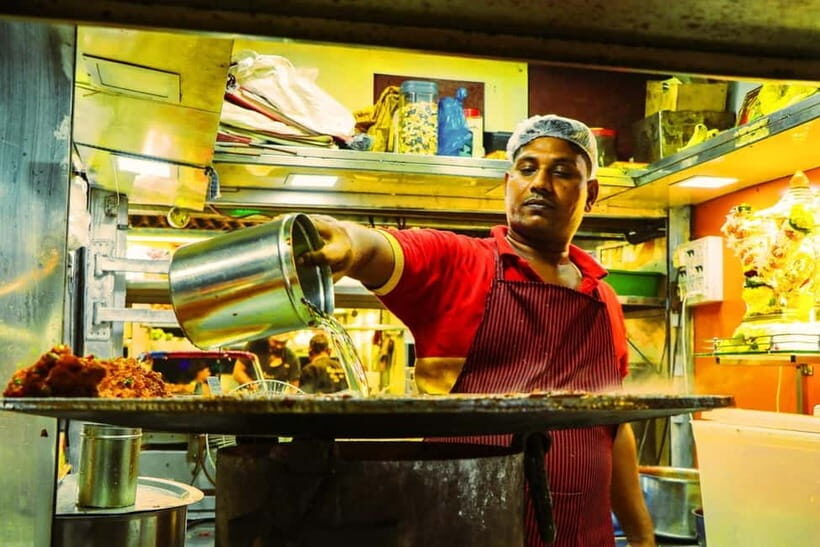
A core highlight is learning about the dabbawallahs, the workers tied to Mumbai’s intricate lunch-box delivery system, and seeing how it works in action around the commute flow (commonly associated with the Churchgate area stop). The tour also lists Churchgate Station as a drop-off location, which lines up with where you get that glimpse.
Even if you know the basics, this kind of stop adds something important: it makes logistics visible. You get to watch the teamwork behind a process that depends on accuracy, timing, and constant handoffs.
This is also a great stop for questions. Ask your guide how the system stays organized. Listen for the practical details—route timing, handover points, and why the daily rhythm is so strict. That’s where the meaning lands.
And yes, this is the sort of experience that turns into a story you’ll tell later, because it’s specific to Mumbai in a way generic sightseeing can’t match.
Value Check: Is $31 a Smart Deal?
For around $31 per person and 3.5 hours, the value looks solid because the price includes:
- a local English-speaking guide
- all transport during the tour
- water/cold drink
What’s not included is food and hotel pickup/drop-off. Still, the structure reduces your “cost of thinking.” You’re not paying for separate tickets, guessing directions, or sorting out timing across different neighborhoods. The tour takes care of those moving parts.
Also, small group size (max 6) helps. You’re not stuck in a huge crowd where questions disappear and everyone walks in one line. If you get a guide who stays on task, this format feels smooth.
One caution: the itinerary can feel like “quick in, quick out” at each stop. That’s not automatically bad—short visits can be a good tradeoff for getting more variety. But if you prefer slow pacing and lots of wandering, you may feel a little pushed.
Tour Pacing Reality: Quick Stops, Watch Your Expectations
The experience is designed for movement, with short segments like 10–15 minutes at several stops and set shopping time at Chor Bazaar.
That means you should go in ready to:
- take photos fast
- ask questions quickly
- accept that some places get a “see it and understand it” treatment, not a “walk it for an hour” treatment
One review noted the tour can feel rushed and that explanation time can vary. Another mentioned taxi usage alongside buses. So your best strategy is to be active: ask what matters most to you, and don’t wait for perfect timing. A good guide will answer directly.
If you want the tour to feel less rushed, you can ask your guide early in the day if there’s flexibility for extra minutes in one of the stops you care about most.
Practical Tips That Make This Tour Smoother
- Bring comfortable shoes. You’ll be walking at markets and sight stops, and the tour says it’s not suitable for prams/strollers.
- Travel light if you shop at Chor Bazaar. You’ll still be riding trains, buses, and taxis after.
- Keep your water bottle routine. The tour provides water/cold drink, but a small habit of sipping helps you handle heat and crowded rides.
- Keep some cash or a card for food. Since food isn’t included, you might want an easy plan for snacks.
- If you care about shopping, decide before you arrive. Markets reward focus.
Should You Book This Mumbai Local Transport and Dabbawallah Tour?
You should book if you want Mumbai as a daily lived experience. This is best for people who like public transport, don’t mind quick stops, and want a strong sense of how a working city functions. If you’re especially interested in the dabbawallahs and lunch-box delivery logistics, this tour gives you a direct view of that world.
You might skip it if you want a slower, museum-style pace with lots of time to linger. Also consider it if long crowded transport moments stress you out. The tour is group-based and active, even though it’s short.
If you’re a practical traveler who wants value—guide + transport + multiple neighborhoods in 3.5 hours—this is a smart way to spend a half-day in Mumbai.
FAQ
How long is the Mumbai Local Transport & Dabbawallah Tour?
The duration is 3.5 hours.
What’s included in the price?
It includes a local English-speaking guide, all transport during the tour, and water/cold drink.
Is hotel pickup and drop-off included?
No. Hotel pickup and drop-off are not included.
Is food included?
No. Food is not included.
Where does the tour start?
The meeting point may vary depending on the option booked. One listed starting option is Regal Cinema.
How many people are in the group?
This is a group activity with a maximum group size of 6 people, and you may be joined by other travelers. A private group is also available.
What transport do you use during the tour?
You’ll use a suburban train, a public bus, and black-and-yellow taxis.
What language is the guide?
The tour provides a live guide in English.
Is the tour suitable for strollers or prams?
No, the tour is not suitable for prams/strollers.
What is the cancellation policy?
Free cancellation is available up to 24 hours in advance for a full refund.