REVIEW · MUMBAI
Mumbai: Half Day Elephanta Caves Guided Tour with Ferry Ride
Book on GetYourGuide →Operated by Beautiful Bombay Tours · Bookable on GetYourGuide
Elephanta caves feel like carved time travel. This half-day tour pairs a scenic ferry ride across Mumbai bay with a guide who helps you read the stone. You’re not just walking around—you’re connecting the carvings to the people and beliefs that made the caves sacred.
I especially like the way the tour is built around a private guided visit. Guides such as Sneha and Pankaj (and also Neha, Shruti, or Sahil on other departures) explain Hindu mythology in clear, patient detail, so the big scenes make sense fast.
One thing to plan for: steep steps. On busy days, the ferry area can feel crowded, and the caves involve lots of walking and climbing, so it’s not a good fit for mobility issues.
In This Review
- Key points worth clocking before you go
- Setting Off From Mumbai: The Ferry Ride and Pickup Rhythm
- Elephanta Island to the Entrance: How the Private Guide Shapes the Visit
- Inside the Shiva Cave: Carving, Symbolism, and the 20-Foot Trimurti
- Ganesh, Kartikeya, and the Other Wings You Should Not Skip
- Why These Caves Matter to Hindu and Buddhist Stories
- Comfort and Timing: Steps, Shoes, and a Realistic 4.5–6 Hours
- Price and Value Check: What Your $27 Booking Covers
- Who This Tour Suits (and Who Should Think Twice)
- Should You Book This Half-Day Elephanta Tour?
- FAQ
- How long is the Elephanta Caves tour?
- Is hotel pickup included?
- Do I need to pay extra for the ferry and cave tickets?
- What’s included in the tour price?
- Can I take photos inside the caves?
- What should I bring?
- Is the tour suitable for wheelchair users or people with mobility impairments?
- What’s the cancellation policy?
Key points worth clocking before you go

- Ferry views first: you cruise out across Mumbai bay and come back the same way
- Private guide attention: English live guide and time to ask questions without rushing
- Shiva Cave highlight: the 20-foot Trimurti sculpture is the main moment
- Multiple shrine wings: you’ll see stories tied to Shiva, plus shrines for Ganesh and Kartikeya
- Skip-the-line cave entry: you get direct access once you arrive
- Comfort matters: lots of steps inside and you’re exposed to sun on the island
Setting Off From Mumbai: The Ferry Ride and Pickup Rhythm
Your day starts with pickup that fits your schedule. Depending on the option you choose, you’ll get hotel pickup and drop-off, and the driver and guide meet you in the hotel lobby at the set time. If you’re using the tour’s listed drop-offs, you may return to areas like PizzaExpress or Regal Cinema in Mumbai, which can make it easier to plan dinner after.
The transfer time is built into the total window—plan on about 4.5 to 6 hours overall. A lot of that time is simply moving between Mumbai and Elephanta Island: you’ll head to the departure point, ride the ferry, then return after the caves visit.
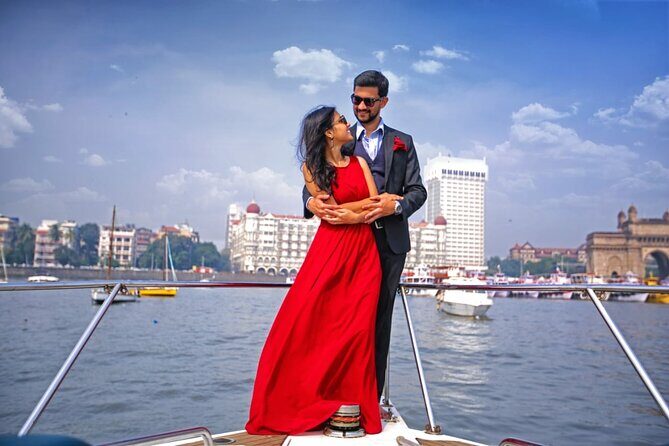
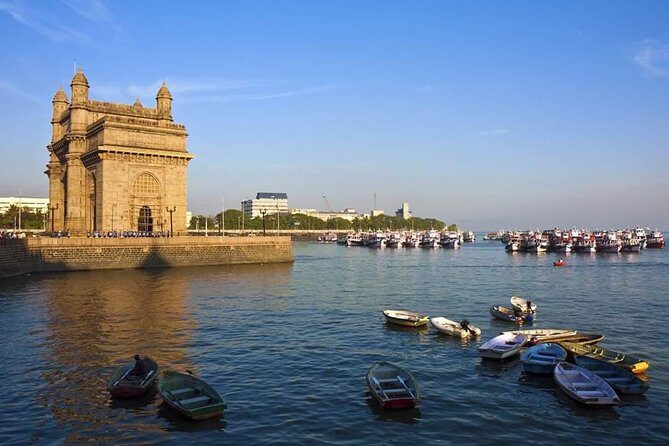
What makes this ferry portion more than just transport is the viewpoint. The cruise offers scenic looks back toward the Mumbai skyline. Even if you’ve seen photos, the scale feels different from the water. Plus, you get an easy mental transition from modern Mumbai noise to the quiet rhythm of the island walk.
A practical note: the caves are part of a UNESCO World Heritage Site, and that usually means rules and crowd management. The tour includes skip-the-ticket-line access for the caves, which helps keep your time inside focused on the stonework rather than waiting.
You can also read our reviews of more guided tours in Mumbai


Elephanta Island to the Entrance: How the Private Guide Shapes the Visit
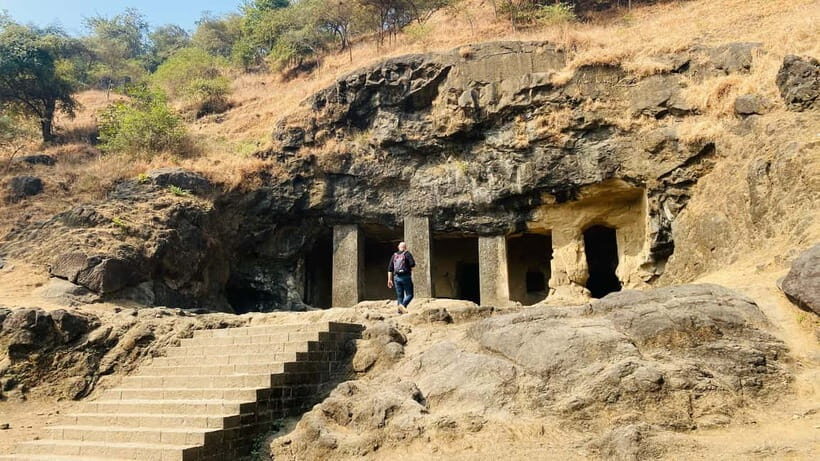
Once you reach Elephanta Island, the visit turns into a guided walk through a labyrinth-like complex of carved shrines and temples. This is the part where a good guide earns their keep. Elephanta is easy to admire and hard to fully read if you don’t know what you’re looking at—especially because the caves connect to both Hinduism and Buddhism.
This tour’s private setup matters. You’re not stuck in a rushed herd. The guide sets the pace, helps you understand why particular figures or scenes show up together, and points out details that you’d normally miss.
You might meet someone like Sneha at the start of the ferry day, then hand off to a local guide on the island. On some departures, Pankaj leads the cave walk with a calm, step-by-step approach (and even helps take panoramic photos). On other days, Neha, Shruti, or Sahil may be your guide, each with their own style, but all focused on explaining the meaning of the carvings.
If you like asking questions, this is a good match. The tour is designed for someone who wants more than a quick description—it’s built to connect artwork to stories.
Inside the Shiva Cave: Carving, Symbolism, and the 20-Foot Trimurti
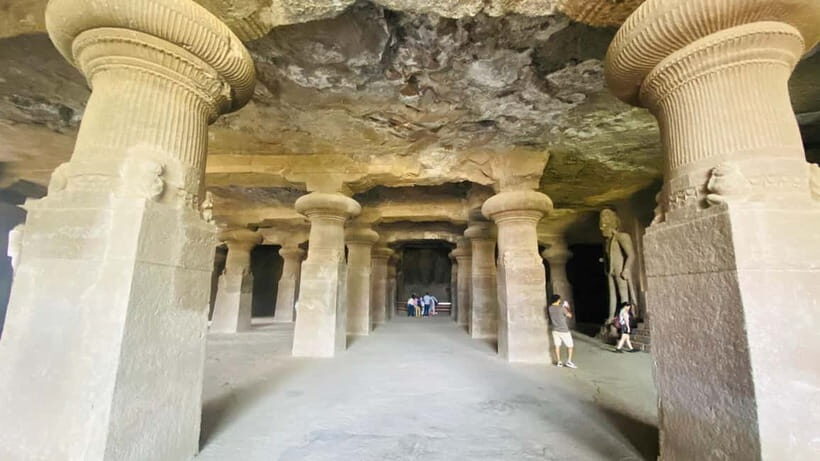
The main anchor is the Shiva Cave. This is where you’ll spend your time in the most famous central areas, including depictions of Lord Shiva’s stories.
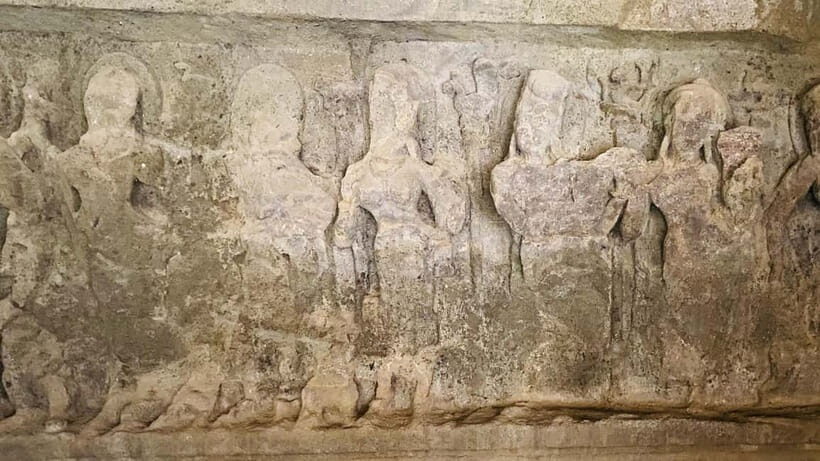
The headline attraction is the 20-foot-tall Trimurti sculpture. Seeing a carving of that size in person changes your sense of scale. It’s not just decorative stonework—it’s designed to command attention, and the surrounding carvings reinforce the meaning rather than acting like separate artworks.
The guide’s job here is huge: without that context, Trimurti can still be impressive, but you might not understand the symbolism as quickly. With a strong guide, the sculpture becomes a starting point for the wider story—how Hindu belief was expressed in monumental stone art, and how the cave complex functioned as a sacred space over centuries.
Inside the caves, follow the basics. Wear comfortable shoes because the walk isn’t gentle. Bring water and sunscreen, since you’re dealing with sun and heat around the island approach and transfers.
Photography is allowed, but there’s a strict rule: no flash inside the caves. That keeps the environment protected, and it also helps you slow down and look rather than shoot. If you rely on phones/cameras, keep your hands free—no large bags allowed.
Ganesh, Kartikeya, and the Other Wings You Should Not Skip

Elephanta isn’t one room and done. After the Shiva Cave focus, you’ll move through other parts of the complex—different wings with shrines and carved statues.
Two names you’ll hear more than once are Ganesh and Kartikeya. The tour highlights shrines dedicated to Shiva’s sons, and that’s a smart focus because it gives the carvings a structure. Instead of treating the caves as one long corridor of stone, you’re walking through related themes.
In practical terms, what you gain from this guided structure is pattern recognition. Once you understand the symbolism in one area, the next shrine reads faster. You’ll also notice how the cave art organizes figures and stories so the space works like a walkable narrative.
Another small value: the guide often helps you connect what you see to broader religious ideas tied to the caves’ use over time. That matters because the caves are connected to Hindu and Buddhist worship from roughly the 5th to 7th century. You don’t need a textbook to enjoy it—you just need a translator for the stone.
If you’re short on time, prioritize the central Shiva areas first, then let your guide decide the best order for the additional shrines based on your pace. The tour is private, so your timing is flexible compared with bigger group formats.
Why These Caves Matter to Hindu and Buddhist Stories

Elephanta’s appeal isn’t only artistic. The caves were used as sacred sites for Hindu and Buddhist worship from the 5th to 7th century. That long time span is a clue: what you’re seeing today is the end result of centuries of spiritual use, religious expression, and stone carving craft.
A good guide helps you see how a sacred site can hold multiple layers of meaning. Even when you’re focusing on Hindu themes like Shiva and the Trimurti, it helps to understand that the cave complex existed in a context where different spiritual traditions interacted.
That’s why a guided tour is valuable here. You can walk the caves on your own and enjoy the craftsmanship. But with a guide explaining the history and the beliefs behind the carvings, the place feels more complete—like you’re interpreting evidence, not just admiring a landmark.
It’s also a lesson in how architecture carried belief. These are man-made works carved into solid mountains. The scale and effort make the caves more than decoration; they show what people felt was worth building for and returning to.



Comfort and Timing: Steps, Shoes, and a Realistic 4.5–6 Hours
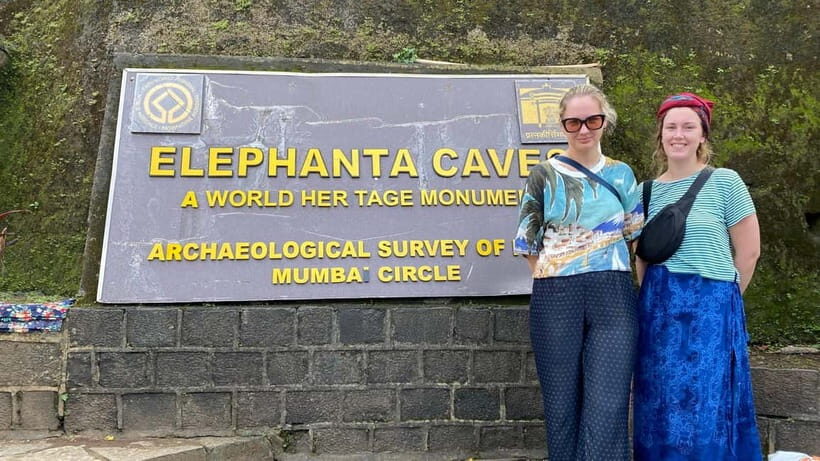
This tour is half-day, but the walking is real. You’re dealing with a transfer to the island, time in the caves (about 2 hours of guided sightseeing), and then the return ferry ride.
The caves involve lots of walking and steep steps, so your gear is part of the experience. Bring comfortable shoes with good grip. Bring a hat and sunscreen because you’ll be outside in sun before and after cave time. Carry water.
Also plan your luggage expectations. No luggage or large bags are allowed. Keep your day bag small enough to move comfortably through ferry areas and cave entry spaces.
Timing can be a little sensitive around ferry departure points. On busy religious dates, the docking area can get packed and the ferry schedule can feel tight at the station. If you want a calmer day, consider avoiding major religious holidays and late-afternoon rush periods when possible.
If you’re sensitive to stairs, this is worth thinking about. The tour is not suitable for people with mobility impairments or wheelchair users. Even if you can manage some steps, the cave complex itself isn’t designed for easy navigation.
Price and Value Check: What Your $27 Booking Covers
The advertised price is $27 per person for a 4.5 to 6 hour experience with a private guide and ferry time. That’s a reasonable baseline considering you’re getting guided interpretation of a UNESCO site plus transportation between Mumbai and the island.
But here’s the catch: the cost breakdown in the details shows some items that may appear as extras during booking. You may see the ferry cost listed as INR 290 per person and cave entrance fees listed as INR 600 per person. At the same time, the inclusions mention entrance fees and ferry ride to and from. Because the information is inconsistent, you should treat this as a confirmation step.
My practical advice: before you pay, double-check the checkout total and make sure you understand what’s included versus added. If the ferry and entrance are already covered, your $27 gets you a very clean day package. If not, you’ll want to budget for the local add-ons so you don’t get surprised.
Value also comes from how the tour is structured. The guide isn’t a generic script. The best guides slow down for steps, explain Hindu mythology clearly, and help you connect the big sculptures to the rest of the cave program. That’s hard to replicate with self-guided visits when you only have a few hours.
Who This Tour Suits (and Who Should Think Twice)
This tour is a strong fit if you:
- want a guided walkthrough of major highlights like the Shiva Cave and the 20-foot Trimurti
- like learning the meaning behind carvings rather than just viewing them
- enjoy photo-friendly guidance (some guides will help with panoramic shots)
- prefer a private format where your pace matters
It’s also a good choice for first-timers to Mumbai who want one iconic day trip without turning the day into a full-day ordeal.
Think twice if you:
- need wheelchair access or step-free routes (this tour isn’t suitable for mobility impairments)
- travel with large luggage (it’s not allowed)
- dislike crowded ferry areas on religious holidays
If you’re flexible and comfortable with stairs, the private guide format makes the time feel purposeful instead of rushed.
Should You Book This Half-Day Elephanta Tour?
If your goal is to see the Elephanta Caves efficiently and understand what you’re looking at, I’d book it—especially if you can get a guide who explains the mythology with patience. The combination of ferry views, skip-the-line entry, and a private guide makes it a smarter way to experience the site than trying to piece everything together quickly on your own.
Just go in with the right expectations: this is a walking-and-steps day, not an easy stroll. Wear supportive shoes, bring sun protection, and keep your bag small. If you do that, the caves start making sense scene by scene—and the Trimurti moment lands the way it’s supposed to.
FAQ
How long is the Elephanta Caves tour?
The tour runs about 4.5 to 6 hours total.
Is hotel pickup included?
Hotel pickup and drop-off are included based on the option you select. Your driver and guide meet you in the hotel lobby at the scheduled time.
Do I need to pay extra for the ferry and cave tickets?
The details provided show some conflicting information on what’s included versus not included. Check your checkout total carefully to confirm whether the ferry ride cost (listed as INR 290 per person) and cave entrance fees (listed as INR 600 per person) are already covered.
What’s included in the tour price?
Included items listed are a private guide, ferry ride to and from Elephanta Island, entrance fees to the Elephanta Caves, and hotel pickup and drop-off based on your selected option.
Can I take photos inside the caves?
Photography is allowed, but flash photography is not permitted inside the caves.
What should I bring?
Bring comfortable shoes, a hat, a camera, sunscreen, and water.
Is the tour suitable for wheelchair users or people with mobility impairments?
No. The tour is not suitable for people with mobility impairments or wheelchair users.
What’s the cancellation policy?
Free cancellation is available up to 24 hours in advance for a full refund.