REVIEW · MUMBAI
Mumbai: Dharavi Slum Walking Tour with Local Slum Dweller
Book on GetYourGuide →Operated by Mumbai Dream Tours · Bookable on GetYourGuide
Mumbai’s real face shows up fast.
This Dharavi slum walking tour pairs you with a local resident guide and takes you past the postcard stuff into working streets, small shops, and everyday routines. You’ll see the place where Slumdog Millionaire was shot, plus leather, soap, dye, and more—while hearing how people here think about work, space, and community.
Two things I really like: first, the tour doesn’t treat Dharavi like a museum. You watch how people earn money in tight alleyways, including the informal recycling economy that many locals depend on. Second, you can get hands-on—either with a pottery workshop or by sharing a vegetarian lunch with a local family, the kind of experience that makes the city feel personal instead of distant.
One drawback to keep in mind: you are walking through a densely lived, working neighborhood, with narrow lanes and real poverty next to real industry. If you’re expecting a comfortable, sanitized sightseeing loop, plan your expectations. Bring a respectful attitude, wear closed-toe shoes, and be ready for a few uncomfortable moments.
In This Review
- Key things to know before you go
- Third Wave Coffee meeting point and what to expect on day one
- Walking Dharavi’s alleyways: community life and working streets
- From Slumdog Millionaire filming spots to leather, soap, and dye workshops
- Recycling in action: plastic collection and repurposed vegetable oil cans
- Shrines, faith, and neighbors building side by side
- Optional pottery workshop: making something real on the wheel
- Lunch with a local family: vegetarian food, floor seating, and eating with hands
- Choosing the right guide: the names that come up again and again
- Price and value around $14: what you’re really paying for
- Who should book, and who should skip this kind of tour
- Should you book the Mumbai Dharavi Slum Walking Tour?
- FAQ
- Where do you meet for the Dharavi slum walking tour?
- What should I bring or wear?
- Is vegetarian lunch included?
- Is the pottery workshop included?
- Is water provided?
- Do the guides speak English?
- What are the price and key booking terms?
Key things to know before you go
- Start at Third Wave Coffee and end back there, making it easy to plug into your day.
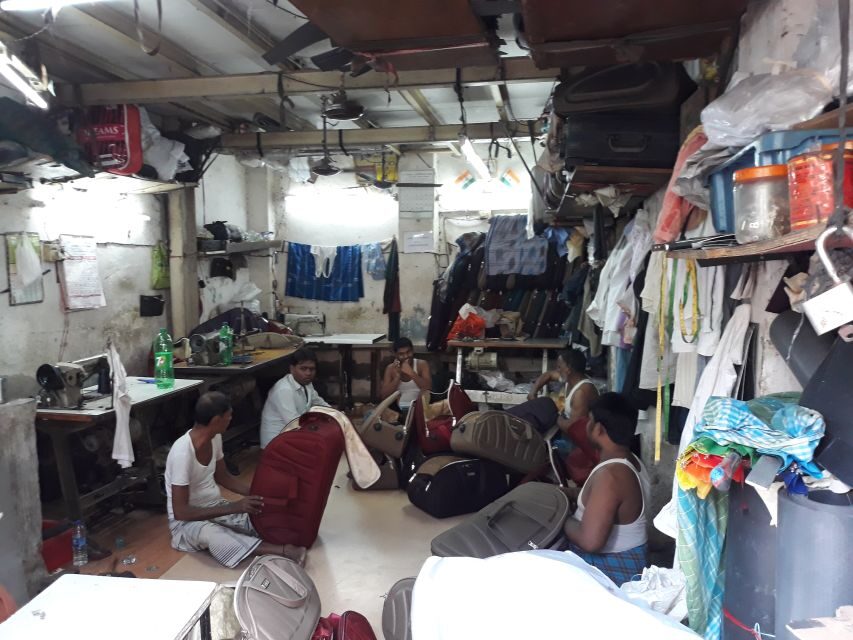
- You’ll see real work: leather workshops, soap makers, colored dye production, and other small-scale industries.
- Recycling is the storyline, including what happens to plastic and even vegetable oil cans.
- Cultural life shows up on the street, like Muslims and Hindus working side by side to build a shrine.
- Options matter: you can add pottery making or a vegetarian lunch with a local family.
- Top guides are praised for respect and safety, including guides named Abhishek, Bharti, Dhruvesh, Hardik Tank, and Rakesh.
Third Wave Coffee meeting point and what to expect on day one
This tour is simple to start: you meet your guide at Third Wave Coffee and you’ll finish back at the same place. That means you’re not stuck figuring out where to regroup later, which is a real plus in a neighborhood where getting lost is easy.
You’ll want to show up ready to walk. Bring a scarf (helpful for sun, wind, or just general comfort) and wear closed-toe shoes. Dharavi’s streets are tight and active, and the tour is built around walking through that reality—so plan on comfortable footwear, not sightseeing sandals.
Most of what makes this experience work comes down to the guide. The guides credited in standout feedback share a common approach: they keep the experience respectful, answer lots of questions, and make sure the local rhythm of the day isn’t turned into a show for outsiders. In other words, you’re there to learn, not to rubberneck.
Finally, keep your mindset flexible. You’ll be seeing a place with both harsh conditions and real economic output—estimated at around 1 billion US dollars annually—so your brain needs a moment to recalibrate.
You can also read our reviews of more walking tours in Mumbai


Walking Dharavi’s alleyways: community life and working streets
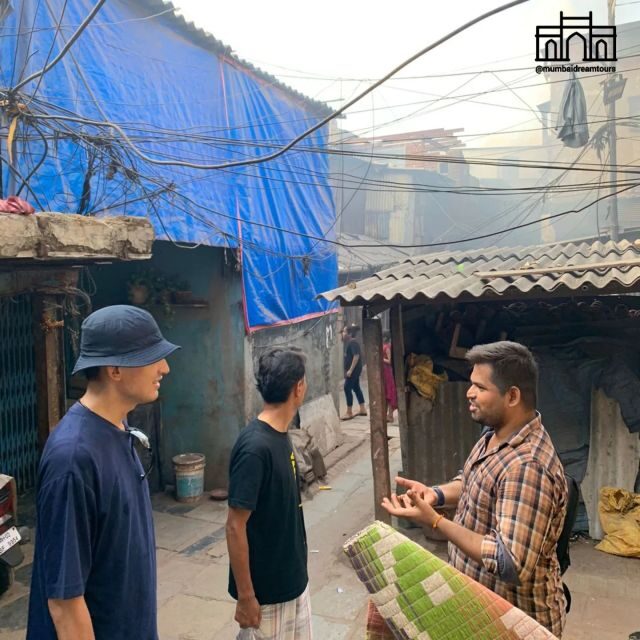
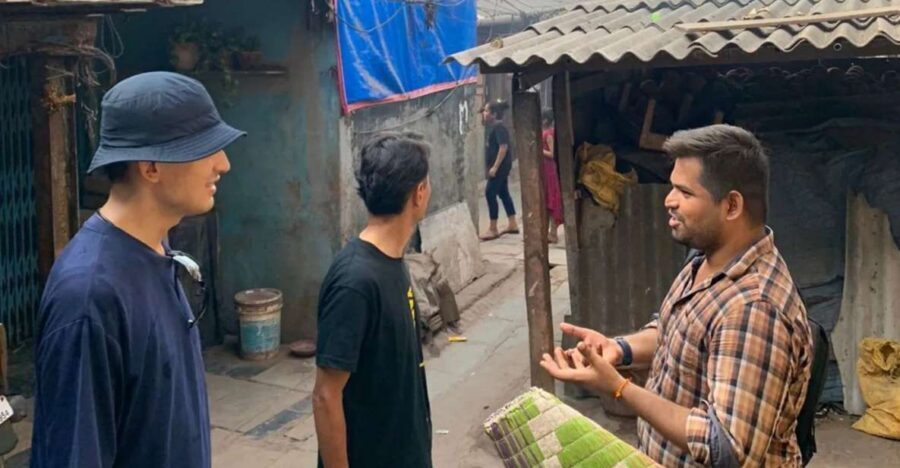
Dharavi is one of Asia’s largest slums, and the tour is built to show you what that actually means at street level. Expect small alleyways where daily life and production overlap. You’ll pass housing areas, plus community services like schools and hospitals, along with everyday spots like a bakery and busy lanes that feel like a living workplace.
A big reason this tour hits so hard is that it’s organized around how people move through their day. You’ll see people working, selling, and making things right where they live—no walls separating the two. It’s not just about what you see; it’s about how you understand the layout and the logic of survival and enterprise in small spaces.
You’ll also spend time in areas tied to the local economy, including market zones. The tour’s tone is usually practical, with the guide explaining what you’re seeing and why it matters to residents. Guides in the feedback—like Abhishek and Bharti—get praise for being friendly and welcoming, and for making sure you feel safe while still giving you a true view.
If you don’t usually like close-up city reality, you might want to mentally prepare yourself. This is not a quick photo stop. It’s a walk that asks you to pay attention.
From Slumdog Millionaire filming spots to leather, soap, and dye workshops
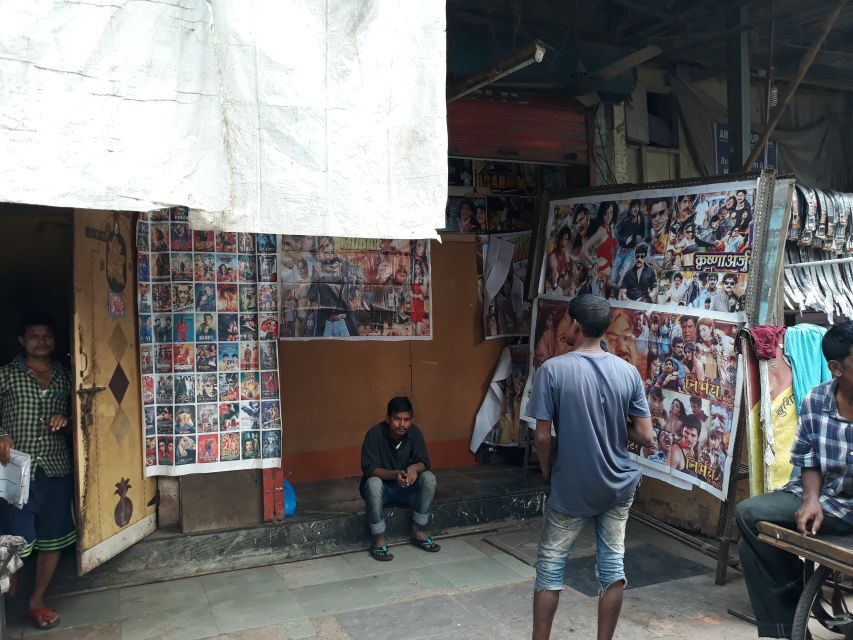
One of the tour’s most eye-catching sections is the mix of pop-culture and industry. You’ll visit the spot where Slumdog Millionaire was shot, then keep moving into the working industries that filmed schedules probably never fully captured.
After that, the tour focuses on production in tiny spaces. You’re likely to see:
- Leather workshops, where goods are made through processes that look surprisingly intricate once you’re close enough to follow the workflow
- Soap manufacturing, including the idea that everyday products are part of the supply chain right here
- Colored dye makers, where color and chemical processes are central to the work
The most useful takeaway here isn’t just that these industries exist. It’s that Dharavi’s economy runs on skill, speed, and problem-solving. You’ll see how materials and tools are used efficiently because there’s limited room and no time for waste.
A good guide helps you read the scene. In the feedback, guides like Dhruvesh and Rakesh are praised for explaining details in a way that clears up misconceptions. That matters, because if you arrive thinking Dharavi is only about deprivation, the moment you see production working on a schedule, your assumptions start to break.
Recycling in action: plastic collection and repurposed vegetable oil cans
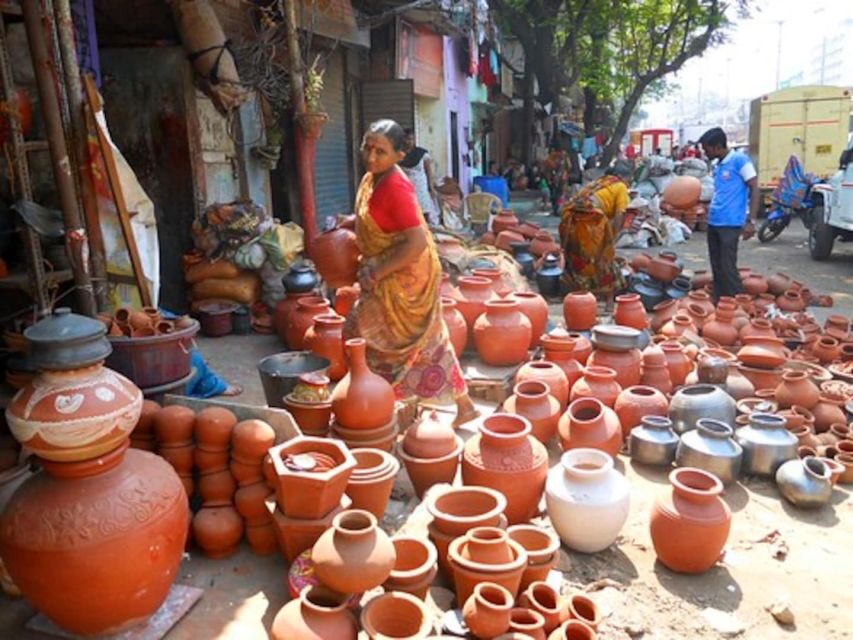
If Dharavi has a single through-line, it’s recycling. The tour spends real time on why plastic matters here and how the recycling ecosystem shapes life.
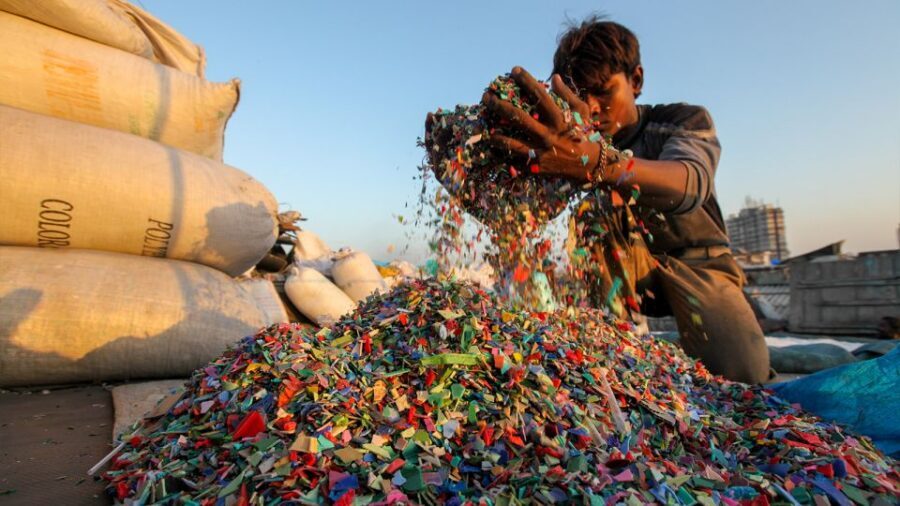
You’ll learn about the importance of plastic recycling to the local community and watch examples of how waste gets turned into something useful again. One specific detail you’ll encounter is the innovative recycling of vegetable oil cans—the kind of small but clever repurposing that makes you realize how much value can hide inside what others discard.
There’s also a bigger economic picture mentioned in the tour context: much of Dharavi’s estimated annual output is linked to recycling, including the Rubie’s informal recycling industry. Even if you don’t memorize the numbers, the point lands as you walk: recycling isn’t a side activity. It’s part of the neighborhood’s economic engine.
This section also changes how you think about materials. You start noticing the difference between waste and raw input. And you see why residents take recycling seriously: it’s tied to work, income, and practical ingenuity.
Shrines, faith, and neighbors building side by side
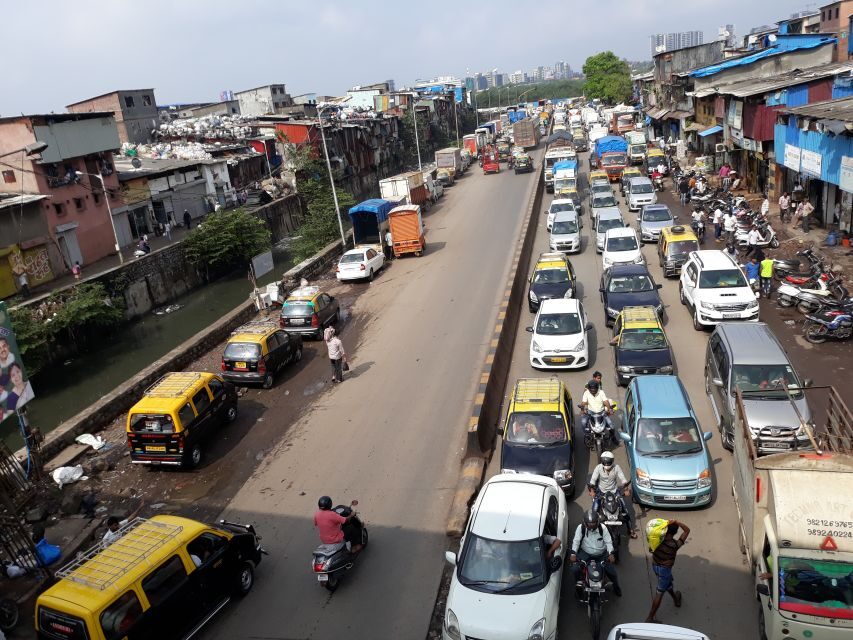
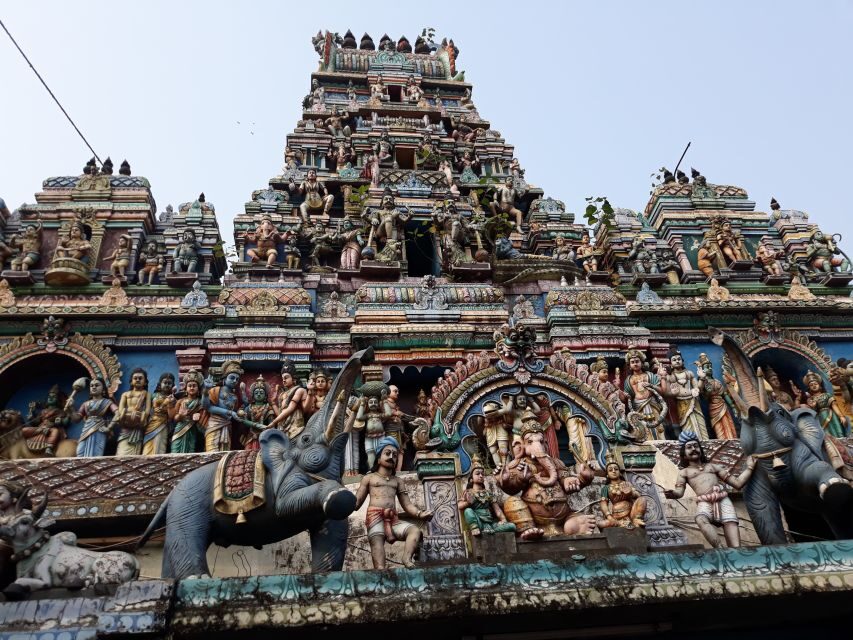
One of the more striking cultural moments on this tour is how faith shows up in daily life. You may witness an example of Muslims making a shrine for Hindus, which highlights a kind of shared space that often gets simplified away when outsiders talk about slums.
You’re not just watching a religious scene—you’re seeing how community relationships can work at street level. People here aren’t living in neat categories. Their lives overlap through work, neighborhood ties, and mutual help.
This is where a respectful guide makes a difference. In strong feedback, guides are praised for handling the visit tactfully so the residents and workers can keep doing what they’re doing. That’s important for you, too. If you want to get the most out of the moment, keep your pace calm, avoid blocking doorways or workstations, and ask questions without turning people into props.




Optional pottery workshop: making something real on the wheel

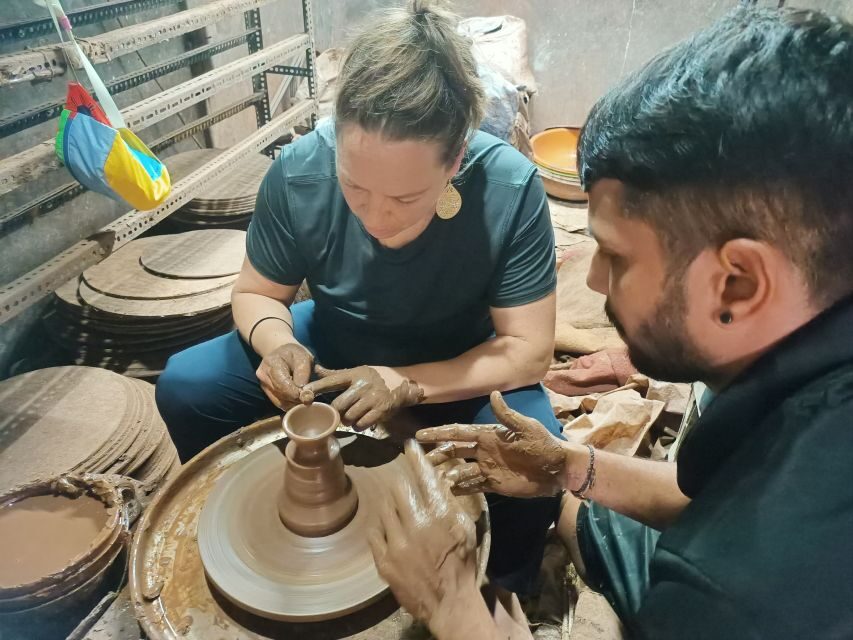
If you choose the pottery option, you’ll head to a local potter’s workshop. The tour is designed so you don’t just watch—you get a chance to make something.
What to expect:
- A general overview of pottery making, so you understand what you’re seeing
- A hands-on wheel session, where you can try throwing
- A chance to make a piece tied to Kumbharwade art, which gives the workshop more identity than just generic souvenirs
This is valuable for two reasons. First, it slows the tour down and gives your hands a job. Second, it turns what you learn about Dharavi into something you physically experience: the effort behind everyday craft.
Also, pottery workshops can be a great choice if you want a change from walking. You’ll still be in Dharavi, but you’ll shift from street-level production to artisan production, which helps your brain understand the range of skills at work.
Lunch with a local family: vegetarian food, floor seating, and eating with hands
The tour can also include a vegetarian lunch with a local family. This part is often the most memorable, mostly because it feels less like a transaction and more like a real meal in a real home.
You’ll eat sitting on the floor and you’ll likely be eating with your hands, which is a normal way to do things here rather than a theatrical gimmick. If you’re unsure how to handle it, your guide can help set expectations.
A practical tip: treat this lunch as a full experience, not a snack break. Expect a slower pace and the chance to talk. You may find the best questions to ask here are simple ones: how people manage daily tasks, how work fits into family life, and what outsiders often get wrong.
Because this lunch option is included only on certain bookings, check what you selected when you reserve. Either way, the tour includes water, which helps you manage the walking and heat.
Choosing the right guide: the names that come up again and again
Guides are a huge part of the quality here. In the feedback, certain names show up repeatedly, and they share a style you can look for:
- Abhishek is praised for being friendly, knowledgeable, and making people feel safe and welcome.
- Bharti gets praise for warm hospitality and for pushing beyond a scripted route so the experience feels personal.
- Dhruvesh is noted for being informative, respectful, and polite, with clear explanations.
- Hardik Tank stands out for deep insights, answered questions, and a respectful approach that tries not to interrupt local life.
- Rakesh is praised as an amazing guide who helps you see the neighborhood clearly.
Even if you don’t know which guide you’ll get, you can use their common traits as your checklist: do you feel respected, do you get answers, and does the tour feel like it protects the dignity of the neighborhood?
If you’re the type who worries about safety or discomfort in a crowded setting, pick the option that includes a guide who emphasizes respectful movement. The best guides, as described in feedback, help you feel present in the neighborhood without making it harder for locals to work.
Price and value around $14: what you’re really paying for
At around $14 per person, this tour is priced like a budget activity, but the value comes from what’s included and what you gain.
Here’s the practical way to think about it:
- You get a guided walk through working industries (not just viewpoints).
- You get water, which sounds small until you’re walking in real street heat.
- Depending on your option, you may also get a vegetarian lunch and/or a pottery workshop.
The big value isn’t just access. It’s context. The guide’s explanations help you read what you see—leather processes, soap making, dye work, recycling systems—so you don’t leave with only photos. You leave with a different mental map of how people here turn limited space into economic output.
If you want a single reason to book, it’s this: you’re spending money to learn directly from the people who live and work there. That beats paying for generic “poverty viewing” tours that don’t actually explain the system.
Who should book, and who should skip this kind of tour
This tour is a strong fit if you:
- Like cities on foot and enjoy learning from locals
- Want to understand how a place works, not just how it looks
- Are open to hands-on experiences like pottery
- Want a family-style lunch option instead of eating at a separate restaurant
It may not be your best match if you:
- Need a very comfortable, low-stimulation travel day
- Get easily upset by scenes of poverty and hard work
- Prefer sightseeing that is mostly detached from daily life
The best approach is attitude. If you show up ready to walk slowly, ask respectful questions, and accept that this is a real working neighborhood, you’ll get far more than a highlight reel.
Should you book the Mumbai Dharavi Slum Walking Tour?
If you want one clear recommendation: book it if your goal is understanding. This isn’t a “shock and awe” tour. It’s a guided walk that connects recycling, small industries, and community life into a story you can actually see.
I’d especially book it if you can add one of the extras:
- Pottery making, if you want a hands-on craft experience
- Lunch with a local family, if you want the most human, day-in-the-life moment
Skip it only if your travel style is all comfort and minimal emotional challenge. Dharavi isn’t a theme park. But with a good guide—people like Abhishek, Bharti, Dhruvesh, Hardik Tank, or Rakesh—you’ll learn how residents turn space, waste, and skill into real work.
FAQ
Where do you meet for the Dharavi slum walking tour?
You meet your guide at Third Wave Coffee, and the tour ends back at the same meeting point.
What should I bring or wear?
Bring a scarf and wear closed-toe shoes.
Is vegetarian lunch included?
A vegetarian lunch is included depending on the option you choose.
Is the pottery workshop included?
A pottery workshop is included depending on the option you choose.
Is water provided?
Yes. Water is included.
Do the guides speak English?
The tour is listed as English-language.
What are the price and key booking terms?
The price is $14 per person. You can reserve & pay later, meaning you book your spot and pay nothing today, and you can cancel up to 24 hours in advance for a full refund.
If you tell me your travel dates and which option you’re considering (pottery, lunch, or both), I can help you pick the best fit for your pace.