REVIEW · MUMBAI
Traditional Indian Immersive Cultural Experience
Book on Viator →Operated by The Sister Studio · Bookable on Viator
Three hours in a tiny Mumbai studio sounds unusual. I love the private doll-and-mask collection in glass cabinets, and I love how the tour connects pieces to local tribes and textiles. One thing to plan around: the exhibits are fragile, so entry is restricted for children under age 10.
This visit is held in a small studio inside a residential apartment in the Worli/Prabhadevi area, near public transport, so you get the feel of real craft culture instead of a big formal museum. It’s also a two-part format, starting with artifacts and ending with drawings on themes you can actually sit with for a while. Expect to use your eyes and curiosity more than your phone.
You’ll spend time with around 300 artifacts at the studio—plus international pieces mixed in among Indian craft forms—and then shift to drawings ranging from motherhood to isolation during the pandemic. If you enjoy stories that link art to everyday life, you’re going to feel right at home here.
In This Review
- Key highlights you’ll care about
- Entering a Worli studio: what kind of tour this is
- Part one in glass cabinets: dolls, masks, and figurines from many regions
- Part one gets even better when the stories connect
- Why the studio recognition changes how you should expect the experience
- Part two: theme drawings that turn art into conversation
- Price and timing: does $54 make sense for what you get?
- Logistics that matter in real life: where to go and when
- Who will enjoy this most (and who might not)
- Should you book the Sister Studio tour in Mumbai?
- FAQ
- How long is the experience?
- What will I see during the tour?
- Where is the meeting point?
- Do I need to print a ticket?
- Is it private?
- Can I cancel for a refund?
Key highlights you’ll care about
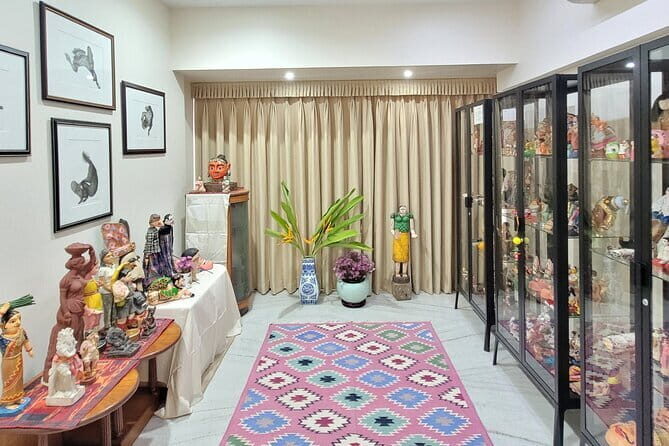
- A real studio experience in a Worli apartment rather than a polished, impersonal museum setting
- Around 300 dolls, masks, and figurines explained with social, cultural, and historical context
- International pieces alongside Indian folk crafts, including items from Japan, Iran, Nepal, Bhutan, Indonesia, and Ukraine
- Stories that connect craft to tribes, customs, and textiles using folk legends and regional background
- A second segment focused on drawings covering motherhood, the mind’s explosiveness, pandemic isolation, and rural travel inspirations
- Private group only, so the guide can pace the discussion with your questions
Entering a Worli studio: what kind of tour this is
If you’re picturing Mumbai as only skyscrapers, beaches, and chaos, this is a nice curveball. You head to Worli/Prabhadevi and step into a studio that runs inside a residential apartment. That setup matters. It’s closer to a careful family lesson than a stage show.
The tour runs about 3 hours and comes as a single mobile ticket. You’ll want to arrive during the opening window (11:00 AM to 5:00 PM) and be ready for a slow, close-up look at art that can’t be touched. If you like quiet focus and learning at a comfortable pace, this format is a good match.
Also, it’s private. Only your group participates, which usually means you get more time to ask questions instead of sharing the guide with half the city.
You can also read our reviews of more tours and experiences in Mumbai.



Part one in glass cabinets: dolls, masks, and figurines from many regions
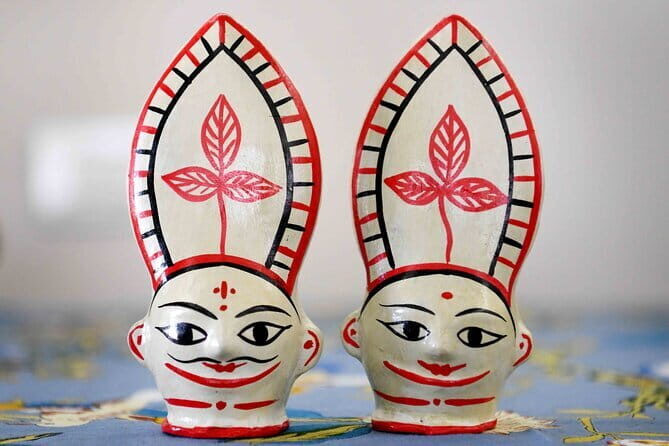
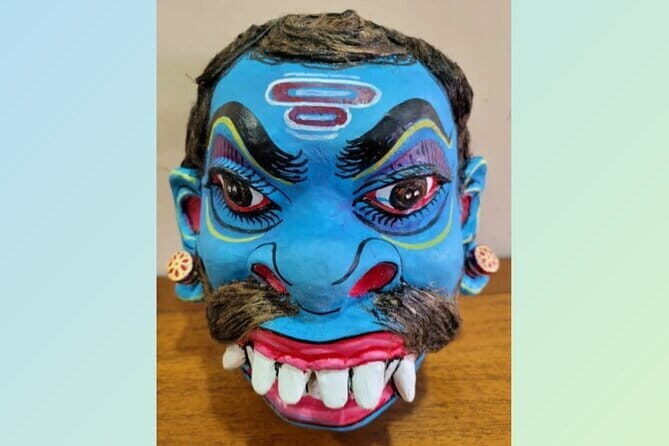
The first part takes place inside the studio in glass cabinets. Roughly 300 pieces are on display. The guide walks you through dolls, masks, and figurines that originate across India, including examples of craft forms that are on the brink of extinction. You’re not just looking at objects—you’re learning how and why they were made, who used them, and what role they played in belief and community.
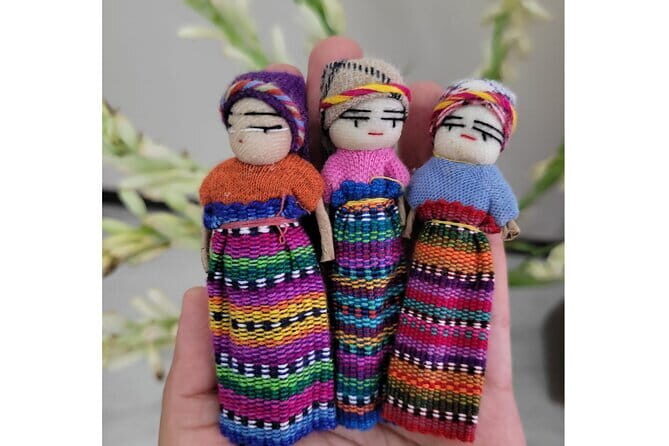
What I like about this stage is the sheer mix. Even though the heart of the tour is Indian craft forms, you also see dolls from outside the region—Japan, Iran, Nepal, Bhutan, Indonesia, and Ukraine are specifically mentioned. That helps you notice patterns. You can compare how different cultures use face, costume, and character to communicate something spiritual, social, or playful.
You’ll get context in plain language about each piece’s background:
- cultural and religious meaning
- social role (who would have seen it and where)
- geographical roots (where the craft traditions come from)
- historical significance and the craft form itself
The glass cabinets are a practical detail you should take seriously. The tour is designed around fragile items, so you’ll move carefully and follow the guide’s pace. If you go with a child who’s prone to grabbing or rushing, you might feel slightly stressed. If you’re going with older kids or adults who can slow down, it’s a great trade.
Part one gets even better when the stories connect
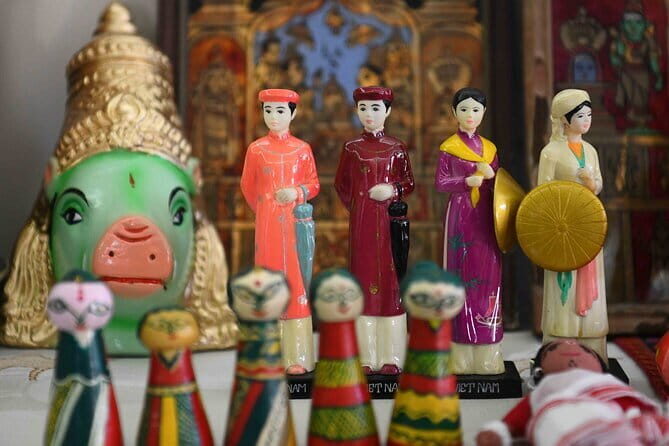
Objects can be impressive. Stories make them stick. This tour leans hard into narrative—folk tales, legends, and anecdotes from travel. You’ll hear how craft forms tie into indigenous tribes, local customs, and the beliefs that shape daily life. Instead of treating dolls and masks like curios, the guide frames them like living cultural tools.
One of the best payoffs here is textiles. The tour touches on textiles as part of understanding culture, not as a separate museum topic. That means you’ll likely be thinking about how cloth, pattern, and material show up alongside costume and character in the pieces you’re seeing.
The strongest moments are when you start connecting dots:
- A mask isn’t just a mask; it can point to ritual practice or identity.
- A doll isn’t only decoration; it can carry social meaning tied to family, story, or tradition.
- A figurine can hint at geography and community life.
And the guide doesn’t keep it locked to the studio. The tour brings in anecdotes from travel, which helps you understand that these craft traditions aren’t frozen in time. They’re part of ongoing cultures—even when some craft forms are disappearing or changing.
There’s also a lot of attention to how the collection itself was built and documented. In the write-ups, people consistently mention that the presentation feels thorough, well organized, and strongly backed by context. That matters because doll-and-mask collections can sometimes feel like random variety. Here, the explanation is doing the heavy lifting.
Why the studio recognition changes how you should expect the experience

This isn’t just a private hobby that never leaves the house. The collection has been recognized by the Hon’ble PM Narendra Modi’s Office and covered extensively by leading Indian dailies. That kind of attention doesn’t automatically mean the tour will be life-changing, but it does signal something useful for your expectations.
It suggests that the materials are taken seriously and that the presentation is likely more structured than a casual show-and-tell. When an outside spotlight lands on a small collection like this, it often means there’s enough depth to support public interest.
For you as a visitor, it helps you justify a shift in mindset. Go in expecting an educational experience that treats craft as cultural evidence, not just decoration.
Part two: theme drawings that turn art into conversation
After the artifact walk-through, you switch modes. The second part moves into drawings on different themes. This is where the tour stops being only about heritage and starts addressing human experience right now.
The themes mentioned include:
- motherhood
- the explosiveness of the mind
- isolation experienced during the recent pandemic
- drawings inspired by travels through rural pockets of the country
This section can feel surprisingly personal. You’re looking at work that connects to emotion and memory, not just anatomy or pattern. Even if drawing isn’t your main interest, this part gives you a way to process what you learned earlier. Dolls, masks, and figurines often communicate story and identity without saying a word. Drawings do the same thing more directly.
If you enjoy art that asks questions instead of just showing beauty, you’ll likely appreciate this shift. It also makes the tour feel less like a one-track lecture. You get a change of pace, and you get to sit with themes that mirror modern life.



Price and timing: does $54 make sense for what you get?

Let’s talk value in a practical way. At about $54 for roughly 3 hours, you’re paying for a private, guided studio experience with a lot of on-site explanation. This isn’t a quick stop where you glance and move on.
What you’re really buying:
- access to a small, fragile collection inside a residential studio
- a two-part guided format (artifacts plus theme drawings)
- interpretation across history, geography, social meaning, and culture
- the chance to ask questions in a private setting
When you compare that to bigger attractions where you pay for entry but learning is limited, this offers more guided content per hour. Also, the mobile ticket detail matters. You don’t need to print anything, which reduces friction on a busy travel day.
The one drawback on value is that it’s not built for speed. If you only want a 20-minute browse, this tour might feel like more time than you planned. It’s designed for people who enjoy slowing down.
If you do enjoy learning, the price looks fair for what you’re getting—especially because the collection is substantial (around 300 pieces) and the guide ties the objects to bigger cultural context.
Logistics that matter in real life: where to go and when
You’ll meet at WeWork, 1st floor, 264–265, Dr Annie Besant Rd, Municipal Colony, Worli Shivaji Nagar, Worli, Mumbai, Maharashtra 400025. From there, you go to the studio location and the experience ends back at the meeting point.
The opening hours are 11:00 AM to 5:00 PM, Monday through Sunday (for the listed run). Confirmation happens within 48 hours of booking, subject to availability, so I’d treat your first plan check as the booking message window.
It’s also noted as near public transportation. That matters in Mumbai, where getting across town can be a puzzle. The closer you are to transit, the less your day gets eaten by travel time.
One more practical note: entry is restricted for children under 10 due to the fragile nature of exhibits. If you’re traveling with a younger kid, you’ll need a different activity.
Who will enjoy this most (and who might not)
This tour is best for you if you:
- love craft, folk stories, and objects with cultural meaning
- enjoy small spaces and slow looking
- want to understand how textiles, tribes, and customs show up in everyday culture
- appreciate a switch from traditional artifacts to modern theme drawings
You might not love it as much if you:
- prefer large public museums with lots of walking space and minimal rules
- want only visual sightseeing and not much explanation
- need a highly energetic, outdoor-style agenda
That said, the reviews emphasize the presentation and the way the guide brings pieces to life with anecdotes. If you want context you can feel, this is aimed right at that.
Should you book the Sister Studio tour in Mumbai?
I think you should book it if your idea of a good Mumbai day includes culture you can see up close, learn in context, and experience in a real studio environment. At about $54 for around 3 hours, you’re paying for guided interpretation of a substantial collection plus a thoughtful second act with theme drawings.
Skip it only if you’re bringing kids under 10 or you dislike slow-paced learning. Otherwise, this is one of those rare activities where the setting, the objects, and the storytelling all work together. Go with curiosity, wear something comfortable for careful movement, and give yourself time to absorb the stories behind the masks and drawings.
FAQ
How long is the experience?
It runs for about 3 hours.
What will I see during the tour?
You’ll first tour a studio display of dolls, masks, and figurines (about 300 pieces) and then you’ll see drawings on themes such as motherhood, the mind, pandemic isolation, and rural travel inspiration.
Where is the meeting point?
Meet at WeWork, 1st floor, 264–265, Dr Annie Besant Rd, Municipal Colony, Worli Shivaji Nagar, Worli, Mumbai, Maharashtra 400025.
Do I need to print a ticket?
No. It’s listed as a mobile ticket.
Is it private?
Yes. Only your group will participate.
Can I cancel for a refund?
Yes, you can cancel for free up to 24 hours in advance for a full refund.