REVIEW · MUMBAI
Primmum Mumbai Sightseeing With Local Train Ride Experience
Book on Viator →Operated by Young Tours And Travel · Bookable on Viator
Mumbai’s train ride is the whole point.
This tour strings together big-name sights and real street life in one 7-hour day, with a guided walk through places like Chhatrapati Shivaji Maharaj Terminus (CST) and a Dharavi slum experience led by local residents. I also like that the route finishes with the kind of perspective you can’t get from photos alone, including a true local train ride. One thing to consider: the Dharavi portion can feel intense and busy, and the whole schedule is tight, so it’s not the best choice if you want a slow, laid-back day.
You’ll have a private guide (English-speaking), bottled water, and private transportation between stops, plus a mobile ticket. If you’re the type who likes getting your bearings fast—then going deeper—this one makes sense. It’s also a popular pick, with an average booking window of about 219 days, so planning ahead helps.
In This Review
- Key highlights that matter
- A 7-hour route that mixes top landmarks with lived-in Mumbai
- Chhatrapati Shivaji Maharaj Terminus: seeing CST from the railway station side
- Gateway of India, Rajabai Clock Tower, and Marine Drive: the classic trio, done efficiently
- Hanging Gardens and Kamala Nehru Park: Malabar Hill views without a long hike
- Mani Bhavan Gandhi Museum: Gandhi’s Mumbai, with museum time included
- Dhobi Ghat to Mahalaxmi: watching work, then riding the rails
- Dharavi slum tour with local residents: what you’re really buying
- Price and what $39.62 covers in real terms
- Who should book this and who might want a different day
- Should you book Primmum Mumbai Sightseeing with Local Train Ride and Dharavi?
- FAQ
- FAQ
- How long is the tour?
- What does the price include?
- Is pickup included?
- Is there a local train ride?
- How large is the group?
- Are there any admissions free on the itinerary?
- Can I get a full refund if I cancel?
Key highlights that matter
- Inside CST: you go to the railway station side so you can experience the building from within, not just the exterior view.
- Marine Drive and Queen’s Necklace timing: you get the classic sea-front perspective in a guided, efficient stop.
- Malabar Hill viewpoints: Hanging Gardens and Kamala Nehru Park are quick breaks with high, wide city views.
- Gandhi at Mani Bhavan: museum time included, focused on the man’s Mumbai connection.
- A real local train ride: the day is built around Mumbai’s transit rhythm, not only postcard stops.
- Dharavi with local residents: guided slum tour time included for a grounded look at daily work and community life.
A 7-hour route that mixes top landmarks with lived-in Mumbai
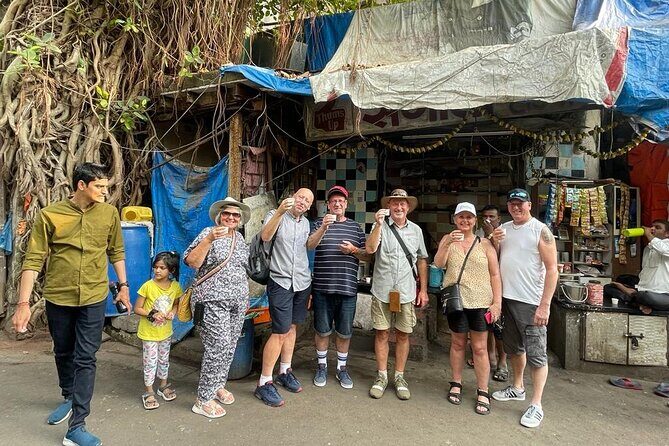
This isn’t a “stand, take a photo, move on” tour. The structure is the point: you start in one of India’s most famous rail buildings, work your way through the city’s waterfront icons, then shift toward the sights that show how Mumbai functions day to day. You’ll be moving between areas in private transportation, so you’re not wasting hours in traffic without a plan.
What makes this work for you is the balance. You get the big visuals—Gateway of India, Rajabai Clock Tower, Marine Drive—then you switch gears to places tied to work and routine, like Dhobi Ghat and Dharavi. It’s a full-day sweep, with enough guided context to help the stops connect.
The group size is capped at 12, which helps keep the pace manageable. And because the guide is English-speaking, you’re less likely to feel lost when the route shifts from tourist landmarks to neighborhood scenes.
You can also read our reviews of more tours and experiences in Mumbai.



Chhatrapati Shivaji Maharaj Terminus: seeing CST from the railway station side
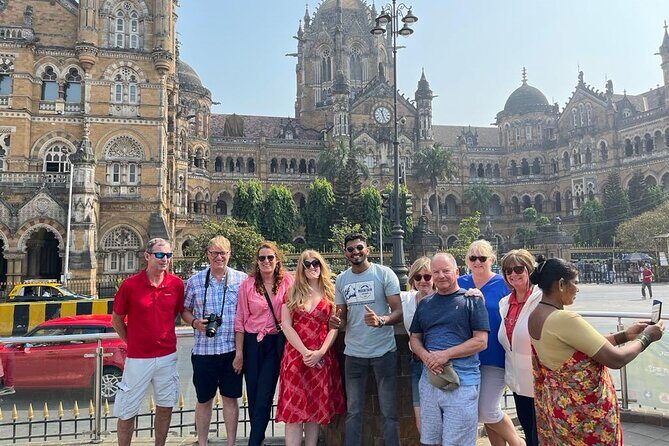
CST is one of those places that can look incredible from outside and still feel like you’re missing the real atmosphere. Here, you’re taken to the station side rather than just standing around outside. That matters because the building isn’t just architecture; it’s part of the city’s daily movement.
You’ll spend about 15 minutes here, and entry is free. In that short time window, the advantage of being inside is simple: you can actually feel the scale of the station and how it operates, while your guide puts the building in context. If you like travel that mixes design with daily function, this is a smart opening stop.
Practical note: a railway station is busy by nature. Wear comfortable shoes and keep your phone secure and ready to pack away when you’re moving through crowds.
Gateway of India, Rajabai Clock Tower, and Marine Drive: the classic trio, done efficiently
After CST, you hit the waterfront icons in a tight sequence. Each stop is short—around 10 to 15 minutes—so you’re not sitting around waiting for the next photo moment.
Gateway of India
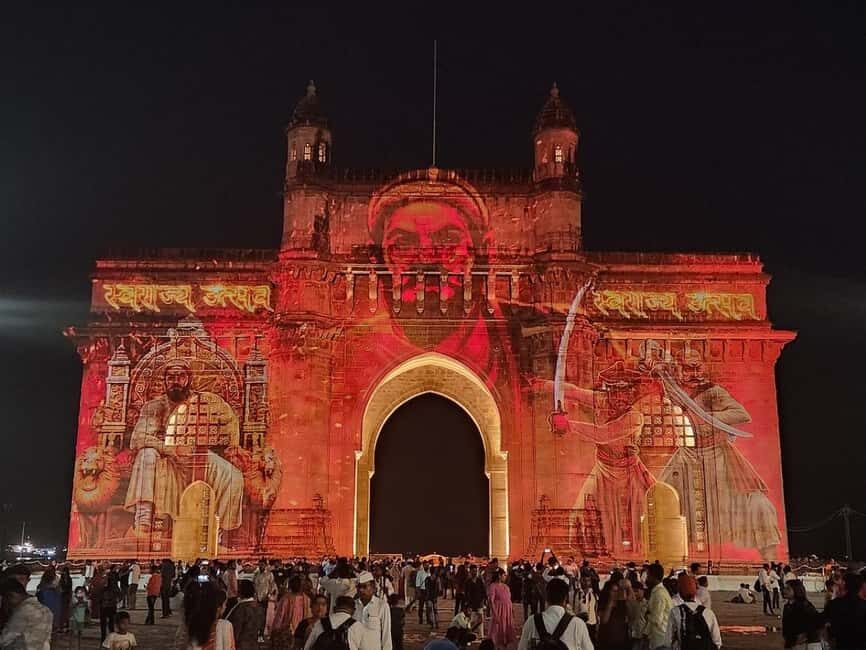
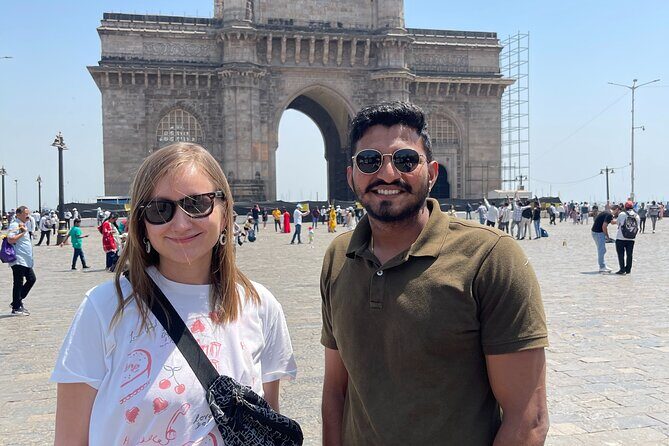
You’ll get a focused look at the arch overlooking the Arabian Sea. Entry is free. The guide’s job here is to connect the spot to what it represents, so you’re not just staring at a monument.
Rajabai Clock Tower
Then you shift to Rajabai Clock Tower, known for its Gothic architecture. It’s another quick stop (about 10 minutes), but the payoff is that your guide can point out the architectural feel before the city noise pulls your attention away.
Marine Drive (Queen’s Necklace)
Marine Drive is where the tour earns its “I get it now” moment. You’ll see the famous stretch along the Arabian Sea, often compared to a necklace because of the lights and the way the curve reads from different angles. You’ll have about 10 minutes here. Short, yes—but guided timing helps you see the scene as a whole rather than only catching one random viewpoint.
If you’re sensitive to walking fast in crowded tourist zones, this portion may feel like a sprint. The upside is that it’s a very efficient way to cover Mumbai’s signature sights without dragging your day.
Hanging Gardens and Kamala Nehru Park: Malabar Hill views without a long hike
Next comes Malabar Hill, and with it, a change in pace. Hanging Gardens gives you terraced greenery atop the hill, plus panoramic views. Your time here is about 15 minutes, with free admission.
Then you move to Kamala Nehru Park, another elevated viewpoint with greenery and scenic city sightlines (around 10 minutes, free). Together, these stops function like a reset. After waterfront and monumental architecture, you get a higher perspective where Mumbai looks more layered—buildings, streets, and the sea line in the distance.
What I like about this pairing for you: it’s not a heavy physical commitment, but it still gives you that “I can see the city’s shape” feeling.
Mani Bhavan Gandhi Museum: Gandhi’s Mumbai, with museum time included
At Mani Bhavan, the tour switches from city views to personal history. This is a historical residence tied to Mahatma Gandhi, and the visit time is about 25 minutes. Admission is included.
Because museum time is built into the schedule (not optional “if we have time”), you’re less likely to feel you skipped the only cultural stop that actually uses indoor time. Your guide’s explanations help you connect the house and exhibits to events and people rather than treating it like another quick landmark.
If you’re interested in how Mumbai fits into India’s broader story, Mani Bhavan is one of the stops on this route that gives you something to think about beyond photos.


Dhobi Ghat to Mahalaxmi: watching work, then riding the rails
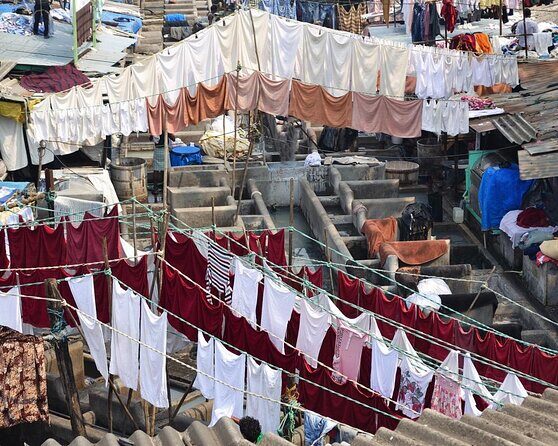
Dhobi Ghat is short—about 10 minutes—and admission is free. The focus here is the world-famous outdoor laundry scene, where dhobis carry out the process in public view. This is one of those places that can feel surprising at first glance: the “tourist part” is the sight, but the guided part is understanding the work behind it and why it’s part of daily life in the city.
Right after Dhobi Ghat, the itinerary moves toward Mahalaxmi, where the tour includes a local train ride experience. You’ll spend about 15 minutes on this segment, with admission listed as free for the surrounding stop.
Why the train ride is such a strong value add: Mumbai’s local trains are not a staged experience. They’re how people actually get around. A guided approach helps you understand what you’re seeing—where to stand, how to move as a group, and how to interpret the flow of transit without turning it into a stressful scramble.
A small caution: public transport is crowded. Keep your bag secure, keep your group together, and don’t expect a quiet, comfortable sightseeing bubble.
Dharavi slum tour with local residents: what you’re really buying
The final major piece is Dharavi. Your time here is about 1 hour 30 minutes, and admission is included. The key detail is that the tour is guided by locals from the community, so you’re not getting a “third-party narration” feel.
This is also where the tour can feel most intense. The experience can be noisy and busy, and that reality is part of the point. You’ll likely notice how many kinds of small business activity exist in the area and how the community works day to day—especially around crafts, production, and local services.
From the guide-style notes shared in past experiences, you can expect someone like Rahul (one of the guides named in reviews) to focus on community-based explanations, including how residents run businesses and manage their lives in a dense urban setting. Another named guide, Kevin, is associated with thorough, safe-feeling city overviews, and his style tends to keep the group moving with clear guidance.
My honest advice: if you’re uncomfortable with close-up reality—crowds, sound, and a lack of “tourist calm”—this part may feel like too much. If you can handle that and you want context, Dharavi is the part of this day that most likely sticks with you.
Price and what $39.62 covers in real terms
At $39.62 per person, this tour is priced in a way that feels fair for what’s included. You’re not just paying for a guide to point out monuments.
Here’s what you’re getting that adds up:
- English-speaking tour guide for the day
- Private transportation to move between neighborhoods efficiently
- Bottled water included
- Admissions included for Mani Bhavan Gandhi Museum and the Dharavi slum tour
- Entry is free for the other listed stops, so you’re mostly paying for access through the guide and time spent at each place
You’re also getting a tour format that caps group size at 12, plus pickup is offered. That combination matters. It’s easier to manage a local train ride and neighborhood scenes when the group isn’t huge.
One more value clue: the tour is built around a mix of iconic sights and day-to-day Mumbai. If you only want postcard views, you might find this too “real.” If you want the city’s contrasts—then this is a strong way to get them without planning five separate stops.
Who should book this and who might want a different day
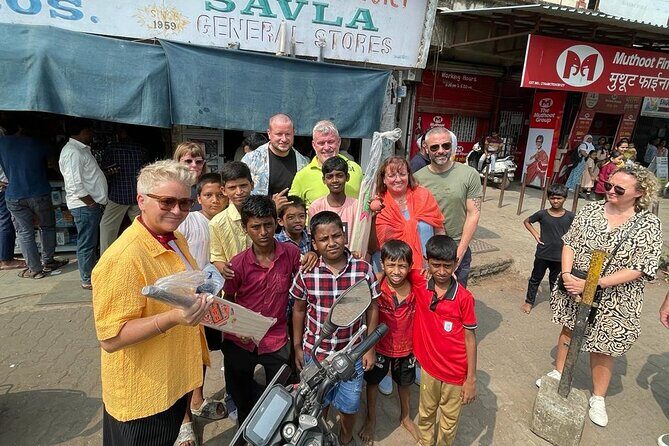
This tour is a good match if you:
- Want a guided highlights loop that still includes daily life moments
- Like learning from someone who can explain why a place matters, not only what it looks like
- Prefer a small group (up to 12) and a practical day plan
- Care about seeing Mumbai’s rail culture via an actual local train experience
You might skip it if you:
- Want a quiet, slow-paced tour with minimal crowds
- Are not comfortable with the intensity and noise that can come with Dharavi and active public areas
- Prefer to spend most of your time in museums or only on waterfront viewpoints
Should you book Primmum Mumbai Sightseeing with Local Train Ride and Dharavi?
If you want one day that covers CST, Gateway of India, Rajabai Clock Tower, Marine Drive, Malabar Hill viewpoints, Mani Bhavan, Dhobi Ghat, a local train ride, and then ends in Dharavi, this tour is a solid buy. The value is in the structure: iconic sights plus lived-in Mumbai, with admission included where it counts.
Book it if you’re curious, okay with crowds, and you like your sightseeing guided and practical. Skip it if you’re chasing a relaxed, low-stimulation day. This one rewards people who enjoy real urban energy more than perfect calm.
FAQ
FAQ
How long is the tour?
The tour is about 7 hours.
What does the price include?
It includes bottled water, private transportation, and an English-speaking tour guide. Admission is included for Mani Bhavan Gandhi Museum and for the Dharavi slum tour.
Is pickup included?
Pickup is offered.
Is there a local train ride?
Yes. The experience includes a local train ride as part of the route.
How large is the group?
The maximum group size is 12 travelers.
Are there any admissions free on the itinerary?
Chhatrapati Shivaji Maharaj Terminus, Gateway of India, Rajabai Clock Tower, Marine Drive, Hanging Gardens, Kamala Nehru Park, Dhobi Ghat, and Mahalaxmi are listed as free (with entry tickets free).
Can I get a full refund if I cancel?
Yes, you can cancel up to 24 hours in advance for a full refund.