REVIEW · MUMBAI
Mumbai: Public Transportation Tour
Book on GetYourGuide →Operated by Mystical Mumbai · Bookable on GetYourGuide
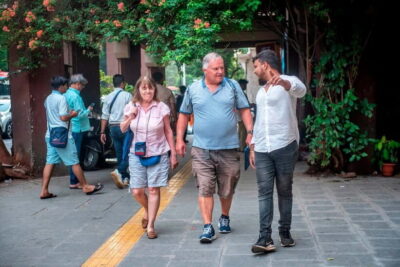
Mumbai moves fast, and this tour keeps up. This 3-hour ride-by-ride experience links famous sights with the everyday systems that make the city work, using a mix of bus, train, and taxi. You also get quick, guided looks where tourists usually rush past on their own.
I love how it leans into local life instead of just landmarks. Victoria Terminus (CST) is your UNESCO anchor, and then you jump to places like Dhobi Ghat where the city is doing real work in public.
One consideration: the timing is tight. You’ll be walking a bit between stops and moving through active stations and markets, so wear comfortable shoes and be ready for crowds.
In This Review
- Quick hits before you go
- Meeting at Regal Cinema, Colaba: the easiest way to start
- Chhatrapati Shivaji Maharaj Terminus: UNESCO in motion
- The Dadar flower market ride: color, roses, and quick snapshots
- Dhobi Ghat in Mahalaxmi: open-air laundry as a city feature
- Chor Bazaar: a flea market break for browsing and bargaining energy
- Churchgate and the dabbawalas: lunch delivery as a real system
- Why the bus-train-taxi mix is the point of the tour
- Price and value: why $38 can make sense for a 3-hour intro
- What to do during the short time at each stop
- Who this tour suits best (and who should skip it)
- Should you book the Mumbai public transportation tour?
- FAQ
- Where does the tour start?
- What time does the tour meet?
- How long is the tour?
- What’s included in the price?
- Is hotel pick-up or drop-off included?
- What stops are part of the tour?
- Do we need to buy any tickets for attractions during the tour?
- Is food included?
- Is the tour private or shared?
- FAQ
- Is this tour available for infants?
- Can I cancel for a refund?
Quick hits before you go
- Chhatrapati Shivaji Maharaj Terminus (CST) photo stop with a UNESCO setting and a Slumdog Millionaire filming tie-in
- Rose-heavy Dadar flower market with bright colors, garlands, and bouquets
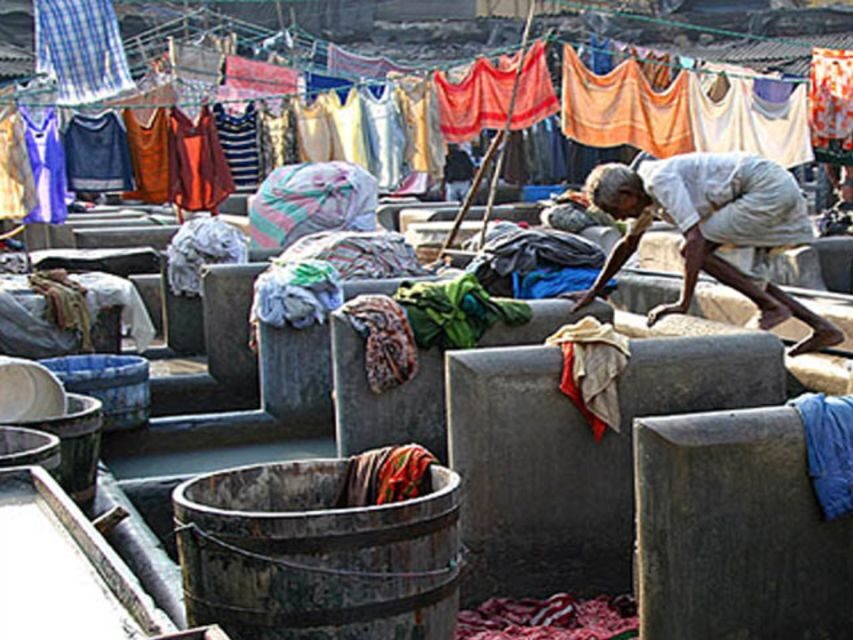
- Dhobi Ghat open-air laundry where washing happens in full view of the public
- Chor Bazaar flea market time for shopping and serious people-watching
- Churchgate dabbawalas lunchbox delivery and return system you can actually observe
Meeting at Regal Cinema, Colaba: the easiest way to start
You meet at Regal Cinema, Colaba, near the Gateway of India area, at 9:00 AM. The address given for the tour area is 32, Chhatrapati Shivaji Maharaj Marg, so plan to arrive a few minutes early and take a calm lap around the meeting zone before the group gathers.
This is a great setup if you’re new to Mumbai. Starting near Colaba keeps you central, and the tour immediately shifts you onto transit rather than making you negotiate your first rides alone.
You’ll also get tea and bottled water as part of the tour. That matters because the day’s not long, and you’ll burn energy moving between the bus, train, and taxi legs.
You can also read our reviews of more tours and experiences in Mumbai.


Chhatrapati Shivaji Maharaj Terminus: UNESCO in motion
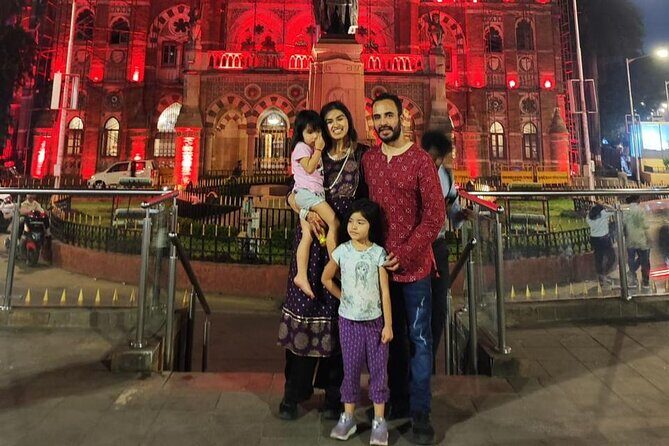
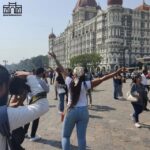
The first big stop is Chhatrapati Shivaji Maharaj Terminus (CST), a UNESCO World Heritage Site. You get a photo stop plus a guided tour and sightseeing, with time to walk around the station area.
What makes this stop more interesting than a standard photo stop is the context. CST is not a museum shell. It’s a working station, so the architecture sits right inside the daily flow of commuters and trains. If you like places that feel alive, you’ll appreciate that.
And yes, there’s a pop-culture link: the station is where Slumdog Millionaire was filmed. Even if you’re not there for movie trivia, knowing a big film used this space can help you notice details you might otherwise skip.
Practical tip: expect a lot happening around you. Keep your camera ready, but don’t let it slow you down when your guide calls the group back together.
The Dadar flower market ride: color, roses, and quick snapshots
After CST, you take the train toward the flower market area at Dadar. This part is short, with a photo stop, guided tour, and sightseeing time.
Here’s the sensory payoff you’re aiming for: the market is described as being flooded with roses in many colors—white, pink, red, yellow, and more—along with garlands and bouquets. It’s the kind of stop that’s easy to enjoy even if you don’t plan to buy anything. You can just look, take photos, and watch how vendors arrange and sell floral items for daily use.
The train hop also helps the tour feel grounded. Instead of transferring by car the whole way, you’re using the same transportation style many locals use. In a city as large as Mumbai, that’s a big part of the value.
Small drawback to expect: this is not a long, slow stroll. You’ll want to decide quickly what you want to photograph—faces, bouquets, or close-ups of flower colors—then move with the group.
Dhobi Ghat in Mahalaxmi: open-air laundry as a city feature
Next comes Dhobi Ghat in Mahalaxmi, often referenced as the open-air laundry. You get a photo stop plus guided sightseeing with about 20 minutes here.
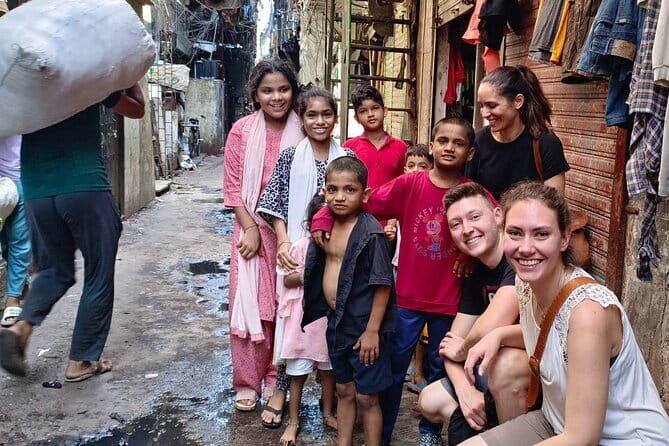
This stop is special because it’s not hidden behind walls. Clothes are washed in full view of the public, so you’re seeing a working system, not a staged exhibit. It’s a powerful contrast to CST’s formal grandeur. The day goes from UNESCO station elegance to practical labor you can watch firsthand.
I also like that this isn’t treated like a spectacle. With a guided format, you’re more likely to understand what you’re seeing in plain terms rather than just looking at it as background chaos.
Be ready for reality: this is an active public area. Keep your attention on your guide, move respectfully around people working, and avoid turning it into a slow-motion photo session that makes the group wait.
Chor Bazaar: a flea market break for browsing and bargaining energy
After Dhobi Ghat, the tour takes a taxi to Chor Bazaar, described as one of the largest flea markets in the entire country. You get guided touring with time for shopping and sightseeing.
Chor Bazaar is the kind of place that can either delight you or overwhelm you, depending on your pace. The good part is that you’re not on your own here. A guide helps you make sense of what you’re seeing in a short window and keeps you oriented so you don’t lose time wandering in the wrong direction.
In a tour that includes major transit hubs and daily-work spaces, a flea market stop adds balance. You get texture: vendors, items, and the feel of shopping streets, but in a focused, time-limited way.
Consideration: flea markets can be crowded and noisy. If you’re easily stressed by busy spaces, keep your expectations realistic: this is a short browsing moment, not an all-day shopping expedition.

Churchgate and the dabbawalas: lunch delivery as a real system
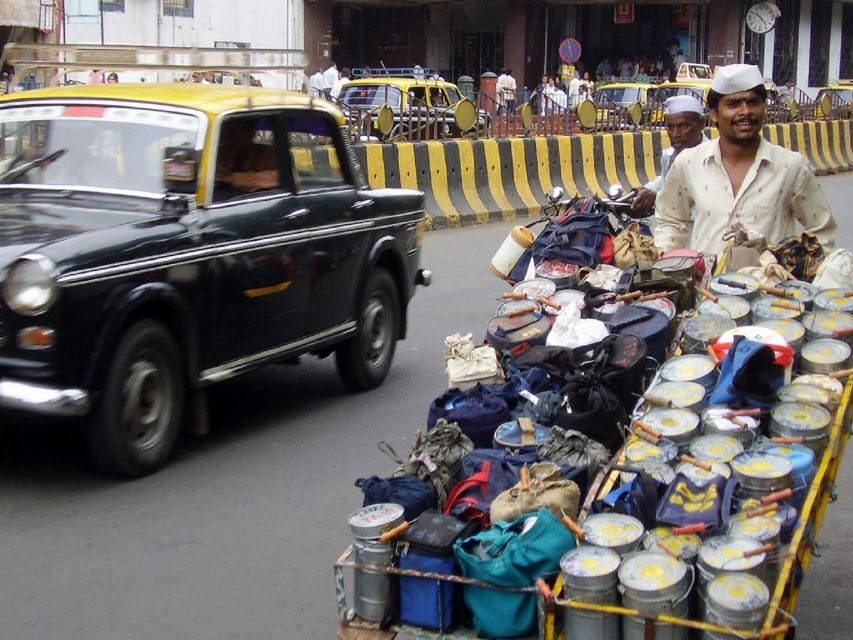
The tour finishes at Churchgate, where you’ll visit the Mumbai dabbawala (official) setup for a guided tour and sightseeing time of about 20 minutes.
This is one of the most locally grounded parts of the experience. The dabbawalas run a lunchbox delivery and return system that moves hot lunches from homes and restaurants to people at work, especially across Mumbai. You’re not just hearing a story. You’re seeing how the system fits into daily routines.
I like this stop because it ties the whole day together. The tour starts with a major station where trains define movement. Then you see public work at Dhobi Ghat. Then you hit a market that reflects commerce. Finally, you end at a network that reflects logistics for everyday meals. If you care about how cities function, this is the kind of detail that makes your trip feel more than just sightseeing.
Why the bus-train-taxi mix is the point of the tour
A big reason this experience is worth your time is the transportation mix. You’ll travel by bus to CST, take trains between major areas, and use taxis to connect between spots where walking or rail wouldn’t be the practical move.
That matters because Mumbai isn’t just a set of attractions—it’s an operating city. Using public transportation during the tour helps you understand the scale and rhythm without needing to figure everything out on your own.
Also, the tour keeps transitions fairly efficient, with short movement windows between stops. That’s ideal if you’re trying to pack a lot into limited vacation time, but it also means you shouldn’t plan your day around extra delays. When the group moves, you move.
Price and value: why $38 can make sense for a 3-hour intro
The price is $38 per person for a 3-hour guided experience. That’s not just paying for someone to point things out. Your fare includes transportation used as part of the tour, plus a local guide, and also tea and bottled water.
What you’re not paying for:
- Hotel pick-up and drop-off
- Food and drinks unless specified
So the value is strongest if you’re staying somewhere easy to reach from the Colaba meeting area. If you’re far out and need lots of extra taxi time just to start, your total cost could climb.
Still, for many first-time visitors, this kind of guided, transit-based sprint is a smart way to get oriented fast. You get a clear route, included transport legs, and stops that represent different sides of Mumbai rather than the same flavor of sightseeing repeated.
What to do during the short time at each stop
With only about three hours, the tour rewards a specific mindset: look, learn quickly, and then move. You’ll get photo stops, guided tour time, and brief walking windows at each main location, which is perfect if you like structured wandering more than open-ended free time.
Here’s how I’d approach it so you get the most out of every leg:
- Bring a camera plan: one wide shot, one detail shot, and one people-or-activity photo when appropriate
- Ask your guide practical questions during transit time (it’s often the fastest way to understand what you’re seeing)
- Pace yourself at markets: choose what you want to browse and keep moving so you don’t burn the best time
- Keep your energy for the dabbawala stop at the end, since it’s the most explanatory part of the day
Who this tour suits best (and who should skip it)
This tour is a good fit if you:
- Want a first look at Mumbai using real public transportation
- Like iconic landmarks but also want daily-life stops
- Prefer a short, organized route instead of planning multiple rides and timings yourself
- Enjoy market energy and working-city scenes
It may not be the best fit if you:
- Need a slow pace with long time at a single site
- Dislike crowded stations or busy markets
- Are traveling with babies under 1 year, since the tour isn’t suitable for that age group
If you’re the type who likes to understand how a place works, not just how it looks, you’ll probably feel the tour doing its job by the time you reach Churchgate.
Should you book the Mumbai public transportation tour?
If you’re visiting Mumbai for a short time and you want an efficient, guided way to see CST, flower market color, Dhobi Ghat’s open-air laundry, Chor Bazaar’s flea market chaos, and the dabbawalas at Churchgate, this tour is easy to recommend. The included transportation plus a local guide makes it simpler than cobbling together separate transit and attraction visits.
I’d book it if your priority is: learn fast, ride like a local, and end with something that explains Mumbai’s daily rhythm. I’d skip it if you want long lingering time or you’re already confident navigating transit and prefer self-guided stops.
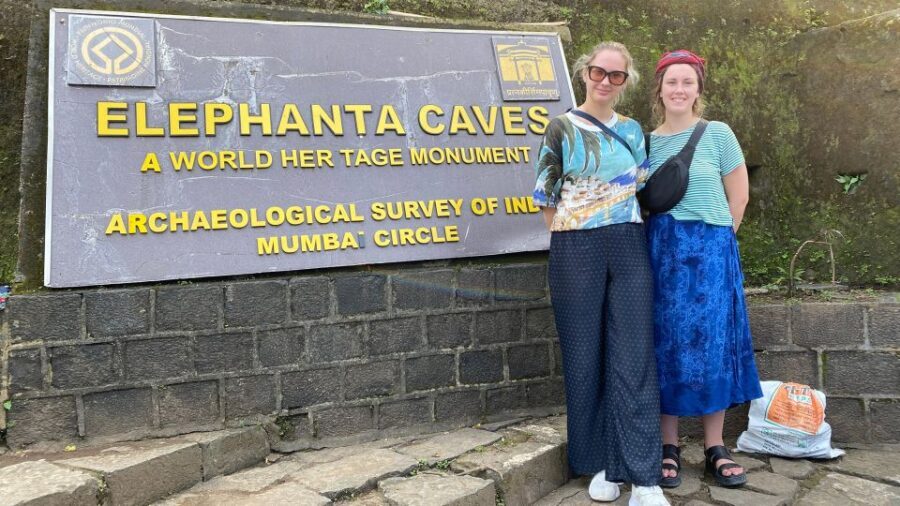
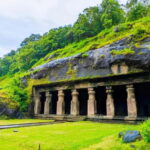
One more note: guide names in the experience info include Aarti, Dave, and Dev, and the guides seem to connect with the group. One guest even noted an offered chance to add Elephanta Caves when weather allowed—so if you’re flexible and weather is cooperating, you might catch a bonus conversation or option through your guide.
FAQ
Where does the tour start?
The meeting point is Regal Cinema, Colaba, near the Gateway of India.
What time does the tour meet?
The tour meets at 9:00 AM.
How long is the tour?
The tour lasts 3 hours.
What’s included in the price?
The price includes fare for all transportation used as part of the tour, a local guide, and tea and bottled water.
Is hotel pick-up or drop-off included?
No, hotel pick-up and drop-off are not included.
What stops are part of the tour?
You’ll visit Chhatrapati Shivaji Maharaj Terminus (CST), the flower market in Dadar, Dhobi Ghat in Mahalaxmi, Chor Bazaar, and then Churchgate to see the Mumbai dabbawala (official) lunchbox system.
Do we need to buy any tickets for attractions during the tour?
The tour includes skip the ticket line as part of the experience.
Is food included?
Food and drinks are not included, unless specified.
Is the tour private or shared?
It’s listed as a private group with a live English-speaking guide.
FAQ
Is this tour available for infants?
It’s not suitable for babies under 1 year.
Can I cancel for a refund?
Yes, the experience offers free cancellation up to 24 hours in advance for a full refund.