REVIEW · MUMBAI
Mumbai: Discover India’s Largest Slum -A Local’s Perspective
Book on GetYourGuide →Operated by The Urban Curious · Bookable on GetYourGuide
A walk through Dharavi can change your sense of what a city is. This local-guided experience focuses on real work—markets, recycling, pottery, leather, embroidery—and it ends with a high-up look at everyday life from a rooftop. I especially like the guide-first approach and the hands-on craft stops where you can see skill in action. One drawback to consider: this is a real neighborhood on foot, so plan for narrow lanes and keep your shoes comfy and practical.
If you care about Mumbai beyond the photo stops, this tour gives you the kind of access most city itineraries don’t. You’ll see how money, waste, and creativity move through the area day to day—plus you’ll hit the spots tied to Slumdog Millionaire, the film drawn from the English TV show Who Wants to Be a Millionaire? It’s thoughtful, but it’s not sanitized.
In This Review
- Key things I’d plan around before you go
- Finding Dharavi through work, not pity
- Where the tour starts: Third Wave Coffee in Mahim
- Markets, recycling, pottery, leather, embroidery: the “see it with your eyes” route
- Local markets: the daily engine
- Recycling district: turning waste into value
- Pottery area: watching artisans, then trying it
- Leather workshops: quality, not just scale
- Embroidery units: fine detail you can spot up close
- Real conversations with residents (and why the guide’s role matters)
- Slumdog Millionaire filming locations: Mumbai pop culture with a local spine
- Community projects, bakery sample, and a rooftop finish with perspective
- Local bakery sampling: the simplest pleasure on the route
- Rooftop view: seeing the neighborhood like a planner
- Price and value: how $10 fits a 2-hour “many stops” tour
- Who should book this Dharavi tour—and who should skip it
- Should you book it? My quick verdict
- FAQ
- How long is the Dharavi walking tour?
- Where do I meet the guide?
- Is transportation included to and from the starting point?
- What language is the live guide available in?
- What’s included in the tour?
- Can I cancel for a refund and is there pay later?
Key things I’d plan around before you go
- Meet outside Third Wave Coffee, Mahim: It’s the cleanest way to anchor your start point.
- Expect workshop-style stops: Pottery, leather goods, and embroidery units are built into the 2-hour flow.
- Rooftop view at the end: You’ll get a panoramic perspective, not just street-level impressions.
- Slumdog Millionaire filming locations: You’ll visit real places linked to the movie’s Dharavi inspiration.
- Small group, private format: The guide can answer questions and pace the walk.
- Food sampling is included: A local bakery sample is part of the experience.
Finding Dharavi through work, not pity
Dharavi gets talked about like a single headline. This tour treats it like a system of neighborhoods, trades, and daily problem-solving. The heart of the experience is simple: you meet a guide who lives there, then you move through the place by following how people earn, repair, make, and sell.
I like that the focus stays on work and daily routines. You’re not led around with a script that only explains hardship. Instead, you see practical skills—like turning materials into products—and you hear stories about resilience that don’t feel staged.
The second thing I really like is the mix of industries. Markets cover the everyday “what’s being used and sold,” while workshops show the “how it’s made.” That combo is what helps you understand Dharavi as a place with its own economy, not just a tourist label.
You can also read our reviews of more tours and experiences in Mumbai.


Where the tour starts: Third Wave Coffee in Mahim
The tour begins outside Third Wave Coffee in Mahim. That matters more than you’d think. A stable meeting spot reduces the stress at the start, especially in a big city where traffic and wandering are common.
From there, you’ll be walking within the neighborhood area for about 2 hours total. Comfortable shoes are the main packing advice, since you’ll be on foot through lanes and work zones.
Because it’s a small group and a private group format, you’ll likely move at a human pace. That’s also when the local guide can stop to explain what you’re seeing without rushing you along for the sake of a tight schedule.
Markets, recycling, pottery, leather, embroidery: the “see it with your eyes” route
This tour is built like a guided circuit. Each stop answers a different question: What’s traded? What’s reused? What’s made by hand? Who’s behind the process?
Local markets: the daily engine
You start with a look at local markets, where you can observe the fast rhythm of buying and selling. You’ll see fresh produce and handcrafted goods, plus the everyday hustle that makes the neighborhood feel alive and functional.
For me, markets are where you learn the real vocabulary of a place. Words like “market” sound generic, but here it’s about how goods move, how shoppers decide, and how work ties into the rest of Mumbai.
Recycling district: turning waste into value
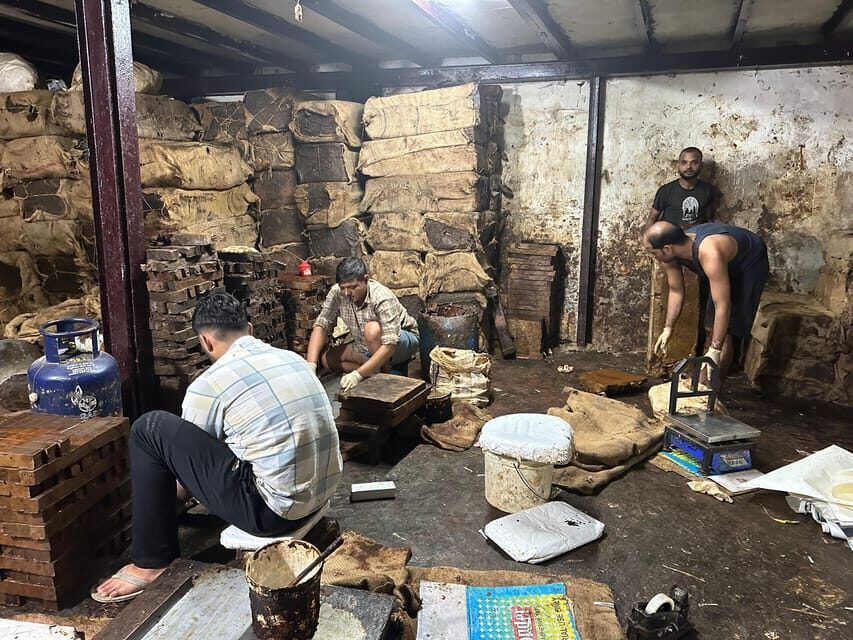
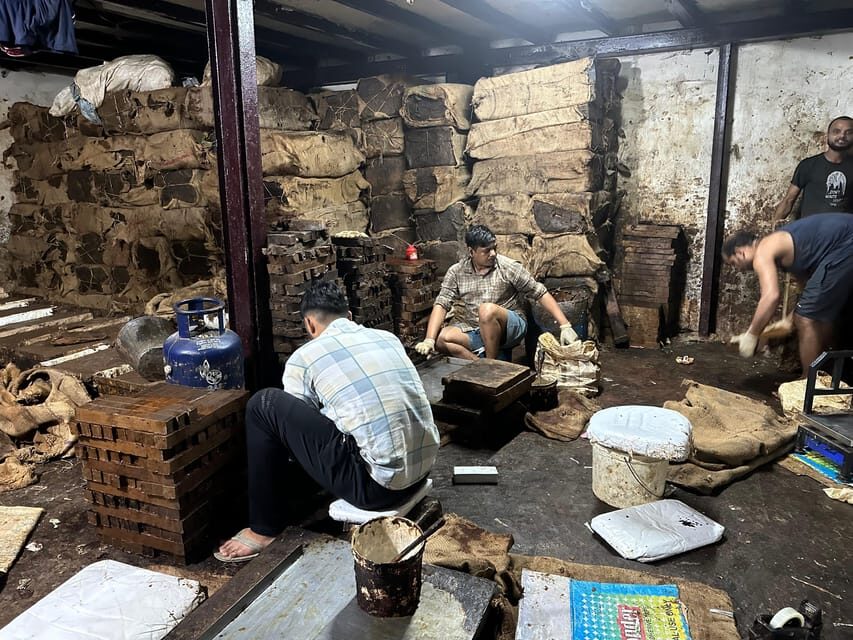
Next comes the recycling district, one of the most eye-opening parts of a Dharavi visit. You’ll witness how waste is transformed into useful products, with an emphasis on the resourcefulness you can literally see—materials sorted, repurposed, and routed into new uses.
This stop helps you understand why Dharavi draws attention worldwide, because it’s not just dumping or cleanup. It’s a functioning labor-and-material system. You’ll come away with a clearer picture of how economic value is created from what outsiders usually overlook.

Pottery area: watching artisans, then trying it
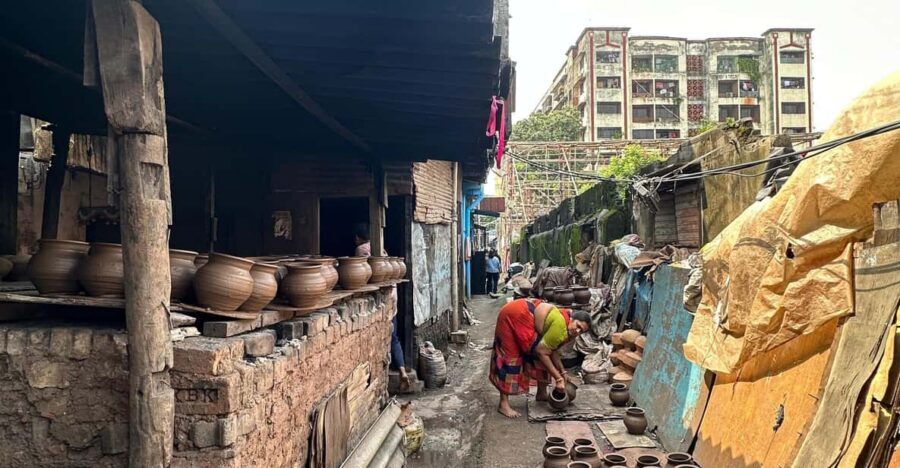
In the pottery area, you’ll watch artisans at work, and you can even try your hand at creating pottery. That hands-on moment matters. It shifts the experience from viewing to participating, even if only briefly.
Even if you’re not artistic, you’ll likely appreciate the discipline in the process—hands, timing, and materials. It’s one of the few ways a walk tour can make “craft” feel real, not just described.
Leather workshops: quality, not just scale
You’ll also visit leather workshops, where you can see the creation of leather goods and learn about the craftsmanship involved. This isn’t about a quick peek; it’s presented as a craft environment, tied to skill and product quality.
If you’re the type who likes to ask practical questions, this is a strong stop because it invites curiosity about how finished goods come from raw materials.
Embroidery units: fine detail you can spot up close
The tour includes time at embroidery units, where intricate designs are brought to life on fabric. This is where you start noticing the difference between watching from far away and seeing close-up work—how patterns are placed, how detail is handled, and how time shows up in the product.
Embroidery units are also a good counterbalance. Recycling and large-scale work can dominate your first impression, but embroidery brings you back to the patient side of the neighborhood economy.
Real conversations with residents (and why the guide’s role matters)
A big part of what you’re paying for is the guide. This is led by a resident guide from Dharavi, and that shapes everything: the pace, the storytelling, and what you’re guided to notice.
The value isn’t only language support (the tour is offered in English, Hindi, and Marathi). It’s also interpretation. A local guide can connect dots you’d miss on your own—why a workplace looks the way it does, how a trade fits into the day, and what certain routines mean to the people doing them.
The booking support person named Tanya also shows up in traveler feedback for being helpful during the reservation process, which can reduce the friction if you’re planning from abroad or you’re short on time in Mumbai.
One practical note: if you want to ask questions, this is the tour format where your questions actually get answered. The small group setup makes it easier for the guide to respond rather than rushing to the next stop.
Slumdog Millionaire filming locations: Mumbai pop culture with a local spine
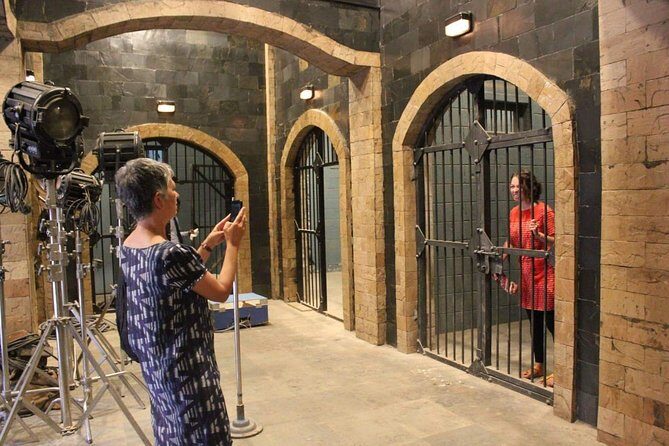
This tour includes entry to real-life filming locations associated with Slumdog Millionaire. The movie brought international attention to Dharavi, and it was inspired by the English TV show Who Wants to Be a Millionaire?
This part of the experience can be surprisingly useful. If you’ve seen the movie, you’ll likely recognize the style of scenes people associate with Dharavi. But instead of treating the neighborhood as a movie set, the guide reframes it: you’ll connect filming spots to how the area actually works now and how people live through the day.
It’s also a good chance to talk about why Dharavi became a global symbol in the first place, and what that attention does and doesn’t change on the ground.
Community projects, bakery sample, and a rooftop finish with perspective
A well-planned Dharavi tour should include more than trades. This one adds community projects—you’ll visit initiatives such as schools and health centers, plus other efforts meant to improve daily life.
That doesn’t mean the tour turns into a political lecture. It means you get a fuller picture of what “community” looks like when people are shaping services and opportunities alongside work.
Local bakery sampling: the simplest pleasure on the route
You’ll also stop at a local bakery and sample freshly baked goods. This is the kind of included food break that keeps the tour grounded. It’s not a full meal, but it’s enough to taste something real and give you a breather before the final climb to views.
Rooftop view: seeing the neighborhood like a planner
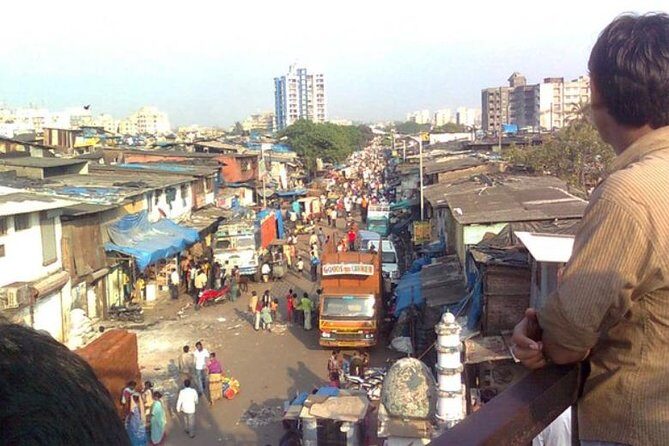
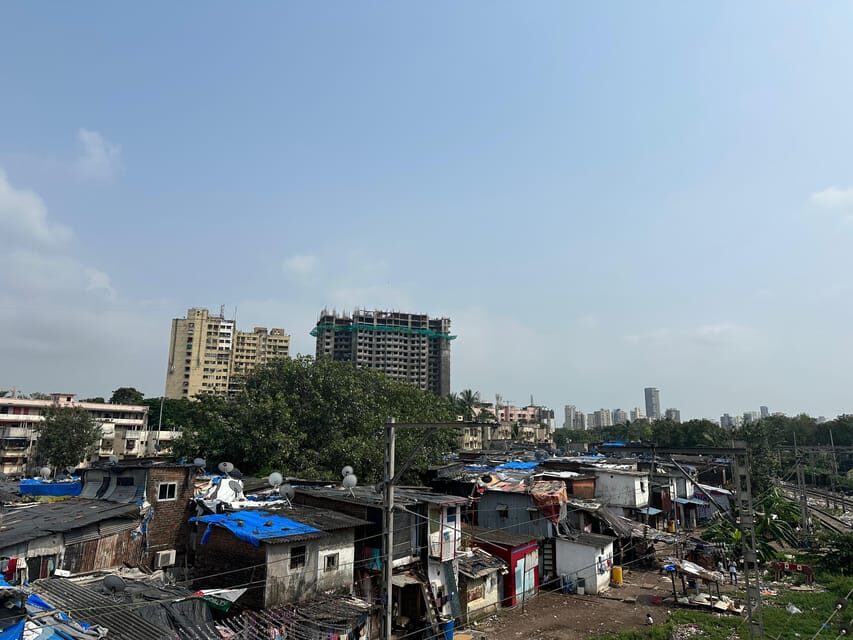
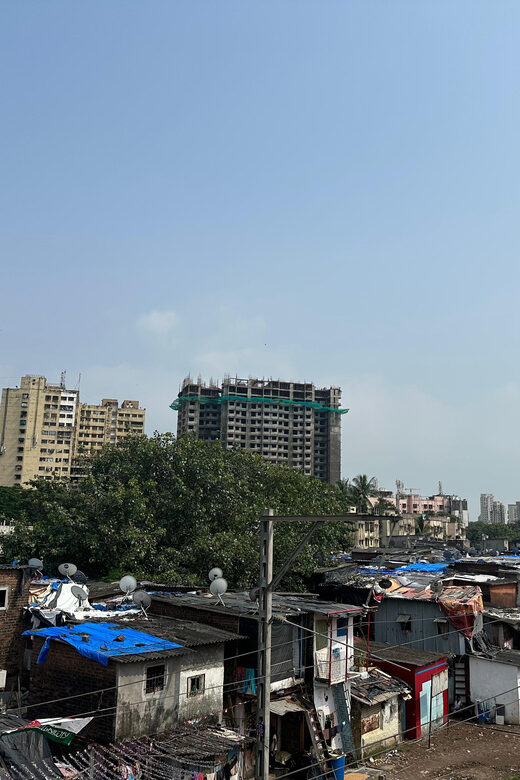
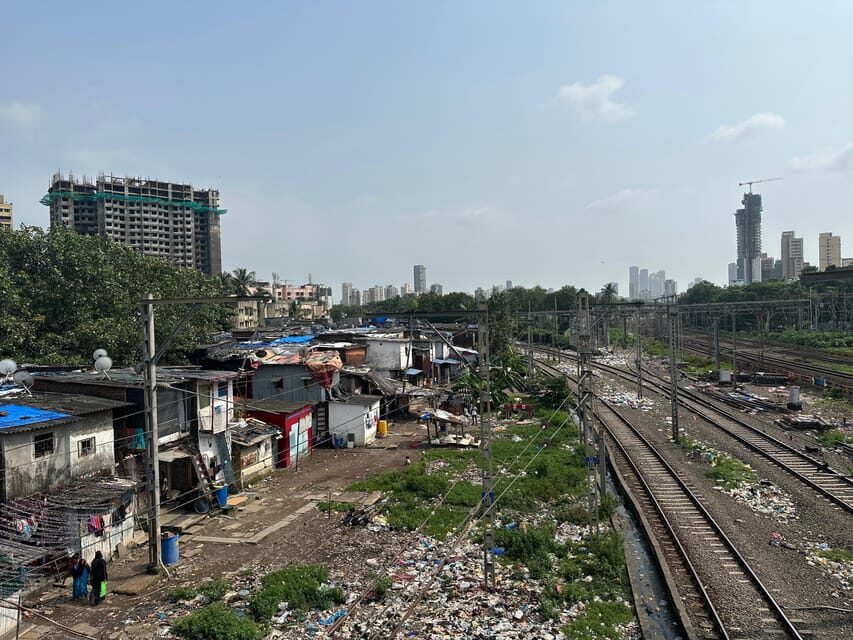
The tour ends with a rooftop panoramic view of Dharavi. Street-level views tell one story; rooftops tell another. From above, you can often understand how spaces connect, how density works, and how people carve out everyday life in tight quarters.
This rooftop finish also helps with your overall takeaway. After seeing workshops and markets, the view lets you stitch the pieces together visually.
Price and value: how $10 fits a 2-hour “many stops” tour
At $10 per person for a 2-hour guided walk with multiple workshop visits, market time, a rooftop view, a local bakery sampling, and filming-location access, the value is strong—especially because the guide is from Dharavi and the tour is designed for small groups.
Here’s what you should keep in mind when judging value:
- Transportation to and from the meeting point is not included, so add that cost if you’re coming from far away.
- Meals beyond the bakery sample are not included, so plan a proper meal later.
- The experience includes entry to filming locations and multiple structured stops, so you’re not paying just for walking.
In practical terms, you’re buying a guided route with context. That’s the difference between seeing a place and understanding how it’s organized.
Who should book this Dharavi tour—and who should skip it
This tour is a good match if you want:
- A local guide’s perspective rather than a scripted overview
- A walk that includes hands-on craft stops (pottery, leather, embroidery)
- Real connection points like markets, community projects, and a rooftop view
- A chance to connect what you see today to Slumdog Millionaire filming locations
You might want to choose another option if you hate walking or you’re very sensitive to crowded, close-up neighborhood environments. This isn’t a closed museum setting; it’s a working area of Mumbai.
Also, if your priority is big monuments and classic sightseeing, you’ll probably feel this tour moves in a different rhythm. But if you want Mumbai’s day-to-day reality, this is exactly the kind of experience that delivers.
Should you book it? My quick verdict
Book it if you want a Mumbai experience with real access and a guide who knows the neighborhood from inside. The combination of markets, recycling, multiple craft workshops, bakery sampling, and the rooftop view makes the 2 hours feel well used, not skimpy.
Don’t book it if you’re expecting a comfortable, low-walking, fully sheltered attraction. Wear comfortable shoes, keep your expectations grounded in real working spaces, and treat the stories you hear as part of the place—not just background.
And if you’re worried about planning friction, the presence of Tanya helping with booking support is a reassuring detail in the feedback you’ll find.
FAQ
How long is the Dharavi walking tour?
The tour lasts about 2 hours, including walking time and scheduled stops.
Where do I meet the guide?
Meet your guide outside Third Wave Coffee in Mahim. The exact Dharavi meeting location is provided upon booking confirmation.
Is transportation included to and from the starting point?
No. Transportation to and from Third Wave Coffee is not included.
What language is the live guide available in?
The live guide is available in English, Hindi, and Marathi.
What’s included in the tour?
You get a guided exploration with visits to local markets, pottery, leather workshops, embroidery units, and community projects, plus entry to Slumdog Millionaire filming locations, a local bakery sampling, and a rooftop view.
Can I cancel for a refund and is there pay later?
Yes. You can cancel up to 24 hours in advance for a full refund, and you can reserve now and pay later.