REVIEW · MUMBAI
Inside Dharavi: A Unique Slum Tour with an Local Guide
Book on Viator →Operated by Mumbai365Tour · Bookable on Viator
A slum tour that feels human and safe.
This private walk puts you in Dharavi, Mumbai’s largest slum area, with a local guide who can actually lead you through the lanes and explain what’s going on day to day.
I love the personal attention of a private group, and how the route focuses on working places like pottery makers rather than quick sightseeing.
I also like the simple structure: you start and end at a real neighborhood café, and you’re guided through about 2.5 hours with bottled water included.
One consideration: this is a real neighborhood, so expect tight paths and you’ll need to be thoughtful with photos and questions.
Also, no food is included, so plan around that if you’re hungry afterward.
In This Review
- Key things that make this tour worth your time
- Entering Dharavi with the right guide (and the right expectations)
- Starting at Third Wave Coffee: a calm kickoff before the walk
- The core of the tour: everyday streets, markets, and small industries
- Recycling, pottery, leatherwork, and textiles: work you can’t fake
- Schools and community centers: the human-sized view
- A note on safety, photos, and how to act inside someone’s home
- Timing and logistics: how the 2.5 hours usually feels
- Price and value: what $8.99 gets you (and why it’s not just cheap)
- Who should book this tour, and who might prefer another option
- Should you book? My straight answer
- FAQ
- What is the duration of the Dharavi slum tour?
- How much does the tour cost?
- Where does the tour start and end?
- Is pickup available?
- Is this a private tour?
- Do I need to bring tickets?
- What’s included in the price?
- What is not included?
- Is it suitable for most people?
- Can I bring a service animal?
- Is there free cancellation?
Key things that make this tour worth your time
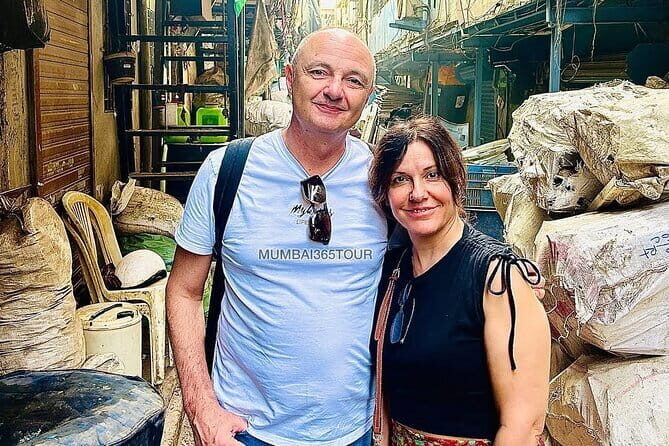
- Local-only access to narrow lanes, small industries, and community spaces you would miss on your own
- Private, group-sized attention with time for questions and (on at least some tours) time for photos and videos
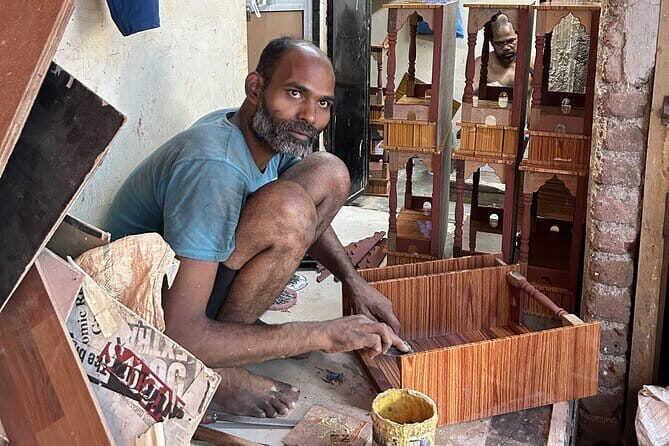
- Work you can see up close, including recycling and pottery, plus other trades explained by your guide
- Community focus beyond “poverty talk,” including schools and community centers as part of daily life
- Straightforward logistics, with a clear meeting point at Third Wave Coffee and bottled water included
Entering Dharavi with the right guide (and the right expectations)
Dharavi is the kind of place people feel they should understand from afar.
Then you arrive and realize you can’t. The details live in the alleys, in the workshops, in the school routine, and in how people move through their day.
That’s where this tour earns its keep: it’s led by someone from the area who knows the small turns and the context. Some guides shared a first-hand angle in their stories; for example, Ali has first-hand knowledge because he lives there.
When your guide can explain what you’re looking at without turning it into a lecture, the whole visit clicks.
The tone also matters. In the accounts I read, guides like Ali and Sarfaraz were described as respectful, professional, and warm—humor and compassion showing up alongside facts.
That doesn’t mean it’s staged. It just means you’re less likely to feel like you’re intruding, because the guide sets the pace and the boundaries.
You can also read our reviews of more guided tours in Mumbai

Starting at Third Wave Coffee: a calm kickoff before the walk
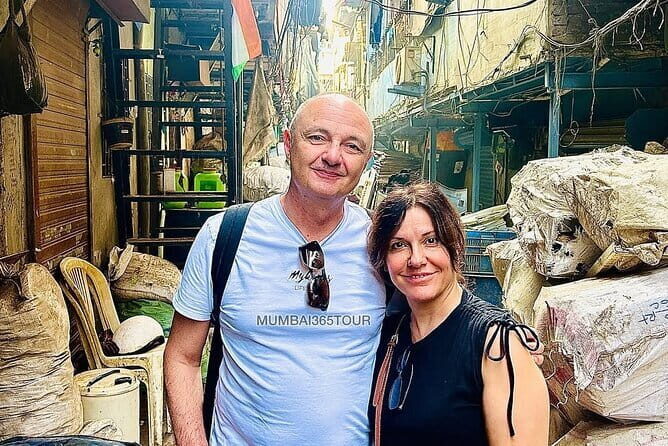
You meet at Third Wave Coffee on Tip Road, Unit 58, Ground, Ram Mahal, Senapati Bapat Marg, Marinagar Colony, Station, Mahim, Mumbai.
It’s a practical starting point, and it likely helps you get oriented before you enter the tighter lanes of Dharavi.
The tour includes a short stop here at the beginning and again at the end (about 10 minutes each, with the walk itself doing most of the work).
What that does for you: you’re not dropped into the middle of chaos with no context, and you’re not left scrambling to find your way back.
Also, since bottled water is included, you can treat that first café stop as a quick reset—use the restroom if you need it, grab water, and get your phone battery ready.
In a neighborhood walk, small “prep” moments save you later.
The core of the tour: everyday streets, markets, and small industries
The main chunk is a walking visit through Dharavi’s daily life.
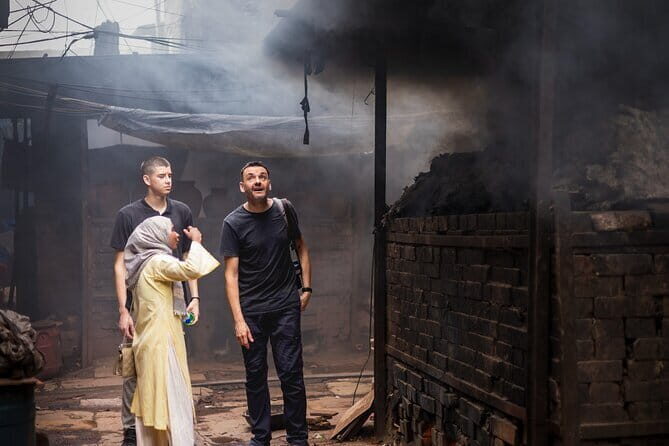
You’ll see the day-to-day flow: narrow alleys, local business activity, and small-scale industries moving in the background of ordinary life.
This is the part I think most people underestimate. They expect shock value.
Instead, you’re handed a clearer story: how people organize their workspace, how trade shows up in the street rhythm, and how the neighborhood functions even while being shaped by big external forces.
Your guide helps you read what you see. Without that, you might notice “work happening,” but miss the why behind it—how skills connect to local production and how the area supports Mumbai’s wider economy.
In other words, you’re not just looking at sights. You’re learning how a city-within-a-city operates.
If you’re the type who likes to ask questions, this is a good fit. Ali and Sarfaraz were both praised for answering questions and sharing perspectives in clear English.
That matters because “seeing” is one thing; “understanding what you’re seeing” is what makes the time feel worth it.
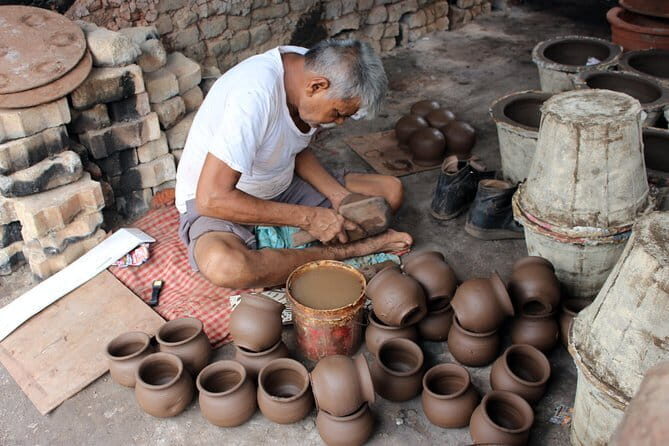
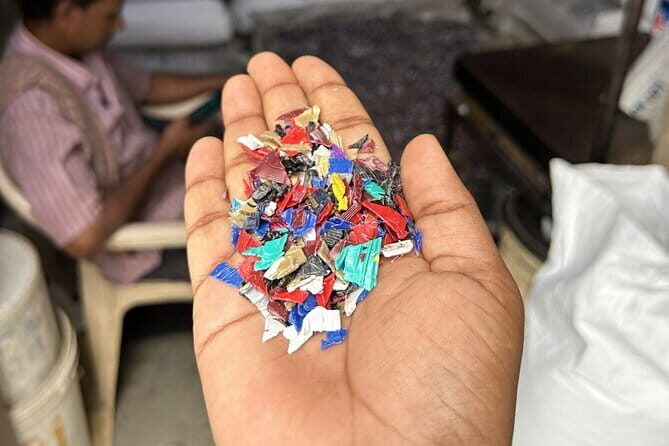
Recycling, pottery, leatherwork, and textiles: work you can’t fake
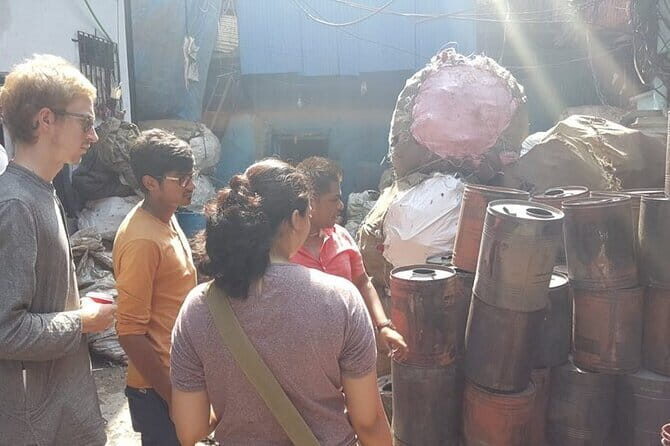
One big reason the tour earns a near-perfect recommendation rate is the focus on practical trades.
You can expect to be taken to places linked to pottery makers and recycling centers, plus other work your guide can explain as part of the local production ecosystem.
From the descriptions and guide comments shared in the experiences I reviewed, the industries aren’t treated as curiosities. They’re presented as jobs—skills with real value and real challenges.
One guide was specifically credited with sharing insights into recycling, pottery, leatherwork, and textiles, and how these trades connect to Mumbai’s economy.
Here’s what you’ll likely feel during this section: surprise at the organization.
Even in cramped conditions, there’s workflow—materials moving, tools used, and people performing skilled labor with confidence. That shifts your mental picture fast.
Practical note: wear comfortable shoes.
This is a walking tour through tight paths. If you show up in shoes that punish your feet, you’ll remember the discomfort more than the story.
Schools and community centers: the human-sized view
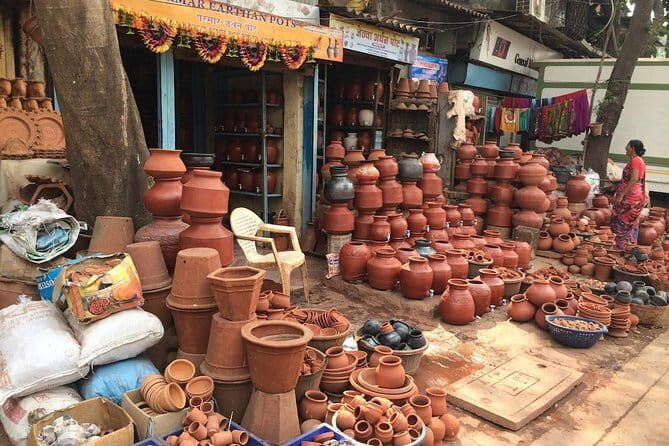
A lot of outsiders talk about slums like they’re only about deprivation.
This tour spends real time on the opposite side too: the everyday presence of schools and community spaces.
You’ll see how education and community support show up in the neighborhood fabric, not just as a statistic.
That’s important because it changes your relationship to the visit. You stop treating people as a topic and start treating them as neighbors with families, routines, and hopes.
In the experiences shared, guides also highlighted challenges alongside pride and capability.
That balance helps you avoid falling into the two common traps: pity-on-one-side, and ignorance-on-the-other.
And yes, you’ll probably talk about money and tradeoffs. But the better guides keep it grounded in what they’re showing you right in front of you.
If you go with a mindset of curiosity and respect, you’ll get more out of it than any “slum facts” list.


A note on safety, photos, and how to act inside someone’s home
Safety is one of the most repeated themes connected to this tour.
People said they felt safe with guides like Ali, and that the tour stays respectful throughout the walk.
That doesn’t mean you should behave like it’s a museum.
Treat it like you’ve been invited into someone’s neighborhood: ask permission when you want to photograph, keep your voice down, and don’t block work or doorways.
In at least one account, the guide allowed time for photos and videos, so it’s not a strict no-camera situation.
But you’ll still want to move carefully and follow your guide’s cues, because the goal is to record respectfully—not to consume content.
If you’re visiting with kids or you’re easily uncomfortable in crowded spaces, I’d think it through before booking.
The tour is described as suitable for most people, but Dharavi is still tight and active, and your comfort will depend on your mindset.
Timing and logistics: how the 2.5 hours usually feels
The total duration is about 2 hours 30 minutes.
That includes the small time at Third Wave Coffee before the walking starts and the stop back at the same place at the end.
This pacing matters because it helps you absorb what you see without rushing into sensory overload.
Also, since it’s a private tour/activity, only your group participates, which makes questions easier and reduces the “herding” feeling you can get on bigger group walks.
Pickup is offered, and there’s a mobile ticket involved.
If you’re trying to fit this into a Mumbai day with other plans, private format is your friend: you can usually coordinate more smoothly than on fixed group schedules.
Bring basic things you’d bring for any city walk: water isn’t a problem because bottled water is included, but you still want good footwear and a light bag.
And if you’re sensitive to sights, smells, or noise, plan a quiet buffer afterward so your brain can reset.
Price and value: what $8.99 gets you (and why it’s not just cheap)
At $8.99 per person, this tour is priced in the “seriously affordable” range.
But the value isn’t only in the cost. It’s in what you get for that money: a local guide, bottled water, and a private format that can feel less extractive than standard sightseeing.
You’re paying for context. A good guide translates the place—work, routines, and community spaces—into something you can actually understand.
That’s worth more than the ticket price in time saved and confusion avoided.
Also, many people book about a week in advance on average (around 6 days ahead).
That’s a clue to take it seriously as a must-do slot, not a last-minute gamble.
One more value point: some guides mention supporting local schooling via a portion of tourist payments.
Even if you don’t focus on that topic during the walk, it gives the visit a practical “where does the money go?” answer that feels more connected than a donation jar.
Who should book this tour, and who might prefer another option
This is a strong match if you want:
- a private, locally guided walk instead of a generic bus tour
- to see industries and schools, not just streets
- a visit where you can ask questions and get answers in English
It’s especially useful for first-time Mumbai visitors who feel overwhelmed and want a different lens on the city.
It can also be a great fit for solo travelers, because private format means you’re not stuck listening to a guide while competing for attention.
You might rethink it if:
- you hate walking through tight, active areas
- you want an itinerary that feels like classic sightseeing with wide viewpoints
- you’re expecting included meals (food and drinks are not included)
If you’re open-minded and respectful, you’ll likely leave with a sharper, more human picture of Mumbai than you could get from photos alone.
Should you book? My straight answer
I’d book it if your goal is to understand Dharavi as a working neighborhood, not just an icon on a map.
The combination of private local guidance, time with community spaces like schools, and a clear focus on trades like recycling and pottery makes the tour feel purposeful.
I’d skip or reschedule if you’re not comfortable in crowded, lived-in spaces, or if you need a guaranteed meal as part of the experience.
And do wear comfortable shoes. In a place of narrow lanes, your feet will vote on your enjoyment.
FAQ
What is the duration of the Dharavi slum tour?
The tour lasts about 2 hours 30 minutes.
How much does the tour cost?
It costs $8.99 per person.
Where does the tour start and end?
It starts and ends back at Third Wave Coffee on Tip Road in Mahim, Mumbai.
Is pickup available?
Pickup is offered.
Is this a private tour?
Yes. It is private, so only your group participates.
Do I need to bring tickets?
A mobile ticket is used.
What’s included in the price?
The tour includes a local guide from Dharavi and bottled water.
What is not included?
Food and drinks, plus personal expenses, are not included.
Is it suitable for most people?
It’s described as suitable for most travelers.
Can I bring a service animal?
Service animals are allowed.
Is there free cancellation?
Yes. You can cancel up to 24 hours in advance for a full refund.